Viburnum opulus (European Cranberrybush): A Complete Guide
Viburnum opulus, commonly known as European Cranberrybush, is a versatile and visually appealing plant that has a wide range of uses in landscaping, gardening, and even in traditional medicine. In this comprehensive guide, we’ll explore the key aspects of this plant, including its cultural needs, uses, propagation, common diseases and pests, as well as some fun facts and tips from botanists.
What is Viburnum Opulus?
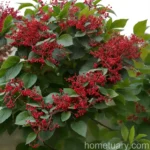
Viburnum opulus is a species of flowering plant native to Europe, Northern Africa, and Northern Asia. It belongs to the Adoxaceae family and is characterized by its dense cluster of white flowers, bright red berries, and distinctive three-lobed leaves. This deciduous shrub typically grows to a height of 8-15 feet and has an equally impressive spread.
Key Takeaways – Viburnum opulus (European Cranberrybush)
Before delving into the specifics of caring for Viburnum opulus, let’s highlight some key takeaways:
- Scientific Name: Viburnum opulus
- Common Name: European Cranberrybush
- Family: Adoxaceae
- Height: 8-15 feet
- Spread: Equal to its height
- Notable Features: Clusters of white flowers, bright red berries, three-lobed leaves
Now that we have a general understanding of this plant, let’s explore the cultural requirements and uses of Viburnum opulus.
Culture
Cultivating Viburnum opulus successfully requires a basic understanding of its water, sunlight, fertilizer, soil, and pruning needs. Each of these factors contributes to the overall health and vigor of the plant.
Water
Viburnum opulus generally prefers well-drained soil and regular watering. While it has some tolerance to dry conditions, particularly once established, it performs best when provided with consistent moisture, especially during periods of drought.
Sunlight
When it comes to sunlight, Viburnum opulus thrives in full sun to partial shade. It is adaptable to a range of light conditions, making it a versatile choice for various garden settings.
Fertilizer
Proper fertilization can promote healthy growth and abundant flowering in Viburnum opulus. A balanced, slow-release fertilizer applied in spring can provide the necessary nutrients for the plant’s development.
Soil
The ideal soil for Viburnum opulus is well-drained and moderately fertile. It can tolerate a range of soil types, including loamy and clay soils, but it generally performs best in slightly acidic to neutral soils.
Pruning
Pruning is an essential aspect of Viburnum opulus care, helping to shape the plant, promote airflow, and remove dead or damaged wood. Pruning is best done after the plant has finished flowering, typically in late spring to early summer.
Propagation
Viburnum opulus can be propagated through various methods such as hardwood cuttings, softwood cuttings, and seeds. Each method has its own requirements and success rates, but with proper care and attention, successful propagation can be achieved.
Container Popularity
Due to its adaptability and ornamental qualities, Viburnum opulus is a popular choice for container gardening. Its manageable size and attractive features make it an excellent addition to patios, balconies, and small gardens.
Uses
Viburnum opulus has a diverse range of uses, from its ornamental value in landscaping to its traditional medicinal applications. Understanding its uses can provide insights into how this plant can be integrated into different settings.
Ornamental Use
One of the primary uses of Viburnum opulus is its ornamental value in landscaping. Its beautiful white flowers, red berries, and attractive foliage make it a popular choice for hedges, borders, and woodland gardens.
Medicinal Use
In traditional medicine, various parts of the Viburnum opulus plant, including the bark and berries, have been used for their medicinal properties. They have been historically employed for their astringent and antispasmodic effects.
Now that we’ve covered the cultural requirements and uses of Viburnum opulus, let’s delve into more specific aspects such as common diseases, pests, and some fun facts about this plant.
Common Diseases
Like many plants, Viburnum opulus is susceptible to certain diseases that can affect its overall health and appearance. Being aware of these diseases is crucial for timely management and prevention.
Disease Diagnosis
Some common diseases that can affect Viburnum opulus include:
- Powdery Mildew: A fungal disease that manifests as a powdery white coating on the leaves, stems, and flowers.
- Leaf Spot: Characterized by the appearance of dark spots or lesions on the leaves, often caused by fungi or bacteria.
- Canker: This disease leads to the formation of sunken, damaged areas on the branches and stems of the plant.
Understanding the symptoms and signs of these diseases can aid in their prompt identification and treatment.
Common Pests
In addition to diseases, Viburnum opulus can also be targeted by various pests, which can compromise its health and aesthetics if left unchecked.
Pest Infestations
Some common pests that may affect Viburnum opulus include:
- Aphids: Small insects that feed on the sap of the plant, often congregating on the undersides of leaves.
- Scale Insects: These insects create hard or waxy coverings on the stems and leaves, sapping the plant’s vitality.
- Viburnum Beetles: These beetles can cause significant defoliation, particularly in their larval stage.
Identifying and addressing pest issues promptly is essential to minimize their impact on the plant.
Botanist’s Tips
For aspiring gardeners and enthusiasts looking to cultivate Viburnum opulus, here are some valuable tips from expert botanists to help ensure the success of this plant in various settings.
- Tip 1: Prune Viburnum opulus selectively to maintain its natural form and encourage new growth.
- Tip 2: Provide adequate moisture during the plant’s establishment phase to promote strong root development.
- Tip 3: Monitor the plant for any signs of disease or pest infestations, as early intervention is key to preserving its health.
Fun Facts
Adding some fun and intriguing facts about Viburnum opulus can enrich the overall understanding and appreciation of this plant.
- Fact 1: Viburnum opulus is known for its wildlife-attracting qualities, providing food and habitat for various bird species.
- Fact 2: In some regions, the berries of Viburnum opulus are used to make jams, jellies, and even alcoholic beverages due to their tart flavor.
Links to External Resources
For additional information and resources on Viburnum opulus, consider exploring the following links:
- Royal Horticultural Society – Viburnum opulus
- University of Florida IFAS Extension – Viburnum Leaf Beetle
- Missouri Botanical Garden – Viburnum opulus
In conclusion, Viburnum opulus, or European Cranberrybush, is a captivating and multi-faceted plant that offers a wealth of ornamental, medicinal, and ecological benefits. With the right care and attention to its cultural needs, this versatile shrub can thrive in diverse environments, contributing to the beauty and biodiversity of gardens and landscapes. Whether used as a focal point in a garden design or as a wildlife-friendly addition to natural areas, Viburnum opulus embodies the enduring appeal of ornamental plants with functional and aesthetic value.
As we continue to appreciate and explore the world of plants, the allure of Viburnum opulus serves as a testament to the innate connection between humans and the natural world, offering moments of wonder and inspiration in every season.