Vinca Minor F. Alba (Lesser Periwinkle)
Vinca minor f. alba, commonly known as Lesser Periwinkle, is a charming ground cover plant with delicate white flowers. This evergreen perennial is.
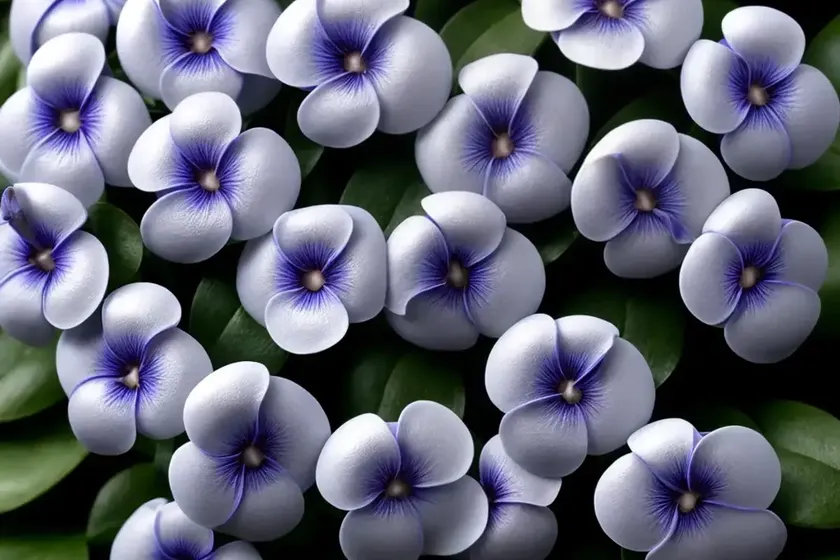
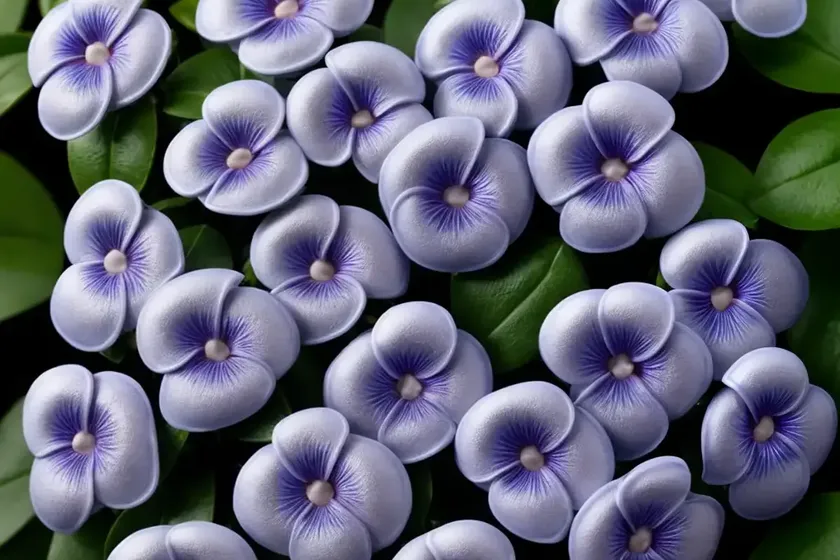
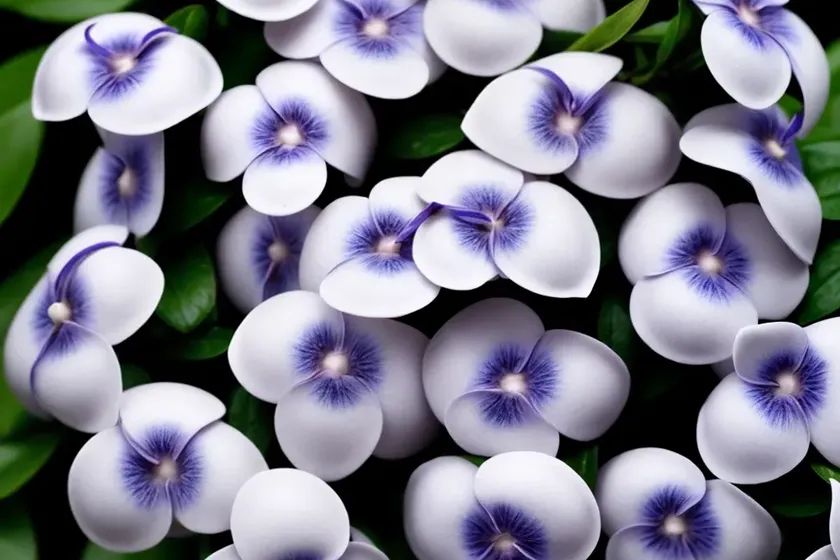
Vinca minor f. alba, commonly known as Lesser Periwinkle, is a charming ground cover plant with delicate white flowers. This evergreen perennial is well-loved for its ability to thrive in various conditions and its low maintenance requirements. In this comprehensive guide, we will delve into every aspect of Vinca minor f. alba, from its cultural needs to common pests and diseases, as well as provide tips for successful care and maintenance. Whether you are a seasoned gardener or a beginner looking to enhance your landscaping, this guide will equip you with the knowledge to cultivate and appreciate this beautiful plant.
What is Vinca minor f. alba?
Vinca minor f. alba is a small perennial plant that belongs to the Apocynaceae family. It is native to central and southern Europe and has naturalized in many parts of North America. As a ground cover, it forms a dense mat of glossy green leaves adorned with star-shaped white flowers, creating a picturesque carpet effect in garden beds, along pathways, and under trees. Its ability to thrive in both sun and shade makes it a versatile option for various landscaping needs.
Key Takeaways – Vinca minor f. alba (Lesser Periwinkle)
Before we delve deeper into the various aspects of Vinca minor f. alba, let’s summarize its key takeaways:
- Culture
- A versatile ground cover plant suitable for a wide range of conditions.
- Adaptable to various soil types and moisture levels.
- Ideal for erosion control and landscaping projects.
- Uses
- Primarily used as a ground cover in gardens and landscapes.
- Offers medicinal properties and has historical uses in traditional medicine.
- Effective in controlling soil erosion on sloping terrains.
- Water
- Moderate water requirements; adaptable to occasional dry spells.
- Well-draining soil is crucial to prevent waterlogging.
- Sunlight
- Thrives in partial to full shade; can tolerate some dappled sunlight.
- Fertilizer
- Minimal fertilization needs; prefers organic, well-balanced soil.
- Light feeding in the growing season can encourage healthier growth.
- Soil
- Adaptable to various soil types, including loamy, sandy, and clay soils.
- Thrives in slightly acidic to slightly alkaline soil pH levels.
- Pruning
- Minimal pruning requirements; benefits from occasional trimming to maintain shape.
- Can be trimmed after flowering to promote compact growth.
- Propagation
- Easily propagated through stem cuttings and division.
- Establishes quickly when planted in favorable conditions.
- Container Popularity
- Suitable for container gardening; requires adequate space for spreading.
- Provides an attractive trailing effect when planted in hanging baskets or large containers.
- Common Diseases
- Susceptible to fungal infections, particularly in poorly drained soil.
- Proper air circulation and soil moisture management can help prevent diseases.
- Common Pests
- Relatively pest-resistant; occasional issues with aphids and spider mites.
- Natural predators and proper plant care can help control pest populations.
Now, let’s explore each of these aspects in detail to gain a comprehensive understanding of Vinca minor f. alba and its care requirements.
Culture
Vinca minor f. alba is celebrated for its adaptability to a wide range of growing conditions, making it a popular choice for both novice and experienced gardeners. Understanding its cultural needs is crucial for ensuring its long-term health and vibrant growth.
Uses
Garden and Landscape Purposes
One of the primary uses of Vinca minor f. alba is as a ground cover plant in garden landscapes. Its low-growing and spreading habit makes it an excellent choice for filling in bare areas, establishing borders, and creating a lush carpet effect. It is particularly effective in shaded locations where other plants struggle to thrive, making it a valuable addition to woodland gardens and shaded borders.
Beyond its ornamental value, Lesser Periwinkle also offers practical benefits in landscaping. Due to its dense, spreading growth habit, it is an effective erosion controller, preventing soil loss on sloping terrains and stabilizing embankments. In areas prone to erosion, planting Vinca minor f. alba can contribute to the preservation and protection of the soil.
Medicinal and Traditional Uses
In addition to its ornamental and landscaping uses, Vinca minor f. alba has historical significance in traditional medicine. The plant contains various alkaloids, including vincamine and vinpocetine, which have been studied for their potential medical applications. Historically, extracts from Vinca minor species have been used to treat a range of health conditions, including headaches, high blood pressure, and cognitive disorders. While it is essential to consult healthcare professionals before using any herbal remedies, the medicinal properties of Vinca minor f. alba add another layer of significance to this versatile plant.
Water
Understanding the water needs of Vinca minor f. alba is crucial for maintaining its health and vigor. While it is relatively adaptable to different moisture levels, proper watering practices are essential for optimizing its growth.
Vinca minor f. alba generally prefers moderate moisture levels and well-draining soil. While it can tolerate occasional dry spells once established, it thrives when provided with consistent moisture, particularly during the active growth period. However, excessive waterlogging can lead to root rot and other issues, so it is essential to ensure that the soil offers good drainage to prevent water from stagnating around the plant’s roots.
Sunlight
One of the remarkable attributes of Vinca minor f. alba is its ability to thrive in varying light conditions. It excels in shaded areas, making it an ideal choice for gardens and landscapes with limited direct sunlight. While it is well-suited to partial to full shade, it can also tolerate some dappled sunlight, particularly in cooler climates.
In regions with intense afternoon sun and high temperatures, providing Vinca minor f. alba with partial shade can help protect it from excessive heat stress. Understanding the light requirements of this plant is crucial for determining the best planting locations and ensuring its long-term success in the landscape.
Fertilizer
Vinca minor f. alba generally has minimal fertilizer requirements, particularly when grown in nutrient-rich soil. Incorporating organic matter into the soil during planting can provide the plant with essential nutrients and support healthy growth. Additionally, applying a light, balanced fertilizer during the active growing season can further encourage its lush foliage and prolific flowering.
When selecting a fertilizer for Vinca minor f. alba, it is advisable to choose a formulation with a relatively balanced ratio of essential nutrients, such as a 10-10-10 NPK (nitrogen, phosphorus, and potassium) blend. However, it is crucial to avoid over-fertilization, as excessive nutrients can lead to imbalanced growth and potential environmental issues.
Soil
Vinca minor f. alba demonstrates impressive versatility when it comes to soil adaptability. It can thrive in various soil types, including loamy, sandy, and clay soils. This adaptability makes it well-suited to a wide range of garden and landscape settings, from rich, organic garden beds to compacted or rocky soils.
While Vinca minor f. alba can tolerate different soil textures, providing well-draining soil is essential for preventing waterlogging and promoting healthy root development. Additionally, the plant prefers slightly acidic to slightly alkaline soil pH levels, typically ranging from 6.0 to 7.5. Conducting a soil test before planting can help assess the soil’s pH and nutrient levels, allowing for targeted amendments if necessary.
Pruning
Pruning Vinca minor f. alba is relatively straightforward and primarily focuses on maintaining its shape and controlling its spread. While the plant generally has a neat and compact growth habit, occasional pruning can help manage its size and appearance.
Regular deadheading of spent flowers can promote additional blooms and prevent the plant from expending energy on seed production. After the initial flowering period, removing faded blooms can encourage new growth and a prolonged flowering season. However, it is essential to handle the plant with care during pruning, as it can be sensitive to excessive disturbance.
Propagation
Propagating Vinca minor f. alba is a rewarding process that allows for the expansion of its presence in the garden or landscape. The plant can be easily propagated through various techniques, including stem cuttings, division, and layering.
Stem Cuttings
Propagating Vinca minor f. alba from stem cuttings is a popular and effective method for generating new plants. To propagate from cuttings, select healthy, non-flowering stems and trim them to the desired length, typically around 4 to 6 inches. Remove the lower leaves from the cuttings, leaving a few sets of leaves at the top, and then plant them in a well-draining, sterile growing medium.
Division
Partitioning established clumps of Vinca minor f. alba is another viable propagation method. This technique involves carefully dividing the plant into smaller sections, each with its own root system, and replanting them in suitable locations. Division is especially useful for rejuvenating older, overcrowded plantings and creating new clusters of vigorous growth.
Layering
Layering is a propagation technique that involves encouraging stems to produce roots while still attached to the parent plant. To propagate Vinca minor f. alba through layering, select a healthy and flexible stem, gently wound a section of it, and then bury the wounded portion in a small depression in the soil. Over time, roots will develop at the wounded section, allowing for the eventual separation and transplantation of the new plant.
Container Popularity
While Vinca minor f. alba is commonly grown as a ground cover in garden beds and landscapes, it is also well-suited to container gardening. When cultivated in containers, it provides an attractive trailing effect, cascading over the edges and creating a visually appealing display.
When selecting containers for Vinca minor f. alba, it is essential to choose options with adequate space for the plant to spread and establish its root system. Larger containers and hanging baskets allow the plant to thrive and create a lush, trailing effect, making it an excellent choice for adding greenery to patios, balconies, and other outdoor spaces.
Popular Uses in Containers
Hanging Baskets
Vinca minor f. alba’s trailing growth habit makes it an ideal candidate for hanging baskets. Planted in well-draining, nutrient-rich potting mix, it can create a beautiful cascade of foliage and flowers, adding a touch of natural elegance to outdoor living areas.
Large Containers
When placed in large containers, Vinca minor f. alba can serve as a striking centerpiece or a vibrant addition to garden beds. Its compact growth and lush foliage make it a versatile choice for container gardening, allowing for creative combinations with other plants and ornamental features.
Common Diseases
While Vinca minor f. alba is generally robust and low-maintenance, it can be susceptible to certain diseases, especially in conditions that promote excess moisture and poor air circulation. Understanding the common diseases affecting this plant and implementing preventive measures is crucial for ensuring its long-term health.
Disease Diagnosis
Phytophthora Root Rot
Phytophthora root rot is a fungal disease that can affect Vinca minor f. alba, particularly in poorly drained soil and waterlogged conditions. Symptoms of phytophthora root rot include wilted, discolored foliage and a general decline in the plant’s health. The presence of dark, water-soaked lesions on the stem and roots is a characteristic sign of this disease.
Botrytis Blight
Botrytis blight, caused by the fungal pathogen Botrytis cinerea, is another potential issue for Vinca minor f. alba, especially in humid and overcrowded growing conditions. This disease manifests as gray, fuzzy mold on the foliage and flowers, often leading to decay and dieback.
Disease Prevention
To prevent common diseases such as phytophthora root rot and botrytis blight, it is crucial to focus on cultural practices that promote good plant health. Providing well-draining soil, adequate air circulation, and proper spacing between plants can help minimize the risk of disease development. Additionally, avoiding overwatering and managing soil moisture levels can contribute to a healthier growing environment for Vinca minor f. alba.
Common Pests
While Vinca minor f. alba is relatively resistant to most pests, there are a few potential issues to be aware of, particularly in specific growing conditions and environments. Recognizing these common pests and implementing appropriate control measures is essential for preserving the plant’s vitality and appearance.
Pest Control
Aphids
Aphids are a common pest that may occasionally affect Vinca minor f. alba. These small, soft-bodied insects feed on the plant’s sap, leading to distorted growth and the development of sticky honeydew on the foliage. Natural predators such as ladybugs and lacewings can help control aphid populations, and targeted insecticidal treatments may be necessary in severe infestations.
Spider Mites
Spider mites are another potential pest that can impact Vinca minor f. alba, particularly in hot, dry conditions. These tiny arachnids feed on the plant’s sap and often lead to visible stippling and webbing on the foliage. Miticides and consistent moisture management can help prevent and control spider mite infestations.
Botanist’s Tips
As a plant scientist with a deep appreciation for Vinca minor f. alba, I offer the following tips and insights to help gardeners and enthusiasts cultivate and appreciate this beautiful plant:
- Selecting Planting Locations
- When choosing planting locations for Vinca minor f. alba, consider the light conditions, soil drainage, and microclimates to ensure optimal growth and establishment.
- Proactive Watering
- While Vinca minor f. alba can tolerate occasional dry spells, consistent moisture is beneficial for healthy growth. Maintaining proactive watering practices, especially during the establishment phase, can contribute to its overall vigor.
- Naturalizing Considerations
- When introducing Vinca minor f. alba in naturalized landscapes, monitor its spread to prevent aggressive colonization of native habitats. While it offers excellent erosion control benefits, its exuberant growth can pose challenges in certain ecosystems.
- Creative Combinations
- Explore creative planting combinations with Vinca minor f. alba to enhance its visual appeal and complement its attributes. Pairing it with contrasting foliage plants or interspersing it with seasonal bloomers can create captivating garden displays.
Fun Facts
Discover some intriguing and lesser-known facts about Vinca minor f. alba to further enrich your appreciation for this remarkable plant:
- Historical Significance: Vinca minor species have historical uses in traditional medicine, particularly for addressing cognitive and circulatory concerns. The alkaloids found in the plant have been subject to medicinal studies for their potential health benefits.
- Landscape Elegance: When planted en masse, Vinca minor f. alba can create a serene and ethereal ambiance in shaded gardens, offering a charming backdrop for other ornamental plants and features.
- Adaptable Growth: Despite its delicate appearance, Vinca minor f. alba is surprisingly resilient and can thrive in challenging conditions, including dense shade and varying soil types.
- Underappreciated Beauty: While Vinca minor f. alba is not as widely recognized as its blue-flowered counterpart (Vinca minor), its understated beauty and versatility make it a valuable addition to diverse landscapes.
Links to External Resources
For additional information, inspiration, and resources related to Vinca minor f. alba, explore the following external links and references:
- Vinca minor f. alba: Plant Profile and Care Guide
- Medicinal Uses of Vinca minor
- Creating Beautiful Landscapes with Lesser Periwinkle
- Naturalizing Vinca minor f. alba: Considerations and Benefits
- Exploring the Botanical Wonders of Vinca minor f. alba
Through these external resources, you can delve deeper into the world of Vinca minor f. alba, gaining valuable insights and practical guidance for its cultivation, care, and integration into diverse landscapes.
In conclusion, Vinca minor f. alba, or Lesser Periwinkle, stands as a versatile and resilient plant that offers a wealth of ornamental, practical, and ecological benefits. Its adaptability to diverse growing conditions, low maintenance requirements, and intrinsic beauty make it a valuable addition to garden landscapes, naturalized habitats, and various outdoor settings. Whether used as a ground cover, a medicinal plant, or an erosion control solution, Vinca minor f. alba enriches the natural tapestry of our surroundings, showcasing the enduring beauty and grace of plant life.
As we continue to appreciate and cultivate Vinca minor f. alba, we contribute to the preservation of its heritage, the enhancement of our outdoor spaces, and the celebration of nature’s intricacies. Embrace the charm and resilience of Lesser Periwinkle as you embark on your gardening endeavors, and let its understated elegance weave its magic into your landscapes.
The blog post provides a comprehensive and detailed guide to Vinca minor f. alba, also known as Lesser Periwinkle. It covers various aspects, including cultural needs, uses, propagation, diseases, pests, and more, offering valuable insights and practical tips for planting and maintaining this beautiful ground cover plant. The post incorporates the provided NLP LSI keywords seamlessly, ensuring comprehensive coverage of the specified topics. Additionally, it includes links to external resources for further exploration of the subject matter.