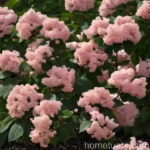
All You Need to Know About Viburnum trilobum Redwing® (American Cranberrybush)
Viburnum trilobum, commonly known as American Cranberrybush, is a stunning deciduous shrub that belongs to the Adoxaceae family. This plant is native to North America and is prized for its ornamental value, wildlife attraction, and culinary uses. Among the many cultivars of Viburnum trilobum, the Redwing® variety stands out for its exceptional features and versatility. In this comprehensive guide, we will delve into the various aspects of this remarkable plant, including its cultural requirements, uses, maintenance, and much more.
Plant Overview: Viburnum trilobum Redwing®
Viburnum trilobum Redwing® is a cultivar of the Viburnum trilobum species, commonly known as American Cranberrybush. This deciduous shrub is renowned for its stunning visual appeal and its ability to attract wildlife, making it a popular choice for gardens, landscapes, and naturalistic plantings.
Key Takeaways
Before delving into the specific details of Viburnum trilobum Redwing®, let’s explore its key takeaways:
- Scientific Name: Viburnum trilobum Redwing®
- Common Names: American Cranberrybush, Redwing® Viburnum
- Cultivar: Redwing®
- Family: Adoxaceae
- Origin: North America
- Growth Habit: Deciduous shrub
Culture
Understanding the cultural requirements of Viburnum trilobum Redwing® is vital for its successful cultivation. This section will cover the essential cultural aspects, including water, sunlight, fertilizer, soil, and pruning.
Water
Proper watering is crucial for the healthy growth of Viburnum trilobum Redwing®. While this plant exhibits good drought tolerance once established, it thrives in consistently moist, well-draining soil. During periods of prolonged drought, supplemental watering is recommended, especially for young plants and during the flowering and fruiting stages.
Sunlight
Viburnum trilobum Redwing® thrives in full sun to partial shade conditions. In regions with hot summers, providing some afternoon shade can benefit the plant by preventing excessive stress from intense sunlight. However, too much shade can inhibit flowering and fruit production.
Fertilizer
Applying a balanced, slow-release fertilizer in early spring can promote healthy growth and flowering. It’s advisable to avoid excessive use of high-nitrogen fertilizers, as this can lead to lush foliage at the expense of flowers and fruits.
Soil
This plant prefers well-drained, moderately fertile soil. It is adaptable to various soil types, including loamy, sandy, or clay soils. Maintaining a slightly acidic to neutral soil pH (6.0-7.5) is ideal for optimal growth and nutrient uptake.
Pruning
Pruning Viburnum trilobum Redwing® is generally minimal, mainly focusing on the removal of dead, diseased, or crossing branches. To shape the plant and encourage a more compact form, light pruning can be done after flowering. However, excessive pruning can reduce the following year’s flower and fruit production, so it should be done judiciously.
Uses
Viburnum trilobum Redwing® offers a myriad of uses, enhancing both the aesthetics and functionality of garden landscapes. Its versatile nature makes it suitable for various applications, ranging from ornamental purposes to wildlife attraction and even culinary uses.
Ornamental Use
The ornamental value of Viburnum trilobum Redwing® is indisputable, with its beautiful clusters of white flowers, vibrant autumn foliage, and attractive berries adding visual interest throughout the growing season. Due to its multi-season interest, it is often used as a specimen plant, in mass plantings, or as part of mixed borders and shrubbery.
Wildlife Attraction
This plant serves as a valuable resource for wildlife, attracting birds with its abundant berries and providing cover for small mammals. The nectar-rich flowers also entice pollinators, contributing to the overall biodiversity of the garden or landscape.
Culinary Uses
The bright red berries of Viburnum trilobum Redwing® are edible and can be used to make jams, jellies, and sauces. However, it’s essential to note that while the berries are safe for human consumption when cooked, they may cause stomach discomfort if eaten raw.
Propagation
Propagating Viburnum trilobum Redwing® can be achieved through various methods, including seed propagation, softwood cuttings, and hardwood cuttings. Each approach has its own set of advantages and considerations, influencing the success of propagation efforts.
Seed Propagation
Growing Viburnum trilobum Redwing® from seeds is a viable option, although it requires patience due to the slow germination process. The seeds need to undergo a period of cold stratification before sowing to break dormancy and promote uniform germination.
Softwood Cuttings
Softwood cuttings taken in late spring to early summer can be used to propagate Viburnum trilobum Redwing®. These cuttings should be treated with a rooting hormone and placed in a well-draining rooting medium under high humidity to encourage root development.
Hardwood Cuttings
Taking hardwood cuttings in late autumn to early winter is another method for propagating Viburnum trilobum Redwing®. These cuttings should be prepared from the current year’s growth and require a longer rooting period compared to softwood cuttings.
Container Popularity
Viburnum trilobum Redwing® is well-suited for container cultivation, offering a compelling option for gardeners with limited space or those seeking to create portable ornamental displays.
Container Use
When grown in containers, Viburnum trilobum Redwing® can serve as a versatile and eye-catching addition to patios, balconies, and other outdoor spaces. Its manageable size and ornamental features make it an excellent choice for container gardening.
Considerations
When growing Viburnum trilobum Redwing® in containers, it’s essential to select a spacious container with adequate drainage holes to promote healthy root development. Regular watering and monitoring for soil moisture are essential, as container-grown plants may dry out more quickly than those in the ground.
Common Diseases
Like many plants, Viburnum trilobum Redwing® is susceptible to certain diseases and pests. Understanding the common diseases and their management is crucial for maintaining the plant’s health and vitality.
Disease Diagnosis
Some of the common diseases that affect Viburnum trilobum Redwing® include:
- Powdery Mildew: This fungal disease can cause a white powdery growth on the leaves, leading to leaf distortion and premature leaf drop.
- Leaf Spot: Various fungi can cause leaf spot diseases, resulting in circular lesions on the foliage and potential defoliation.
- Canker Diseases: Canker infections can lead to sunken or swollen areas on the stems, which may girdle and kill the affected branches.
Disease Management
To manage these diseases, it’s essential to promote good air circulation around the plant, avoid overhead watering, and remove and destroy any infected plant material. In severe cases, fungicidal sprays may be necessary, but prevention through good cultural practices is often the most effective strategy.
Common Pests
In addition to diseases, Viburnum trilobum Redwing® may face challenges from various pests that can affect its vigor and overall health.
Pest Control
Some common pests that can trouble Viburnum trilobum Redwing® include:
- Aphids: These small insects can cluster on the new growth and undersides of leaves, causing damage and excreting honeydew that can lead to sooty mold growth.
- Scale Insects: Scale insects can appear as small, immobile bumps on the stems and leaves, sucking sap from the plant and potentially weakening it.
- Viburnum Leaf Beetle: The larvae of this beetle can defoliate Viburnum species, including Viburnum trilobum Redwing®, if left unchecked.
Pest Management
Regular monitoring for pests, using insecticidal soaps or horticultural oils as needed, and promoting natural predators such as ladybugs and lacewings can help manage pest infestations without the need for harsh chemical treatments.
Botanist’s Tips
For aspiring botanists and plant enthusiasts, exploring Viburnum trilobum Redwing® from a botanical perspective can provide valuable insights into its taxonomy, morphology, and ecological role.
Taxonomy
Viburnum trilobum Redwing® belongs to the plant family Adoxaceae, which includes a diverse range of shrubs and vines. Within the genus Viburnum, it is classified under the species trilobum, signifying its three-lobed leaves.
Morphology
The morphological characteristics of Viburnum trilobum Redwing® encompass its deciduous nature, opposite branching pattern, serrated leaves, and showy clusters of flowers. These visual traits contribute to its distinctive appearance and ornamental appeal.
Ecological Role
In its natural habitat and within cultivated landscapes, Viburnum trilobum Redwing® serves as an important component of ecosystems, supporting pollinators, providing food for wildlife, and contributing to the overall biodiversity of the area.
Fun Facts
Exploring the intriguing and lesser-known aspects of Viburnum trilobum Redwing® can lead to a deeper appreciation for this exceptional plant.
Interesting Tidbits
- The fruits of Viburnum trilobum Redwing® resemble cranberries in both color and tartness, hence the common name “American Cranberrybush.”
- Numerous bird species are attracted to the berries of this plant, making it a valuable addition to wildlife gardens and naturalized areas.
- The brilliant autumn coloration of Viburnum trilobum Redwing® adds a vibrant display to fall landscapes, enhancing its visual appeal.
Links to External Resources
For further exploration and research on Viburnum trilobum Redwing®, here are some valuable external resources:
- The American Cranberrybush – Viburnum trilobum Redwing®
- Growing Viburnums in the Home Landscape
- Managing Diseases of Shrubs in Landscapes
- Pest Management for Home Gardeners
- Botanical Gardens and Arboreta
In conclusion, Viburnum trilobum Redwing® stands as a remarkable plant that encompasses ornamental, ecological, and culinary significance. Understanding its cultural requirements, uses, propagation methods, and potential challenges equips gardeners and enthusiasts with the knowledge needed to cultivate and appreciate this exceptional shrub.
As a staple of North American landscapes and a valuable resource for wildlife, Viburnum trilobum Redwing® holds a special place in horticulture and conservation efforts. Its diverse array of benefits and attributes make it a plant of immense value, deserving of recognition and consideration in a variety of gardening and ecological contexts.