Chinese Viburnum (Viburnum propinquum): A Complete Guide
As a plant scientist with a particular interest in horticulture, I am excited to delve into the intricate details of the Chinese viburnum (Viburnum propinquum). This exceptional flowering plant is not only visually captivating, but it also presents a myriad of cultural, medicinal, and ecological uses. Join me in exploring the captivating world of Viburnum propinquum, from its cultural significance to its habitat requirements and care.
What is Chinese Viburnum (Viburnum propinquum)?
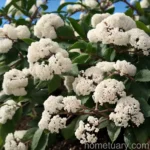
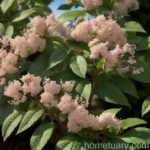
Chinese viburnum, scientifically known as Viburnum propinquum, is a species of flowering plant in the family Adoxaceae. This captivating shrub boasts clusters of small, fragrant, white flowers, and glossy green foliage. Its ornamental attributes have made it a popular choice for gardens, landscapes, and urban green spaces.
Key Takeaways
Before we delve into the in-depth details, let’s summarize the key takeaways of Chinese viburnum cultivation, care, and uses:
- Culture
- Ornamental and cultural significance
- Traditional medicinal uses
- Uses
- Decorating gardens and landscapes
- Medicinal applications
- Wildlife habitat enhancement
- Habitat Requirements
- Water
- Sunlight
- Fertilizer
- Soil
- Maintenance
- Pruning techniques
- Disease resistance
- Pest control
- Propagation
- Propagation methods
- Container gardening
- Fun Facts
- Intriguing folklore
- Ecological symbolism
Now, without further ado, let’s embark on an enlightening journey to discover the intriguing details of Viburnum propinquum.
Culture and Significance of Chinese Viburnum
Ornamental and Cultural Significance
The Chinese viburnum, with its delicate flowers and lush foliage, has been cherished for its ornamental beauty for centuries. Its elegant appearance and alluring fragrance make it a delightful addition to gardens and landscapes, creating a serene and charming ambiance. In Chinese culture, the viburnum is often associated with purity and modesty, further enhancing its allure as a decorative plant.
Traditional Medicinal Uses
Beyond its aesthetic appeal, the Chinese viburnum has been deeply intertwined with traditional herbal medicine. Certain parts of the plant are believed to possess medicinal properties and have historically been used to treat various ailments. From herbal teas to tinctures, the plant has found its place in traditional Chinese medicine, adding a layer of significance to its cultivation.
Ecological Significance and Wildlife Habitat
In addition to its cultural and ornamental value, the Viburnum propinquum plays a vital role in enhancing wildlife habitats. Its nectar-rich flowers attract pollinators such as bees and butterflies, contributing to the ecological diversity of the surrounding environment. Moreover, the shrub’s dense foliage provides shelter and nesting sites for birds, further amplifying its ecological importance.
Habitat Requirements
Water
Chinese viburnums thrive in well-drained soil and prefer consistent moisture, especially during the growing season. While they are relatively tolerant of varying moisture levels, consistent watering, especially during dry periods, promotes healthy growth and abundant flowering.
Sunlight
These shrubs exhibit a preference for partial to full sunlight. While they can tolerate partial shade, providing them with ample sunlight ensures robust growth and profuse flowering. When selecting a planting location, it’s advisable to opt for an area that receives at least six hours of sunlight daily.
Fertilizer
Moderate and balanced fertilization can significantly enhance the growth and blooming of Chinese viburnums. Applying a slow-release fertilizer formulated for flowering shrubs in early spring can provide the necessary nutrients for vigorous growth and abundant blooms.
Soil
Chinese viburnum thrives in well-drained, slightly acidic to neutral soil. Incorporating organic matter into the soil during planting or as a top dressing can improve its texture and fertility. Additionally, maintaining a slightly acidic pH level (around 6.0 to 7.0) is conducive to optimal growth and flowering.
Maintenance
Pruning Techniques
Pruning plays a crucial role in maintaining the health and aesthetic appeal of Chinese viburnums. Proper pruning helps shape the shrub, promotes air circulation, and encourages the development of new growth. It’s recommended to prune immediately after flowering to stimulate new growth and ensure abundant blooms in the following season.
Disease Resistance
Chinese viburnums are generally resilient to many common plant diseases. However, proper cultural practices such as adequate spacing, proper watering, and avoiding overhead irrigation can help prevent disease development. Additionally, promptly removing any diseased or damaged foliage can mitigate the spread of diseases within the plant.
Pest Control
While Chinese viburnums are relatively resilient to pest infestations, occasional monitoring for common pests such as aphids, scale insects, and spider mites is advisable. If pests are detected, employing insecticidal soap or horticultural oil can effectively manage infestations without compromising the plant’s health.
Propagation
Propagation Methods
Chinese viburnums can be propagated through various methods, including:
- Softwood Cuttings: Utilizing softwood cuttings taken in the early summer and propagating them in a well-draining medium under controlled conditions.
- Seed Propagation: Collecting and germinating seeds, although this method may take longer to produce mature plants compared to other propagation techniques.
Container Gardening
The compact and elegant growth habit of Chinese viburnums makes them well-suited for container gardening. When cultivating them in containers, using a well-draining potting mix and providing adequate sunlight and water are essential for their healthy growth and prolific blooming.
Fun Facts about Chinese Viburnum
Folklore and Symbolism
Throughout history, the Chinese viburnum has been associated with various folklore and symbolism, embodying different meanings across cultures. In Chinese folklore, the viburnum is often linked to purity, modesty, and resilience, reflecting its elegant and enduring nature. Its symbolism extends to different aspects, including love, protection, and harmony, adding an enchanting layer to its cultural significance.
Conclusion
In conclusion, Chinese viburnum (Viburnum propinquum) is a mesmerizing flowering shrub with rich cultural, aesthetic, and ecological significance. From its ornamental allure to its traditional medicinal uses and ecological contributions, the plant encompasses a multitude of captivating facets. By understanding its habitat requirements, maintenance needs, and propagation methods, enthusiasts can cultivate and appreciate this enchanting plant to the fullest.
As we immerse ourselves in the captivating world of Viburnum propinquum, let’s treasure its ornamental beauty, cultural resonance, and ecological significance. Whether adorning gardens, enhancing wildlife habitats, or embodying timeless symbolism, the Chinese viburnum continues to enchant and inspire.
References
- “Viburnum propinquum” in Plant Hardiness Zone Map. United States Department of Agriculture. Link
- “Chinese Viburnum: Growing Guide” in The Old Farmer’s Almanac. Link
- “10 Gorgeous Shrubs That Attract Butterflies” in Birds & Blooms. Link
- “Viburnums” in The Morton Arboretum. Link
- “Viburnum Propinquum” in Missouri Botanical Garden. Link