Verbascum ‘Lavender Lass’ (Mullein)
As a plant scientist with a passion for horticulture, I find great joy in exploring and understanding the diverse world of plants. In this comprehensive.
Introduction
As a plant scientist with a passion for horticulture, I find great joy in exploring and understanding the diverse world of plants. In this comprehensive guide, we will delve into the intriguing features of Verbascum ‘Lavender Lass’, commonly known as Mullein. This perennial plant is renowned for its distinctive lavender flowers and a multitude of practical and ornamental uses. Through detailed examination and expert tips, we aim to unveil the beauty of this plant and equip enthusiasts with the knowledge required for successful cultivation.
What is Verbascum ‘Lavender Lass’?
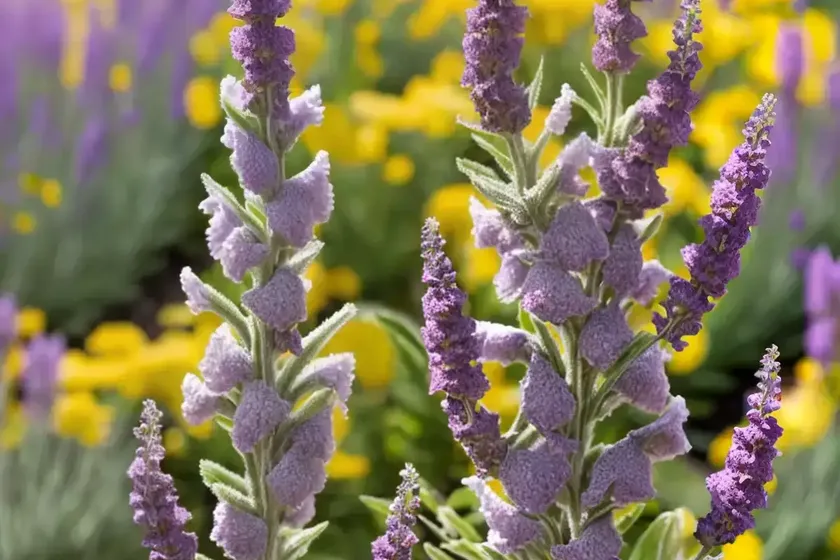
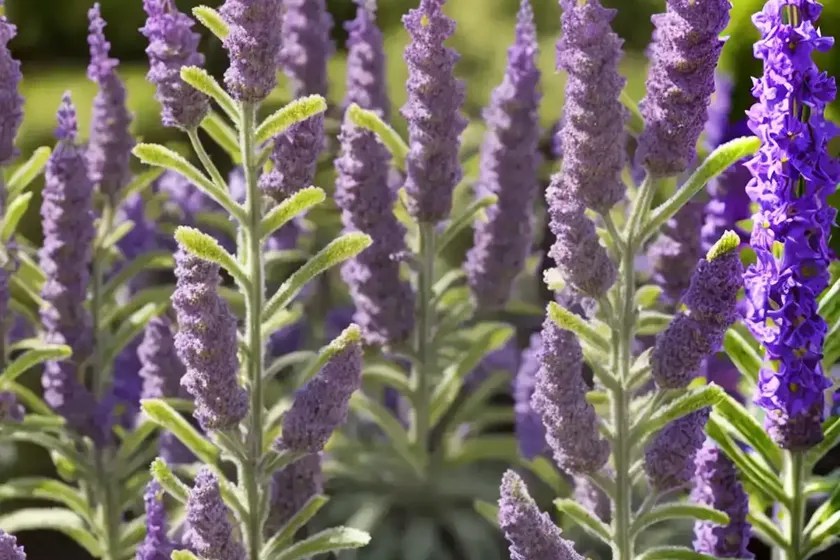
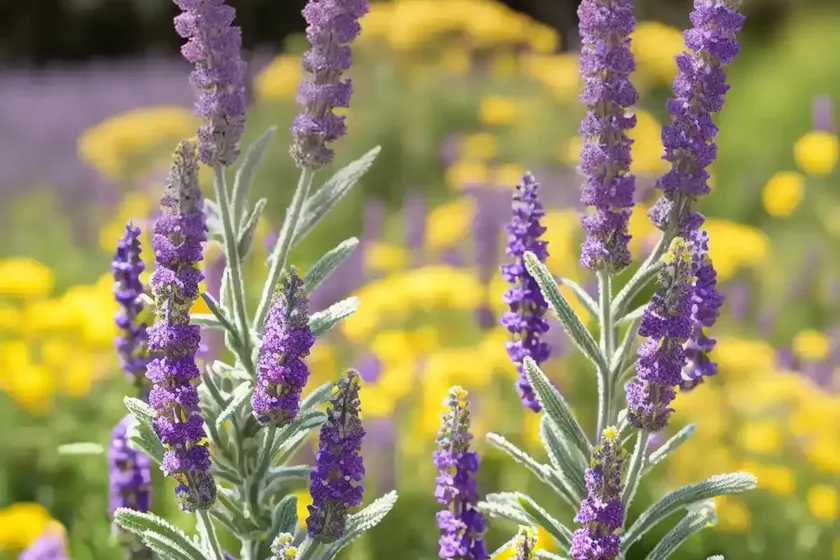
Verbascum ‘Lavender Lass’ is a stunning flowering plant that belongs to the Scrophulariaceae family, commonly referred to as the figwort family. This exquisite plant is native to Europe, Asia, and northern Africa, where it thrives in various habitats, including meadows, woodland edges, and disturbed areas. Mullein plants are recognized for their robust, erect growth habit and striking, densely clustered, and delicately scented flowers.
Key Takeaways – Verbascum ‘Lavender Lass’ (Mullein)
Before we embark on a journey to explore the intricate details of Verbascum ‘Lavender Lass’ (Mullein), let’s highlight some key takeaways about this captivating plant:
- Scientific Name: Verbascum ‘Lavender Lass’
- Common Name: Mullein
- Flower Color: Lavender
- Plant Type: Perennial
- Water Needs: Average
- Sunlight Requirements: Full sun to partial shade
- Soil Type: Well-drained
- Mature Height: 3 to 4 feet
- USDA Hardiness Zones: 4-9
Now, let’s delve deeper into the fascinating world of Verbascum ‘Lavender Lass’, exploring its culture, uses, care requirements, and much more.
Culture
Cultivating Verbascum ‘Lavender Lass’ requires attention to specific cultural practices to ensure optimal growth and flowering. Let’s explore some notable aspects of the cultural requirements for this magnificent plant.
Uses
Verbascum ‘Lavender Lass’ is a versatile plant with a wide range of uses, both practical and ornamental. Here are some significant applications of this plant:
- Medicinal Purposes: Mullein has a rich history of use in herbal medicine. Its leaves are often used to prepare soothing teas, and it is believed to possess various therapeutic properties.
- Ornamental Landscaping: With its charming lavender flowers and striking foliage, Verbascum ‘Lavender Lass’ adds beauty and visual interest to garden beds, borders, and naturalistic landscapes.
- Wildlife Habitat: The nectar-rich flowers of Mullein attract pollinators such as bees and butterflies, contributing to biodiversity in the garden.
- Erosion Control: The deep taproot system of Mullein aids in stabilizing soil, making it beneficial for erosion control in certain landscapes.
Water
Proper watering is essential for the health and vitality of Verbascum ‘Lavender Lass’. While this plant demonstrates a level of drought tolerance once established, consistent moisture is crucial during its initial growth stages and periods of prolonged dryness.
- Watering Guidelines: Water newly planted Mullein regularly to encourage establishment. Once mature, water during dry spells, providing approximately 1-1.5 inches of water per week, including rainfall.
- Avoid Overwatering: Ensure that the soil is well-drained to prevent waterlogging, as excessive moisture can lead to root rot and other detrimental conditions.
Sunlight
In its natural habitat, Verbascum ‘Lavender Lass’ thrives in open, sunny locations, thereby exhibiting a preference for ample sunlight.
- Sun Exposure: Plant Mullein in a location that receives full sun to partial shade, ensuring that it receives at least 6 hours of direct sunlight per day.
- Optimal Growth: Adequate sunlight promotes robust growth and abundant flowering, enhancing the visual appeal of the plant.
Fertilizer
Fertilization plays a vital role in promoting the growth and overall health of Verbascum ‘Lavender Lass’. Utilize organic or balanced synthetic fertilizers to provide essential nutrients to the plant.
- Fertilizing Schedule: Apply a balanced, slow-release fertilizer in early spring to support vigorous growth and prolific flowering.
- Avoid Excessive Nitrogen: Refrain from using high-nitrogen fertilizers, as they can lead to excessive vegetative growth at the expense of flower production.
Soil
The soil composition significantly impacts the growth and performance of Verbascum ‘Lavender Lass’. Understanding the ideal soil conditions for Mullein is essential for successful cultivation.
- Well-Drained Soil: Plant Mullein in well-drained soil, as it is susceptible to root diseases in waterlogged conditions.
- Soil pH: Mullein prefers slightly alkaline to neutral soil with a pH range of 6.0 to 7.5. Conduct a soil test to assess and adjust the pH if necessary.
- Amendment: Incorporate organic matter such as compost into the soil at planting to enhance its fertility and structure.
Pruning
Pruning plays a crucial role in maintaining the form and health of Verbascum ‘Lavender Lass’. Proper pruning practices contribute to the longevity and vigor of the plant.
- Deadheading: Remove spent flower spikes to encourage continuous blooming and prevent self-seeding. Deadheading also promotes a tidy appearance.
- Biennial Pruning: Mullein is typically biennial, and some gardeners opt to remove the flowering spikes in the second year to prolong the plant’s lifespan and prevent self-seeding.
Propagation
Verbascum ‘Lavender Lass’ can be propagated through various methods, providing opportunities for gardeners to expand their Mullein collection or share this captivating plant with fellow enthusiasts.
- Division: Propagate Mullein through division in early spring or fall. Carefully separate the offsets and replant them in suitable locations.
- Seeding: Mullein readily self-seeds, producing ample seedlings. Collect the seeds and sow them in prepared seedbeds or containers in the desired location.
Container Popularity
The captivating allure of Verbascum ‘Lavender Lass’ extends to container gardening, offering an enchanting focal point on patios, balconies, and other urban spaces.
- Container Selection: Choose large, sturdy containers with adequate drainage holes to accommodate the robust growth habit of Mullein and prevent waterlogged soil.
- Potting Mix: Utilize well-draining, nutrient-rich potting mix for containers, providing a suitable growing medium for Verbascum ‘Lavender Lass’.
Common Diseases
Understanding the potential diseases that may affect Verbascum ‘Lavender Lass’ is essential for implementing preventive measures and timely interventions to safeguard the plant’s health.
Disease Diagnosis
Verbascum ‘Lavender Lass’ is relatively resistant to diseases under favorable growing conditions. However, it may be susceptible to the following issues:
- Powdery Mildew: A fungal disease that may occur in humid or poorly ventilated conditions, appearing as a powdery white coating on the foliage.
- Rust: Rust infections manifest as orange pustules on the undersides of leaves, potentially leading to defoliation and weakened plant vigor.
Preventive Measures
- Cultural Practices: Promote air circulation by providing adequate spacing between plants and avoid overhead watering to minimize disease incidence.
- Fungicidal Treatments: In severe cases, apply suitable fungicidal treatments to combat fungal diseases and protect the health of Verbascum ‘Lavender Lass’.
Common Pests
While Mullein is relatively resistant to many pests, it may occasionally encounter pest-related challenges that warrant attention and intervention.
- Aphids: These small, sap-sucking insects may infest Verbascum ‘Lavender Lass’, causing distorted growth and honeydew secretion. Manage aphid populations through natural predators or insecticidal control if necessary.
- Spider Mites: Spider mites are potential pests that can cause stippling on the foliage and weaken the plant. Regular monitoring and horticultural oils can help manage spider mite infestations.
Botanist’s Tips
As we conclude our exploration of Verbascum ‘Lavender Lass’, let’s summarise key insights and expert advice that can empower enthusiasts to cultivate and appreciate this remarkable plant.
- Environmental Adaptability: Verbascum ‘Lavender Lass’ exhibits impressive adaptability to various growing conditions, making it a resilient and reliable addition to gardens and landscape settings.
- Pollinator Support: Embrace Verbascum ‘Lavender Lass’ as a pollinator-friendly plant, promoting biodiversity and benefiting from the presence of bees, butterflies, and other beneficial insects attracted to its nectar-rich flowers.
- Ornamental Showcase: Capitalize on the ornamental beauty of Mullein to enhance garden aesthetics, whether through solitary plantings, massed displays, or mixed ornamental borders.
- Harvesting: Consider harvesting Mullein leaves for their potential use in herbal teas and medicinal preparations, utilizing the plant’s beneficial properties thought to soothe respiratory discomfort.
Fun Facts:
- The name “Mullein” is derived from the Latin word “Mollis,” meaning soft, which references the plant’s thick, velvety leaves.
- In traditional folklore, Mullein has been associated with various symbolic meanings and uses, serving as candle wicks, torches, and even spiritual protection in certain cultures.
In conclusion, Verbascum ‘Lavender Lass’ (Mullein) stands as not only an enchanting ornamental plant but also a valuable resource with diverse practical and ecological benefits. By understanding and embracing the unique characteristics and requirements of this plant, enthusiasts can cultivate and cherish Verbascum ‘Lavender Lass’ as a captivating addition to their horticultural endeavors.
If you are interested in exploring further information about Verbascum ‘Lavender Lass’, I recommend checking out the following external resources:
- Royal Horticultural Society – Verbascum ‘Lavender Lass’
- University of Vermont Extension – Growing Mullein
- Missouri Botanical Garden – Verbascum thapsus
- The Herb Society – Mullein
Happy gardening, and may your journey with Verbascum ‘Lavender Lass’ be filled with delight and horticultural fulfillment!


