Verbascum Chaixii ‘Album’ (Nettle-Leaved Mullein)
Plants play an integral role in our lives, both aesthetically and functionally. They bring beauty to our surroundings and contribute to the environment’s.
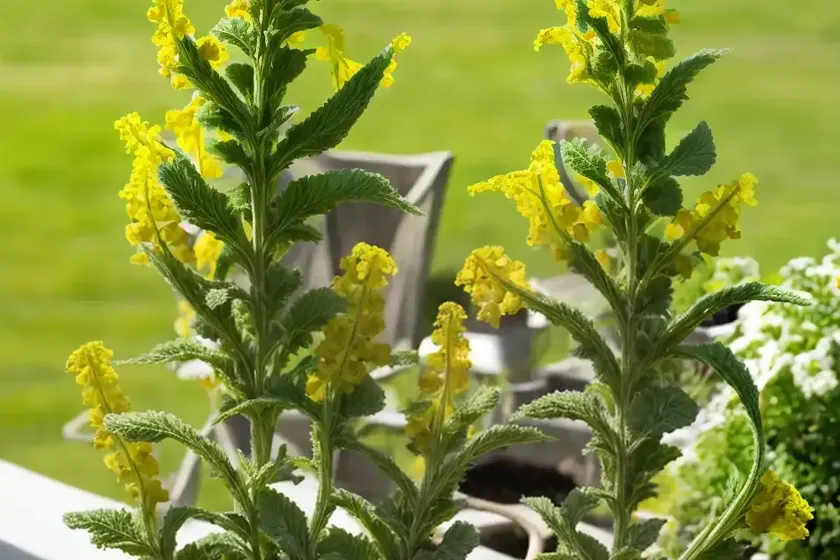
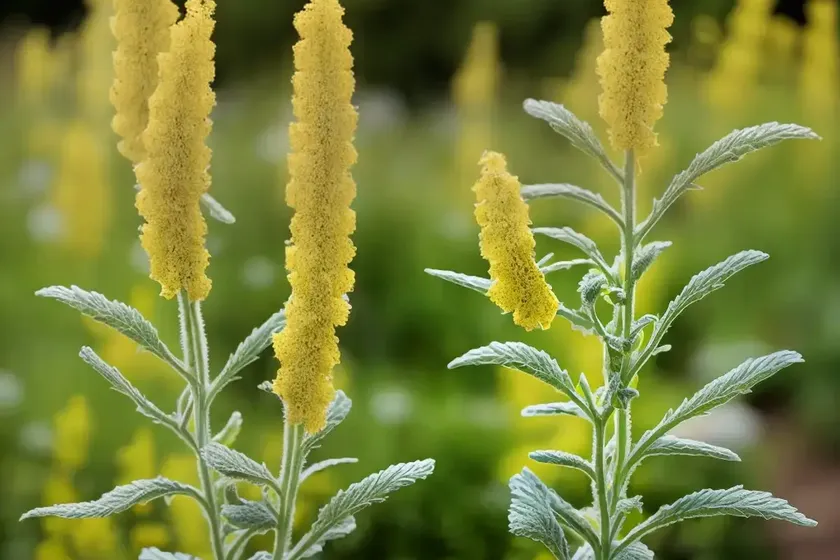
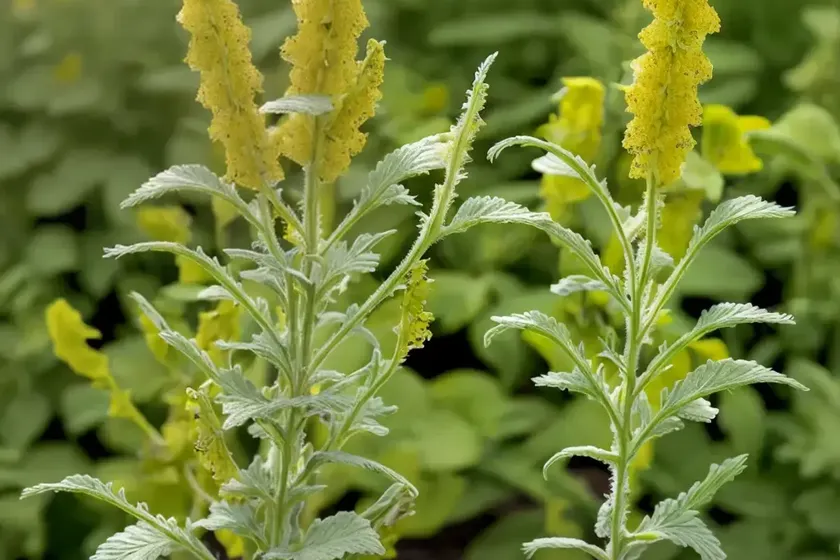
Plants play an integral role in our lives, both aesthetically and functionally. They bring beauty to our surroundings and contribute to the environment’s health. In this comprehensive guide, we will delve into the world of Verbascum chaixii ‘Album’ (Nettle-Leaved Mullein), exploring its characteristics, cultivation, maintenance, and much more. Whether you’re an experienced gardener or a novice plant enthusiast, this guide is designed to provide you with valuable insights into the world of Nettle-Leaved Mullein.
What is Verbascum chaixii ‘Album’ (Nettle-Leaved Mullein)?
Verbascum chaixii ‘Album’ is a species of mullein known for its delicate, nettle-like leaves and elegant flower spikes. This perennial plant belongs to the Scrophulariaceae family and is native to Europe and Asia. It is widely cultivated for its ornamental value, attracting pollinators with its vibrant blossoms.
This plant’s botanical name, Verbascum chaixii, is derived from the Latin word “barbascum,” which means “with a beard,” alluding to the characteristic hairy appearance of the plant. The specific epithet “chaixii” pays homage to the 18th-century French botanist, Sébastien Chaix.
Key Takeaways – Verbascum chaixii ‘Album’ (Nettle-Leaved Mullein)
Before we delve into the specifics of cultivating and caring for Nettle-Leaved Mullein, let’s highlight some key takeaways:
- Common Name: Nettle-Leaved Mullein
- Botanical Name: Verbascum chaixii ‘Album’
- Family: Scrophulariaceae
- Native Region: Europe and Asia
- Ornamental Features: Delicate foliage, elegant flower spikes
- Uses: Ornamental gardening, attracting pollinators
Now that we have a foundational understanding of Verbascum chaixii ‘Album let’s explore its cultivation, maintenance, and various aspects that contribute to its thriving.
Culture
Understanding the cultural requirements of Verbascum chaixii ‘Album’ is essential for its successful growth and development. Here are the key aspects to consider regarding its culture:
Uses
Verbascum chaixii ‘Album’ is primarily cultivated for ornamental purposes in gardens and landscapes. Its stunning flower spikes make it an attractive addition to flower borders, cottage gardens, and naturalistic landscapes. Additionally, the plant’s ability to attract pollinators makes it a valuable asset to any garden ecosystem.
Water
Nettle-Leaved Mullein is relatively drought-tolerant once established, making it suitable for regions with limited water availability. However, during the initial stages of growth and in prolonged dry spells, regular watering is essential to promote healthy growth and flowering.
Sunlight
This plant thrives in full sun to partial shade, preferring at least 6 hours of sunlight per day. Adequate sunlight exposure is crucial for robust growth and prolific flowering.
Fertilizer
Verbascum chaixii ‘Album generally thrives in moderately fertile soil and doesn’t have excessive fertilizer requirements. A balanced, all-purpose fertilizer applied during the growing season can support healthy growth and flowering.
Soil
Well-draining, loamy soil is ideal for Nettle-Leaved Mullein. It adapts well to various soil types, including sandy and rocky soils, but it’s important to ensure good drainage to prevent waterlogging, which can adversely impact the plant’s health.
Pruning
Pruning can help maintain the plant’s shape and appearance while also encouraging additional flowering. Deadheading spent blossoms can prolong the flowering period, and removing any damaged or diseased foliage is essential for overall plant health.
Propagation
Verbascum chaixii ‘Album’ can be propagated through several methods, including seed sowing, division, and stem cuttings. Each method has its own requirements and best practices, offering flexibility to gardeners and propagators.
Container Popularity
Nettle-Leaved Mullein is well-suited for container gardening, adding vertical interest and visual appeal to outdoor spaces. When grown in containers, it’s crucial to ensure proper drainage and adequate space for the plant’s root system to thrive.
Common Diseases
While Nettle-Leaved Mullein is relatively resilient, it is susceptible to certain diseases that can impact its overall vitality. Understanding these common diseases and their diagnosis is essential for effective management.
Disease Diagnosis
Common diseases that may affect Verbascum chaixii ‘Album’ include powdery mildew and rust. These fungal diseases can manifest as powdery white spots on the foliage or rusty-colored lesions, respectively. Timely identification and appropriate interventions are essential to prevent the spread of these diseases.
Common Pests
In addition to diseases, Nettle-Leaved Mullein may encounter pests that can compromise its health and appearance. Here are some common pests to watch out for:
- Aphids: These tiny, sap-sucking insects can congregate on the plant’s tender growth, potentially causing distortion and yellowing of the leaves.
- Snails and Slugs: These mollusks can feed on the plant’s foliage, leaving behind chewed edges and holes.
Regular inspection and proactive pest management can help mitigate potential damage caused by these pests.
Botanist’s Tips
Gardening experts and botanists offer valuable insights into the successful cultivation and maintenance of plants like Verbascum chaixii ‘Album. Here are some tips to consider:
- Companion Plants: Pair Nettle-Leaved Mullein with other sun-loving perennials such as lavender, Russian sage, and coneflowers to create visually appealing and ecologically beneficial garden beds.
- Pollinator Attractor: The vibrant flowers of Nettle-Leaved Mullein are excellent for attracting pollinators, making it a valuable addition to pollinator gardens and wildlife-friendly landscapes.
Fun Facts
To enrich your understanding and appreciation of Verbascum chaixii ‘Album, here are some intriguing and fun facts about the plant:
- The common name “mullein” is thought to have originated from the Latin word “mollis,” which means “soft,” referring to the plant’s velvety leaves.
- Nettle-Leaved Mullein has a long history of medicinal use, with various parts of the plant being employed in traditional herbal remedies for respiratory issues and skin conditions.
Now that we’ve explored the various facets of Verbascum chaixii ‘Album, it’s important to access additional resources for continued learning and practical implementation in gardening and landscaping.


