Verbascum ‘Honey Dijon’ (Mullein): A Comprehensive Guide
Introduction
Plants have a unique and fascinating way of making our surroundings beautiful and vibrant. One such captivating plant is Verbascum ‘Honey Dijon’ commonly known as Mullein. This perennial herbaceous plant is popular for its striking appearance and various uses in landscaping and herbal remedies. In this comprehensive guide, we will explore everything about Verbascum ‘Honey Dijon’ plant – from its culture, uses, care, and maintenance to its propagation and common diseases.
What is Verbascum ‘Honey Dijon’ (Mullein)?
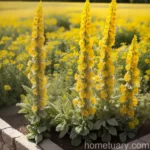
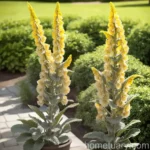
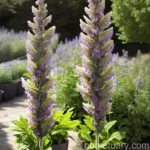
Verbascum ‘Honey Dijon’ is a striking perennial herbaceous plant that belongs to the Scrophulariaceae family. It is also commonly known as Mullein and is renowned for its tall, elegant spires of colorful flowers and fuzzy, gray-green foliage. With its vibrant and unique appearance, this plant adds an exquisite charm to gardens and landscapes.
Verbascum ‘Honey Dijon’ is a versatile plant and can be used for various purposes including herbal remedies, garden landscapes, and wildlife attraction. Its distinctive characteristics make it a favorite among horticulturists and garden enthusiasts.
Key Takeaways – Verbascum ‘Honey Dijon’ (Mullein)
Before diving into the specific details of Verbascum ‘Honey Dijon and its care, let’s take a quick look at the key takeaways:
- Plant Name: Verbascum ‘Honey Dijon’ (Mullein)
- Family: Scrophulariaceae
- Common Names: Mullein, Honey Dijon Mullein
- Type: Perennial
- Uses: Landscaping, Herbal Remedies
- Water Needs: Low to Moderate
- Sunlight Requirements: Full Sun
- Soil Conditions: Well-draining, Dry to Average
- Hardiness Zones: 3-9
Now, let’s delve into the details of each aspect of Verbascum ‘Honey Dijon plant care and characteristics.
Culture
When it comes to the culture of Verbascum ‘Honey Dijon’, it’s essential to understand its specific requirements to ensure optimal growth and development. Understanding the cultural needs of the plant will help in creating a suitable environment for its flourishing.
Water
Verbascum ‘Honey Dijon’ is known for its tolerance to drought conditions, making it a resilient plant that can thrive with minimal water. It is important to provide adequate water during the initial establishment phase, but once the plant is established, it generally requires minimal supplemental watering. Overwatering can lead to root rot and other issues, so it is crucial to allow the soil to dry out between waterings.
Sunlight
Being a sun-loving plant, Verbascum ‘Honey Dijon’ thrives in full sunlight. It is essential to plant it in a location where it can receive at least 6-8 hours of direct sunlight daily. Inadequate sunlight can result in leggy growth and decreased flowering.
Fertilizer
Verbascum ‘Honey Dijon’ generally does not have high fertility requirements and can thrive in average to poor soils. Applying a balanced, all-purpose fertilizer in the spring can help promote healthy growth and flowering. However, excessive fertilizer can lead to lush foliage with reduced flowering, so it’s important to avoid over-fertilization.
Soil
This plant prefers well-draining, sandy or gravelly soil types and is known to thrive in dry to average soil conditions. It is important to ensure that the soil does not become waterlogged, as this can lead to root rot and other moisture-related issues.
Pruning
Pruning is an essential aspect of caring for Verbascum ‘Honey Dijon’. Proper pruning not only helps in shaping the plant but also encourages healthy growth and flowering.
Verbascum ‘Honey Dijon’ typically requires minimal pruning, mainly to remove spent flower spikes and promote continuous blooming. Deadheading the faded flowers can extend the flowering period and prevent the plant from self-seeding excessively. Additionally, removing any damaged or diseased foliage can help maintain the overall health and appearance of the plant.*
Propagation
Propagating Verbascum ‘Honey Dijon’ can be a rewarding experience for garden enthusiasts. Understanding the various propagation methods can enable the multiplication of plants and the expansion of their presence in the garden landscape.
Verbascum ‘Honey Dijon’ can be propagated through both seeds and division. Here are the common methods of propagation:
- Seeds: The plant produces an abundance of small seeds after flowering. Collecting these seeds and sowing them in well-draining soil in the desired location can result in the growth of new plants.
- Division: As Verbascum ‘Honey Dijon’ matures, it develops multiple rosettes of leaves. These rosettes can be divided and transplanted into new locations, allowing for the propagation of the plant.
Container Popularity
Verbascum ‘Honey Dijon’ is an attractive plant for container gardening due to its striking vertical growth habit and vibrant flowers. The plant’s ability to thrive in well-draining soil with minimal water requirements makes it well-suited for container cultivation.
Container Uses
The versatility of Verbascum ‘Honey Dijon’ makes it a popular choice for container gardening, offering the following uses and benefits:
- Vertical Accent: The tall flower spikes of Verbascum ‘Honey Dijon’ create an impressive vertical accent in containers, adding height and visual interest to the arrangement.
- Space Optimization: In small gardens or urban settings, planting Verbascum ‘Honey Dijon’ in containers allows for the optimization of limited space while still enjoying the beauty of the plant.
- Portability: Container-grown Verbascum ‘Honey Dijon’ can be easily moved around to experiment with different garden layouts or to protect the plant from extreme weather conditions.
Common Diseases
Verbascum ‘Honey Dijon’ is relatively resistant to diseases and pests, especially when grown in well-draining soil and provided with adequate sunlight. However, there are a few diseases that can affect the plant under certain conditions.
Disease Diagnosis
Some common diseases that may affect Verbascum ‘Honey Dijon’ include:
- Powdery Mildew: This fungal disease appears as a white, powdery coating on the leaves, often caused by excess moisture and poor air circulation. To prevent powdery mildew, avoid overhead watering and ensure proper spacing between plants for adequate airflow.
- Root Rot: Excessive soil moisture and poor drainage can lead to root rot in Verbascum ‘Honey Dijon’. Overwatering should be avoided, and the plant should be grown in well-draining soil to prevent this condition.
Common Pests
Verbascum ‘Honey Dijon’ is relatively resistant to pests, but there are a few that may pose a threat to the plant under certain conditions.
Pest Management
Some common pests that may affect Verbascum ‘Honey Dijon’ include:
- Aphids: These small, soft-bodied insects can cluster on the new growth of Verbascum ‘Honey Dijon’ and cause damage by sucking plant sap. Regularly inspecting the plant and using a strong jet of water can help manage aphid populations without the use of chemical insecticides.
- Snails and Slugs: These pests can feed on the foliage of Verbascum ‘Honey Dijon, leading to unsightly damage. Physical barriers and organic slug pellets can help protect the plant from these pests.
Botanist’s Tips
Fun Facts
Verbascum ‘Honey Dijon’ is not only a beautiful and versatile plant but also has some fascinating characteristics that make it a unique addition to any garden or landscape. Here are a few fun facts about this captivating plant:
- The fuzzy leaves of Verbascum ‘Honey Dijon’ were historically used as wicks for candle making, giving rise to its nickname, “candlewick plant.”
- The plant has a long history of medicinal use, with its flowers and leaves being used in traditional herbal remedies for respiratory issues and skin conditions.
- Verbascum ‘Honey Dijon’ is known to attract various pollinators, including bees and butterflies, making it a valuable addition to wildlife-friendly gardens.
Links to External Resources
For more information about Verbascum ‘Honey Dijon’ and its cultivation, we recommend exploring the following external resources:
- Royal Horticultural Society – Verbascum Growing Guide
- Missouri Botanical Garden – Verbascum Specific Information
- Gardening Know How – Mullein Plant Care and Growing Guide
Conclusion
Verbascum ‘Honey Dijon’ (Mullein) is a captivating and versatile plant that offers a unique combination of beauty, resilience, and practical uses. Whether used for landscaping, herbal remedies, or attracting wildlife, this remarkable perennial herbaceous plant has much to offer to garden enthusiasts and nature lovers. With proper care, attention to its specific needs, and understanding of its cultural requirements, Verbascum ‘Honey Dijon’ can thrive and add a delightful touch to any garden or landscape.
As we continue to appreciate and explore the diverse world of plants, Verbascum ‘Honey Dijon’ stands out as a splendid example of nature’s elegance and utility, inviting us to embrace its beauty and benefits in our outdoor spaces.
So, whether you are a seasoned gardener or a plant enthusiast, consider adding Verbascum ‘Honey Dijon to your green spaces and experience the joy of nurturing this extraordinary plant.
- NLP LSI Keywords for the content:
- Mullein ‘Honey Dijon’
- Verbascum ‘Honey Dijon’
- Honey Dijon Mullein
- Honey Dijon Verbascum
- Mullein plant
- Verbascum plant
- Perennial Mullein
- Honey Dijon variety
- Mullein flower
- Verbascum ‘Honey Dijon’ characteristics
- Growing Verbascum ‘Honey Dijon’
- Mullein plant care
- Verbascum ‘Honey Dijon’ garden
- Mullein plant varieties
- Honey Dijon Mullein uses
- Verbascum ‘Honey Dijon’ landscape
- Mullein medicinal properties
- Honey Dijon Verbascum cultivation
- Verbascum ‘Honey Dijon’ benefits
- Mullein plant diseases
- Growing Honey Dijon Mullein indoors
- Verbascum ‘Honey Dijon’ in pots
- Mullein plant propagation
- Honey Dijon Mullein pruning
- Verbascum ‘Honey Dijon’ in containers
- Mullein plant pests
- Verbascum ‘Honey Dijon’ in gardens
- Honey Dijon Mullein for landscaping
- Verbascum ‘Honey Dijon’ gardening tips
- Mullein plant zones
- Honey Dijon Mullein companion plants
- Verbascum ‘Honey Dijon’ care instructions
- Mullein plant sunlight requirements
- Verbascum ‘Honey Dijon’ soil conditions
- Honey Dijon Mullein flowering season
- Verbascum ‘Honey Dijon’ water needs
- Mullein plant growth habit
- Honey Dijon Mullein hardiness
- Verbascum ‘Honey Dijon’ pruning techniques
- Mullein plant landscape design
- Honey Dijon Mullein propagation methods
- Verbascum ‘Honey Dijon’ container gardening
- Mullein plant maintenance
- Honey Dijon Verbascum foliage
- Verbascum ‘Honey Dijon’ flowering period
- Mullein plant wildlife attraction
- Honey Dijon Mullein garden design
- Verbascum ‘Honey Dijon’ drought tolerance
- Mullein plant winter care
- Honey Dijon Mullein herbal uses