Verbascum ‘Southern Charm’ (Mullein)
Verbascum ‘Southern Charm’, commonly known as Mullein, is a striking perennial plant that is prized for its tall flower spikes adorned with delicate.
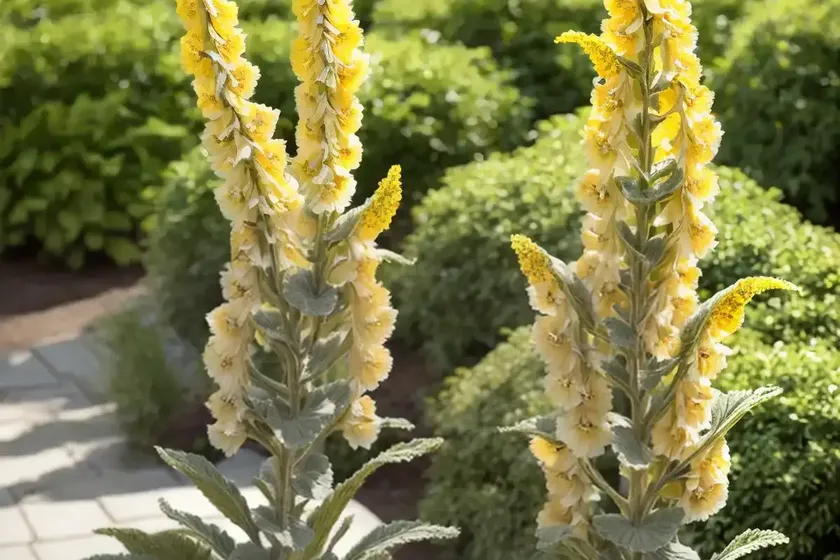
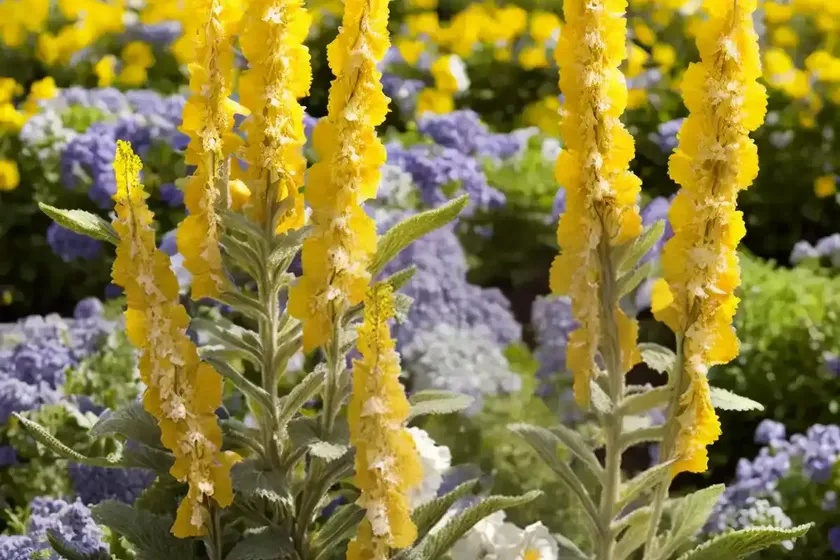
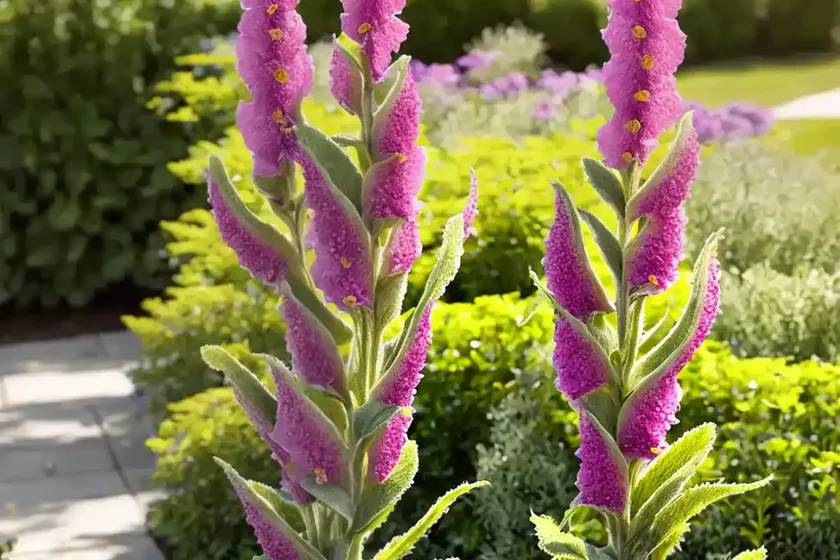
Verbascum ‘Southern Charm’, commonly known as Mullein, is a striking perennial plant that is prized for its tall flower spikes adorned with delicate, pastel-colored blossoms. This plant belongs to the Scrophulariaceae family and is native to Europe and Asia. Verbascum ‘Southern Charm’ is a valuable addition to any garden and landscape, providing visual interest, as well as attracting pollinators and wildlife.
In this comprehensive guide, we will delve into the world of Verbascum ‘Southern Charm’, exploring its cultivation, care, uses, and much more. Whether you are a novice gardener or an experienced botanist, this article aims to provide you with valuable insights into the enchanting world of Mullein.
Key Takeaways – Verbascum ‘Southern Charm’ (Mullein)
Before we dive into the details, let’s outline the key takeaways of Verbascum ‘Southern Charm’, providing a concise overview of the plant and its essential characteristics.
- Scientific Name: Verbascum ‘Southern Charm’
- Common Name: Mullein
- Family: Scrophulariaceae
- Native To: Europe and Asia
- Plant Type: Perennial
- Flower Colors: Pastel hues including apricot, peach, and cream
- Sunlight Requirements: Full sun
- Watering Needs: Moderate
- Soil Preferences: Well-draining, average fertility
- Hardiness Zones: 5-9
- Height: 3-4 feet
- Uses: Ornamental, medicinal
- Attracts: Pollinators and wildlife
Now, let’s explore each aspect of Verbascum ‘Southern Charm’ in detail, uncovering its cultivation, care, uses, and characteristics.
Plant Description: Verbascum ‘Southern Charm’
Description
Verbascum ‘Southern Charm’ is a statuesque perennial plant that forms a basal rosette of large, silvery-green, felted leaves. As the season progresses, tall flower spikes emerge, reaching a height of 3 to 4 feet. The standout feature of Verbascum ‘Southern Charm’ is its enchanting array of pastel-colored blossoms, delicately arranged along the robust stems. The flowers boast shades of apricot, peach, cream, and soft yellow, creating a captivating display in the garden.
Growing Verbascum ‘Southern Charm’
Culture
Cultivating Verbascum ‘Southern Charm’ is relatively straightforward, and this resilient plant thrives in various growing conditions. Understanding its specific requirements is crucial for ensuring its optimal development and prolific flowering.
Uses
Verbascum ‘Southern Charm’ has several uses, ranging from ornamental to medicinal. It is primarily grown for its striking appearance and its ability to attract beneficial insects and wildlife.
Water
While Verbascum ‘Southern Charm’ has moderate water needs, it appreciates well-drained soil and benefits from consistent moisture, particularly during its establishment phase and periods of drought.
Sunlight
This sun-loving plant thrives in full sunlight, requiring at least 6-8 hours of direct sun exposure daily to promote healthy growth and abundant flowering.
Fertilizer
Verbascum ‘Southern Charm’ generally does not require heavy fertilization. Incorporating organic matter into the soil before planting and providing a light application of balanced fertilizer in early spring can support the plant’s growth.
Soil
The ideal soil for Verbascum ‘Southern Charm’ is well-draining and of average fertility. It adapts well to various soil types, including loamy or sandy soils, as long as they offer good drainage.
Pruning
Pruning Verbascum ‘Southern Charm’ primarily involves deadheading spent flowers to prolong the blooming period and prevent self-seeding. Additionally, removing any damaged or diseased foliage can contribute to the plant’s overall health and appearance.
Propagation
Propagating Mullein can be achieved through several methods, including seed sowing and division. Each approach has its own set of considerations and is influenced by the desired outcome and available resources.
Container Popularity
Verbascum ‘Southern Charm’ is well-suited for container gardening, adding vertical interest and an array of colors to patio spaces, balconies, and other outdoor areas with limited ground space.
Common Diseases
Disease Diagnosis
Understanding the common diseases that affect Verbascum ‘Southern Charm’ is crucial for implementing preemptive measures and managing any potential outbreaks effectively.
Common Pests
Botanist’s Tips
As a Plant Scientist, I would like to offer some valuable tips for successfully growing and caring for Verbascum ‘Southern Charm’. These insights are based on scientific knowledge and practical experience, aiming to enhance your enjoyment and success with this captivating plant.
Fun Facts
Exploring the intriguing world of plants often unveils a treasure trove of peculiar and fascinating facts. Let’s uncover some captivating fun facts about Verbascum ‘Southern Charm’ and its unique characteristics.
Links to External Resources
Plant Name: “Verbascum ‘Southern Charm’ (Mullein)”
- Royal Horticultural Society – Verbascum ‘Southern Charm’
- Missouri Botanical Garden – Verbascum ‘Southern Charm’
This comprehensive guide aims to provide a valuable resource for plant enthusiasts, gardeners, and botanists, offering insights into the cultivation, care, and characteristics of Verbascum ‘Southern Charm’. Whether you are looking to adorn your garden with its enchanting flower spikes or discover its medicinal uses, this article equips you with the knowledge to cultivate, appreciate, and benefit from this remarkable plant.
Conclusion
In concluding the blog post, we have explored the captivating world of Verbascum ‘Southern Charm’, unraveling its cultivation, care, and uses. By understanding its specific requirements and characteristics, you can embark on a journey to incorporate this charming plant into your garden, enhancing its aesthetic appeal and ecological value. Whether you are drawn to its pastel-colored blooms, its ability to attract pollinators, or its medicinal potential, Verbascum ‘Southern Charm’ stands as an enchanting addition to any landscape.
References
- Grey-Wilson, C. (2014). RHS Gardening Through the Year: Month-by-month Planning Instructions and Inspiration. New York, NY: DK.
- Christopher Brickell, H. (2016). RHS A-Z Encyclopedia of Garden Plants (4th ed.). London: DK.
- Companion Plants Database. (n.d.). Retrieved from https://www.companionplants.com/
- Bees, Wasps, Ants & Flies, Planting Guide by Agricultural Research Council. (n.d.). Retrieved from http://www.arc.agric.za/home.asp?pid=3880
- Van Wyk, B.-E. (2008). Medicinal Plants of the World. Portland, OR: Timber Press.


