Vanhoutte Spirea (Spiraea X Vanhouttei)
Plants are not just a source of beauty but also an essential part of life on our planet, providing oxygen, food, and numerous other resources. Vanhoutte.
Introduction
Plants are not just a source of beauty but also an essential part of life on our planet, providing oxygen, food, and numerous other resources. Vanhoutte spirea (Spiraea x vanhouttei), a member of the Rosaceae family, is one such plant that adds both aesthetic value and ecological benefits to the environment. In this extensive guide, we will delve into the various aspects of Vanhoutte spirea, from its cultivation and uses to its role in landscapes and the broader ecosystem.
What is Vanhoutte Spirea (Spiraea x vanhouttei)?
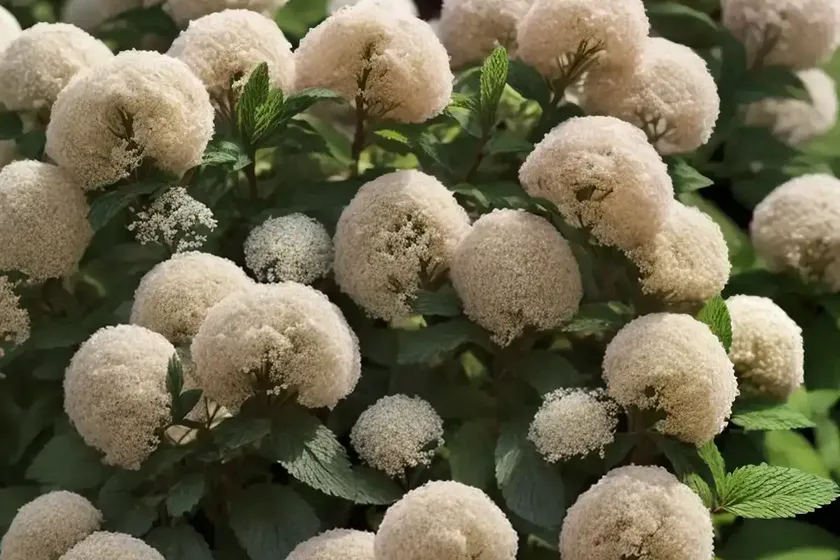
Vanhoutte spirea, scientifically known as Spiraea x vanhouttei, is a deciduous flowering shrub that is a hybrid species derived from cross-breeding Spiraea cantoniensis and Spiraea trilobata. This beautiful ornamental shrub is renowned for its abundant clusters of tiny, white flowers that adorn its arching branches during the spring season. The botanical name of this plant is often attributed to the Belgian nurseryman, Louis van Houtte, reflecting its historical significance and recognition in the world of horticulture.
Key Takeaways
- Common Names: Vanhoutte spirea, Bridal Wreath
- Scientific Name: Spiraea x vanhouttei
- Family: Rosaceae
- Type: Deciduous flowering shrub
- Uses: Ornamental purposes in landscaping
- Flowering Season: Spring
- Sunlight Needs: Full sun to partial shade
- Watering: Moderate
- Soil Type: Well-drained, fertile soil
- Pruning: Regular maintenance pruning
- Propagation: By hardwood cuttings or division
- Pests: Susceptible to aphids and spider mites
- Diseases: Prone to powdery mildew and leaf spots
Now, let’s dive deeper into the culture, uses, and various aspects of caring for Vanhoutte spirea.
Culture
Water
Vanhoutte spirea thrives in moderately moist soils but is tolerant of short periods of drought once established. Adequate watering is crucial, particularly during the initial establishment phase and in periods of prolonged dryness. However, it’s essential to avoid overwatering, as excessive moisture can lead to root rot and other detrimental conditions. Providing a consistent supply of water, especially during the flowering and active growth periods, can contribute to healthy foliage and prolific blooming.
Sunlight
In terms of sunlight requirements, Vanhoutte spirea performs best in full sun to partial shade conditions. When planted in full sun, it tends to produce more abundant flowers and exhibit a more compact growth habit. However, it can also tolerate partial shade, making it a versatile choice for different landscape settings.
Fertilizer
Proper fertilization contributes to the overall health and vigor of Vanhoutte spirea. A balanced, slow-release fertilizer applied in early spring can support robust growth and abundant flowering. Additionally, incorporating organic matter into the soil during planting or as a top dressing in subsequent years can enhance the nutrient content and structure of the soil, promoting the long-term health of the plant.
Soil
The ideal soil for Vanhoutte spirea is well-drained and fertile, with a slightly acidic to neutral pH. Amending heavy clay soils with organic matter such as compost or peat moss can improve drainage and create a more hospitable environment for the plant’s roots. Furthermore, maintaining a layer of mulch around the base of the shrub can help conserve soil moisture, regulate soil temperature, and inhibit weed growth.
Pruning
Pruning is an essential aspect of Vanhoutte spirea maintenance, aiding in shaping the plant, removing dead or damaged branches, and stimulating new growth. The best time for pruning Vanhoutte spirea is immediately after the flowering period, typically in late spring or early summer. This timing allows the plant to develop new growth and set flower buds for the following year. Regular deadheading of spent flowers can also prolong the blooming season and encourage additional flowering.
Propagation
Vanhoutte spirea can be propagated through various methods, including hardwood cuttings and division. Hardwood cuttings, taken from mature stems in late autumn or winter, can be rooted in a well-draining potting medium to establish new plants. Additionally, the shrub’s natural tendency to produce suckers can be utilized to propagate new plants through division, especially during the dormant season.
Container Popularity
While Vanhoutte spirea is commonly grown in garden landscapes, it can also thrive in containers, making it an attractive option for patio gardens, balcony spaces, and other confined areas. When grown in containers, it’s essential to ensure adequate drainage and provide regular maintenance, including watering and fertilization, to support its growth and flowering.
Uses
Landscape Design
Vanhoutte spirea is widely utilized in landscape design for its ornamental qualities, including its abundant spring blooms and arching, cascading form. It serves as an excellent choice for border plantings, mass plantings, and mixed shrub borders, adding visual interest and a touch of elegance to the landscape. The cascading branches laden with white flowers create a picturesque effect, particularly when planted en masse or as a focal point in a garden bed.
Common Diseases
While Vanhoutte spirea is generally resilient, it may face certain disease challenges, including powdery mildew and leaf spots, particularly in humid or poorly ventilated conditions. Powdery mildew, characterized by a white powdery coating on the leaves, can be prevented by ensuring proper air circulation and avoiding overhead watering. Leaf spots, caused by various fungal pathogens, can be managed through sanitation, proper watering practices, and, if necessary, targeted fungicidal treatments.
Disease Diagnosis
When diagnosing diseases in Vanhoutte spirea, it’s essential to closely inspect the foliage for any signs of discoloration, spotting, or unusual growth. Additionally, monitoring environmental conditions and identifying any stress factors, such as excessive moisture or nutrient deficiencies, can help pinpoint the underlying cause of potential diseases. Seeking guidance from local agricultural extension services or professional horticulturists can aid in accurate diagnosis and informed management strategies.
Common Pests
Aphids and spider mites are among the common pests that may affect Vanhoutte spirea. Aphids, tiny sap-sucking insects, can distort new growth and excrete honeydew, leading to sooty mold development. Spider mites, often prevalent in hot and dry conditions, can cause stippling and webbing on the foliage. Regular monitoring and the use of natural predators, such as ladybugs and lacewings, can aid in controlling aphid populations, while maintaining adequate humidity levels can mitigate spider mite infestations.
Vanhoutte Spirea: Botanist’s Tips
To ensure the optimal health and beauty of Vanhoutte spirea, consider the following tips provided by botanists and horticultural experts:
-
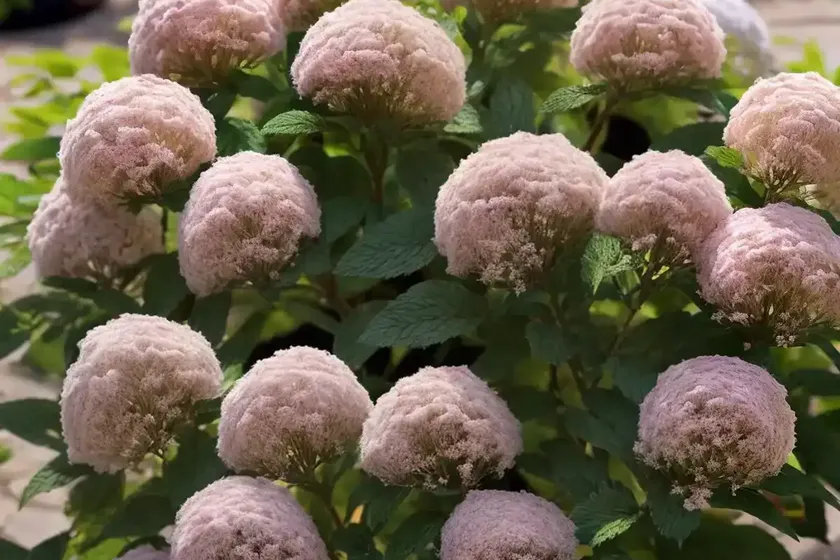
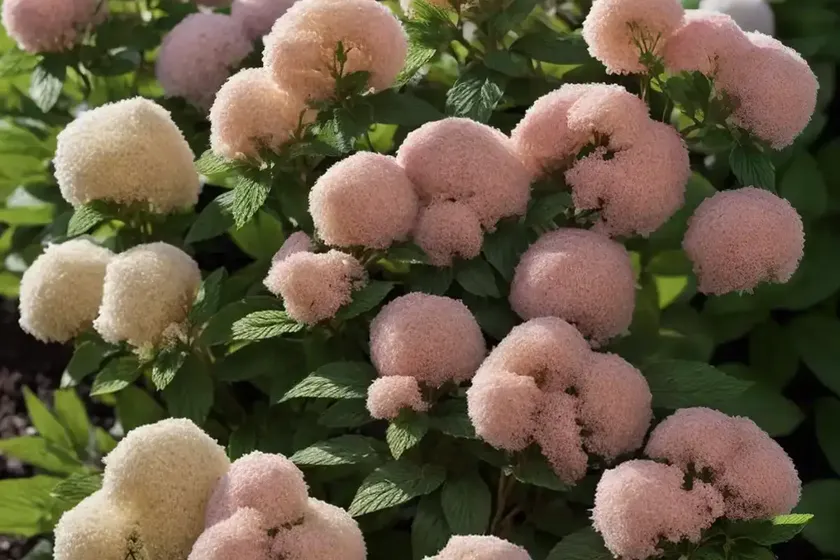
Selecting Varieties: There are several cultivated varieties of Vanhoutte spirea, each with unique characteristics such as flower color, growth habit, and foliage. When choosing a variety for a particular landscape setting, consider factors such as mature size, flowering intensity, and foliage color to best complement the overall design.
-
Mulching Practices: Applying a layer of organic mulch around the base of the shrub can aid in moisture retention, weed suppression, and the gradual enrichment of the soil as the mulch decomposes. However, it’s important to avoid piling mulch directly against the stem to prevent potential issues such as stem rot and pest harborage.
-
Seasonal Care: Tailoring care practices based on the seasonal demands of Vanhoutte spirea can contribute to its overall well-being. From dormant season pruning to spring fertilization and summer moisture management, aligning care routines with the plant’s natural growth cycles can optimize its performance in the landscape.
Fun Facts
- The Vanhoutte spirea is often referred to as the “Bridal Wreath” due to the stunning cascades of white flowers that resemble a bridal veil when in full bloom.
- In addition to its ornamental value, Vanhoutte spirea has historical significance, having been cultivated and cherished for generations in various parts of the world.
- The shrub’s ability to attract pollinators such as butterflies and bees further contributes to its ecological importance and role in supporting biodiversity.
Links to External Resources
For further reading and in-depth information on Vanhoutte spirea, consider exploring the following resources:
- Missouri Botanical Garden: Spiraea x vanhouttei
- RHS: Spiraea x vanhouttei
- University of Florida IFAS Extension: Vanhoutte Spirea
- Royal Horticultural Society: Plant Selector – Spiraea x vanhouttei
In conclusion, Vanhoutte spirea stands as a captivating and versatile addition to garden landscapes, offering not only aesthetic appeal but also ecological benefits. Its adaptability to varied growing conditions, coupled with its striking floral display and low maintenance requirements, makes it a favored choice among gardeners and landscapers. By understanding the cultural needs, uses, and botanist-recommended tips for Vanhoutte spirea, individuals can cultivate and appreciate this charming shrub while contributing to the beauty and biodiversity of their surroundings.
Whether it’s adorning a formal garden setting or enhancing the natural beauty of a wildscape, Vanhoutte spirea continues to captivate and inspire with its timeless elegance and enduring allure within the realm of ornamental plants.
Remember, the next time you stroll through a garden or park and encounter the graceful arching branches and dainty blossoms of Vanhoutte spirea, take a moment to appreciate the cultural significance and ecological role of this beloved flowering shrub.
Happy gardening!
This blog post is for informational purposes only and does not substitute professional advice. Always consult with a certified horticulturist or plant specialist before implementing any new cultivation or maintenance practices.


