Vaccinium Stamineum (Deerberry)
Vaccinium stamineum, commonly known as Deerberry, is a fascinating plant species native to North America. As a plant scientist, I have always been.
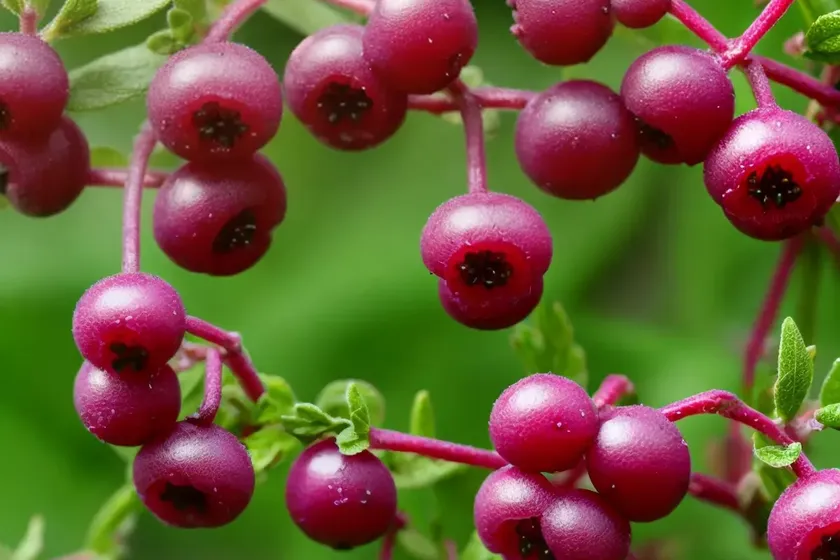
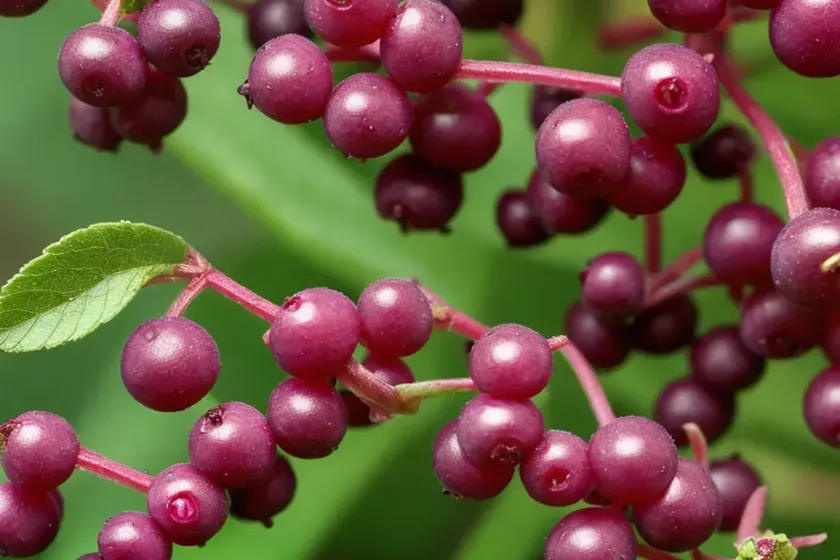
Vaccinium stamineum, commonly known as Deerberry, is a fascinating plant species native to North America. As a plant scientist, I have always been captivated by the unique characteristics and ecological significance of this remarkable plant. In this comprehensive guide, we will delve into the various aspects of Vaccinium stamineum, including its culture, uses, propagation, and much more. Whether you are a gardening enthusiast, a nature lover, or an aspiring botanist, this in-depth exploration of Deerberry will provide you with valuable insights into the world of this extraordinary plant.
What is Vaccinium stamineum (Deerberry)?
Vaccinium stamineum, a member of the Ericaceae family, is a deciduous shrub native to the eastern and central regions of North America. This versatile plant is known for its ecological importance, aesthetic appeal, and various traditional uses. With its intricate leaves, delicate flowers, and edible berries, Deerberry has secured its place as a significant component of its natural habitat and as a valuable addition to landscaping and horticulture.
Key Takeaways – Vaccinium stamineum (Deerberry)
To truly understand and appreciate the essence of Vaccinium stamineum, it is essential to explore its key characteristics and various aspects that contribute to its allure. Let’s delve into the core aspects of this enchanting plant.
Culture
- Natural Habitat: Deerberry is commonly found in dry or moist woods, open forests, and woodlands. It thrives in acidic, well-drained soils and is often part of the understory vegetation in these habitats.
- Cultivation: When cultivating Deerberry, it’s important to recreate its natural habitat as closely as possible. This includes providing the appropriate soil conditions, light exposure, and water regimen.
Uses
- Wildlife Attractant: The berries of Vaccinium stamineum serve as an important food source for various wildlife species, including birds and small mammals.
- Landscaping: With its ornamental qualities and ecological benefits, Deerberry is a valuable addition to native landscaping and wildlife gardens.
Water
- Watering Needs: Deerberry thrives in well-drained soils and generally prefers moderate moisture levels. However, it is relatively drought-tolerant once established and can withstand periods of low water availability.
Sunlight
- Light Requirements: Vaccinium stamineum thrives in partial shade to full sun, making it adaptable to a range of light conditions.
Fertilizer
- Nutrition Requirements: While Deerberry generally grows well in nutrient-poor soils, a light fertilization regimen may be beneficial, especially when grown in containers or in less fertile soil conditions.
Soil
- Soil Preferences: Deerberry prefers acidic, well-drained soils, often with high organic matter content. It is important to ensure that the soil pH is within the appropriate range for optimal growth.
Pruning
- Pruning Practices: Pruning can help shape the plant and promote air circulation. It is typically done in late winter or early spring before new growth emerges.
Propagation
- Vegetative Propagation: Deerberry can be propagated through stem cuttings or layering, offering an opportunity to expand its presence in various ecosystems and horticultural settings.
Container Popularity
- Container Gardening: Due to its adaptability, Deerberry can thrive in containers, making it a versatile choice for urban and small-space gardening.
Common Diseases
- Disease Susceptibility: Deerberry is generally resistant to most common diseases. However, it may be prone to certain fungal infections under conditions of high humidity and poor air circulation.
Disease Diagnosis
- Monitoring and Management: Regular observation and proactive measures can help prevent and address potential disease issues, minimizing their impact on the plant.
Common Pests
- Pest Resilience: Deerberry is relatively resistant to pests. However, occasional pest issues such as aphids or mites may arise, especially in stressed or crowded growing conditions.
Botanist’s Tips
- Observation: Close observation of the plant’s growth, flowering patterns, and ecological interactions can provide valuable insights into its overall well-being and ecological role.
Fun Facts
- Culinary Uses: Deerberry’s edible berries have been used in traditional cuisines and can be enjoyed fresh or processed into various culinary delights.
Now that we have gained an overview of the various facets of Vaccinium stamineum, let’s further explore its significance and intricacies.
Links to External Resources
In the following sections, we will delve deeper into the cultural, ecological, and horticultural aspects of Deerberry, offering a comprehensive perspective on its characteristics and essential care requirements.
Deerberry Plant Care Guide
Vaccinium stamineum, commonly known as Deerberry, exhibits a diverse range of characteristics and offers numerous benefits to both natural ecosystems and cultivated landscapes. Understanding its optimal care requirements is essential for promoting its health and maximizing its potential as an ornamental and ecological asset.
Growing Deerberry Plant
The successful cultivation of Deerberry begins with a thorough understanding of its growth preferences and essential care practices. By providing the appropriate environmental conditions and proactive maintenance, you can ensure the robust growth and vitality of this remarkable plant.
Deerberry Natural Habitat
Deerberry is predominantly found in dry or moist woodlands, open forests, and understory environments. These habitats often feature acidic, well-drained soils and provide partial shade, creating an ideal setting for the plant’s growth and development.
Deerberry Plant Description
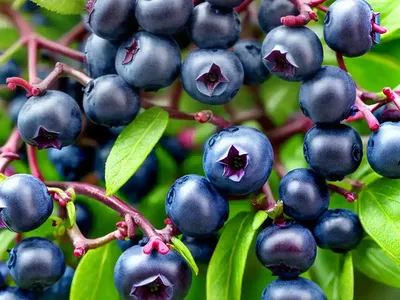
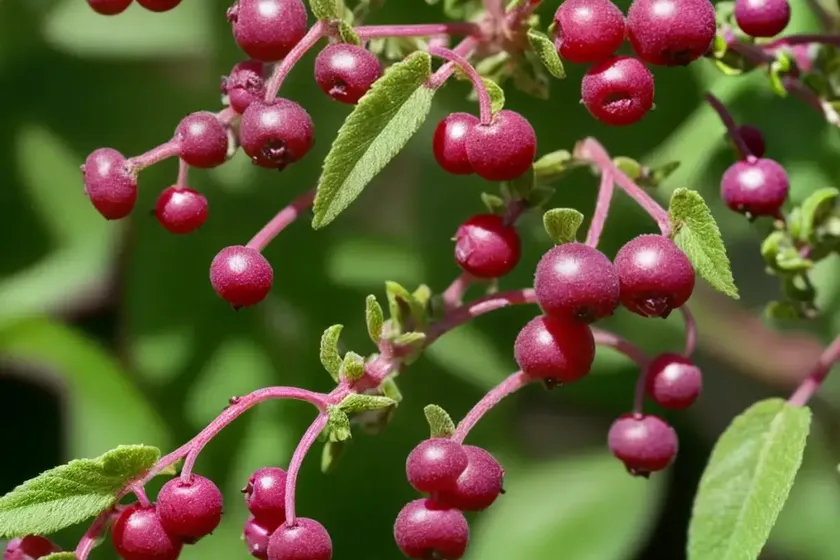
Morphology: Vaccinium stamineum is a deciduous shrub that typically grows to a height of 3 to 6 feet, though it can sometimes reach up to 10 feet under favorable conditions. It features slender stems, oval-shaped leaves, and delicate white or pinkish flowers that bloom in spring. The plant’s berries are small, round, and ripen to a dark purplish-black color.
Leaf Characteristics: The leaves of Deerberry are elliptic to ovate, alternating along the stem. They exhibit a glossy dark green color on the upper surface and a paler, matte green underside.
Deerberry Plant Varieties
While Deerberry is primarily recognized as a species with consistent traits, natural variations and adaptations may lead to some degree of diversity within the species. These variations can manifest in subtle differences in leaf size, flower color, or growth habit, contributing to the genetic richness of the plant.
Deerberry Plant Uses
The multifaceted uses of Deerberry encompass both ecological significance and practical applications, making it an invaluable component of natural ecosystems and human-inhabited landscapes.
Wildlife Food Source: The berries of Vaccinium stamineum serve as a crucial food source for various wildlife species, including birds, small mammals, and insects. This ecological function contributes to the overall biodiversity and ecological stability of forest ecosystems.
Landscaping and Gardening: In horticultural and landscaping contexts, Deerberry offers ornamental appeal, especially in native and wildlife-friendly garden designs. Its delicate flowers, vibrant foliage, and edible berries contribute to its aesthetic and ecological value.
Deerberry Plant Benefits
The cultivation and preservation of Deerberry offer a multitude of benefits, encompassing ecological, ornamental, and cultural dimensions that underscore its significance in various settings and contexts.
Biodiversity Support: By providing food and habitat for wildlife, Deerberry contributes to the overall biodiversity and ecological resilience of forested landscapes.
Ornamental Appeal: In landscaping and gardening, Deerberry adds visual interest through its seasonal variations, including flowering, fruiting, and fall foliage colors.
Deerberry Plant for Landscaping
As a landscape plant, Deerberry holds substantial appeal due to its versatile nature, offering ecological benefits, aesthetic allure, and low maintenance requirements.
Native Landscapes: In native and wildlife-oriented landscaping, Deerberry plays a key role in promoting biodiversity and establishing connections to the natural heritage of a region.
Wildlife Gardens: Deerberry serves as a cornerstone species in wildlife gardens, attracting and supporting a diverse array of fauna while creating a visually engaging and dynamic landscape.
Deerberry Plant Diseases
While Vaccinium stamineum is generally resilient to most common diseases, certain environmental conditions or stress factors may render it susceptible to specific ailments. Vigilance and proactive measures can help maintain the plant’s health and vitality.
Fungal Infections: In high humidity environments or crowded growing conditions, Deerberry may be vulnerable to fungal infections, including leaf spot diseases and powdery mildew.
Deerberry Plant Pests
Pest Resilience: Deerberry exhibits a commendable resilience to most pests, with minimal intervention required to manage potential infestations.
Aphids and Mites: Occasional pest issues, such as aphids or mites, may arise, particularly in stressed or crowded growing environments. Regular monitoring and appropriate interventions can effectively manage these challenges.
Deerberry Plant Propagation
Expanding the presence of Deerberry can be achieved through various propagation methods, offering opportunities to conserve its genetic diversity and enhance its ecological and horticultural significance.
Vegetative Propagation: Stem cuttings and layering represent effective approaches for propagating Deerberry, enabling the establishment of new individuals with genetic continuity to the parent plant.
Deerberry Plant Cultivation
Cultivating Deerberry involves creating and maintaining an environment that aligns with its natural habitat requirements while catering to its aesthetic and functional roles in designed landscapes.
Soil Preferences: Acidic, well-drained soils with ample organic matter content are ideal for Deerberry cultivation. The presence of ample moisture without waterlogging is essential for its optimal growth.
Light and Moisture: Deerberry thrives in partial shade to full sun conditions, with moderate moisture levels supporting its overall vigor and fruiting capabilities.
Deerberry Plant Pruning
Pruning Deerberry plays a pivotal role in shaping the plant, managing its growth, and supporting air circulation, thereby contributing to its overall health and aesthetic appeal.
Pruning Practices: Pruning is typically conducted in late winter or early spring before new growth emerges, focusing on the removal of dead or diseased branches, shaping the plant, and promoting a balanced growth structure.
Deerberry Plant Flowering and Fruiting
The seasonal cycles of flowering and fruiting are defining features of Deerberry, providing captivating displays of natural beauty and supporting vital ecological functions.
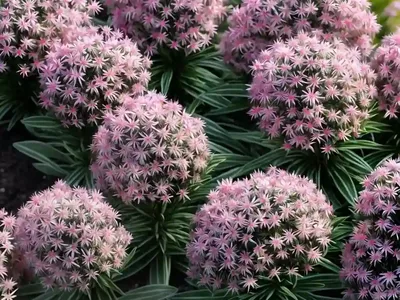
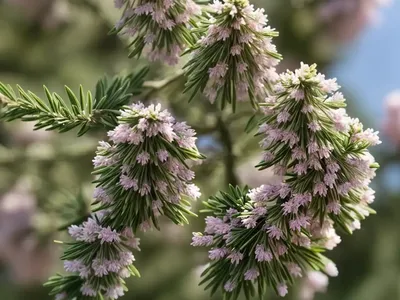
Flowering: The delicate white to pinkish flowers of Deerberry emerge in spring, offering an enchanting spectacle that attracts pollinators and sets the stage for the subsequent fruiting phase.
Fruiting: The small, dark purplish-black berries of Deerberry ripen in late summer to early fall, serving as a valuable food source for wildlife and, on occasion, culinary applications.
Deerberry Plant Nutrition Requirements
While Deerberry is adapted to nutrient-poor soils, ensuring adequate nutrition is essential for promoting its growth, resilience, and overall vitality.
Fertilization: In instances of nutrient deficiencies or suboptimal soil conditions, light fertilization with a balanced, acidic-formulated fertilizer can support the plant’s nutritional requirements.
Deerberry Plant Watering Needs
Balancing the water requirements of Deerberry entails providing sufficient moisture without leading to waterlogging, thereby supporting its growth and minimizing the risk of stress-related issues.
Moderate Moisture Levels: Deerberry generally thrives in moderate moisture levels, benefiting from consistent but not excessive watering, particularly during the establishment phase.
Deerberry Plant Soil Preferences
Creating an environment with the appropriate soil characteristics is paramount for the successful cultivation of Deerberry, ensuring that its root system receives the necessary support and conditions for growth.
Acidic, Well-Drained Soils: Deerberry favors acidic soils with a pH range of 4.5 to 5.5, characterized by good drainage and sufficient organic matter content.
Deerberry Plant Hardiness
Vaccinium stamineum exhibits a notable degree of hardiness, enabling it to withstand diverse environmental conditions and providing resilience in various settings.
Hardiness Zones: Deerberry is generally suited to USDA hardiness zones 4 to 8, displaying adaptability to a range of temperature and climatic variations within these zones.
Deerberry Plant Pollination
The process of pollination is integral to the reproductive cycle of Deerberry, as it facilitates the development of its fruits and sustains the genetic diversity of the plant.
Pollinator Diversity: Deerberry attracts a diverse array of pollinators, including bees, butterflies, and other insects, contributing to the pollination process and subsequent fruit formation.
Deerberry Plant Wildlife Attractant
The ecological role of Deerberry as a wildlife attractant underscores its significance in fostering diverse habitats and supporting the nutritional needs of various species.
Wildlife Food Source: Deerberry’s berries serve as an important food source for birds, small mammals, and insects, enriching the ecological web and promoting biodiversity.
Deerberry Plant Medicinal Properties
In addition to its ornamental and ecological value, Deerberry has been associated with various medicinal properties and traditional uses within certain cultural and historical contexts.
Historical Uses: Traditional medicinal applications of Deerberry have included the use of its leaves and berries in remedies for digestive ailments and other health-related concerns.
Deerberry Plant Culinary Uses
The edible berries of Deerberry have been incorporated into traditional cuisines and culinary practices, enriching the cultural and gastronomic heritage of certain regions.
Berry Utilization: Deerberry berries can be enjoyed fresh or processed into jams, jellies, and pies, offering a unique and flavorful addition to culinary creations.
Deerberry Plant Antioxidants
The berries of Vaccinium stamineum are recognized for their antioxidant properties, contributing to their nutritional and potential health benefits.
Antioxidant Content: Deerberry berries contain a range of antioxidants, highlighting their potential as a functional food with beneficial health attributes.
Deerberry Plant Folklore
Across different cultural contexts, Deerberry has been associated with various folklore, myths, and symbolic meanings, reflecting its enduring presence in human narratives and traditions.
Symbolism: The significance of Deerberry in folklore may vary, with interpretations encompassing themes of perseverance, natural bounty, and seasonal cycles.
Deerberry Plant History
Exploring the historical significance of Deerberry provides insights into its traditional uses, cultural associations, and ecological roles throughout different periods and landscapes.
Cultural Legacy: Deerberry has been woven into the historical fabric of regions where it is native, playing roles in traditional practices, dietary customs, and ecosystem interactions.
Deerberry Plant Traditional Uses
Numerous traditional practices have utilized Deerberry for its berries, leaves, and other plant parts, embodying the enduring relevance of this species within human-inhabited landscapes.
Herbal Remedies: Deerberry has been employed in traditional herbal remedies, featuring in formulations designed to address specific health concerns and promote well-being.
Deerberry Plant Conservation
The conservation of Deerberry is crucial for safeguarding its genetic diversity, ecological value, and cultural relevance, promoting its sustainable presence in future landscapes.
Habitat Preservation: Conserving the natural habitats of Deerberry and integrating it into sustainable land management practices are essential for ensuring its long-term viability.
Deerberry Plant for Birds
Deerberry’s status as a favored food source for various bird species underscores its role in promoting avian diversity and contributing to the ecological dynamics of forested landscapes.
Bird Habitat: By providing nourishment and shelter, Deerberry contributes to the ecological support system for birds, enhancing the overall habitat quality within forest ecosystems.
Deerberry Plant for Deer
In select habitats, Deerberry serves as an important browse and food source for deer, emphasizing its ecological importance within forested environments.
Deer Forage: Deerberry plays a role in sustaining deer populations, supporting their nutritional requirements and contributing to the intricate relationships within forest ecosystems.
Deerberry Plant Habitat Restoration
The inclusion of Deerberry in habitat restoration projects contributes to the overall ecological rehabilitation and resilience of natural landscapes.
Ecosystem Integration: Deerberry’s presence in habitat restoration endeavors enhances the diversity and functionality of ecosystems, promoting ecological balance and sustainability.
Deerberry Plant Ecosystem Benefits
The manifold ecological benefits of Deerberry encompass its role in promoting biodiversity, supporting wildlife populations, and enhancing the ecological integrity of natural landscapes.
Biodiversity Promotion: Deerberry contributes to the overall biodiversity of ecosystems, fostering interactions and relationships that sustain ecological balance and resilience.
Deerberry Plant for Wildlife Gardens
In wildlife-oriented garden designs, Deerberry constitutes a valuable addition, fostering connections with nature while providing habitat and food resources for various fauna.
Wildlife Habitat: Deerberry enriches the habitat value of wildlife gardens, offering nourishment and refuge for a diverse array of birds, insects, and small mammals.
Deerberry Plant Edible Berries
The edible berries of Deerberry are not only attractive to wildlife but also serve as a source of culinary delight and potential nutritional benefits for humans.
Culinary Applications: Deerberry berries can be utilized in an array of culinary creations, ranging from baked goods to preserves and beverages, showcasing their versatile potential.
Deerberry Plant Wildlife Food Source
The role of Deerberry as a wildlife food source extends to various species, highlighting its significance in sustaining the nutritional needs of diverse wildlife populations.
Ecological Nourishment: Deerberry’s berries offer vital nutrition for birds, small mammals, and insects, contributing to the overall health and vitality of forest ecosystems.
Deerberry Plant Landscape Design
In landscape design, Deerberry offers both aesthetic appeal and ecological functionality, presenting versatile opportunities for integrating it into various settings.
Native Landscapes: Deerberry complements native and naturalistic landscapes, enriching their biodiversity and cultural connections to the regional flora and fauna.
Deerberry Plant Native Habitat
Understanding Deerberry within the context of its native habitat is essential for appreciating its ecological requirements and promoting its sustainable integration in designed landscapes.
Ecological Context: By considering Deerberry in the context of its native habitat, landscape designs can effectively support its growth and ecological contributions.
Vaccinium stamineum Natural Range
The natural range of Vaccinium stamineum encompasses various regions within North America, each contributing to the genetic diversity and ecological associations of the species.
Geographic Distribution: Deerberry’s natural range extends across eastern and central North America, encompassing diverse habitats and ecological settings.
Deerberry Plant in Gardens
In gardens, Deerberry serves as a valuable addition, offering ornamental charm, ecological benefits, and potential culinary or medicinal uses within human-inhabited landscapes.
Gardening Diversity: Deerberry enriches the diversity and ecological functionality of gardens, contributing to the overall sustainability and aesthetic appeal of designed landscapes.
Deerberry Plant in Containers
The adaptability of Deerberry to container gardening presents opportunities for incorporating this species into diverse urban and small-scale horticultural settings.
Container Gardening: Deerberry thrives in containers, allowing individuals with limited outdoor space to cultivate and appreciate its ornamental and ecological attributes.
Deerberry Plant in Forest Ecosystems
Within forested ecosystems, Deerberry plays a significant role in contributing to the overall biodiversity, ecological processes, and habitat support for various species.
Ecosystem Integration: Deerberry integrates within the complex dynamics of forest ecosystems, enriching their functional diversity and ecological interactions.
Deerberry Plant for Natural Dye
Historically, Deerberry has been utilized for producing natural dyes, showcasing another dimension of its cultural and practical significance within certain regions.
Natural Pigment: The berries or leaves of Deerberry contain pigments that can yield distinctive hues when used in traditional dyeing processes, adding depth to its cultural legacy.