Vaccinium Parvifolium (Red Huckleberry)
Vaccinium parvifolium, commonly known as Red Huckleberry, is a native plant species found in the Pacific Northwest of North America. Renowned for its.
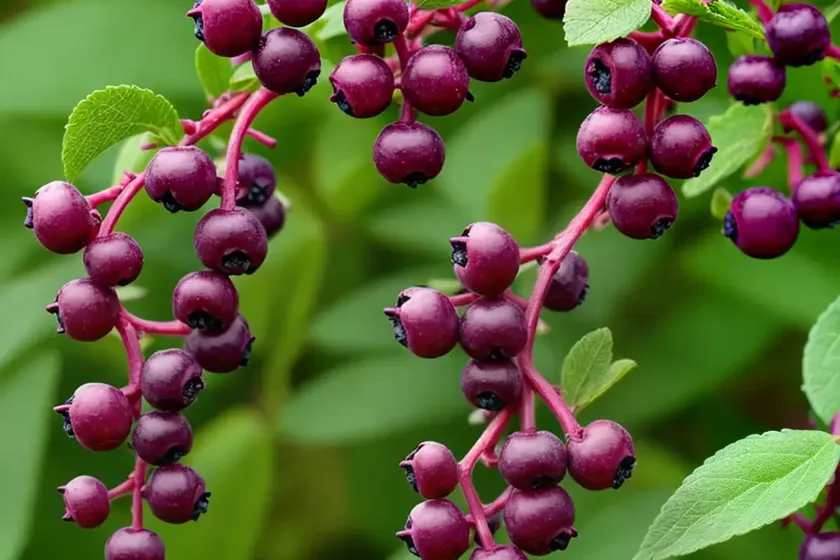
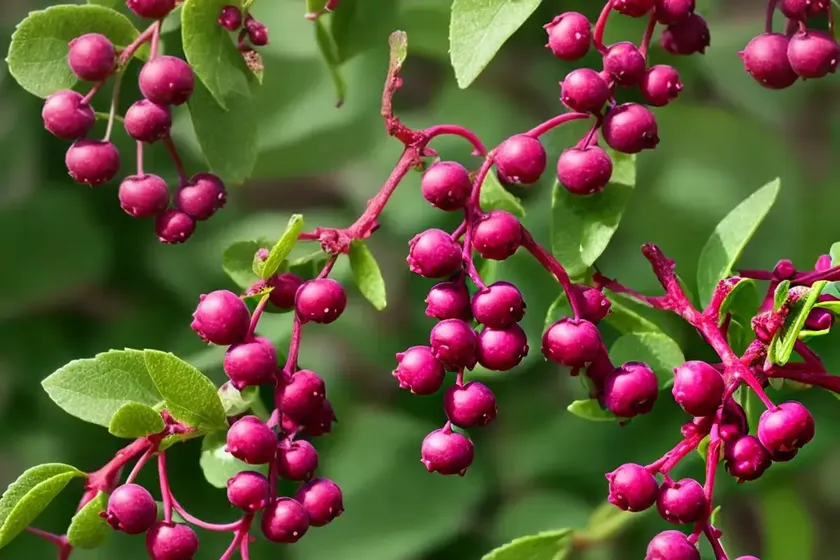
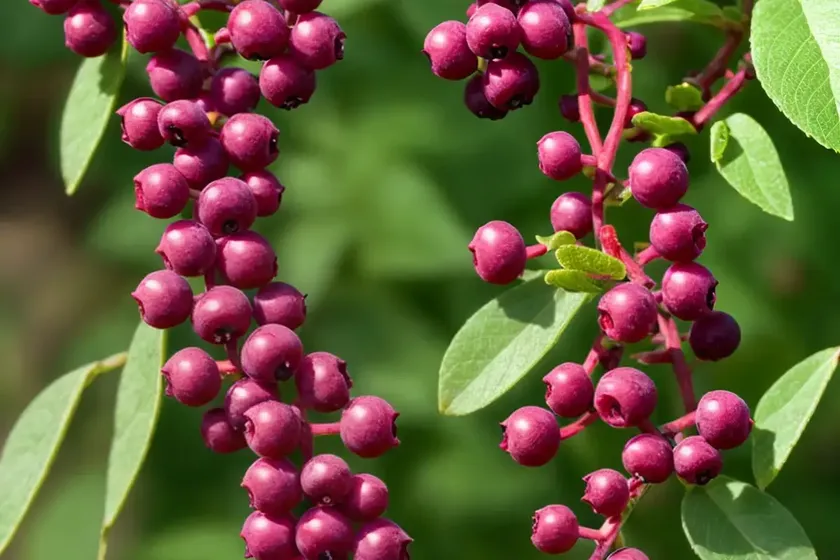
Vaccinium parvifolium, commonly known as Red Huckleberry, is a native plant species found in the Pacific Northwest of North America. Renowned for its vibrant red berries, the plant has a rich cultural and ecological significance. This comprehensive guide aims to delve into the various facets of Vaccinium parvifolium, including its cultivation, characteristics, uses, and ecological importance.
What is Vaccinium parvifolium?
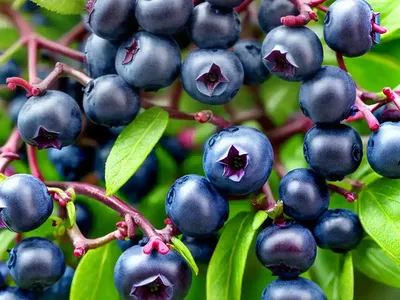
Vaccinium parvifolium is a deciduous shrub belonging to the Ericaceae family, which encompasses a diverse array of plants such as blueberries, cranberries, and Rhododendrons. This species is particularly distinctive due to its resilience in the wild and its ability to thrive in diverse environmental conditions. Red Huckleberry is characterized by its elliptical leaves, delicate pink flowers, and vibrant red berries, which are highly sought after by wildlife and humans alike.
The plant typically grows in moist, coniferous forests, and its distribution ranges from California to Alaska and into the Rocky Mountains. It plays a crucial role in the ecosystem, providing food and habitat for a wide array of wildlife, and has been an integral component of indigenous cultures for centuries.
Vaccinium parvifolium (Red Huckleberry)
Key Takeaways – Vaccinium parvifolium
Before delving into the details of Red Huckleberry’s cultivation and uses, let’s outline the key takeaways associated with this remarkable plant:
- Cultural Significance: Vaccinium parvifolium holds cultural significance for indigenous communities and has been traditionally used for culinary and medicinal purposes.
- Ecological Importance: The plant plays a vital role in the ecosystem, providing food for various wildlife species and supporting biodiversity.
- Berries: The vibrant red berries of Red Huckleberry are sought after for their unique flavor and nutritional benefits.
Now, let’s explore the intricate details of cultivating and caring for Vaccinium parvifolium.
Culture
Water
Red Huckleberry thrives in moist, well-drained soil and typically grows in forested areas where it receives consistent moisture from rainfall and the surrounding environment. When cultivating Vaccinium parvifolium, it is essential to replicate these conditions by providing regular watering, particularly during dry spells. These plants are sensitive to drought and demonstrate optimal growth in consistent moisture levels. However, it is crucial to avoid waterlogged soil, as excessive moisture can lead to root rot and other detrimental diseases.
Sunlight
In its natural habitat, Red Huckleberry is often found in partial shade or dappled sunlight, thriving under the canopy of coniferous trees. When cultivating Vaccinium parvifolium, it is important to provide a similar environment, avoiding exposure to intense, direct sunlight. Partial shade or filtered sunlight throughout the day is ideal for the plant’s growth and fruit production.
Fertilizer
While Red Huckleberry typically does not require heavy fertilization, incorporating organic matter into the soil can benefit its growth. Adding a layer of compost around the base of the plant in the spring can provide essential nutrients and contribute to the moisture retention of the soil. However, it is important to exercise caution with fertilizers, as an excess of nutrients can adversely impact the plant and its natural ecosystem.
Soil
The soil requirements of Vaccinium parvifolium reflect its natural habitat, consisting of acidic, well-drained soils with ample organic matter. A pH level between 4.5 and 5.5 is optimal for the plant’s growth, mirroring the conditions found in coniferous forests. When cultivating Red Huckleberry, it is crucial to prioritize soil health and structure, incorporating organic material and ensuring proper drainage to mimic its native environment.
Pruning
Pruning can play a crucial role in maintaining the health and vigor of Vaccinium parvifolium. While the plant generally exhibits a naturally well-structured growth habit, light pruning can be undertaken to remove dead or diseased branches and encourage new growth. Additionally, removing any crossing or congested branches can enhance air circulation within the plant, reducing the risk of disease and promoting overall plant health.
Propagation
The propagation of Red Huckleberry can be achieved through various methods, including seeds, cuttings, and layering. Seed propagation requires stratification, as the seeds typically exhibit dormancy and benefit from a period of cold treatment before germination. Alternatively, stem cuttings can be taken from healthy, mature plants, and with proper care and environmental conditions, they can develop into new individuals. Layering, a method in which a branch is encouraged to root while still attached to the parent plant, can also be employed successfully for propagating Vaccinium parvifolium.
Container Popularity
Given its modest size and ornamental appeal, Red Huckleberry is also popular for cultivation in containers. This presents an opportunity for individuals with limited garden space to cultivate this remarkable plant on patios, balconies, or in small urban settings. When growing Vaccinium parvifolium in containers, it is imperative to ensure proper drainage, choose acidic potting mixes, and provide a suitable environment that mimics its natural growing conditions.
Uses
Culinary Uses
The berries of Vaccinium parvifolium have been traditionally used by indigenous communities for a variety of culinary applications. Red Huckleberries are often consumed fresh, with their tart and slightly sweet flavor adding a unique element to dishes. They can be incorporated into jams, jellies, syrups, and baked goods, offering a burst of vibrant color and distinct flavor. Furthermore, the berries are rich in antioxidants and can be utilized to create flavorful beverages, such as teas and infusions.
Medicinal Uses
Beyond their culinary uses, Red Huckleberries have also been employed for their medicinal properties. Indigenous cultures utilized various parts of the plant for their therapeutic benefits, including remedies for digestive issues, sore throats, and colds. Additionally, the berries are rich in vitamins and antioxidants, contributing to their potential health-promoting properties.
Wildlife Attractant
In its natural habitat, Red Huckleberry serves as a vital food source for numerous wildlife species, including birds, bears, and small mammals. The berries are a significant component of the diet of various animals, contributing to the overall biodiversity and ecological balance of the region. When cultivating Vaccinium parvifolium, it is essential to recognize and appreciate its role in supporting local wildlife populations.
Common Diseases
Disease Diagnosis
While Red Huckleberry is relatively resilient against many diseases, it can still be susceptible to certain issues, particularly when grown in conditions that deviate from its natural habitat. Common diseases that may affect Vaccinium parvifolium include:
- Fungal Infections: Excessive moisture or poor air circulation can lead to fungal infections, such as powdery mildew and leaf spot diseases. These can be identified by characteristic spots or powdery growth on the leaves and stems.
- Root Rot: Prolonged periods of waterlogging or overly compacted soils can lead to root rot, causing the plant to exhibit signs of wilting and decline.
- Bacterial Diseases: Certain bacteria can cause issues for Red Huckleberry, resulting in leaf browning, wilting, and overall plant decline.
Botanist’s Tips
To mitigate the risk of diseases, it is crucial to prioritize the plant’s natural growing conditions, providing ample moisture without waterlogging the soil, maintaining proper air circulation, and avoiding excessive fertilization. Additionally, early detection of any signs of disease can be crucial in managing and preventing the spread of infections.
Common Pests
Pest Management
Red Huckleberry is generally resilient against pests, but certain insects can pose a threat to its health and fruit production. Common pests that may affect Vaccinium parvifolium include aphids, spider mites, and caterpillars. While these pests may not inflict significant damage in most cases, vigilance and prompt management can prevent potential issues. Natural predators of these pests, such as beneficial insects and birds, can also contribute to pest control in the garden.
Fun Facts
To enrich our understanding of Vaccinium parvifolium, here are some intriguing and lesser-known facts about Red Huckleberry:
- Red Huckleberry’s scientific name, Vaccinium parvifolium, aptly describes its small leaves (parvifolium translates to “small-leaved”).
- The vibrant red berries of Red Huckleberry are a hallmark indicator of the plant’s ripeness, attracting various wildlife species.
- Indigenous cultures have long revered Red Huckleberry for its cultural and medicinal significance, and it remains an integral part of indigenous traditions and practices in the Pacific Northwest.
Links to External Resources
For those interested in further exploring Vaccinium parvifolium and its diverse characteristics, uses, and ecological importance, the following external resources provide valuable insights and information:
- USDA Plants Database: Vaccinium parvifolium
- Washington Native Plant Society: Red Huckleberry
- University of Washington: Native Plant Guide – Red Huckleberry
In conclusion, Vaccinium parvifolium (Red Huckleberry) stands as a fascinating and ecologically significant plant species, with its rich cultural, culinary, and medicinal uses deeply intertwined with the biodiversity of the Pacific Northwest. By embracing its unique characteristics and prioritizing its natural habitat in cultivation, we can continue to appreciate and uphold the remarkable role of Red Huckleberry in our ecosystems and traditions.