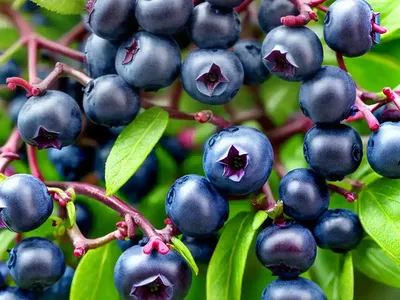
Vaccinium Pallidum (Lowbush Blueberry)
Vaccinium pallidum, commonly known as Lowbush Blueberry, is a species of flowering plant in the heath family Ericaceae. This native North American plant is.
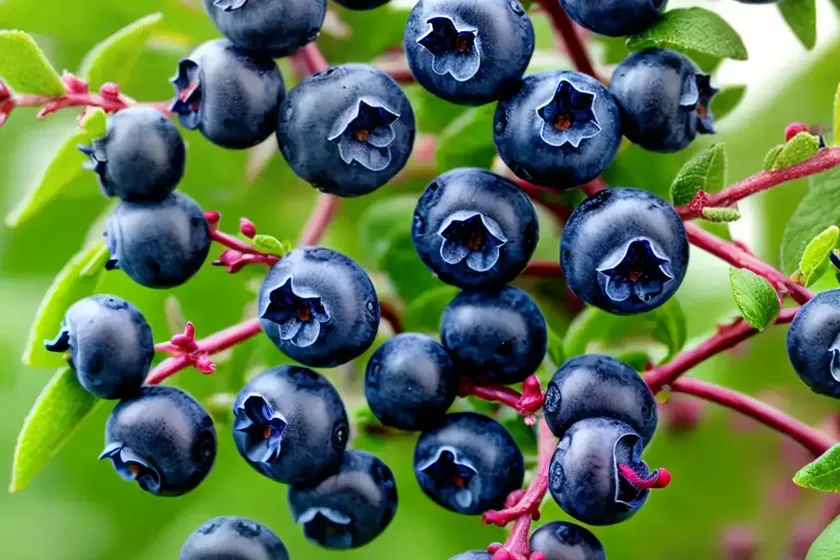
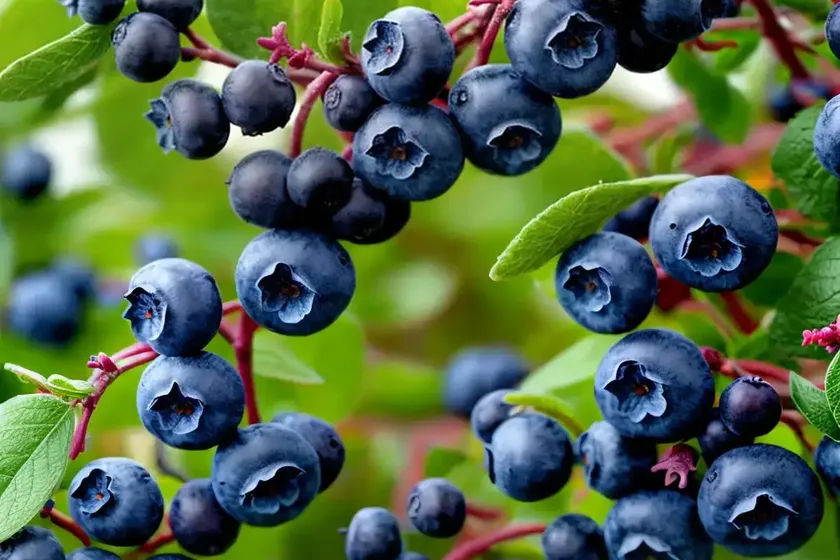
Introduction to Vaccinium pallidum
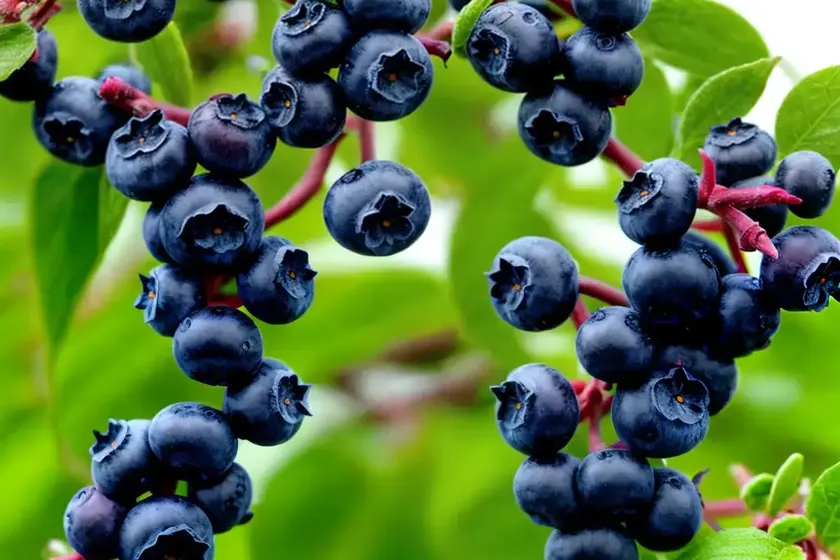
Vaccinium pallidum, commonly known as Lowbush Blueberry, is a species of flowering plant in the heath family Ericaceae. This native North American plant is widely recognized for its delicious and nutritious blueberries, and it serves as an essential component of the ecosystem. In this comprehensive guide, we delve into the characteristics, cultivation, uses, habitat, and much more about this fascinating plant.
Key Takeaways – Vaccinium pallidum (Lowbush Blueberry)
Vaccinium pallidum, or Lowbush Blueberry, is a species that offers various benefits and presents exciting growing opportunities. Understanding its characteristics and requirements is essential for successful cultivation and care.
Vaccinium pallidum Information
- Scientific Name: Vaccinium pallidum
- Common Name: Lowbush Blueberry
- Family: Ericaceae
- Native Range: North America
- Conservation Status: Varies regionally
- Growth Habit: Low-growing, spreading shrub
Culture
Cultivating Vaccinium pallidum requires careful attention to its specific cultural needs, including water, sunlight, fertilizer, soil, and pruning requirements. Understanding these aspects is crucial for maintaining the plant’s health and maximizing its productivity.
Uses
Culinary Uses
- The delicious blueberries of Vaccinium pallidum are highly sought after for fresh consumption and for use in a variety of culinary delights such as pies, jams, and smoothies.
Medicinal Properties
- Beyond its culinary appeal, the blueberry fruit of Lowbush Blueberry also possesses significant antioxidant properties and is utilized in traditional medicine for its health benefits.
Water
Vaccinium pallidum thrives in well-drained soils and is sensitive to drought stress, particularly during the fruiting period. Ensuring consistent soil moisture, especially during dry spells, is crucial for the plant’s health and fruit production.
Sunlight
Lowbush Blueberry plants generally thrive in full sun to partial shade, with an absolute minimum of six hours of direct sunlight each day for optimal fruiting and overall growth.
Soil
The ideal soil for Vaccinium pallidum is acidic, well-drained, and rich in organic matter. While the plant is adaptable to various soil types, it performs best in loamy, sandy, or peat-based soils with a pH range of 4.0 to 5.5.
Fertilizer
Applying a balanced fertilizer formulated for acid-loving plants in the early spring before new growth emerges can provide the necessary nutrients for healthy foliage and abundant fruiting.
Pruning
Regular pruning is essential for managing the growth and fruit production of Vaccinium pallidum. Pruning practices primarily focus on removing old wood and maintaining a balanced and open canopy to promote airflow and sunlight penetration.
Propagation
Lowbush Blueberry plants can be propagated through various methods, including softwood cuttings, hardwood cuttings, and division. Each approach has its own set of requirements and best practices for successful propagation.
Container Popularity
Vaccinium pallidum is well-suited for container gardening, allowing individuals with limited garden space to enjoy the beauty and bounty of this native plant.
Common Diseases
Though relatively resilient, Vaccinium pallidum is susceptible to certain diseases and pests that can impact its health and productivity. By understanding these potential issues, it is possible to implement preventative measures and effectively address any problems that may arise.
Disease Diagnosis
Common diseases that may affect Lowbush Blueberry plants include:
– Mummy Berry: Characterized by shriveled, mummified berries, and can be managed through cultural and chemical controls.
– Leaf Spot: Identified by dark, irregular spots on the leaves, and can be mitigated through proper sanitation and fungicidal treatments.
– Powdery Mildew: Notably seen as white, powdery patches on leaves, and can be addressed through appropriate cultural practices and fungicidal applications.
Common Pests
Lowbush Blueberry plants are susceptible to pests such as:
– Blueberry Maggot: The larvae of this fly species feed on blueberries, leading to fruit damage and reduced yield. Monitoring and intervention are essential for managing this pest.
– Japanese Beetles: These voracious feeders can damage foliage and should be controlled through physical and chemical methods where necessary.
– Spider Mites: These tiny pests can cause stippling and discoloration on leaves, and can often be mitigated through horticultural oils and predatory mite release.
Botanist’s Tips
Here are some essential tips for growing and caring for Vaccinium pallidum:
– Select suitable cultivars adapted to your specific growing conditions and needs.
– Monitor soil moisture levels to ensure consistent hydration without waterlogging.
– Implement a regular pruning schedule to maintain plant health and fruit production.
Fun Facts
- Lowbush Blueberries are an important food source for various wildlife, including birds and small mammals.
- The beautiful bell-shaped flowers of Vaccinium pallidum are not only attractive to humans but also serve as a valuable nectar source for pollinators.
Links to External Resources
For additional information on Vaccinium pallidum and its cultivation, consider exploring the following resources:
– USDA Plants Database – Vaccinium pallidum
– Extension.org – Growing Lowbush Blueberries
– The American Phytopathological Society – Blueberry Diseases
With its delicious fruit, ecological importance, and adaptability, Vaccinium pallidum stands as a remarkable native plant deserving of attention and care. By understanding its needs and benefits, individuals can successfully cultivate and enjoy the beauty and bounty of Lowbush Blueberries.
In conclusion, Vaccinium pallidum, or Lowbush Blueberry, is a valuable addition to both natural and cultivated landscapes, providing sustenance for wildlife and humans alike. Its ecological significance and culinary appeal make it a plant of great interest and importance. Understanding its unique characteristics and requirements is essential for successfully growing and appreciating this remarkable species.