Vaccinium Ovatum (California Huckleberry)
Welcome, plant enthusiasts! Today, we are going to delve into the captivating world of Vaccinium ovatum, commonly known as California Huckleberry. This.
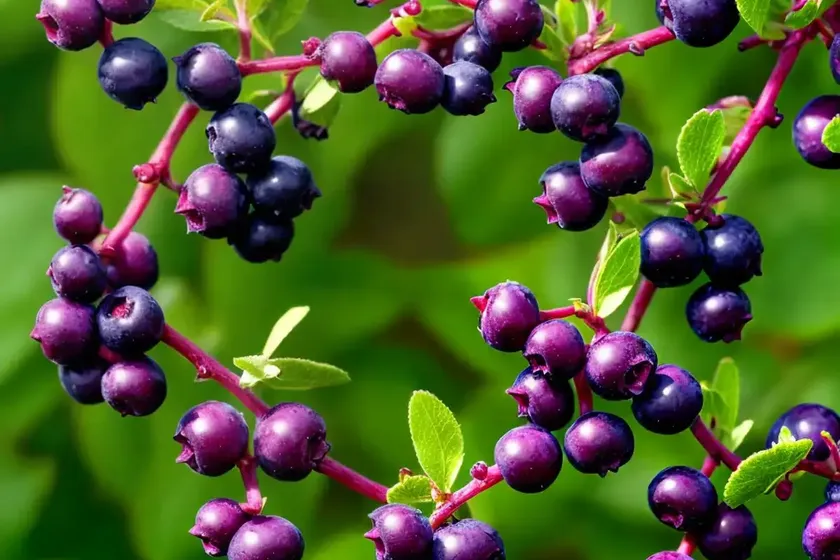
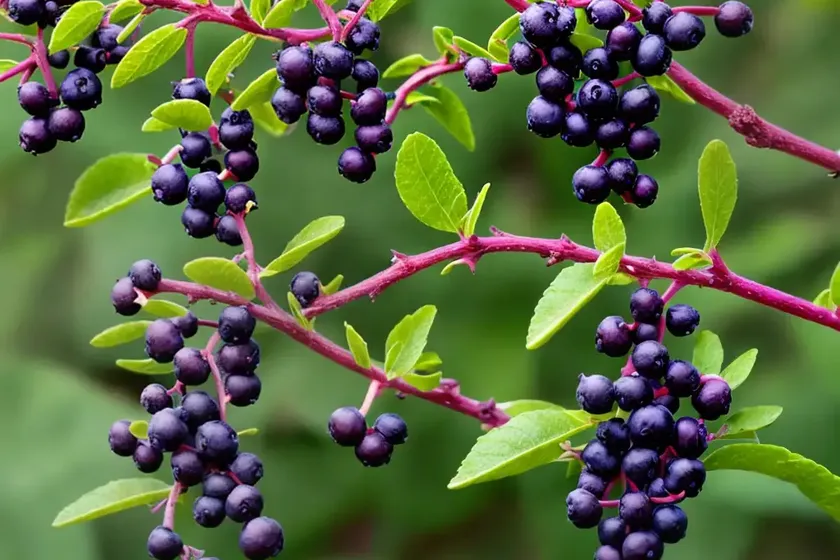
Welcome, plant enthusiasts! Today, we are going to delve into the captivating world of Vaccinium ovatum, commonly known as California Huckleberry. This evergreen plant has a rich history of traditional uses, culinary importance, and ecological significance. We will explore its cultural value, habitat, uses, maintenance, and gardening tips in detail. By the end of this comprehensive guide, you will have a profound understanding of the captivating characteristics of Vaccinium ovatum and how to cultivate and care for it successfully.
Let’s start our journey by understanding the significance of Vaccinium ovatum and its mesmerizing attributes.
What is Vaccinium ovatum?
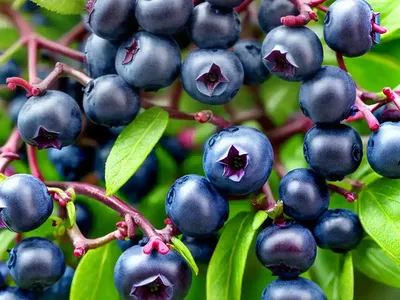
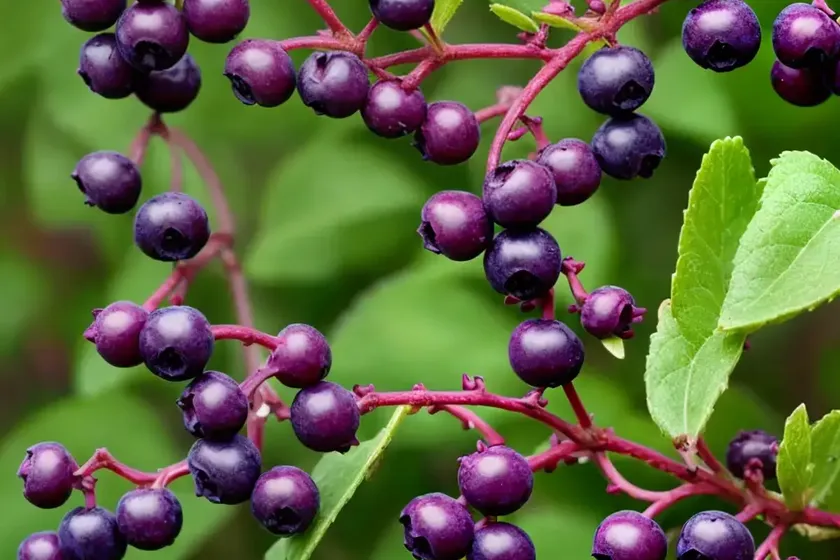
Vaccinium ovatum, also referred to as California Huckleberry, is a species of flowering plant in the heath family, Ericaceae. This evergreen shrub is native to the Pacific Northwest and California in the United States. Known for its distinct, glossy, dark green leaves and delicious, edible berries, Vaccinium ovatum holds a special place in the hearts of botanists, gardeners, and wildlife enthusiasts alike.
Key Takeaways – Vaccinium ovatum (California Huckleberry)
Before we immerse ourselves in the intricacies of growing and caring for Vaccinium ovatum, let’s outline some key takeaways regarding this remarkable plant.
- Scientific Name: Vaccinium ovatum
- Common Name: California Huckleberry
- Family: Ericaceae
- Habitat: Native to the Pacific Northwest and California
- Foliage: Evergreen, glossy dark green leaves
- Fruit: Small, dark purple berries
- Cultural Importance: Traditional uses, culinary significance, wildlife attraction
- Gardening Features: Low maintenance, wildlife-friendly, versatile landscaping plant
Now that we have acquainted ourselves with the basic overview of Vaccinium ovatum, let’s embark on an exploration of its cultivation, uses, and ecological role.
Cultivation
Cultivating Vaccinium ovatum can be a deeply rewarding experience, whether for culinary purposes, wildlife habitat enhancement, or ornamental gardening. Understanding its cultural requirements and growth habits is essential for fostering a healthy and thriving plant.
Water
Vaccinium ovatum prefers moderate to regular watering, especially during the dry summer months. While it is important to ensure that the soil is consistently moist, it is equally crucial to avoid waterlogged conditions, which can lead to root rot. A well-draining soil that retains moisture without becoming waterlogged is ideal for the optimal growth of California Huckleberry.
Sunlight
In terms of sunlight requirements, Vaccinium ovatum thrives in partial to full shade. While it can tolerate some morning sun, providing dappled shade or light shade during the afternoon hours is conducive to its overall health and fruit production. Planting in a location with moderate shade and protection from intense afternoon sun is recommended for successful cultivation.
Soil
The soil preferences of Vaccinium ovatum revolve around acidic, well-draining, and humus-rich conditions. A pH range of 4.5 to 5.5 is considered ideal for this species. Incorporating organic matter such as peat moss or compost into the soil can aid in creating a suitable environment for the plant’s roots to thrive.
Fertilizer
When it comes to fertilization, a balanced, acidic fertilizer can be applied in spring to support the growth and fruiting of Vaccinium ovatum. It is advisable to use a slow-release or organic fertilizer specifically formulated for acid-loving plants to ensure that the nutritional needs of the plant are met without causing an excessive buildup of salts.
Pruning
Pruning is an important aspect of Vaccinium ovatum maintenance, contributing to its overall health, fruit production, and aesthetic appeal. Pruning should be carried out in late winter or early spring to remove dead or diseased wood, shape the plant, and promote air circulation within the canopy. Additionally, light pruning after the fruiting season can stimulate new growth and help maintain a compact, well-structured plant.
Propagation
Propagation of Vaccinium ovatum can be achieved through various methods such as seed sowing, stem cuttings, or layering. Each approach has its own set of advantages and considerations, and the choice of propagation method often depends on the specific goals and resources available to the gardener. Seed propagation offers the opportunity to grow new plants from collected berries, while stem cuttings and layering can expedite the propagation process by utilizing existing plant material.
Container Gardening
For individuals with limited garden space or those seeking to cultivate Vaccinium ovatum in a controlled environment, container gardening presents an attractive option. When growing California Huckleberry in containers, it is essential to select a container with adequate drainage holes to prevent waterlogging. Using a well-draining, acidic potting mix and providing the appropriate sunlight and water conditions can facilitate successful container cultivation of this species.
Popularity
The appeal of Vaccinium ovatum extends beyond its natural habitat, garnering attention and appreciation from gardeners, horticulturists, and conservationists around the world. Its versatility, low maintenance requirements, and ecological benefits have elevated its popularity as a desirable addition to gardens, landscapes, and restoration projects.
Now that we have gained insight into the cultivation and maintenance aspects of Vaccinium ovatum, let’s turn our attention to the uses, diseases, pests, and fascinating tidbits associated with this captivating plant.
Common Diseases
Disease Diagnosis
While Vaccinium ovatum is generally resilient to diseases, it may occasionally encounter issues such as fungal infections, especially in conditions of excessive moisture and inadequate air circulation. The presence of symptoms such as leaf spots, wilting, or unusual discoloration may indicate the onset of a disease. Prompt and accurate diagnosis of the specific disease is crucial for implementing targeted control measures and preserving the health of the plant.
Common Pests
Vaccinium ovatum can attract certain pests, including aphids, spider mites, and scale insects, particularly when grown under stressful conditions or in the presence of other infested plants. Regular monitoring of the plant for signs of pest infestation, such as distorted growth, stippling on leaves, or the presence of insects, is essential for early intervention and effective pest management.
Botanist’s Tips
Disease Prevention
Implementing preventive measures, such as promoting good air circulation, maintaining optimal watering practices, and avoiding overhead irrigation, can significantly reduce the risk of fungal diseases in Vaccinium ovatum. In addition, applying organic fungicides or horticultural oils as a preventive measure can contribute to the overall health and vigor of the plant while minimizing the likelihood of disease development.
Wildlife Attraction
The luscious berries of Vaccinium ovatum serve as a valuable food source for a variety of wildlife, including birds and small mammals. By incorporating this plant into wildlife gardens, restoration projects, and naturalistic landscapes, it is possible to create a welcoming habitat for wildlife while contributing to the ecological balance of the surrounding environment.
Fun Facts
- Vaccinium ovatum has been utilized by indigenous communities for its nutritional and medicinal properties, underscoring its cultural significance and historical relevance.
- The berries of California Huckleberry are renowned for their delectable flavor, often described as a harmonious blend of sweet and tart notes, making them an appealing choice for culinary applications.
Now, let’s explore the bountiful uses of Vaccinium ovatum and its enduring value in various aspects of human life and ecological sustainability.
Uses
Culinary Applications
The berries of Vaccinium ovatum are prized for their exceptional flavor and are utilized in a range of culinary creations, including jams, jellies, pies, and sauces. Their distinct taste and versatility in recipes add a delightful dimension to various dishes, desserts, and beverages.
Medicinal Properties
In addition to their culinary appeal, the berries of California Huckleberry possess medicinal properties that have been acknowledged by indigenous communities for generations. Their rich antioxidant content, combined with potential anti-inflammatory and antimicrobial properties, contributes to their medicinal significance and culinary versatility.
Folklore and Cultural Significance
Throughout history, Vaccinium ovatum has been intertwined with folklore, traditions, and cultural practices, symbolizing different meanings and narratives across diverse cultural contexts. Its association with stories, rituals, and traditional practices underscores its cultural significance and enduring place in human customs.
Links to External Resources
For further exploration and in-depth information on Vaccinium ovatum and related topics, the following external resources are recommended:
- The United States Department of Agriculture (USDA) Plant Guide for Vaccinium ovatum
- Native Plant Trust: Vaccinium ovatum
- University of California Agriculture and Natural Resources: California Garden Web
Conclusion
In conclusion, Vaccinium ovatum (California Huckleberry) is a captivating and versatile plant that embodies a multitude of cultural, culinary, and ecological dimensions. Its lush foliage, delectable berries, and ecological benefits make it a cherished addition to landscapes, gardens, and conservation efforts. By understanding its cultivation, uses, maintenance, and ecological role, we can appreciate the profound value of Vaccinium ovatum and its enduring presence in our natural and cultural landscapes.
As we continue to explore the enchanting world of plants, may the allure and significance of Vaccinium ovatum inspire us to cherish and preserve the rich tapestry of nature that surrounds us.
Happy gardening and exploration!
Disclaimer: The information provided in this guide is for educational purposes and is not intended to be a substitute for professional botanical or horticultural advice. Cultivating and using plants, including Vaccinium ovatum, should be approached with due consideration for individual health, safety, and environmental impact.