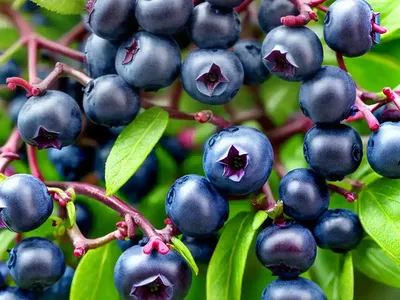
Vaccinium Elliottii (Elliott’s Blueberry)
Vaccinium elliottii, commonly known as Elliott’s blueberry, is a delightful species of blueberry native to the southeastern region of the United States..
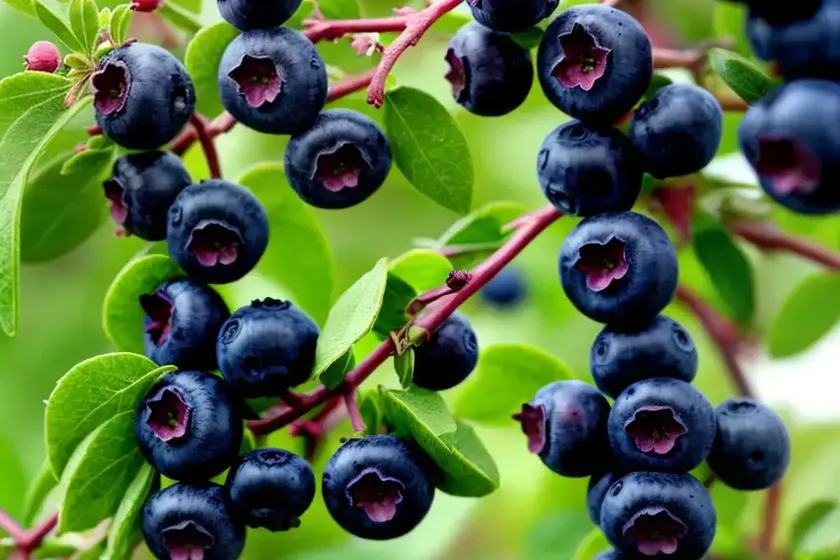
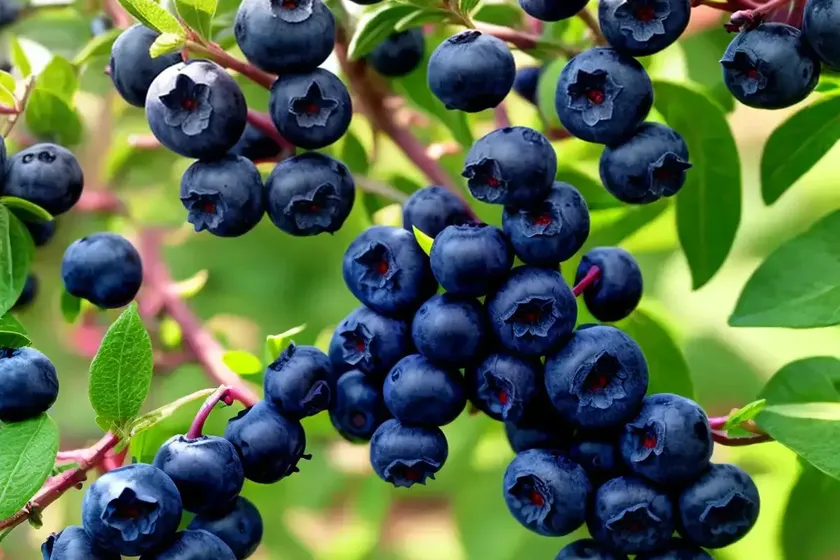
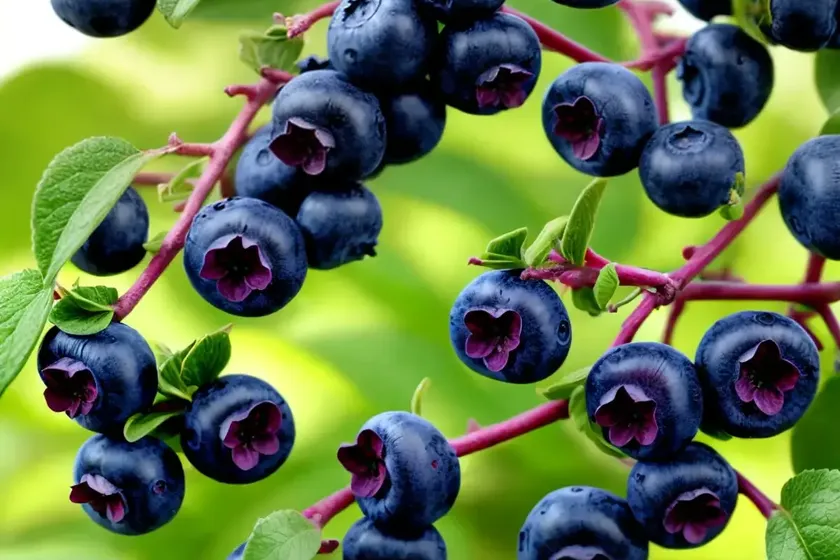
Vaccinium elliottii, commonly known as Elliott’s blueberry, is a delightful species of blueberry native to the southeastern region of the United States. This plant is significantly valued for its tasty and nutritious berries, as well as its ornamental features. In this comprehensive guide, we will explore various facets of Vaccinium elliottii, including its cultivation, care, uses, and benefits. Whether you are a gardening enthusiast, a horticulturist, or simply someone interested in learning about this fascinating plant, this guide is crafted to provide you with all the necessary insights into the world of Elliott’s blueberry.
What is Vaccinium elliottii (Elliott’s Blueberry)?
Vaccinium elliottii, commonly referred to as Elliott’s blueberry, belongs to the Ericaceae family and is a prominent deciduous shrub. This species is native to the southeastern United States, where it can be found thriving in a variety of habitats such as pine forests, savannas, and sandy woodlands. The plant is recognized for its attractive foliage, delicate flowers, and, of course, its delectable blueberries.
Key Takeaways – Vaccinium elliottii (Elliott’s Blueberry)
Before delving into the specifics of cultivating and caring for Vaccinium elliottii, let’s outline the key takeaways of this comprehensive guide, presenting crucial information at a glance:
- Plant Name: Vaccinium elliottii (Elliott’s Blueberry)
- Family: Ericaceae
- Habitat: Native to the southeastern United States
- Key Uses: Berries for culinary purposes, ornamental value
- Cultivation Areas: Well-drained, acidic soils
Now, let’s delve into the various aspects of understanding, cultivating, and caring for Elliott’s blueberry.
Culture
Water
Prudent watering is essential for the health and productivity of Vaccinium elliottii. Adequate moisture is especially crucial during the growing season and the period when berries are forming. However, it is important to maintain well-drained soil to prevent waterlogging, which can lead to root rot.
Vaccinium elliottii Watering Needs
- Regular watering: Especially during the growing and fruiting season
- Avoid waterlogging: Ensure well-drained soil
- Mulching: Utilize mulch to retain soil moisture and regulate temperature
Sunlight
Elliott’s blueberries thrive in locations that receive full sun to partial shade. While they appreciate ample sunlight, some afternoon shade can be beneficial, particularly in warmer regions. It is important to strike a balance between sunlight exposure and protection from excessive heat.
Vaccinium elliottii Sunlight Requirements
- Full sun to partial shade: Ideal for healthy growth and fruit development
- Protection from extreme heat: Consider providing partial shade in hotter climates
Fertilizer
Appropriate fertilization plays a pivotal role in ensuring robust growth and high-quality berry production in Vaccinium elliottii. Acidic fertilizers or those specifically formulated for acid-loving plants are recommended to maintain the ideal soil pH for blueberries.
Vaccinium elliottii Fertilization Tips
- Acidic fertilizers: Opt for formulations suitable for acid-loving plants
- Timing: Fertilize in early spring and again after fruiting, following package instructions
- Avoid over-fertilization: Excessive fertilization can lead to nutrient imbalances and burn the plant’s roots
Soil
The soil requirements of Vaccinium elliottii are crucial factors for successful cultivation. These blueberries thrive in well-drained, acidic soils rich in organic matter. Additionally, maintaining an optimal soil pH is essential for the plant’s overall health and fruitfulness.
Vaccinium elliottii Soil Requirements
- Acidic soil: pH range of 4.0 to 5.5
- Excellent drainage: Essential to prevent waterlogging
- Organic matter: Incorporate compost or peat moss to enhance soil structure and nutrient content
Pruning
Pruning is a fundamental aspect of maintaining the health, productivity, and aesthetic appeal of Vaccinium elliottii. Proper pruning helps remove dead or diseased wood, encourages robust growth, and stimulates fruit-bearing wood.
Vaccinium elliottii Pruning Techniques
- Seasonal pruning: Conduct pruning during the dormant season, typically in late winter or early spring
- Remove weak and dead wood: Enhance airflow and light penetration within the plant
- Thinning out branches: Promote better fruit development and overall plant vigor
Propagation
The propagation of Vaccinium elliottii can be accomplished through various methods, including both sexual and asexual means. These techniques enable the reproduction and proliferation of desired cultivars, ensuring a steady supply of plants for personal or commercial use.
Elliott’s Blueberry Propagation Methods
- Softwood cuttings: Utilize young, tender shoots for propagation
- Division: Divide mature plants to create new individuals
- Layering: Encourage rooting of low-hanging branches to establish new plants
Container Popularity
Vaccinium elliottii is also well-suited for container cultivation, making it an excellent option for individuals with limited outdoor space or those seeking to cultivate blueberries on patios, balconies, or rooftops.
Growing Vaccinium elliottii in Containers
- Container selection: Opt for large, sturdy containers with drainage holes
- Acidic potting mix: Use soil blends specifically formulated for acid-loving plants
- Regular monitoring: Ensure adequate watering and fertilization for container-grown blueberries
Common Diseases
As with many plant species, Vaccinium elliottii is susceptible to certain diseases that can impact its overall health and productivity. Familiarizing oneself with these diseases and their symptoms is crucial for timely diagnosis and effective management.
Disease Diagnosis
- Powdery mildew: Identified by the presence of powdery white spots on leaves and shoots
- Anthracnose: Causes dark lesions and cankers on the foliage and stems
- Phytophthora root rot: Leads to root and crown damage, resulting in wilting and decline of the plant
Common Pests
Vaccinium elliottii may also encounter various pests that can compromise its vitality and yield. Being able to recognize and address these pests is essential for maintaining the overall well-being of the plant.
Elliott’s Blueberry Pests
- Spider mites: Notorious for causing stippling and webbing on leaves
- Blueberry maggot: Larvae feed on developing berries, leading to fruit damage
- Japanese beetles: Consume foliage and cause skeletonization of leaves
Botanist’s Tips
For those seeking to cultivate and care for Vaccinium elliottii, here are some valuable tips from botanists and horticultural experts to ensure successful growth and abundant harvests:
- Soil testing: Regularly assess soil pH and nutrient levels to maintain optimal growing conditions
- Mulching: Apply organic mulch to retain moisture, suppress weeds, and insulate soil
- Integrated pest management: Employ a holistic approach to pest control, minimizing the use of chemical interventions
Fun Facts
Vaccinium elliottii, apart from being a delightful addition to gardens and landscapes, offers some intriguing aspects that make it an esteemed and captivating plant:
- Wildlife attractant: Blueberries are favored by birds and other wildlife, adding ecological value to garden spaces
- Ornamental value: The plant’s delicate flowers and vibrant foliage contribute to its visual appeal, making it a prized addition to ornamental gardens
- Nutritional powerhouse: Elliott’s blueberries are not only delicious but also packed with beneficial nutrients and antioxidants
Links to External Resources
For further exploration and in-depth information on Vaccinium elliottii, here are some valuable external resources:
- The Southern Living Plant Collection
- University of Florida IFAS Extension
- Clemson Cooperative Extension
- North Carolina State University Extension
- The American Phytopathological Society
In conclusion, Vaccinium elliottii (Elliott’s blueberry) stands as a valuable addition to both culinary and ornamental gardens, offering delectable berries, ornate foliage, and ecological benefits. By understanding its unique cultivation requirements, effective care practices, and potential challenges, enthusiasts can enjoy the rewards of growing this remarkable plant. Whether in traditional garden beds or containers, Elliott’s blueberry has much to offer and is indeed a cherished presence in the world of horticulture.
As you embark on your journey with Vaccinium elliottii, may this comprehensive guide serve as a source of inspiration and knowledge, enabling you to engage with and appreciate the beauty and bounty of this remarkable plant.
Plant Name: “Vaccinium elliottii (Elliott’s Blueberry)”