Vaccinium Corymbosum ‘Sweetheart’ (Highbush Blueberry)
Vaccinium corymbosum ‘Sweetheart’, commonly known as Highbush Blueberry, is a delightful and fruitful addition to any garden. With its delicious, juicy.
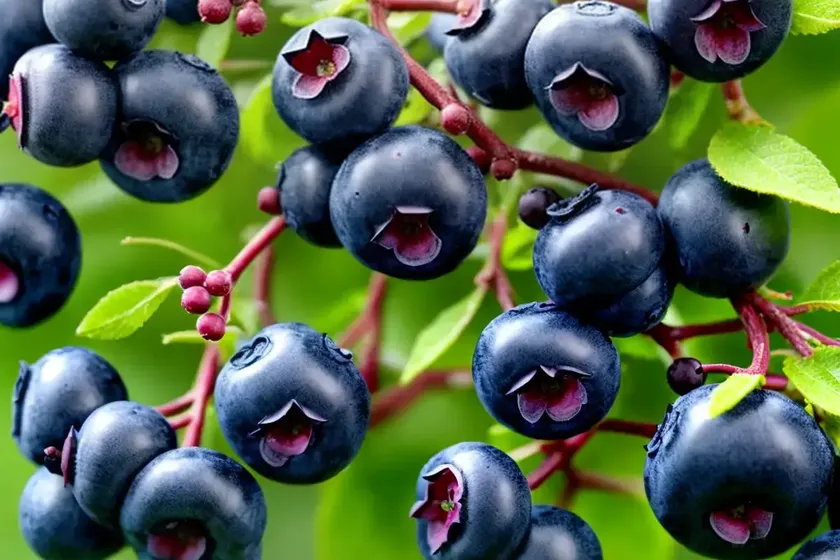
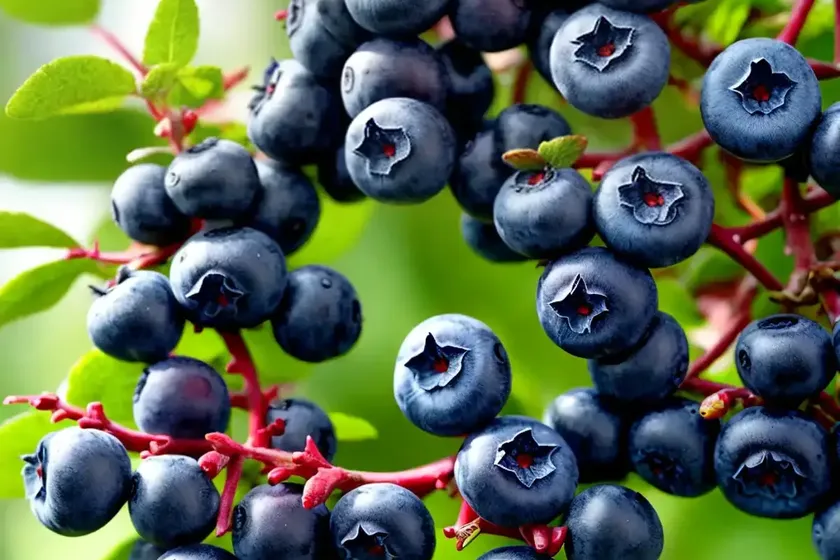
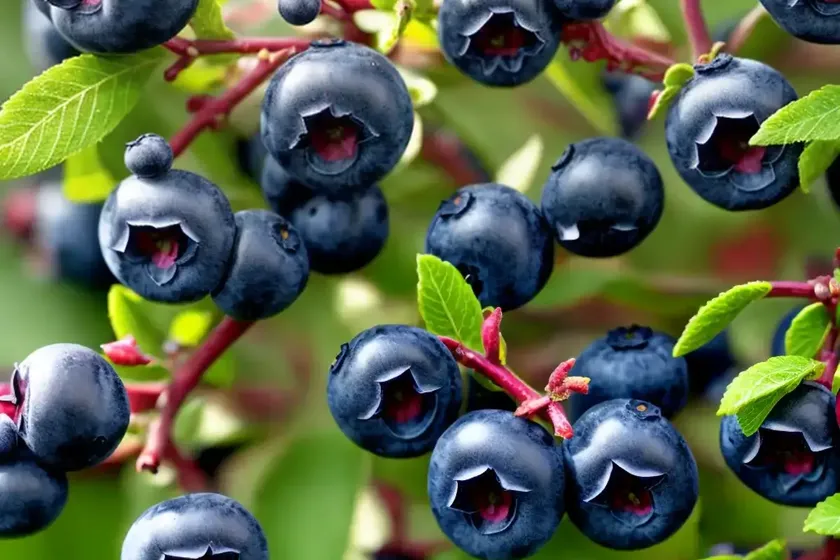
Vaccinium corymbosum ‘Sweetheart’, commonly known as Highbush Blueberry, is a delightful and fruitful addition to any garden. With its delicious, juicy berries and vibrant foliage, ‘Sweetheart’ is a popular variety among both amateur and seasoned gardeners. In this guide, we will explore the characteristics, cultivation, care, and various aspects of ‘Sweetheart’ highbush blueberries.
What is Vaccinium corymbosum ‘Sweetheart’?
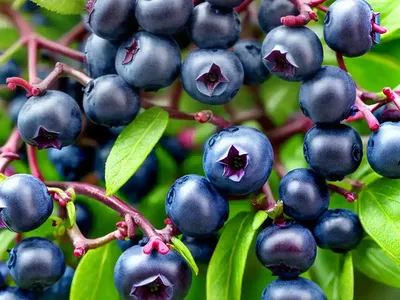
Vaccinium corymbosum, or Highbush Blueberry, is a deciduous shrub that belongs to the Ericaceae family. ‘Sweetheart’ is a specific variety within the species, known for its exceptional fruit quality and plant vigor. The plant typically reaches a height and spread of 4 to 6 feet, making it suitable for gardens with limited space. The ‘Sweetheart’ variety produces large, flavorful berries that are a favorite for fresh eating, baking, and canning.
Key Takeaways – Vaccinium corymbosum ‘Sweetheart’ (Highbush Blueberry)
Before delving into the specifics of ‘Sweetheart’ highbush blueberries, let’s take a quick look at some key takeaways about this delightful plant.
- Scientific Name: Vaccinium corymbosum ‘Sweetheart’
- Family: Ericaceae
- Type: Deciduous shrub
- Fruit: Large, flavorful blueberries
- Height: 4 to 6 feet
- Spread: 4 to 6 feet
- Uses: Fresh eating, baking, canning
Now, let’s explore the various aspects of the ‘Sweetheart’ blueberry plant in greater detail.
Cultivation and Characteristics of Vaccinium corymbosum ‘Sweetheart’
Characteristics of Vaccinium corymbosum ‘Sweetheart’
Vaccinium corymbosum ‘Sweetheart’ exhibits several distinct characteristics that make it a desirable addition to home gardens and commercial orchards.
Plant Size and Shape
The ‘Sweetheart’ variety is known for its compact growth habit, reaching a mature height and spread of 4 to 6 feet. This makes it an excellent choice for smaller gardens or container cultivation. The plant has an upright, bushy form with numerous branches, which often become laden with striking blueberries during the fruiting season.
Flowering and Fruiting Time
In the spring, ‘Sweetheart’ highbush blueberries produce delicate, bell-shaped white flowers that are not only ornamental but also attract pollinators to the garden. The flowers give way to clusters of plump, flavorful blueberries, which ripen in the summer, typically from mid-June to mid-July, depending on the specific growing region and climate.
Blueberry Flavor Profile
The berries of ‘Sweetheart’ highbush blueberries are renowned for their exceptional flavor. They boast a perfect balance of sweetness and tartness, making them ideal for enjoying fresh off the bush, adding to salads, baking into pies and muffins, or preserving in jams and jellies.
Best Growing Conditions for Vaccinium corymbosum ‘Sweetheart’
For optimal growth and fruit production, ‘Sweetheart’ highbush blueberries require specific growing conditions that mimic their natural habitat.
Sunlight Requirements
Like all blueberry varieties, ‘Sweetheart’ thrives in full sun, requiring at least 6 to 8 hours of direct sunlight each day. Adequate sunlight ensures good fruit development and overall plant vigor.
Soil
Blueberries, including the ‘Sweetheart’ variety, prefer acidic, well-draining soil with a pH level between 4.5 and 5.5. It’s essential to ensure proper soil acidity to support nutrient uptake and discourage the growth of competing plants.
Watering Requirements
Consistent moisture is crucial for the health of ‘Sweetheart’ highbush blueberries, especially during the flowering and fruiting stages. While they do not tolerate waterlogged conditions, they should not be allowed to dry out. Mulching around the base of the plants can help to maintain soil moisture levels.
Fertilizer
Appropriate fertilization is essential for blueberry plants, and ‘Sweetheart’ highbush blueberries are no exception. They benefit from an annual application of a balanced, acidic fertilizer specifically formulated for acid-loving plants. Additionally, incorporating organic matter such as compost or well-rotted pine bark into the soil can enhance the plant’s nutrient uptake and overall health.
Pruning Techniques for Vaccinium corymbosum ‘Sweetheart’
Pruning plays a crucial role in maintaining the health and productivity of ‘Sweetheart’ highbush blueberries. Proper pruning helps to improve air circulation, remove dead or diseased wood, and stimulate the growth of new, fruit-bearing branches.
When to Prune
The best time to prune ‘Sweetheart’ highbush blueberries is during late winter or early spring while the plant is still dormant. This allows for the removal of any damaged or overcrowded branches before the new growth emerges.
Pruning Method
When pruning ‘Sweetheart’ highbush blueberries, it’s important to selectively remove the oldest, unproductive canes to make way for new growth. Additionally, thinning out the interior branches to encourage better air circulation and light penetration can result in healthier, more abundant fruiting.
Propagation of Vaccinium corymbosum ‘Sweetheart’
Propagation is the process of reproducing plants from seeds, cuttings, or other plant parts. While ‘Sweetheart’ highbush blueberries can be propagated from seeds, the resulting plants may not necessarily retain all the desirable traits of the parent plant. Therefore, vegetative propagation methods such as hardwood cuttings or layering are often preferred for maintaining the genetic characteristics of the ‘Sweetheart’ variety.
Hardwood Cuttings
Hardwood cuttings are typically taken from healthy, disease-free branches of the ‘Sweetheart’ highbush blueberry plant during the dormant season. The cuttings are then treated with rooting hormone and placed in a suitable growing medium until new roots form. Once rooted, the cuttings can be transplanted into individual containers or directly into the garden.
Layering
Layering is another effective method of propagating ‘Sweetheart’ highbush blueberries. This technique involves bending a low-hanging branch of the plant to the ground, making a small incision in the underside of the branch, and covering it with soil. Over time, the buried portion of the branch develops roots, and once established, it can be separated from the parent plant and transplanted.
Care and Maintenance of Vaccinium corymbosum ‘Sweetheart’
Watering Requirements for Vaccinium corymbosum ‘Sweetheart’
Proper watering is essential for the health and productivity of ‘Sweetheart’ highbush blueberries. During the growing season, it’s important to provide the plant with consistent moisture, ensuring that the soil remains evenly moist but not waterlogged. Additionally, it’s advisable to water the plants at the base to minimize wetting the foliage, which can help prevent foliar diseases.
Disease-Resistant Options for Highbush Blueberries
‘Disease-resistant’ blueberry varieties, including ‘Sweetheart’, possess genetic traits that make them less susceptible to certain common diseases, such as mummy berry and leaf spot. While no plants are entirely immune to diseases, selecting disease-resistant varieties can contribute to the overall health and longevity of the blueberry plants.
Common Pests Affecting ‘Sweetheart’ Blueberry Plants
Despite their resilience, ‘Sweetheart’ highbush blueberries can be affected by various pests that may compromise plant health and reduce fruit yields. Some common pests that may target blueberry plants, including the ‘Sweetheart’ variety, are:
- Blueberry Maggots: These small, white larvae can infest the berries, leading to premature drop and reduced fruit quality.
- Japanese Beetles: The adult beetles feed on the leaves and may cause significant damage to the foliage if present in large numbers.
- Spider Mites: These tiny pests can cause stippling and discoloration on the leaves, affecting the overall health of the plant.
Regular monitoring and early intervention are crucial for managing pest infestations and preventing significant damage to ‘Sweetheart’ highbush blueberries.
Harvesting and Storing ‘Sweetheart’ Blueberries
The peak of summer heralds the arrival of ripe, juicy blueberries on ‘Sweetheart’ highbush blueberry plants. Harvesting the berries at the right time ensures optimal flavor and quality.
When to Harvest
Blueberries should be harvested when they are fully ripe, as indicated by their rich color and firm texture. Ripe berries are easily detached from the stem with a gentle tug. It’s important to monitor the plants regularly, as the berries will not all ripen at the same time.
Storing Blueberries
Freshly harvested blueberries can be stored in the refrigerator for up to two weeks. For longer-term storage, the berries can be frozen for later use in smoothies, baked goods, or jams and preserves. Properly stored blueberries retain their flavor and nutritional value for an extended period.
Uses of Vaccinium corymbosum ‘Sweetheart’
Culinary Uses
The berries of ‘Sweetheart’ highbush blueberries are renowned for their versatility in the kitchen. They can be enjoyed fresh as a delicious, healthy snack, added to salads for a burst of color and flavor, or incorporated into an array of culinary creations. From pies and muffins to sauces and syrups, blueberries lend themselves to a wide range of culinary applications, making them a valuable addition to any home kitchen.
Nutritional Benefits
In addition to their delectable taste, ‘Sweetheart’ blueberries boast impressive nutritional credentials. They are rich in antioxidants, fiber, and essential vitamins, making them a wholesome choice for promoting overall health and wellbeing. Consuming blueberries as part of a balanced diet offers a variety of potential health benefits, including support for heart health, cognitive function, and immune system function.
Edible Landscaping
Beyond their culinary uses, ‘Sweetheart’ highbush blueberries can also contribute to the aesthetic appeal of the landscape. With their attractive foliage, delicate flowers, and bountiful fruit, blueberry bushes are well-suited for edible landscaping, where they can be integrated into ornamental beds and borders, providing both visual interest and a delicious harvest.
Fun Facts about Vaccinium corymbosum ‘Sweetheart’
Blueberry Symbolism
Blueberries have been associated with various symbols and meanings throughout history. In some cultures, they are regarded as a symbol of protection and prosperity, while in others, they are seen as a representation of purity and abundance. Regardless of their symbolic significance, blueberries have undoubtedly earned a revered place in culinary and horticultural traditions.
Pollination Partners
To achieve optimal fruit set, blueberry plants, including the ‘Sweetheart’ variety, benefit from cross-pollination by compatible cultivars. Planting different blueberry varieties in proximity to one another can enhance the overall yield and quality of the fruit by ensuring thorough and efficient pollination.
Conclusion
Vaccinium corymbosum ‘Sweetheart’, with its exceptional fruit quality, ornamental value, and adaptability, is a delightful addition to gardens and landscapes. By understanding the unique characteristics, cultivation requirements, and care guidelines for ‘Sweetheart’ highbush blueberries, gardeners can enjoy a bountiful harvest of delicious, nutritious berries year after year.
Whether grown for their delectable fruit, ornamental appeal, or nutritional benefits, ‘Sweetheart’ highbush blueberries hold a special place in the hearts and gardens of enthusiasts and nature lovers alike.
The information provided in this guide serves as a comprehensive resource for cultivating and caring for Vaccinium corymbosum ‘Sweetheart’, ensuring successful and rewarding experiences for all who choose to welcome this exceptional blueberry variety into their garden.
References:
- “Highbush Blueberries – Vaccinium corymbosum”, University of Florida IFAS Extension, Online.
- “Growing Blueberries in the Home Garden”, Washington State University Extension, Online.
- “How to Prune Blueberries, Raspberries, Currants, and Other Small Fruit”, University of Maine Cooperative Extension, Online.
- “Blueberry Plant Propagation”, North Carolina State University Extension, Online.
- “Insect Pests of Wild Blueberry”, University of Maine Cooperative Extension, Online.
- “Storing Blueberries at Home”, University of Georgia Extension, Online.