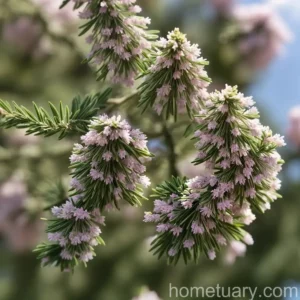
Vaccinium corymbosum ‘Pink Popcorn’ (Highbush Blueberry): A Complete Guide
Introduction
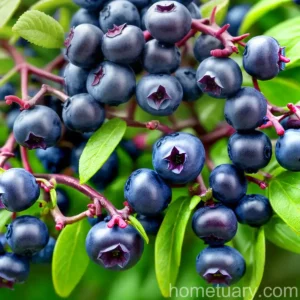
Vaccinium corymbosum ‘Pink Popcorn’, commonly known as Highbush Blueberry, is an exquisite and captivating plant that offers more than just aesthetic appeal. This cultivar is recognized for its remarkable ornamental value, flavorful fruits, and numerous health benefits. In this comprehensive guide, we will explore everything you need to know about the culture, uses, care, and maintenance of the Vaccinium corymbosum ‘Pink Popcorn’, from its water and sunlight requirements to its pruning techniques and common diseases.
Key Takeaways
Vaccinium corymbosum ‘Pink Popcorn’ (Highbush Blueberry)
- Species: Vaccinium corymbosum
- Cultivar: Pink Popcorn
- Common Name: Highbush Blueberry
- Ornamental Value: Attractive foliage and flowers, stunning fall coloration
- Fruit: Edible, flavorful, and nutritionally rich
- Health Benefits: Rich in antioxidants, vitamins, and minerals
Culture
Water
Proper watering is essential for the optimal growth and fruiting of Highbush Blueberries. Since these plants have shallow root systems, they require consistent moisture, especially during the fruiting season. Adequate watering is particularly crucial during dry spells to prevent the soil from drying out. A 2-inch layer of organic mulch, such as pine bark or wood chips, can help retain soil moisture and regulate temperature.
Sunlight
Highbush Blueberries thrive in full sun, requiring a minimum of 6-8 hours of direct sunlight per day. When planted in partial shade, they may produce fewer fruits and exhibit reduced vigor. Therefore, it is advisable to select a location with ample sunlight exposure for optimal growth and fruit development.
Fertilizer
A balanced fertilizer designed for acid-loving plants is ideal for Highbush Blueberries. It is recommended to conduct a soil test to determine the pH and nutrient levels before applying any fertilizers. Typically, a nitrogen-rich fertilizer should be applied in spring, followed by additional applications as directed by the soil test results. Additionally, organic options such as compost or well-rotted manure can be incorporated into the soil as a natural source of nutrients.
Soil
Highbush Blueberries thrive in well-drained, acidic soil with a pH level between 4.5 and 5.5. Soil that is rich in organic matter, such as peat moss, and has good drainage properties is highly favorable for the cultivation of these plants. To maintain the ideal pH level, periodic soil testing and the addition of suitable amendments, such as sulfur, may be necessary.
Pruning
Pruning is an essential aspect of Highbush Blueberry plant care, promoting airflow, controlling the plant’s size, and encouraging fruit production. The ideal time for pruning is during the dormant season, typically in late winter or early spring. Regular removal of dead, damaged, or diseased branches, as well as thinning out excessive growth, helps maintain the plant’s health and productivity. Additionally, selective pruning can stimulate new growth and enhance the overall appearance of the plant.
Propagation
Highbush Blueberries can be propagated through various methods, including hardwood cuttings, softwood cuttings, and layering. Hardwood cuttings are typically collected in late winter, while softwood cuttings are gathered in mid to late summer. Layering involves bending a low-hanging branch to the ground, covering it with soil, and allowing it to develop roots before cutting it from the parent plant. Successful propagation requires proper selection of the parent plant, appropriate timing, and suitable environmental conditions.
Container Popularity
The cultivation of Highbush Blueberries in containers has gained popularity due to the flexibility it offers in terms of plant placement, ease of maintenance, and the ability to control soil conditions. Choose a large container with adequate drainage holes to accommodate the plant’s root system, and use a well-draining, acidic potting mix, similar to the soil requirements for in-ground cultivation. Container-grown Highbush Blueberries may require more frequent watering and fertilization, as the soil in containers tends to dry out more quickly and may deplete nutrients over time.
Common Diseases
Disease Diagnosis
Highbush Blueberries are susceptible to various diseases, including mummy berry, powdery mildew, and root rot. Regular monitoring of the plants for any signs of discoloration, wilting, or abnormal growth can aid in early disease diagnosis. Additionally, practicing good sanitation, maintaining proper spacing between plants, and providing adequate air circulation can help prevent the spread of diseases.
Common Pests
Common pests that pose a threat to Highbush Blueberries include aphids, spider mites, and fruitworms. Regular inspection of the plants for pest activity, especially during the growing season, is essential for early pest detection and control. Organic pest control methods, such as insecticidal soaps and neem oil, can be utilized to manage pest infestations while minimizing the impact on beneficial insects and the environment.
Botanist’s Tips
- Regularly monitor soil moisture levels, especially during dry periods, to prevent the soil from drying out and affecting plant health.
- When planting Highbush Blueberries, ensure proper spacing to allow for adequate airflow and sunlight penetration, thereby reducing the risk of diseases and promoting optimal growth.
Fun Facts
- The vibrant foliage of Highbush Blueberries, especially during the fall season, adds a captivating aesthetic appeal to landscapes and gardens.
- Highbush Blueberries are a favorite among pollinators, attracting bees and butterflies with their fragrant flowers.
Links to External Resources
- Vaccinium corymbosum ‘Pink Popcorn’ (Highbush Blueberry) – Missouri Botanical Garden
- Growing Highbush Blueberries in the Home Garden – University of Maine Cooperative Extension
- Highbush Blueberry Production Guide – North Carolina State University
- Managing Pests in Highbush Blueberries – University of Florida IFAS Extension
In conclusion, the Vaccinium corymbosum ‘Pink Popcorn’ (Highbush Blueberry) is a delightful addition to gardens, providing not only visually striking features but also nutritious and delicious fruits. By understanding its cultivation requirements, addressing common issues, and appreciating its botanical attributes, individuals can successfully cultivate and enjoy the numerous benefits of this remarkable plant.