Vaccinium Ashei (Rabbiteye Blueberry)
Vaccinium ashei, commonly known as Rabbiteye Blueberry, is a deciduous shrub and a member of the Ericaceae family, which also includes cranberries.
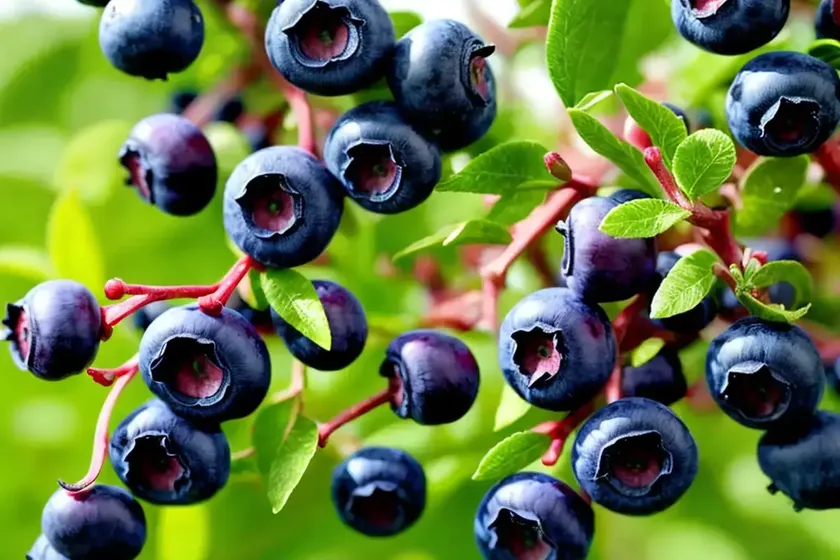
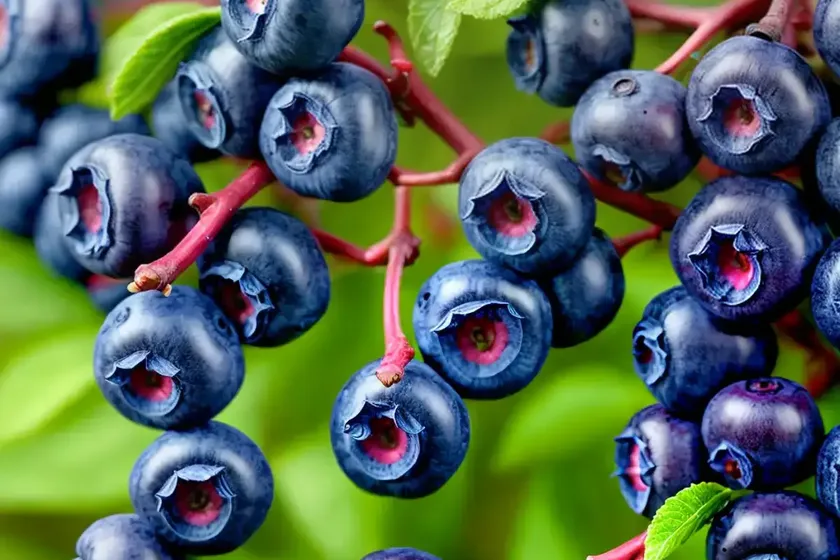
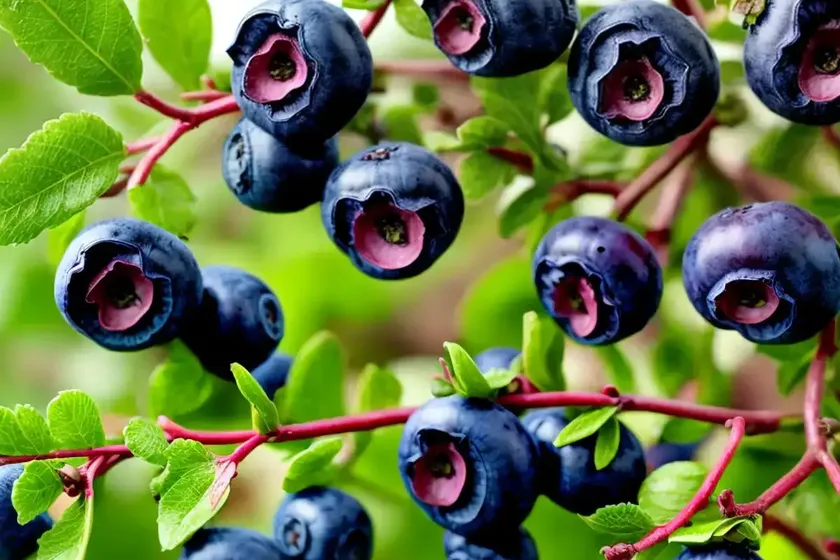
Vaccinium ashei, commonly known as Rabbiteye Blueberry, is a deciduous shrub and a member of the Ericaceae family, which also includes cranberries, bilberries, and rhododendrons. Native to the southeastern United States, Rabbiteye Blueberry is highly valued for its delicious and nutritious berries, making it a popular choice for home gardens, commercial orchards, and landscape designs. In this comprehensive guide, we will explore the characteristics, cultivation, uses, and maintenance of Vaccinium ashei, equipping you with the knowledge to foster healthy and productive Rabbiteye Blueberry plants.
Key Takeaways – Vaccinium ashei (Rabbiteye Blueberry)
Before delving into the specifics of cultivating and caring for Rabbiteye Blueberries, let’s highlight some key takeaways about this fascinating plant.
- Scientific Name: Vaccinium ashei
- Common Name: Rabbiteye Blueberry
- Family: Ericaceae
- Origin: Native to the southeastern United States
- Growth Habit: Deciduous shrub
- Berries: Known for its delicious and nutritious berries
- Cultivation: Suitable for home gardens, commercial orchards, and landscapes
- Notable Features: Beautiful foliage, vibrant berries, and ornamental value
- Challenges: Susceptible to certain diseases and pests
Now that we have an overview of Rabbiteye Blueberry, let’s dive deeper into its cultivation, uses, and maintenance.
What is Plant: Vaccinium ashei (Rabbiteye Blueberry)?
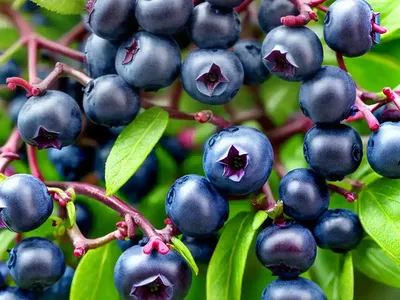
Vaccinium ashei, commonly referred to as Rabbiteye Blueberry, is a species of blueberry that belongs to the Ericaceae family. This deciduous shrub is prized for its luscious blueberries and ornamental value, making it a popular choice for gardeners and commercial growers alike. The plant’s name, “Rabbiteye,” originates from the unique appearance of its ripening fruit, which may resemble the eye of a rabbit.
Let’s explore some of the essential aspects of this remarkable plant:
Culture
Cultivating Rabbiteye Blueberries involves providing the right growing conditions, including soil, water, sunlight, and fertilizer. Understanding the cultural requirements of Vaccinium ashei is crucial for promoting healthy growth and optimizing fruit production.
Uses
From its delectable berries to its ornamental appeal, Rabbiteye Blueberry serves various purposes, ranging from culinary uses to landscaping and wildlife attraction. We will explore the diverse applications of Vaccinium ashei in this section.
Water
Like most plants, adequate water is essential for the growth and vitality of Rabbiteye Blueberries. However, understanding the ideal watering practices is crucial for preventing water-related issues while supporting robust plant development.
Sunlight
Sunlight plays a pivotal role in the growth and fruiting of Rabbiteye Blueberry plants. Understanding the sunlight requirements of Vaccinium ashei is essential for selecting suitable planting locations and optimizing berry production.
Fertilizer
Proper fertilization is key to providing Rabbiteye Blueberries with essential nutrients for vigorous growth and fruit development. We will delve into the recommended fertilizer practices for cultivating healthy and productive Vaccinium ashei plants.
Soil
The soil composition and pH level significantly impact the overall health and productivity of Rabbiteye Blueberries. Understanding the soil requirements and amending the soil accordingly is essential for fostering thriving plants.
Pruning
Pruning is an essential practice for maintaining the shape of Rabbiteye Blueberry bushes, enhancing airflow, and promoting fruit production. Mastering the art of pruning Vaccinium ashei is vital for ensuring productive and manageable plants.
Propagation
Exploring different propagation methods is valuable in multiplying Rabbiteye Blueberry plants. From stem cuttings to division, understanding the propagation techniques can facilitate the expansion of your blueberry collection.
Container
Cultivating Rabbiteye Blueberries in containers offers flexibility and accessibility for growers with limited space. We will discuss the considerations and techniques for successful container gardening with Vaccinium ashei.
Popularity
The popularity of Rabbiteye Blueberries has soared due to their delectable berries and ornamental value. We will examine the factors contributing to the widespread appeal of Vaccinium ashei.
Common Diseases
Understanding the common diseases affecting Rabbiteye Blueberries is crucial for implementing preventive measures and timely interventions to safeguard plant health.
Disease Diagnosis
Recognizing the symptoms and causes of diseases in Rabbiteye Blueberry plants is essential for accurate diagnosis and effective disease management.
Common Pests
Pests can threaten the health and productivity of Rabbiteye Blueberries. Identifying common pests and implementing pest control measures is vital for protecting Vaccinium ashei plants.
Botanist’s Tips
Insights and recommendations from botanists can provide valuable guidance for cultivating and caring for Rabbiteye Blueberries. We will explore expert tips to optimize the growth and fruiting of Vaccinium ashei.
Fun Facts
Uncover intriguing and little-known facts about Rabbiteye Blueberries, shedding light on the plant’s unique characteristics and historical significance.
Links to External Resources
Access additional information, resources, and supportive materials related to Rabbiteye Blueberries, expanding your knowledge and expertise in cultivating Vaccinium ashei.
Now that we have outlined the key sections of our comprehensive guide, let’s embark on a detailed exploration of each aspect, equipping you with a thorough understanding of Vaccinium ashei and its cultivation.
Culture
Cultivating Rabbiteye Blueberries involves understanding and addressing the plant’s cultural requirements, encompassing water, sunlight, fertilizer, and soil. By providing an optimal growing environment, you can promote the health and productivity of Vaccinium ashei plants.
Water
Proper watering practices are essential for sustaining healthy and productive Rabbiteye Blueberry plants. While Vaccinium ashei exhibits good drought tolerance once established, consistently moist soil is crucial, especially during the flowering and fruit development stages. It is important to avoid overwatering, as excessively wet conditions can lead to root rot and other water-related issues.
Watering Tips for Rabbiteye Blueberries
- Frequency: Water newly planted Rabbiteye Blueberry bushes deeply and regularly, particularly during the first growing season to aid in establishment. As the plants mature, maintain a consistent moisture level, especially during flowering and fruiting.
- Soil Moisture: Keep the soil consistently moist but not waterlogged, as excessively saturated soil can lead to root rot and other water-related problems.
- Mulching: Apply a layer of organic mulch around the base of Rabbiteye Blueberry plants to help retain soil moisture and reduce water evaporation.
- Drip Irrigation: Consider using drip irrigation or soaker hoses to deliver water directly to the root zone, promoting efficient water usage and minimizing foliage wetting.
Sunlight
Rabbiteye Blueberries thrive in full sun, requiring a minimum of 6-8 hours of direct sunlight daily for optimal growth and fruit production. Adequate sunlight promotes the development of flavorful berries and supports the overall vigor of Vaccinium ashei plants.
Sunlight Needs for Rabbiteye Blueberries
- Site Selection: Choose a planting location that receives full sun, ensuring that the Rabbiteye Blueberry plants are exposed to ample direct sunlight throughout the day.
- Shading: Avoid planting Rabbiteye Blueberries in shaded areas or areas with significant competition from nearby trees or structures, as this can limit sunlight exposure and hinder plant growth.
- Southern Exposure: If possible, select a site with a southern exposure to maximize sunlight exposure, especially in cooler climates where additional warmth is beneficial for fruit ripening.
Fertilizer
Proper fertilization is essential for providing Rabbiteye Blueberries with the necessary nutrients for healthy growth, flowering, and fruiting. Understanding the fertilizer requirements and practices for Vaccinium ashei is crucial for promoting robust plant development and bountiful berry yields.
Fertilizer Techniques for Rabbiteye Blueberries
- Soil Testing: Conduct a soil test to assess the existing nutrient levels and pH of the soil, allowing you to make informed decisions regarding fertilizer application and soil amendments.
- Acidic Fertilizer: Use a balanced, acidic fertilizer specifically formulated for acid-loving plants, such as azaleas, camellias, and blueberries, to provide essential nutrients while maintaining a suitable soil pH.
- Application Timing: Apply fertilizer in early spring before new growth emerges, and again in late spring or early summer to support fruit development. Refrain from fertilizing in late summer to prevent stimulating late-season growth susceptible to frost damage.
Soil
The soil composition and pH level significantly influence the growth, productivity, and overall health of Rabbiteye Blueberries. Understanding the soil requirements and implementing appropriate soil amendments are essential for fostering thriving Vaccinium ashei plants.
Soil Requirements for Rabbiteye Blueberries
- Acidic Soil: Rabbiteye Blueberries thrive in acidic soil with a pH range of 4.5 to 5.5. It is important to cultivate Vaccinium ashei in well-draining soil with a low pH to ensure optimal nutrient uptake and root health.
- Soil Amendments: If the existing soil pH is not within the suitable range, amend it with organic matter and acidifying agents, such as elemental sulfur or acidic fertilizers, to lower the pH and create an ideal growing environment for Rabbiteye Blueberries.
- Raised Beds: In areas with poorly draining or alkaline soil, consider growing Rabbiteye Blueberries in raised beds or containers filled with acidic, well-aerated growing media to provide the necessary conditions for healthy plant growth.
Pruning
Pruning plays a crucial role in maintaining the size, shape, and productivity of Rabbiteye Blueberry plants. By adopting proper pruning techniques, you can promote airflow, remove dead or diseased wood, and stimulate the growth of new fruit-bearing wood, ultimately enhancing the yield and quality of Vaccinium ashei berries.
Pruning Techniques for Rabbiteye Blueberries
- Annual Pruning: Conduct annual pruning during the dormant season, typically in late winter or early spring before new growth begins. Remove damaged, weak, or crossing branches, as well as older non-productive wood to rejuvenate the plant.
- Thinning: Thin out excessive growth to enhance light penetration and airflow within the canopy, reducing the risk of diseases and promoting even fruit ripening.
- Rejuvenation Pruning: Periodically rejuvenate overgrown or neglected Rabbiteye Blueberry plants by selectively removing older, unproductive canes to encourage the development of new, vigorous growth.
Now that we have covered the cultural aspects of cultivating Rabbiteye Blueberries, let’s explore the uses of Vaccinium ashei, including its culinary and ornamental applications.
Uses
Rabbiteye Blueberry, beyond its delectable berries, exhibits versatility in various uses, ranging from culinary delights to landscape adornment and wildlife attraction. Understanding the diverse applications of Vaccinium ashei can illuminate its significance and potential in different contexts.
Culinary Uses
The luscious and flavorful berries of Rabbiteye Blueberries lend themselves to a myriad of culinary creations, from tantalizing desserts and breakfast treats to savory dishes and refreshing beverages. Their sweet-tart flavor and vibrant color make them a prized ingredient in a wide range of recipes, including pies, muffins, jams, and smoothies.
Culinary Delights with Rabbiteye Blueberries
- Baking: Incorporate fresh or frozen Rabbiteye Blueberries into muffins, scones, cobblers, and pies for a burst of fruity goodness and rich, natural sweetness.
- Preserves: Prepare homemade blueberry jams, jellies, and preserves using fresh berries, capturing the essence of summer to be enjoyed throughout the year.
- Smoothies: Blend Rabbiteye Blueberries with yogurt, bananas, and other fruits for vibrant and nutritious smoothies packed with antioxidants and vitamins.
- Sauces: Create delightful blueberry sauces to accompany grilled meats, poultry, or desserts, adding a touch of sweet and tangy flavor to your dishes.
Landscape Uses
In addition to their delectable berries, Rabbiteye Blueberry plants exhibit ornamental value, contributing to the aesthetic appeal of gardens and landscapes. The plant’s blooming, foliage, and fruiting characteristics make it an attractive addition to various settings, from ornamental borders to naturalistic plantings.
Ornamental Features of Rabbiteye Blueberries
- Spring Blooms: Enjoy the profusion of delicate white or pink blossoms adorning Rabbiteye Blueberry plants in early spring, adding a lovely touch of elegance to the landscape.
- Fall Foliage: Revel in the vibrant autumnal foliage of Rabbiteye Blueberries, as the leaves transition to a medley of striking red, orange, and yellow hues, contributing to the seasonal beauty of the garden.
- Winter Interest: Appreciate the subtle charm of bare Rabbiteye Blueberry branches during the winter months, which can add visual interest to the landscape, particularly when coated with a dusting of snow.
- Wildlife Habitat: Provide a valuable food source for birds and wildlife, as the berries of Rabbiteye Blueberries attract a variety of avian visitors, contributing to the ecological significance of the plant.
Wildlife Attraction
Rabbiteye Blueberries play an essential role in supporting wildlife, particularly birds, by providing a source of nourishment in the form of nutritious berries. Their ecological significance extends to promoting biodiversity and contributing to the food web within natural habitats and home gardens alike.
Ecological Impact of Rabbiteye Blueberries
- Bird-Friendly Plants: Foster a bird-friendly environment by incorporating Rabbiteye Blueberries into your landscape, attracting a diverse array of bird species that rely on the berries as a food source.
- Nesting Habitat: Create favorable conditions for birds, as Rabbiteye Blueberry plants may provide shelter, nesting sites, and foraging opportunities, fostering a welcoming environment for avian inhabitants.
- Ecosystem Support: Contribute to the ecological balance by cultivating Rabbiteye Blueberries, promoting biodiversity and ecological resilience through the provision of food for wildlife.
Now that we have explored the diverse uses of Rabbiteye Blueberries, let’s delve into the maintenance practices, disease management, and pest control strategies essential for sustaining healthy and productive Vaccinium ashei plants.
Maintenance
Proper maintenance of Rabbiteye Blueberry plants is critical for ensuring their continued health, vigor, and fruitfulness. From disease prevention to pest control and general care, diligent maintenance practices are vital for promoting thriving Vaccinium ashei plants.
Common Diseases
Rabbiteye Blueberries are susceptible to certain diseases that can compromise plant health and diminish fruit yields if left unchecked. Familiarizing yourself with the common diseases affecting Vaccinium ashei is crucial for implementing preventive strategies and timely interventions to protect the plants.
Disease Diagnosis
Recognizing the symptoms and causes of diseases in Rabbiteye Blueberry plants is essential for accurate diagnosis and effective disease management. By identifying the distinctive signs of specific diseases, you can take appropriate measures to address and mitigate the associated issues.
Common Pests
Pests can pose a threat to the vitality and productivity of Rabbiteye Blueberries, necessitating vigilance and proactive pest control measures. Identifying common pests and implementing prevention and control practices is essential for safeguarding Vaccinium ashei plants from pest-related damage.
Botanist’s Tips
Insights and recommendations from botanists can provide invaluable guidance for cultivating and caring for Rabbiteye Blueberries. Expert tips and best practices can empower you to optimize the growth and fruiting of Vaccinium ashei while addressing specific challenges and complexities associated with the plant.
Fun Facts
Uncover intriguing and engrossing facts about Rabbiteye Blueberries, shedding light on the plant’s unique characteristics, historical significance, and delightful curiosities. From folklore to fascinating botanical traits, these fun facts add depth to your appreciation of Vaccinium ashei.
Links to External Resources
Expand your knowledge and resources related to Rabbiteye Blueberries by accessing additional information, supportive materials, and external resources. Gain insights from research papers, educational websites, and horticultural organizations to enhance your understanding of Vaccinium ashei and its cultivation.
Now that we have covered the key aspects of maintaining healthy and productive Rabbiteye Blueberry plants, let’s proceed to explore the additional considerations, fun facts, and external resources related to Vaccinium ashei.
Additional Considerations and Fun Facts
In addition to the essential aspects covered earlier, there are additional considerations, captivating fun facts, and valuable external resources that can further enrich your understanding and appreciation of Rabbiteye Blueberries, providing a holistic perspective on Vaccinium ashei cultivation.
Additional Considerations
- Winter Protection: Provide winter protection for Rabbiteye Blueberries in colder climates by mulching the base of the plants to insulate the root system and shield them from temperature fluctuations.
- Ongoing Care: Continually monitor the health and growth of Vaccinium ashei plants, addressing any issues promptly and consistently to sustain their vitality and productivity over the long term.
Fun Facts about Rabbiteye Blueberries
- Historical Significance: Rabbiteye Blueberries have a rich historical heritage, with indigenous peoples and early settlers utilizing the berries for sustenance and medicinal purposes, adding cultural and historical significance to the plant.
- Botanical Curiosities: The changing pigmentation of Rabbiteye Blueberries as they ripen, transitioning from pale green to shades of pink and blue, presents a captivating botanical spectacle throughout the fruiting season.
- Antioxidant Abundance: Rabbiteye Blueberries are recognized for their high antioxidant content, comprising an array of health-promoting compounds that contribute to the nutritional value and wellness benefits of the berries.
With these additional considerations and fun facts in mind, you can further deepen your appreciation and knowledge of Rabbiteye Blueberries and their cultivation.
Links to External Resources
Explore a curated selection of external resources, including research papers, educational materials, and horticultural organizations dedicated to promoting the knowledge and cultivation of Rabbiteye Blueberries. These resources offer valuable insights and supportive information to complement your understanding of Vaccinium ashei.
- United States Department of Agriculture (USDA) – Vaccinium ashei Information
- North Carolina State University Extension – Growing Rabbiteye Blueberries
- University of Florida IFAS Extension – Blueberry Gardener’s Guide
By accessing these external resources, you can expand your knowledge and expertise in cultivating Rabbiteye Blueberries, gaining valuable insights and practical guidance for growing and maintaining Vaccinium ashei plants.
Conclusion
Vaccinium ashei, or Rabbiteye Blueberry, is a captivating and versatile plant that offers not only delectable berries but also ornamental beauty and ecological significance. By understanding the