Vaccinium Arboreum (Sparkleberry)
In the world of plants, the Vaccinium arboreum, commonly known as Sparkleberry, is an extraordinary addition. This evergreen species belongs to the.
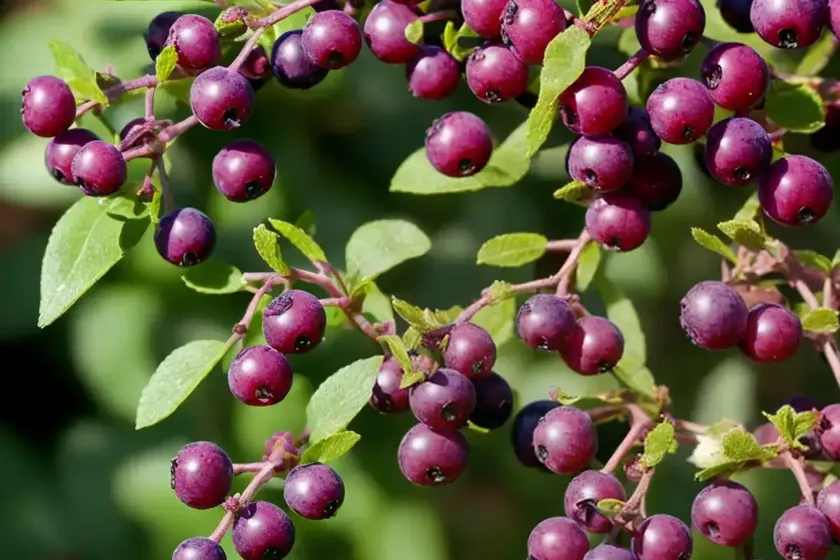
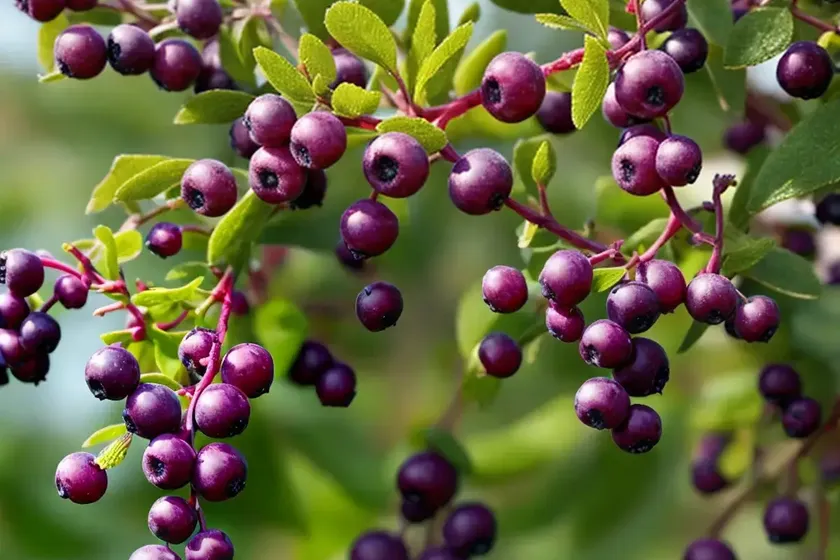
In the world of plants, the Vaccinium arboreum, commonly known as Sparkleberry, is an extraordinary addition. This evergreen species belongs to the Ericaceae family and is native to the southeastern United States. With its unique characteristics and cultural significance, Sparkleberry has become a popular choice for landscape design and ecological preservation. In this comprehensive guide, we will delve into the various aspects of Vaccinium arboreum, from its cultural requirements and uses to its significance in wildlife habitats.
What is Vaccinium arboreum (Sparkleberry)?
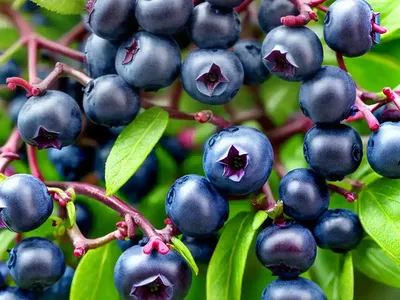
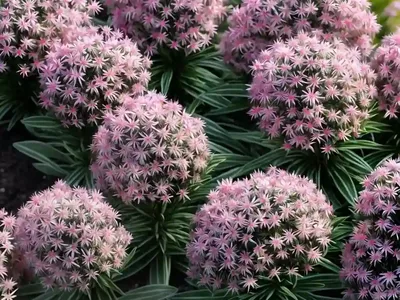
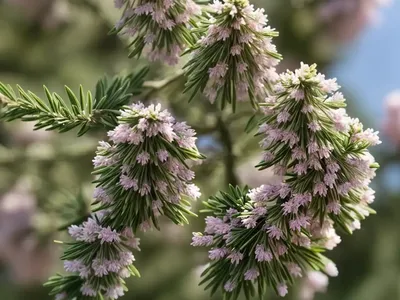
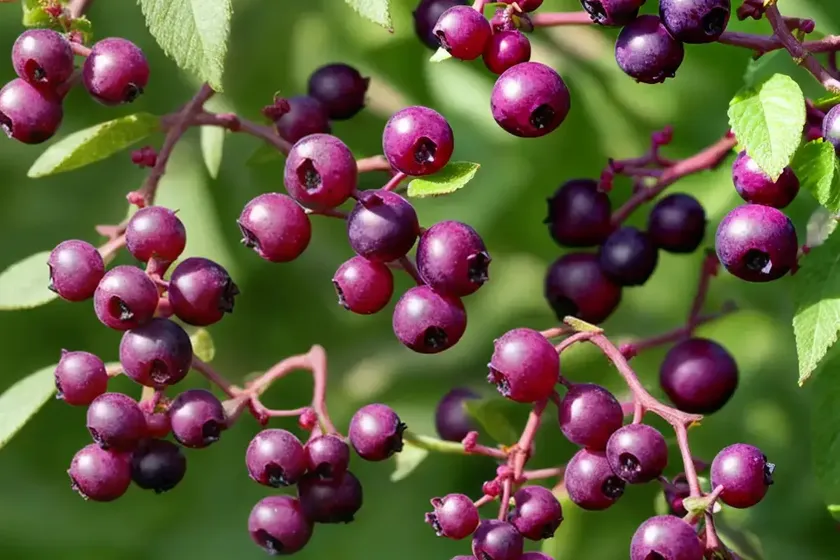
Vaccinium arboreum, also known as Sparkleberry, is a species of flowering plant in the heath family Ericaceae. It is native to the southeastern United States, particularly in regions such as Florida, Georgia, and Mississippi. This evergreen shrub is characterized by its intricate branching pattern, small white or pink flowers, and dark blue to black edible berries. The plant typically thrives in well-drained, acidic soils and is often found in pine flatwoods, sandhills, and dry hammocks.
With its unique characteristics and adaptability, Sparkleberry has garnered attention not only for its ornamental value in landscaping but also for its significance in supporting wildlife and biodiversity. Understanding the cultural requirements, uses, and ecological importance of Vaccinium arboreum is essential for both plant enthusiasts and conservationists.
Key Takeaways – Vaccinium arboreum (Sparkleberry)
- Scientific Name: Vaccinium arboreum
- Common Name: Sparkleberry
- Family: Ericaceae
- Native Habitat: Southeastern United States
- Foliage: Evergreen
- Flowers: Small white or pink flowers
- Fruits: Dark blue to black edible berries
- Cultural Significance: Ornamental landscaping, wildlife support
- Ecological Importance: Biodiversity, habitat preservation
Now that we have an overview of Vaccinium arboreum, let’s explore the various aspects of this remarkable plant in more detail.
Culture
Cultivating Vaccinium arboreum requires a keen understanding of its cultural requirements. From sunlight exposure to soil composition, providing the ideal growing conditions is essential for the health and vitality of Sparkleberry plants.
Sunlight
Sunlight plays a crucial role in the growth and development of Vaccinium arboreum. As an evergreen species, Sparkleberry thrives in full to partial sun. When planted in a location with ample sunlight exposure, the plant exhibits vigorous growth and abundant fruit production. In landscaping, selecting a spot that receives sunlight for the majority of the day is ideal for cultivating Sparkleberry shrubs.
Water
Maintaining proper moisture levels is essential for the health of Vaccinium arboreum. While the plant demonstrates good drought tolerance once established, it is important to provide adequate water during the establishment phase and periods of prolonged dryness. Consistent watering, particularly during the growing season, promotes healthy foliage and fruiting in Sparkleberry plants.
Soil
Vaccinium arboreum thrives in well-drained, acidic soils. The plant is well-suited for various soil types, including sandy soils and loamy soils, as long as the pH remains on the acidic end of the spectrum. Amending the soil with organic matter and mulching around the base of the shrub helps maintain moisture and provides essential nutrients for optimal growth.
Fertilizer
While Vaccinium arboreum is relatively low-maintenance, occasional fertilization can support its overall health and vigor. Using a balanced, acidic fertilizer specifically formulated for acid-loving plants is recommended. When applying fertilizer, following the instructions on the product label and avoiding over-fertilization is crucial to prevent any potential nutrient imbalances.
Uses
The versatile nature of Vaccinium arboreum extends to its various uses, ranging from ornamental landscaping to ecological preservation. Understanding the diverse applications of Sparkleberry plants underscores their value in both cultivated and natural settings.
Ornamental Landscaping
In landscaping, Vaccinium arboreum serves as a charming addition to gardens, naturalized areas, and woodland settings. Its evergreen foliage, delicate flowers, and striking berries contribute to year-round visual interest. Whether used as a specimen plant, hedge, or part of mixed plantings, Sparkleberry adds depth and texture to the landscape while attracting wildlife such as birds and pollinators.
Wildlife Support
One of the most significant uses of Vaccinium arboreum is its role in supporting wildlife and biodiversity. The plant’s berries are a valuable food source for various bird species, contributing to the ecological balance and promoting avian diversity. By incorporating Sparkleberry into naturalistic habitats and wildlife-friendly gardens, individuals can actively contribute to the preservation of native flora and fauna.
Pruning
Pruning is an essential aspect of caring for Vaccinium arboreum, especially in maintaining its desired shape, promoting fruiting, and ensuring overall plant health. Understanding the appropriate pruning techniques for Sparkleberry is fundamental for gardeners and horticulturists.
Pruning Techniques
When pruning Vaccinium arboreum, focus on removing dead, damaged, or crossing branches to improve air circulation and encourage new growth. Additionally, shaping the shrub to maintain a balanced and aesthetically pleasing form is a common objective of pruning. Conducting pruning activities during the plant’s dormant season is generally recommended, as it minimizes stress and allows for ample recovery time before the onset of new growth.
Propagation
Propagating Vaccinium arboreum allows for the expansion of its presence in garden settings and restoration projects. Understanding the methods of propagation, whether through seeds or cuttings, is essential for cultivating new Sparkleberry plants.
Seed Propagation
Propagating Vaccinium arboreum from seeds is a viable method for generating new plants. Harvesting ripe berries and extracting the seeds for stratification and subsequent germination is a common approach. Sowing the seeds in a suitable growing medium and providing optimal conditions for germination and seedling establishment facilitates the propagation of Sparkleberry through this method.
Cutting Propagation
Utilizing stem cuttings for the propagation of Vaccinium arboreum is another effective technique. Selecting healthy, non-flowering shoots and preparing them for rooting in a suitable propagation medium sets the stage for successful establishment. With careful attention to environmental conditions and consistent care, newly rooted cuttings can develop into robust Sparkleberry plants.
Container Popularity
Vaccinium arboreum’s adaptability makes it a suitable candidate for container gardening, expanding its reach to urban and space-limited environments. The plant’s ornamental and ecological value in containers positions it as a popular choice for various gardening enthusiasts and conservation efforts.
Container Gardening
Cultivating Vaccinium arboreum in containers offers the opportunity to appreciate its beauty and ecological contributions in a confined space. Whether placed on patios, balconies, or small gardens, container-grown Sparkleberry plants showcase their evergreen foliage, seasonal blooms, and berries, creating a captivating display. The mobility of containers also allows for the strategic positioning of Sparkleberry to attract wildlife and enhance visual appeal.
Common Diseases
Understanding potential diseases that may affect Vaccinium arboreum is essential for implementing proactive measures to maintain plant health. While Sparkleberry is relatively resilient, being aware of common diseases and their symptoms is crucial for timely intervention and management.
Disease Diagnosis
Several diseases can impact the health of Vaccinium arboreum, including fungal infections and bacterial diseases. Prominent symptoms such as leaf spots, wilting, and abnormal discoloration should be carefully monitored. Conducting regular inspections and promptly addressing any signs of disease through appropriate treatments, including fungicides or cultural practices, is vital for mitigating the impact of diseases on Sparkleberry plants.
Common Pests
In addition to diseases, Vaccinium arboreum may also face challenges from various pests that can compromise its growth and vitality. Identifying common pests and implementing integrated pest management strategies is crucial for safeguarding Sparkleberry plants from potential infestations.
Pest Management
Common pests that may affect Vaccinium arboreum include spider mites, scale insects, and caterpillars. Monitoring the presence of pests, particularly on the undersides of leaves and at the growing tips, allows for early detection and localized intervention. Utilizing horticultural oils, naturally occurring predators, and physical removal methods can effectively manage pest populations without the excessive use of synthetic pesticides.
Botanist’s Tips
Vaccinium arboreum possesses unique characteristics and requirements that set it apart as an exceptional plant species. To ensure the successful cultivation and preservation of Sparkleberry, here are some valuable tips for botanists and plant enthusiasts.
Tip 1: Soil Requirements
Understanding the specific soil requirements of Vaccinium arboreum is essential for creating optimal growing conditions. Aim for well-drained, acidic soils rich in organic matter to promote healthy root development and overall plant vigor.
Tip 2: Fruiting Season
Being mindful of the fruiting season of Sparkleberry is important for both gardening activities and wildlife observation. The dark blue to black edible berries typically ripen in late summer to early fall, offering a valuable food source for birds and an aesthetic touch to the landscape.
Tip 3: Ecological Significance
Appreciating the ecological significance of Vaccinium arboreum fosters a deeper understanding of its role in supporting wildlife and preserving native habitats. By incorporating Sparkleberry plants in landscape designs and conservation efforts, individuals can contribute to the enhancement of biodiversity.
Fun Facts
Exploring the intriguing aspects of Vaccinium arboreum through fun facts adds depth to the appreciation of this remarkable plant. From its folklore to ecological interactions, Sparkleberry presents a tapestry of fascinating insights.
- Bird Attraction: Vaccinium arboreum’s berries are cherished by various bird species, adding to the avian diversity in naturalistic settings and gardens.
- Folklore: In folklore and traditional narratives, Sparkleberry is associated with themes of resilience, renewal, and natural abundance, embodying a symbolic significance in cultural contexts.
- Ornamental Diversity: Beyond its ecological contributions, Sparkleberry exhibits striking ornamental diversity, particularly through its seasonal changes in foliage colors and fruiting patterns.
Links to External Resources
For further exploration of Vaccinium arboreum (Sparkleberry) and related topics, the following links provide additional insights and educational resources:
- Lady Bird Johnson Wildflower Center – Vaccinium arboreum
- USDA Plants Database – Vaccinium arboreum
- Southern Living – Native Plants: Sparkleberry
In conclusion, the captivating nature and ecological significance of Vaccinium arboreum make it a plant of remarkable value in both landscaping and conservation initiatives. By understanding its cultural requirements, diverse uses, and contributions to wildlife habitats, individuals can appreciate and promote the conservation of this native species. Whether as an ornamental addition to gardens or a key player in supporting biodiversity, Vaccinium arboreum (Sparkleberry) stands as a testament to the beauty and importance of native flora.