Typha minima (Dwarf Cattail)
Plants play a crucial role in our ecosystem, influencing our lives in more ways than we can imagine. One such fascinating plant is the Typha minima, also known as the dwarf cattail. Its unique characteristics, adaptability, and uses make it an essential species to explore. In this comprehensive guide, we will delve into the intriguing world of Typha minima, covering its culture, uses, care tips, propagation, and much more.
What is Typha minima (Dwarf Cattail)?
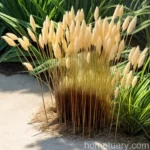
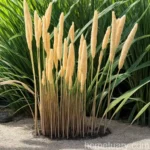
Typha minima, commonly referred to as the dwarf cattail, is a species of flowering plant that belongs to the Typhaceae family. As the name suggests, it is smaller in size compared to its close relative, Typha latifolia (common cattail). This perennial plant is native to Europe, where it thrives in various wetland habitats, including marshes, lakesides, and ponds. With its characteristic cigar-shaped brown inflorescence, Typha minima adds a unique aesthetic to wetland environments.
Key Takeaways – Typha minima (Dwarf Cattail)
Before we delve deeper into the specifics of Typha minima, let’s highlight some key takeaways about this intriguing plant:
- Plant Name: Typha minima (Dwarf Cattail)
- Family: Typhaceae
- Native Habitat: Wetlands, marshes, and lakesides
- Characteristics: Smaller size, cigar-shaped brown inflorescence
- Uses: Ornamental plant, ecological restoration, wildlife habitat, biofilter
- Adaptations: Thrives in water environments, water purification abilities
Now that we have an overview of Typha minima, let’s explore its culture, uses, and care tips in more detail.
Culture of Typha minima
Understanding the ideal cultural conditions for Typha minima is essential for its successful growth and development. From water and sunlight requirements to soil preferences, let’s explore the cultural aspects of cultivating this unique plant.
Water
Typha minima is inherently adapted to water environments and thrives in moist to wet soil conditions. In its natural habitat, it is often found in shallow water or at the water’s edge. When grown in garden or landscape settings, it is essential to ensure consistent moisture for optimal growth. This makes Typha minima an excellent choice for landscaping in wet or boggy areas, as well as for pond and wetland restoration projects.
Sunlight
In terms of sunlight requirements, Typha minima thrives in full sun to partial shade. It can tolerate a range of light conditions, making it versatile for various planting environments. However, providing ample sunlight is crucial for promoting healthy growth and blooming.
Fertilizer
Being a water-loving plant, Typha minima derives essential nutrients from the aquatic environment. In a garden or landscape setting, organic fertilizers designed for aquatic plants can be beneficial for promoting vigorous growth and robust flowering. When using fertilizers, it is important to follow the recommended application rates to avoid any adverse effects on the plant or its surrounding ecosystem.
Soil
Typha minima has a preference for rich, loamy soil that retains moisture well. In its natural habitat, it is often found in mud or silty soil near water bodies. When cultivating Typha minima in a garden or landscape, it is crucial to replicate its preferred soil conditions to ensure its long-term health and vitality.
Uses of Typha minima
The versatility of Typha minima extends to various practical and ecological uses, making it a valuable addition to different settings. Let’s explore some of the key uses of this fascinating plant.
Ornamental Plant
Due to its unique appearance and adaptability to water-rich environments, Typha minima is often used as an ornamental plant in landscaping and garden design. Its characteristic brown inflorescence adds visual interest and texture to wetland gardens, ponds, and water features. The compact size of Typha minima makes it a suitable choice for smaller water gardens and container plantings.
Ecological Restoration
In addition to its ornamental uses, Typha minima plays a crucial role in ecological restoration projects, particularly in wetland and riparian habitats. Its ability to stabilize soil, improve water quality, and provide habitat for wildlife makes it a valuable plant species for restoring and enhancing natural ecosystems.
Wildlife Habitat
The dense foliage and seed heads of Typha minima provide vital habitat and food sources for a variety of wildlife, including birds, insects, and small mammals. Its presence in wetland environments contributes to the overall biodiversity and ecological balance, creating a harmonious ecosystem for diverse species.
Care for Typha minima
Providing proper care and maintenance is essential for ensuring the health and longevity of Typha minima. Let’s delve into some important care tips for this unique plant.
Pruning
Pruning is generally not necessary for Typha minima in natural or garden settings, as the plant naturally sheds old foliage and blooms. However, if the plant is growing in a confined space, such as a container, occasional trimming of dead or unsightly foliage can help maintain its appearance and health.
Propagation
Typha minima can be propagated through division or from seeds. Division is typically carried out in early spring by separating the rhizomes and plant segments. When propagating from seeds, it is important to ensure that the seeds are planted in a suitable substrate and provided with adequate moisture for germination.
Container Popularity
Typha minima’s compact size and adaptability to moist soil conditions make it a popular choice for container gardening, particularly in water features and aquatic plant displays. Its ability to thrive in confined spaces and enhance the visual appeal of water gardens has contributed to its growing popularity among container plant enthusiasts.
Common Diseases
While Typha minima is relatively resistant to pests and diseases, it may be susceptible to certain fungal infections or rotting if grown in excessively waterlogged soil. Proper site selection and soil management can help minimize the risk of disease development.
Disease Diagnosis
Early signs of disease in Typha minima may include yellowing or wilting of foliage, stunted growth, or unusual discoloration on leaves and stems. If any of these symptoms are observed, it is important to promptly assess the plant’s growing conditions and address any potential issues to prevent further spread of the disease.
Common Pests
Typha minima is generally not heavily targeted by pests, thanks to its natural resilience and adaptation to wetland environments. However, occasional pests such as aphids or caterpillars may feed on the foliage. Vigilant monitoring and appropriate pest management strategies can help minimize any potential pest-related damage.
Botanist’s Tips
As botanists and plant enthusiasts, there are several valuable tips and insights to consider when growing and appreciating Typha minima in diverse settings. Let’s explore some expert tips for cultivating and enjoying this unique plant species.
- Water Requirements: Ensure consistent moisture for optimal growth. Consider planting near water bodies or in soil that retains moisture well.
- Wildlife Habitat: Recognize and appreciate the ecological role of Typha minima in providing essential habitat and food sources for wildlife.
- Aesthetic Impact: Embrace the distinctive appearance of Typha minima, and consider incorporating it in water garden designs and landscape compositions for visual interest and ecological function.
- Erosion Control: Utilize Typha minima in restoration projects and erosion-prone areas to stabilize soil and improve ecological resilience.
Fun Facts
Uncover some intriguing and lesser-known facts about Typha minima that showcase its unique characteristics and ecological significance.
- Typha minima is a valuable biofilter plant, capable of absorbing and removing pollutants from water, contributing to improved water quality in wetland environments.
- In addition to its ecological role, Typha minima has been used for medicinal purposes in traditional herbal medicine, with applications ranging from wound healing to respiratory ailments.
- The distinctively shaped inflorescence of Typha minima has inspired various cultural and symbolic associations, with representations in art, mythology, and folklore across different societies.
Links to External Resources
For further exploration and in-depth information about Typha minima, the following external resources offer valuable insights and practical guidance:
- Wetland Plants: Typha minima – Royal Horticultural Society
- Wetland Plant Fact Sheet: Dwarf Cattail (Typha minima) – Wisconsin Department of Natural Resources
- Native Plant Database: Typha minima – Lady Bird Johnson Wildflower Center
- Caring for Aquatic Plants – University of Florida IFAS Extension
- The Role of Cattails in Phytoremediation – US EPA
With a deeper understanding of Typha minima and its cultural, uses, and care requirements, we gain a newfound appreciation for this remarkable plant and its contributions to our natural world. Whether it’s enriching the aesthetic appeal of water gardens, promoting ecological restoration, or providing essential wildlife habitat, Typha minima continues to captivate and inspire plant lovers and environmental stewards alike.
References:
- Royal Horticultural Society. “Wetland Plants: Typha minima.” https://www.rhs.org.uk/Plants/97508/i-Typha-minima-i/Details
- Wisconsin Department of Natural Resources. “Wetland Plant Fact Sheet: Dwarf Cattail (Typha minima).” https://dnr.wi.gov/topic/EndangeredResources/Plants.asp?mode=detail&SpecCode=PMCAC03050
- Lady Bird Johnson Wildflower Center. “Native Plant Database: Typha minima.” https://www.wildflower.org/plants/result.php?id_plant=TYMI
- University of Florida IFAS Extension. “Caring for Aquatic Plants.” https://edis.ifas.ufl.edu/EP030
- US EPA. “The Role of Cattails in Phytoremediation.” https://archive.epa.gov/water/archive/web/html/cattails.html
By exploring the cultural aspects, uses, and care tips for Typha minima, we gain valuable insights into its significance and role in our environment. It’s a reminder of the intricate connections between plants, ecosystems, and our own well-being, motivating us to embrace and protect the natural world around us.