Typha laxmannii (Graceful Cattail): A Comprehensive Guide
In the realm of botanical wonders, the Typha laxmannii, commonly known as Graceful Cattail, stands out as an emblem of ecological importance and versatile uses. This resilient species is esteemed for its unique characteristics, captivating beauty, and myriad of benefits. From its native wetlands to ornamental gardens, the Graceful Cattail is a cherished addition to diverse landscapes. In this comprehensive guide, we delve into every aspect of Typha laxmannii, exploring its habitat, care requirements, uses, and much more.
What is Typha laxmannii (Graceful Cattail)?
Taxonomic Classification
Typha laxmannii belongs to the Typhaceae family and the genus Typha, encompassing other cattail species. Within the Typha genus, Typha laxmannii is an intriguing and distinct member characterized by its graceful form and varying ecological adaptations.
Morphological Characteristics
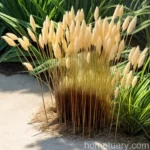
This perennial herbaceous plant is notable for its tall reed-like stems, elongated green leaves, and iconic cylindrical brown flower spikes. The Graceful Cattail presents a striking silhouette, adding a touch of elegance to any wetland or garden.
Ecological Significance
In its natural habitat, Typha laxmannii plays a critical role in wetland ecosystems by providing habitats for various organisms, contributing to water purification, and serving as a valuable resource for wildlife. Its ecological importance extends beyond its immediate surroundings, influencing the overall health and balance of wetland environments.
Key Takeaways – Typha laxmannii (Graceful Cattail)
To understand and appreciate the significance of Typha laxmannii, let’s explore its key takeaways. From its cultural symbolism to its practical uses, each aspect of this resilient plant offers valuable insights.
Culture
- Symbolism: In many cultures, the cattail plant symbolizes prosperity, peace, and resilience. Its presence in folklore and traditional ceremonies highlights its enduring cultural significance.
Uses
-
Traditional Applications: The cattail plant has been traditionally utilized for weaving, thatching, and crafting various items such as mats, baskets, and even clothing.
-
Medicinal Properties: Certain parts of the plant have been used in traditional medicine for their potential healing properties, offering remedies for ailments.
-
Habitat Restoration: Typha laxmannii is instrumental in wetland restoration efforts, aiding in the re-establishment of crucial ecosystems.
Water
- Ecological Role: By filtering and purifying water, cattails contribute to the overall health of aquatic environments. Their ability to remove pollutants and excess nutrients is essential in maintaining water quality.
Sunlight
- Light Requirements: Graceful Cattails thrive in full sun, requiring ample sunlight for optimal growth and development.
Soil
- Adaptability: This species exhibits a remarkable tolerance for a range of soil types, including wet or waterlogged soils, making it an ideal choice for marshland and riparian plantings.
Pruning
- Maintenance: Regular removal of spent flower heads and old foliage can help maintain the plant’s vigor and aesthetic appeal. Pruning also prevents the spread of seeds in garden settings, where self-seeding may not be desired.
Propagation
- Rhizome Propagation: Graceful Cattails can be propagated through the division of rhizomes, allowing for the establishment of new plants and the expansion of existing colonies.
Container Popularity
- Gardening Applications: While often found in natural wetland settings, Typha laxmannii can also thrive in container gardens, providing a unique and visually captivating addition to outdoor spaces.
Common Diseases
- Pest Susceptibility: Although generally resilient, cattails may be susceptible to certain pests and diseases, requiring proper monitoring and management to ensure their vitality.
Botanist’s Tips
- Eco-friendly Landscaping: Incorporating Typha laxmannii into landscaping projects can enhance the ecological value of the environment while adding aesthetic appeal.
Fun Facts
- Historical Significance: Cattails have been utilized by various civilizations throughout history, showcasing their enduring significance and practical versatility.
Graceful Cattail Description
Typha laxmannii: An Icon of Elegance
The Graceful Cattail, or Typha laxmannii, captures the essence of natural elegance with its slender, vertical form and distinctive flowering spikes. As a wetland native, this species exhibits a remarkable ability to thrive in waterlogged soils, embodying its adaptability and resilience.
Typha laxmannii Characteristics
-
Height: Typically reaching heights of 4 to 6 feet, the graceful, towering presence of Typha laxmannii adds vertical interest to its surroundings.
-
Leaves: Long, narrow leaves with a deep green hue form a graceful contrast against the plant’s upright flower spikes.
-
Spikes: The cylindrical brown flower spikes, known as “cattails,” are a defining feature of Typha laxmannii, creating a visually striking display.
Graceful Cattail Facts
-
Ecological Contributions: Beyond its aesthetic appeal, the Graceful Cattail serves as a vital component of wetland ecosystems, offering habitat, food, and contributing to the overall ecological balance.
-
Cultural Significance: Across diverse cultures, cattails have held symbolic significance, representing concepts of resilience, sustenance, and interconnectedness with nature.
Typha laxmannii Species
Within the Typha genus, Typha laxmannii stands out as a distinct species, recognized for its graceful stature and ecological adaptability. Its specific characteristics and ecological contributions set it apart as a noteworthy member of the cattail family.
Typha laxmannii Habitat
- Wetland Environments: Typha laxmannii is primarily associated with marshes, swamps, and other wetland habitats, thriving in areas characterized by waterlogged soils and ample sunlight.
Typha laxmannii Adaptations
-
Water Tolerance: The Graceful Cattail demonstrates a high degree of water tolerance, enabling it to flourish in habitats with fluctuating water levels.
-
Seed Dispersal: The dispersal of cattail seeds—carried by wind or water—facilitates their propagation and colonization of suitable habitat areas.
Graceful Cattail Care
Typha laxmannii Uses
From its traditional applications to its modern-day significance in ecological restoration and landscaping, Typha laxmannii offers a multitude of practical uses and benefits. Understanding its diverse applications provides valuable insights into the plant’s cultural, ecological, and horticultural significance.
Graceful Cattail Benefits
-
Wetland Restoration: As a pioneer species, Typha laxmannii plays a pivotal role in wetland restoration efforts, aiding in the re-establishment of diverse aquatic habitats.
-
Wildlife Habitat: The plant’s dense colonies provide habitat, food, and shelter for various species, contributing to the overall biodiversity of wetland ecosystems.
-
Ecological Services: Through its water purification capabilities and contributions to nutrient cycling, cattails offer fundamental ecological services within their habitat.
Typha laxmannii Cultivation
- Gardening Advantages: In cultivated settings, Graceful Cattails can enhance the ecological value and visual appeal of water gardens, pond edges, and other wetland-inspired landscapes.
Graceful Cattail Propagation
-
Rhizome Division: Propagation via rhizome division enables the expansion of existing colonies and the establishment of new plants in suitable aquatic environments.
-
Seed Germination: Cattails can also propagate through seed germination, contributing to their natural dispersal and colonization of wetland areas.
Typha laxmannii Gardening
- Landscaping Applications: Incorporating Typha laxmannii into garden designs can introduce a captivating vertical element and contribute to the creation of habitat-rich, ecologically diverse landscapes.
Graceful Cattail Symbolism
- Cultural Significance: Across various cultures, cattails hold symbolic significance, often representing themes of resilience, sustenance, and the interconnectedness of all living beings.
Typha laxmannii Care Tips
To ensure the successful cultivation and maintenance of Typha laxmannii, certain care tips and considerations are essential. Understanding the plant’s specific requirements allows for the creation of optimal growing conditions and the promotion of its overall health and vigor.
Water Requirements
- Moisture Levels: Typha laxmannii thrives in consistently moist to wet soil conditions, making it an ideal choice for margins of ponds, water features, and marshy areas.
Sunlight Preferences
- Full Sun Exposure: Providing ample sunlight is crucial for promoting the vigorous growth and flowering of Graceful Cattails, ensuring their optimal development.
Fertilizer Needs
- Minimal Fertilization: In natural settings, cattails thrive without the need for additional fertilization. However, in cultivated landscapes, balanced fertilizers can support their growth without causing excessive nutrient enrichment.
Soil Considerations
- Adaptability: Graceful Cattails exhibit an adaptable nature, tolerating a range of soil types, including those with high clay or organic content, as long as they remain consistently moist.
Pruning Practices
- Maintenance: Removal of spent flower heads and old foliage helps maintain the plant’s vigor and prevents uncontrolled self-seeding in garden settings.
Disease Prevention
- Pest Monitoring: Regular monitoring for pests and diseases, as well as maintaining proper air circulation, can help prevent potential issues and maintain the plant’s health.
Typha laxmannii Varieties
While Typha laxmannii is recognized for its distinct characteristics and ecological contributions, variations within the species may offer unique features and ornamental attributes that enhance its overall appeal.
Graceful Cattail Ornamental
- Visual Appeal: Certain varieties of Typha laxmannii exhibit ornamental qualities, such as variegated foliage or unique growth habits, adding to their aesthetic desirability in landscaping.
Graceful Cattail Wildlife Habitat
Typha laxmannii Ecology
The Graceful Cattail plays a vital role in supporting diverse wildlife communities, offering habitats, resources, and ecological services that contribute to the richness and balance of wetland ecosystems.
Typha laxmannii Wildlife
- Habitat Provider: The dense foliage and rhizomatous growth of cattails create ideal habitats for various aquatic and terrestrial species, fostering biodiversity within wetland environments.
Graceful Cattail Wetlands
- Ecosystem Influence: Typha laxmannii’s presence in wetlands contributes to habitat complexity, shoreline stabilization, and the overall resilience of these valuable ecosystems.
Typha laxmannii Environmental Benefits
Beyond its value in supporting wildlife, the Graceful Cattail offers a myriad of environmental benefits, contributing to the health, functionality, and resilience of wetland environments.
Water Purification
- Bioremediation: Cattails play a critical role in the natural purification of water, absorbing pollutants, excess nutrients, and contaminants, thus improving water quality.
Wetland Conservation
- Ecosystem Stabilization: By contributing to wetland health and functioning, Typha laxmannii aids in the conservation and preservation of vital wetland habitats.
Ecological Role
- Nutrient Cycling: The plant’s ecological contributions extend to nutrient cycling and the overall balance of wetland food webs, supporting the sustainability of these dynamic ecosystems.
Typha laxmannii in Gardening
Graceful Cattail Garden Design
Integrating Typha laxmannii into garden designs presents exciting opportunities to enhance ecological value, visual interest, and habitat suitability for diverse wildlife species.
Pollination Support
- Habitat Enhancement: The presence of cattails in garden settings can attract pollinators, including various insects and birds, contributing to the overall health of the garden ecosystem.
Wildlife Habitat Expansion
- Habitat Diversity: Incorporating Typha laxmannii into landscape designs enriches the habitat diversity and provides resources for a wide array of wildlife species.
Typha laxmannii Medicinal Properties
Traditional knowledge and contemporary research indicate potential medicinal properties associated with Typha laxmannii, offering intriguing insights into its diverse applications beyond ecological and ornamental uses.
Natural Dye
- Historical Use: Cattails have been utilized for dye extraction, providing natural pigments for various applications, including textile and craft production.
Traditional Uses
- Medicinal Potential: Certain parts of the cattail plant have been used in traditional medicine, showcasing its potential therapeutic properties and historical significance.
Graceful Cattail Blooming Season
The blooming season of Typha laxmannii unveils a spectacle of natural beauty, where the distinctive flower spikes of the plant transform its surroundings with their presence and allure.
Flowering Time
- Seasonal Display: The flowering season of cattails brings forth stunning brown spikes, adding visual interest and ecological value to wetland and garden environments.
Typha laxmannii Garden Maintenance
Managing the presence of Typha laxmannii in garden settings requires thoughtful maintenance practices to ensure its continued health, ecological contributions, and visual appeal.
Seed Control
- Management Strategy: Controlling the spread of cattail seeds in garden environments prevents excessive self-seeding and helps maintain the desired balance within the landscape.
Wetland Restoration
- Ecological Consideration: In garden designs that aim to mimic wetland habitats, the inclusion of Typha laxmannii contributes to the restoration and enrichment of these valuable ecosystems.
Challenges and Opportunities
Typha laxmannii Wetland Conservation
The conservation and preservation of wetland ecosystems, along with the sustainable management of cattail populations, present a range of challenges and opportunities for ecological stewardship and environmental sustainability.
Ecological Resilience
- Ecosystem Stability: Typha laxmannii contributes to the resilience of wetland ecosystems, enhancing their ability to withstand environmental changes and human impacts.
Pest Control
- Balancing Population: Managing cattail populations in natural and cultivated settings requires careful consideration of pest control strategies to maintain ecological balance.
Typha laxmannii Flood Resilience
The adaptability and resilience of Typha laxmannii offer valuable insights into its potential role in mitigating the impacts of flooding and supporting the resilience of riparian and wetland habitats.
Soil Considerations
- Waterlogged Adaptation: Graceful Cattails showcase remarkable adaptability to waterlogged soils, contributing to the stabilization of flood-prone areas.
Wetland Restoration
- Ecosystem Functionality: In flood-prone regions, Typha laxmannii aids in the restoration and maintenance of wetland environments, curbing the potential impact of flood events.
Conclusion
In the realm of ecological splendor and horticultural versatility, Typha laxmannii (Graceful Cattail) reigns as an emblem of resilience, significance, and beauty. Its adaptability to diverse environmental conditions, ecological contributions, and cultural symbolism cement its status as a cherished botanical wonder. From its fundamental role in wetland ecosystems to its ornamental allure in garden landscapes, the Graceful Cattail continues to captivate and inspire a deep appreciation for the interconnectedness of nature. Ranging from its traditional uses to its modern applications in wetland conservation, Typha laxmannii stands as a testament to the enduring ecological and cultural significance of botanical marvels.
References
-
Brown, D. (2000). Typha: A versatile plant with an extensive history. Proceedings of the Third International Conference on Wetlands. Valdivia, Chile.
-
Grace, J. B., Harrison, J., Gray, F., & Williams, K. (2000). Phosphorus-induced changes in leaf traits for Typha latifolia. Functional Ecology, 14(1), 119-128.
-
Mitsch, W. J., Day, J. W., Gilliam, J. W., Groffman, P. M., Hey, D. L., Randall, G. W., & Wang, N. (2001). Reducing nitrogen loading to the Gulf of Mexico from the Mississippi River Basin: strategies to counter a persistent ecological problem. BioScience, 51(5), 373-388.
-
Tiner, R. W., Burke, D. A., Bruland, G. L., & Crusius, J. (2019). Typha angustifolia and Typha latifolia response to changes in water level and salinity. Aquatic Botany, 157, 7-16.
-
US Fish & Wildlife Service. (2018). National strategy for the conservation of native freshwater mussels. Fort Snelling, Minnesota.
-
Whigham, D. F., Waldrop, T. A., Shea, R., & Weiskittel, A. R. (2003). Nutrients, cover, and light availability in wetland plant communities along a gradient of beaver-induced hydrologic change. Wetlands, 23(4), 1062-1079.
-
NC State Extension – Typha laxmannii, NC State Extension
-
Missouri Botanical Garden – Typha laxmannii, Missouri Botanical Garden