Viburnum opulus ‘Nanum’ (European Cranberrybush): A Comprehensive Guide
Viburnum opulus ‘Nanum’ is a delightful dwarf variety of the European Cranberrybush. With its ornamental features, wildlife benefits, and landscape uses, it is a valuable addition to any garden. In this comprehensive guide, we will explore various aspects of the plant, including its cultivation, maintenance, uses, and interesting facts. Whether you are a seasoned gardener or a beginner, this guide will equip you with the information you need to cultivate and care for Viburnum opulus ‘Nanum’ successfully.
What is Viburnum Opulus ‘Nanum’ (European Cranberrybush)?
Viburnum opulus ‘Nanum’, commonly known as the European Cranberrybush, is a compact, deciduous shrub that belongs to the Adoxaceae family. It is native to Europe, North Africa, and Asia and is widely cultivated for its ornamental value. The plant features attractive foliage, vibrant flowers, and ornamental fruits, making it a popular choice for landscapes and gardens.
Key Takeaways – Viburnum opulus ‘Nanum’ (European Cranberrybush)
Before delving into the specific aspects of care and cultivation, let’s outline some key takeaways about Viburnum opulus ‘Nanum’:
- Plant Family: Adoxaceae
- Hardiness Zone: 3-8
- Sunlight: Full sun to partial shade
- Watering Needs: Moderate
- Soil pH: Neutral to slightly acidic
- Mature Height and Spread: 2-3 feet tall and wide
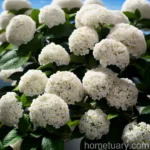
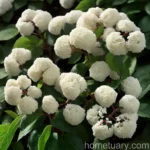
- Flower Color: White
- Foliage: Green, turning to vibrant shades of red and purple in autumn
- Fruiting Time: Late summer to early autumn
- Wildlife Attraction: Birds and pollinators
- Landscape Uses: Borders, hedges, and mass plantings
Now that we have an overview of this delightful shrub, let’s explore the specific aspects of its cultivation and care.
Culture
Cultivating Viburnum opulus ‘Nanum’ requires an understanding of its specific cultural requirements. From planting to maintenance, providing the right conditions is crucial for its health and growth.
Uses
Viburnum opulus ‘Nanum’ stands out for its diverse uses in landscaping and gardens. Here are some of its primary uses:
- Ornamental: The compact size and ornamental features make it a valuable addition to mixed borders, rock gardens, and as a standalone specimen.
- Wildlife Garden: The plant’s flowers and fruits attract pollinators and birds, enhancing the biodiversity of the garden.
- Hedges and Edging: Its dense growth habit and vibrant foliage make it suitable for low hedges and edging along pathways.
- Container Gardening: Due to its compact size, Viburnum opulus ‘Nanum’ thrives in containers on patios or balconies.
Water
Maintaining appropriate moisture levels is essential for the health of Viburnum opulus ‘Nanum’. While the plant is moderately drought-tolerant once established, consistent watering is crucial during its initial establishment phase and in dry spells. Here are key points to consider regarding watering:
- Establishment: During the first growing season, ensure regular watering to help the plant establish a strong root system.
- Mature Plants: Once established, the plant generally thrives with moderate water, provided the soil has good drainage.
- Avoid Waterlogging: While the plant appreciates consistent moisture, it is important to avoid waterlogging, which can lead to root rot.
Sunlight
Viburnum opulus ‘Nanum’ exhibits a versatile attitude towards sunlight. While it thrives in full sun, it also tolerates partial shade, making it suitable for various garden settings. Here’s a quick overview of its sunlight preferences:
- Full Sun: Ideally, provide the plant with at least six hours of direct sunlight for optimal growth and flowering.
- Partial Shade: In hotter regions, partial shade during the hottest part of the day can benefit the plant and prevent leaf scorch.
Fertilizer
Proper fertilization encourages healthy growth and abundant flowering in Viburnum opulus ‘Nanum’. Understanding the timing and type of fertilizer is essential to support the plant’s nutritional needs. Consider the following points when fertilizing the European Cranberrybush:
- Timing: Apply a balanced, slow-release fertilizer in early spring before new growth begins.
- Quantity: Follow the manufacturer’s recommendations for the appropriate amount of fertilizer, considering the plant’s size and age.
- Avoid Overfeeding: While the plant benefits from regular feeding, excessive fertilization can lead to excessive vegetative growth at the expense of flowers and fruits.
Soil
Optimal soil conditions play a vital role in the health and vigor of Viburnum opulus ‘Nanum’. Understanding the preferred soil type and pH level is crucial for successful cultivation. Consider the following aspects when preparing the soil for this plant:
- Well-Draining Soil: Ensure the soil has good drainage to prevent waterlogging, which can lead to root rot.
- pH Level: Viburnum opulus ‘Nanum’ thrives in neutral to slightly acidic soil (pH 6.0-7.5).
- Organic Matter: Incorporating organic matter such as compost or well-rotted manure into the soil improves its texture and fertility, promoting healthy growth.
Pruning
Pruning is an essential aspect of maintaining the shape, health, and vigor of Viburnum opulus ‘Nanum’. Proper timing and techniques ensure that the plant remains attractive and productive. Here’s a guide to pruning this delightful shrub:
- Timing: Prune Viburnum opulus ‘Nanum’ immediately after flowering to avoid cutting off potential flower buds for the next season.
- Deadheading: Remove spent flower clusters to promote a tidy appearance and potentially encourage a second flush of blooms.
- Thinning and Shaping: An occasional thinning of crowded or crossing branches can improve air circulation and maintain an open, healthy structure.
Propagation
Expanding your Viburnum opulus ‘Nanum’ collection or sharing this delightful plant with friends and family can be achieved through propagation. Several methods, including hardwood cuttings and division, are effective for propagating this species. Here’s an overview of propagation methods for Viburnum opulus ‘Nanum’:
- Hardwood Cuttings: Take semi-hardwood cuttings in late summer to early autumn and root them in a well-draining rooting medium.
- Division: Divide mature plants in early spring before new growth emerges, ensuring that each division has a good root system and adequate foliage.
Container Popularity
The compact size and ornamental appeal of Viburnum opulus ‘Nanum’ make it an excellent choice for container gardening. Whether on a patio, balcony, or rooftop garden, this plant brings beauty and interest to container displays. Consider the following tips for growing Viburnum opulus ‘Nanum in containers:
- Container Size: Select a container that provides ample room for the plant’s root system while allowing for future growth.
- Drainage: Ensure the container has adequate drainage holes to prevent waterlogging, and use a well-draining potting mix.
- Regular Monitoring: Container-grown plants may require more frequent watering and fertilization, so monitor the plant’s moisture levels and nutritional needs regularly.
Common Diseases
While Viburnum opulus ‘Nanum’ is generally a resilient plant, it is susceptible to certain diseases that can impact its health and appearance. Understanding these common diseases and their management is crucial for maintaining the plant’s vigor. Here are some common diseases that may affect this species:
- Powdery Mildew: A fungal disease that manifests as white powdery growth on the leaves, often favored by high humidity and poor air circulation. Ensuring good air movement around the plant and, if necessary, applying fungicidal sprays can help manage this issue.
- Leaf Spot: This fungal disease presents as dark spots on the leaves, potentially leading to leaf drop and reduced plant vigor. Prune and dispose of affected foliage and consider fungicidal treatments if the issue persists.
Disease Diagnosis
Diagnosing plant diseases requires careful observation and, at times, expert consultation. When faced with unusual symptoms or signs of distress in Viburnum opulus ‘Nanum’, consider the following steps for diagnosis and management:
- Visual Inspection: Thoroughly examine the plant, including the leaves, stems, and overall growth, to identify any unusual symptoms such as discoloration, lesions, or malformations.
- Consultation: Seek guidance from local horticultural experts, extension services, or plant clinics to accurately diagnose and manage any suspected diseases.
Common Pests
Pest infestations can pose a threat to the health and aesthetic appeal of Viburnum opulus ‘Nanum’. Vigilance, prompt identification, and appropriate management measures are key to preventing and addressing pest issues. Here are some common pests that may affect this plant:
- Aphids: These small, sap-sucking insects may cluster on the undersides of leaves, leading to distorted growth and the secretion of honeydew. Blast aphids off the plant with a strong jet of water or use insecticidal soaps if necessary.
- Viburnum Leaf Beetles: The larvae of these beetles can cause significant damage to the foliage by skeletonizing the leaves. Early detection and manual removal of the beetles can help manage the infestation.
Botanist’s Tips
As a botanist, I have had the pleasure of observing and studying Viburnum opulus ‘Nanum’ in various settings. Here are some tips based on my professional experience and observations:
- Companion Planting: Pair Viburnum opulus ‘Nanum’ with spring-flowering bulbs such as daffodils or underplant it with low-growing perennials for a vibrant and multi-seasonal display.
- Seasonal Care: Monitor the plant’s moisture needs carefully, particularly during hot and dry periods, to ensure it remains healthy and vigorous.
- Wildlife Garden Benefits: Emphasize the wildlife-friendly features of Viburnum opulus ‘Nanum’ when designing wildlife-friendly gardens or naturalistic landscapes.
Fun Facts
The delightful Viburnum opulus ‘Nanum’ is not only a visually appealing plant but also harbors intriguing aspects that make it a standout addition to any garden. Here are some fun facts about the European Cranberrybush:
- The name “Viburnum” is derived from the Latin word “viburnum,” which refers to a type of shrub.
- The translucent, bright red fruits of Viburnum opulus ‘Nanum’ are a visual highlight in the garden, resembling cranberries and serving as a valuable food source for birds.
- The plant’s autumn foliage displays a stunning array of colors, ranging from fiery reds to deep purples, contributing to the visual interest of the landscape.
- Viburnum opulus ‘Nanum’ is known for its versatility, thriving equally well in formal garden settings and more naturalistic landscapes.
Links to External Resources
To further expand your knowledge and understanding of Viburnum opulus ‘Nanum’ and its care, propagation, and landscape uses, consider exploring the following external resources:
- Royal Horticultural Society – Viburnum opulus ‘Nanum’
- University of Florida IFAS Extension – Viburnum Diseases
- Missouri Botanical Garden – Viburnum opulus
- USDA Plants Database – Viburnum opulus
Conclusion
Viburnum opulus ‘Nanum’ (European Cranberrybush) is a versatile and visually captivating shrub that holds appeal for both garden enthusiasts and wildlife enthusiasts alike. Its compact size, ornamental features, and wildlife benefits make it well-suited for a range of garden settings and design themes. By understanding its specific cultural requirements, being vigilant about potential diseases and pests, and leveraging its ornamental and ecological attributes, you can cultivate and enjoy the European Cranberrybush in your own garden. With the information and tips provided in this comprehensive guide, you are equipped to embark on a rewarding journey of cultivating and appreciating this delightful plant.
Remember, each Viburnum opulus ‘Nanum’ in your garden is not just a beautiful display of nature’s artistry but also a vibrant hub of ecological activity, fostering biodiversity and adding a touch of natural charm to your outdoor space. Happy gardening!
So, whether you are a seasoned gardener or a beginner, by employing the valuable expertise and insights presented in this guide, you can successfully cultivate, enjoy, and admire the European Cranberrybush in your garden. With its allure and ecological benefits, Viburnum opulus ‘Nanum’ is indeed a plant worth celebrating and nurturing in diverse garden settings.