What is Typha angustifolia (Narrow-Leaved Cattail)?
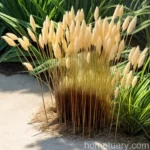
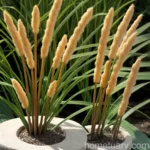
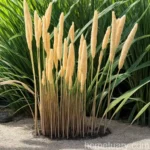
Typha angustifolia, commonly known as Narrow-Leaved Cattail, is a perennial, aquatic plant that belongs to the genus Typha within the family Typhaceae. It is native to Eurasia and North America and is commonly found in wetland habitats such as marshes, ponds, and the edges of lakes and rivers. Narrow-Leaved Cattail is known for its distinct appearance, ecological significance, and diverse uses ranging from landscaping to traditional medicine.
Key Takeaways – Typha angustifolia (Narrow-Leaved Cattail)
Before delving into the specifics of the Narrow-Leaved Cattail, let’s summarize some key takeaways about this fascinating plant:
- Scientific Name: Typha angustifolia
- Common Name: Narrow-Leaved Cattail
- Habitat: Wetland areas such as marshes, ponds, and lake edges
- Uses: Landscaping, wildlife habitat, traditional medicine, food source, erosion control, bioindicator
- Characteristics: Tall, narrow, green leaves, brown cylindrical flowering spikes
- Adaptations: Well-suited for aquatic environments, plays a vital role in wetland ecosystems
- Cultural Significance: Historically used by various indigenous cultures for a range of purposes
Now, let’s explore the various aspects of Typha angustifolia in more detail, including its cultural uses, habitat, growth requirements, and ecological significance.
Culture
Understanding the cultural significance of Typha angustifolia is essential in appreciating its historical uses and ecological importance. Throughout history, various cultures have utilized Narrow-Leaved Cattail for diverse purposes, including food, medicine, and material for crafting.
Cultural Uses
Narrow-Leaved Cattail has been deeply entrenched in the cultural practices of many indigenous communities. From providing food and shelter to being used in traditional ceremonies, this plant holds multifaceted cultural significance. It has been used to make baskets, mats, and even boats, showcasing the versatility of this plant in traditional crafts.
Moreover, the plant has been used as a food source by several indigenous groups. The rhizomes and young shoots are edible and are a source of starch, while the flowering heads have been used in various culinary applications.
Folklore and Traditional Medicine
In addition to its practical uses, Narrow-Leaved Cattail holds a place in folklore and traditional medicine. Various indigenous cultures have revered this plant for its medicinal properties and symbolic significance. The plant’s wide array of applications in traditional medicine includes the treatment of ailments ranging from burns and wounds to gastrointestinal issues.
The spiritual and symbolic significance of the Narrow-Leaved Cattail in folklore further underscores its cultural importance. Its role in storytelling and traditional rituals highlights the deep connection between indigenous communities and this plant.
Uses
The uses of Typha angustifolia are diverse and far-reaching, spanning from ecological applications to culinary and medicinal purposes. Understanding these uses is crucial in appreciating the plant’s versatility and ecological significance.
Water
One of the primary uses of Typha angustifolia lies in its ability to improve water quality and provide habitat for aquatic organisms. In wetland environments, the plant acts as a natural filter, removing pollutants and excess nutrients from the water. The dense rhizome system and foliage of Narrow-Leaved Cattail serve as an effective means of stabilizing shorelines and preventing soil erosion.
Sunlight
Narrow-Leaved Cattail thrives in full sunlight and is well-adapted to wetland environments where sunlight is plentiful. This plant’s efficient use of solar energy contributes to the overall productivity of wetland ecosystems, providing shade and habitat for various organisms while supporting photosynthesis and nutrient cycling.
Soil
In addition to its role in stabilizing shorelines, Typha angustifolia plays a crucial role in soil remediation and nutrient cycling. The plant’s extensive root system assists in oxygenating the soil and contributes to the breakdown of organic matter, thereby enhancing soil health in wetland habitats.
Fertilizer
For gardeners and landscapers, the remnants of Typha angustifolia, particularly the decomposed foliage and rhizomes, can serve as natural fertilizers. When integrated into the soil, these organic materials add essential nutrients and improve soil structure, making them beneficial for plant growth in home gardens and landscaping projects.
Pruning
Pruning Typha angustifolia is a critical aspect of its maintenance, particularly in landscaped environments. As the plant’s inflorescences fade and the foliage begins to wither, it is essential to remove the spent blooms and trim back the foliage to maintain the plant’s aesthetic appeal. Pruning also helps prevent the spread of seeds and promotes the overall health and vigor of the plant.
Propagation
Typha angustifolia can be propagated through various methods, including division, seed propagation, and transplanting. Understanding these propagation techniques is crucial for those seeking to cultivate Narrow-Leaved Cattail in garden settings or to contribute to wetland restoration efforts.
Division
Dividing established clumps of Typha angustifolia is a common propagation method. This involves carefully separating the rhizomes and root systems to create viable, independent plants. This approach is particularly effective in expanding the presence of Narrow-Leaved Cattail in controlled garden settings and wetland restoration projects.
Seed Propagation
The propagation of Typha angustifolia from seeds requires careful consideration of the plant’s natural habitat and environmental requirements. Collecting mature seeds and providing the ideal growing conditions, including adequate water and sunlight, is essential for successful germination and establishment of new plants.
Transplanting
Transplanting is another viable method for propagating Typha angustifolia. This process involves carefully relocating established plants to new locations, such as other parts of the garden or specific wetland restoration sites. Proper care and attention to the plant’s needs during and after transplanting are crucial for ensuring successful establishment and growth.
Container Popularity
The adaptability and ornamental value of Narrow-Leaved Cattail make it popular for container gardening and landscaping projects. In container gardens, Typha angustifolia can serve as an eye-catching centerpiece or provide a vertical element, adding visual interest and texture. Furthermore, the plant’s tolerance for moist conditions makes it suitable for container cultivation in water gardens and pond-side settings.
Container Common Diseases
While Typha angustifolia is relatively robust, it can be susceptible to certain diseases and pests, particularly when grown in containers. Recognizing and addressing these potential issues is essential for maintaining the health and vigor of Narrow-Leaved Cattail in container settings.
Disease Diagnosis
Common diseases that affect Typha angustifolia in containers include fungal infections, particularly those that thrive in damp conditions. Symptoms such as wilting, discoloration, or the presence of powdery mildew may indicate the onset of a fungal disease. Prompt diagnosis and appropriate treatment, such as fungicidal application or adjusting watering practices, are critical for managing these issues.
Common Pests
Pests such as aphids and scale insects can infest Typha angustifolia in container settings, causing damage to the foliage and affecting the plant’s overall health. Regular inspection and the implementation of pest management strategies, including natural predators or horticultural oils, are essential for controlling pest infestations and maintaining the plant’s vitality.
Botanist’s Tips
For those intrigued by the allure of Typha angustifolia and seeking to grow or appreciate this unique plant, here are some helpful tips from botanists and horticulturists:
-
Wetland Ecosystems: Recognize the vital role of Narrow-Leaved Cattail in wetland ecosystems, fostering an appreciation for its ecological importance and the need for conservation efforts.
-
Cultural and Historical Significance: Explore the cultural and historical uses of Typha angustifolia, gaining a deeper understanding of its traditional roles and significance in various cultures.
-
Container Cultivation: When cultivating Typha angustifolia in containers, ensure the availability of consistent moisture and appropriate growing conditions to mimic its natural habitat and support healthy growth.
-
Disease and Pest Management: Stay vigilant for signs of diseases and pest infestations, promptly addressing any issues to maintain the health and vitality of Narrow-Leaved Cattail.
Fun Facts
To further pique interest and appreciation for Typha angustifolia, here are a few captivating fun facts about this remarkable plant:
-
Ecological Engineer: Typha angustifolia plays a crucial role as an ecological engineer, shaping and stabilizing wetland environments through its growth and reproductive strategies.
-
Bioindicator Species: The health and abundance of Narrow-Leaved Cattail can serve as indicative of the overall environmental quality of wetland habitats, making it a valuable bioindicator species.
-
Versatile Uses: From food and medicine to craft materials and ecological restoration, the uses of Typha angustifolia are diverse and reflect its adaptability and significance across various domains.
-
Historical Significance: Narrow-Leaved Cattail has a rich historical and cultural significance, with numerous indigenous communities utilizing the plant for subsistence, cultural practices, and traditional crafts.
-
Wildlife Habitat: Typha angustifolia provides essential habitat and food sources for various wildlife, including waterfowl, amphibians, and invertebrates, contributing to the overall biodiversity of wetland ecosystems.
Links to External Resources
To expand your knowledge and appreciation for Typha angustifolia, explore the following external resources:
-
Managing Wetlands for Wildlife: A FWS Wetland Management Series
-
United States Geological Survey – Wetland and Aquatic Research Center
In conclusion, Typha angustifolia, or Narrow-Leaved Cattail, is a plant of immense ecological, cultural, and practical significance. Its adaptability, historical uses, and ecological contributions make it a truly remarkable species worthy of admiration and conservation efforts. Whether used in wetland restoration projects, ecological landscaping, or traditional practices, the importance and versatility of this plant remain undeniable.