Viola ‘Heartthrob’ (Violet): A Comprehensive Guide to Care and Cultivation
Plants play a vital role in our ecosystem and are essential for a healthy and thriving environment. Among the diverse range of plants, Viola ‘Heartthrob’ (Violet) stands out for its exquisite beauty and versatile characteristics. In this detailed guide, we will explore all aspects of caring for and cultivating Viola ‘Heartthrob’, providing insights into its culture, uses, cultivation requirements, diseases, pests, and much more.
What is Viola ‘Heartthrob’ (Violet)?
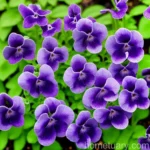
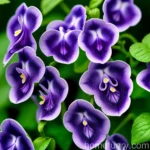
Viola ‘Heartthrob’, commonly known as the Heartthrob Violet, is a charming perennial plant from the Violaceae family. It is celebrated for its delicate, heart-shaped leaves and striking, brightly-hued flowers. This plant is beloved by gardeners for its ornamental value and the ease with which it can be cultivated in various settings, including garden beds, containers, and hanging baskets.
Viola ‘Heartthrob’ is native to Europe and is widely cultivated for its aesthetic appeal and its potential therapeutic uses. The plant’s vibrant blooms and compact growth habit make it a popular choice for adding color and texture to gardens, balconies, and indoor spaces.
Key Takeaways – Viola ‘Heartthrob’ (Violet)
Before delving into the specifics of caring for Viola ‘Heartthrob’, let’s overview the key takeaways that will be discussed in detail throughout this comprehensive guide:
- Culture
- Uses
- Water
- Sunlight
- Fertilizer
- Soil
- Pruning
- Propagation
- Container Popularity
- Common Diseases
- Disease Diagnosis
- Common Pests
- Botanist’s Tips
- Fun Facts
- Links to External Resources
Now, let’s journey into the world of Viola ‘Heartthrob’ and uncover the intricacies of caring for and cultivating this exquisite plant.
Culture
Uses
The Viola ‘Heartthrob’ (Violet) boasts a wide range of uses that contribute to its popularity among horticulturists and plant enthusiasts. Some common uses of this beautiful plant include:
- Ornamental: The vibrant flowers and attractive foliage make Viola ‘Heartthrob’ an ideal choice for adding beauty and color to gardens, borders, containers, and hanging baskets.
- Medicinal: Certain varieties of Viola have been traditionally used in herbal medicine for their potential therapeutic properties, including their mild anti-inflammatory and expectorant effects. However, it is essential to consult a healthcare professional before using any plant for medicinal purposes.
- Wildlife Attraction: The nectar-rich flowers of Viola ‘Heartthrob’ attract pollinators like bees and butterflies, enhancing biodiversity in gardens and natural landscapes.
Water
Proper watering is crucial for the health and vitality of Viola ‘Heartthrob’. Here are some essential tips for watering this beautiful plant:
- Moderate Moisture: Viola ‘Heartthrob’ thrives in consistently moist, well-drained soil. Ensure that the plant does not sit in waterlogged soil, as this can lead to root rot and other issues.
- Avoid Overhead Watering: Direct water at the base of the plant to prevent wetting the foliage, which can increase the risk of diseases.
- Drought Tolerance: Once established, Viola ‘Heartthrob’ exhibits good tolerance to short periods of drought. However, regular watering is still recommended for optimal growth and flowering.
Sunlight
Proper sunlight is essential for the healthy growth and abundant flowering of Viola ‘Heartthrob’. Here are some key considerations regarding sunlight requirements for this plant:
- Partial Shade to Full Sun: Viola ‘Heartthrob’ grows best in partial shade to full sun, although it can tolerate some light shade. In warmer climates, providing afternoon shade can help protect the plant from excessive heat.
- Indoor Cultivation: When grown indoors, place Viola ‘Heartthrob’ in a location that receives bright, indirect sunlight to promote healthy growth and flowering.
Fertilizer
Applying the right type and amount of fertilizer can significantly impact the growth and flowering of Viola ‘Heartthrob’. Here’s what you need to know about fertilizing this plant:
- Balanced Fertilizer: Use a balanced, all-purpose fertilizer with a formulation such as 10-10-10 or 20-20-20 to provide essential nutrients for healthy growth and blooming.
- Frequency: Apply fertilizer to Viola ‘Heartthrob’ every 4-6 weeks during the growing season, following the manufacturer’s instructions regarding dilution and application rates.
- Avoid Overfeeding: Over-fertilizing can lead to excessive foliage growth at the expense of flowers. Always follow the recommended guidelines for fertilization.
Soil
The right soil conditions are essential for the overall health and vigor of Viola ‘Heartthrob’. Consider the following soil-related aspects when cultivating this plant:
- Well-Draining Soil: Viola ‘Heartthrob’ thrives in well-draining, organically rich soil. Incorporate organic matter such as compost or peat moss into the soil to improve its texture and fertility.
- Soil pH: Aim for a slightly acidic to neutral soil pH in the range of 6.0 to 7.0 for optimal growth and flowering.
- Container Cultivation: When growing Viola ‘Heartthrob’ in containers, use a high-quality potting mix specially formulated for flowering plants, ensuring that the containers have adequate drainage holes.
Pruning
Pruning is a key aspect of maintaining the health, appearance, and longevity of Viola ‘Heartthrob’. Here’s what you need to know about pruning this delightful plant:
- Deadheading: Regularly remove faded flowers to encourage continuous blooming and prevent the plant from setting seed, which can divert energy away from flower production.
- Trimming and Shaping: Lightly trim the plant to promote a compact, tidy growth habit and to remove any leggy or straggly growth.
- Seasonal Pruning: In early spring, perform a more extensive pruning to rejuvenate the plant, removing any damaged or overly woody growth.
Propagation
Viola ‘Heartthrob’ can be propagated through several methods, offering opportunities to multiply this lovely plant. Consider the following propagation techniques for Viola ‘Heartthrob’:
- Seed Propagation: Viola ‘Heartthrob’ can be propagated from seeds, with the seeds typically sown indoors in late winter to early spring for outdoor planting in the spring.
- Division: Divide established clumps of Viola ‘Heartthrob’ in early spring or fall to create new plants. Gently separate the root clumps and replant them in prepared soil.
- Stem Cuttings: Take stem cuttings from healthy, non-flowering shoots in spring or summer, and root them in a moist, well-draining growing medium to propagate new plants.
Container Popularity
Due to its compact size and ornamental appeal, Viola ‘Heartthrob’ is widely popular for container cultivation. Here are some tips for growing this plant in containers:
- Container Selection: Choose a container with adequate drainage holes and a size that accommodates the plant while allowing for healthy root development.
- Potting Mix: Use a well-draining potting mix designed for flowering plants when growing Viola ‘Heartthrob’ in containers.
- Maintenance: Regularly check and water container-grown Viola ‘Heartthrob’ as needed, and provide liquid fertilizer during the growing season according to the manufacturer’s instructions.
Common Diseases
While generally resilient, Viola ‘Heartthrob’ is susceptible to certain diseases that can affect its overall health and appearance. Understanding these diseases is crucial for their prevention and management. Common diseases of Viola ‘Heartthrob’ include:
- Powdery Mildew: This fungal disease can appear as a white, powdery coating on the leaves, usually in humid conditions. Improve air circulation and avoid overhead watering to prevent powdery mildew.
- Botrytis (Gray Mold): Grayish mold on flowers and foliage is indicative of botrytis. Keep the plant well-ventilated and remove any affected plant parts promptly.
- Crown Rot: Excessive moisture and poor drainage can lead to crown rot in Viola ‘Heartthrob’. Ensure proper soil drainage and avoid overwatering to prevent this disease.
Disease Diagnosis
Prompt identification and diagnosis of diseases are critical for effective management and mitigation. When observing potential signs of disease on Viola ‘Heartthrob’, consider the following diagnostic aspects:
- Visual Symptoms: Note any unusual spots, discoloration, or fungal growth on the leaves, stems, or flowers.
- Environmental Conditions: Evaluate the prevailing environmental conditions, such as temperature, humidity, and soil moisture levels, which can contribute to disease development.
- Cultural Practices: Review the plant’s care regimen, including watering, fertilization, and pruning, for any potential factors that could be exacerbating disease issues.
Common Pests
Viola ‘Heartthrob’ may occasionally encounter pest attacks that can compromise its growth and appearance. Some common pests affecting this plant include:
- Aphids: These small, sap-sucking insects can cluster on the undersides of leaves, causing stunted growth and distorted foliage. Use insecticidal soap or neem oil to control aphids.
- Spider Mites: These tiny pests can cause stippling and webbing on the foliage. Regularly misting the plant and using insecticidal sprays can help manage spider mite infestations.
- Slugs and Snails: These mollusks can feed on foliage and flowers, leading to unsightly damage. Use physical barriers, such as copper tape or diatomaceous earth, to deter slugs and snails.
Botanist’s Tips
Here are some valuable tips from botanists and experienced gardeners for successfully caring for Viola ‘Heartthrob’ (Violet):
- Mulching: Apply a layer of organic mulch around the base of the plant to conserve soil moisture, suppress weed growth, and provide insulation for the roots.
- Companion Plants: Pair Viola ‘Heartthrob’ with other shade-loving perennials and annuals, such as ferns, hostas, and impatiens, for a visually appealing and harmonious garden display.
- Overwintering: In regions with cold winters, protect Viola ‘Heartthrob’ from severe frost by providing a layer of mulch or a covering to insulate the plant’s roots.
Fun Facts
Discover some intriguing and delightful facts about Viola ‘Heartthrob’ that showcase its unique qualities and charm:
- Symbolism: In the language of flowers, violets symbolize faithfulness, humility, and affection, making them a favored choice for expressing sentiments in floral arrangements and bouquets.
- Culinary Uses: Some varieties of Viola are edible and have been used to garnish salads, desserts, and beverages, adding a touch of color and a mild, floral flavor.
Links to External Resources
To further delve into the world of Viola ‘Heartthrob’ (Violet) and expand your knowledge, consider exploring the following external resources:
- The American Violet Society
- Royal Horticultural Society: Viola
- University of California Integrated Pest Management: Aphids
Conclusion
In this comprehensive guide, we have explored the fascinating world of Viola ‘Heartthrob’ (Violet) and gained insights into its care, cultivation, and unique characteristics. Whether you are a novice gardener or a seasoned horticulture enthusiast, the information provided here equips you with the knowledge and tips needed to cultivate and nurture this captivating plant. By following the guidelines for watering, sunlight, fertilizer, soil, pruning, propagation, and more, you can create a thriving and vibrant display of Viola ‘Heartthrob’ in your garden or indoor spaces.
As you embark on your journey with Viola ‘Heartthrob’, may the beauty and allure of this remarkable plant bring joy and inspiration to your horticultural pursuits. Happy growing!
Keywords: Viola ‘Heartthrob’ care, Heartthrob Violet plant, Viola ‘Heartthrob’ characteristics, Growing Heartthrob Violet, Heartthrob Viola plant care tips, Viola ‘Heartthrob’ varieties, Heartthrob Violet plant care guide, Viola ‘Heartthrob’ planting guide, Heartthrob Violet plant for beginners, Viola ‘Heartthrob’ propagation methods, Heartthrob Viola plant benefits, Viola ‘Heartthrob’ disease prevention, Heartthrob Violet plant watering tips, Viola ‘Heartthrob’ sunlight requirements, Heartthrob Viola plant pruning tips, Viola ‘Heartthrob’ blooming period, Heartthrob Violet plant fertilization techniques, Viola ‘Heartthrob’ soil preferences, Heartthrob Viola plant pests control, Viola ‘Heartthrob’ companion plants, Heartthrob Violet plant container gardening, Viola ‘Heartthrob’ seasonal care, Heartthrob Viola plant indoor cultivation, Viola ‘Heartthrob’ outdoor planting, Heartthrob Violet plant natural remedies, Viola ‘Heartthrob’ medicinal properties, Heartthrob Viola plant pollination methods, Viola ‘Heartthrob’ pruning schedule, Heartthrob Violet plant potting soil, Viola ‘Heartthrob’ unique features, Heartthrob Viola plant flower color variations, Viola ‘Heartthrob’ water retention abilities, Heartthrob Violet plant frost tolerance, Viola ‘Heartthrob’ hardiness zones, Heartthrob Viola plant insect-repelling characteristics, Viola ‘Heartthrob’ leaf patterns, Heartthrob Violet plant ornamental uses, Viola ‘Heartthrob’ drought resistance, Heartthrob Viola plant wildlife attraction, Viola ‘Heartthrob’ division techniques, Heartthrob Violet plant mulching benefits, Viola ‘Heartthrob’ blooming season, Heartthrob Viola plant root structure, Viola ‘Heartthrob’ disease resistance, Heartthrob Violet plant growth rate, Viola ‘Heartthrob’ fragrance description, Heartthrob Viola plant container size recommendations, Viola ‘Heartthrob’ natural habitat, Heartthrob Violet plant foliage texture, Viola ‘Heartthrob’ winter care