Tulipa Whittallii (Botanical Tulip)
Tulips are one of the most beloved and iconic flowers in the world, with their vibrant and diverse colors adding a touch of beauty to gardens everywhere..
Introduction
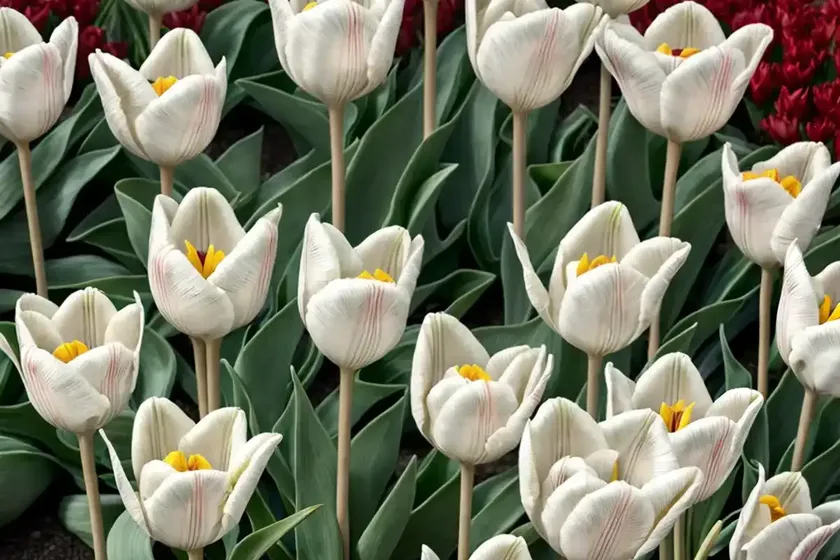
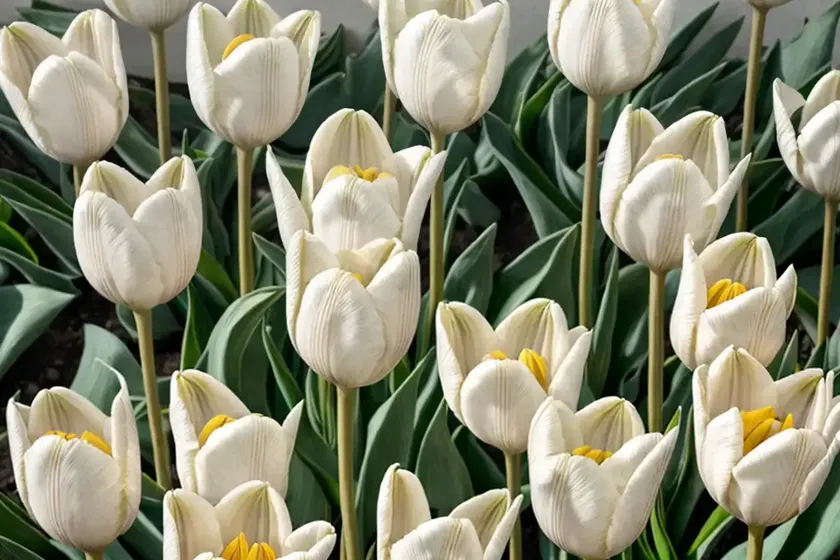
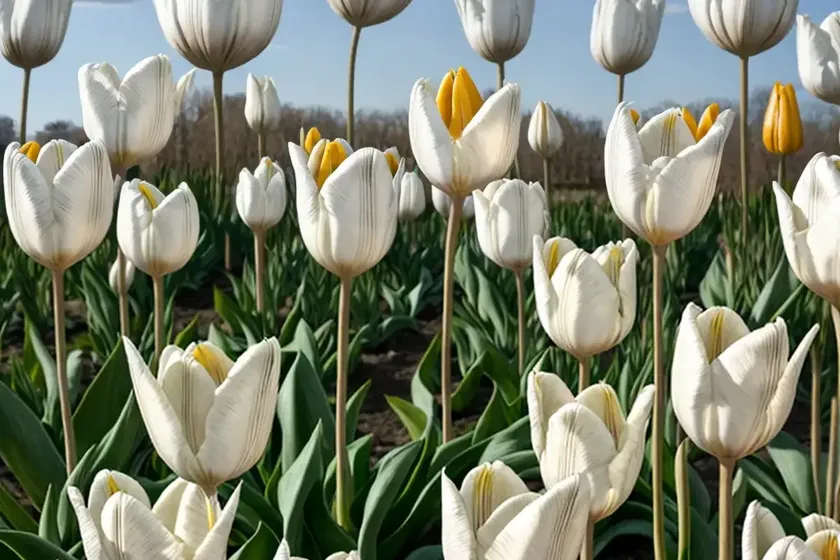
Tulips are one of the most beloved and iconic flowers in the world, with their vibrant and diverse colors adding a touch of beauty to gardens everywhere. Among the various species of tulips, Tulipa whittallii or the Botanical Tulip stands out for its unique characteristics and exquisite flowers. In this comprehensive guide, we will delve into the various aspects of cultivating and caring for Tulipa whittallii, providing insights into its culture, uses, care requirements, and more.
What is Tulipa whittallii (Botanical Tulip)?
Tulipa whittallii, commonly known as the Botanical Tulip, is a species of tulip native to the rocky slopes and mountainous regions of Turkey. This particular tulip species is renowned for its stunning flowers and distinctive foliage, making it a popular choice for gardeners and horticulturists.
Key Takeaways – Tulipa whittallii (Botanical Tulip)
Let’s explore the key takeaways associated with Tulipa whittallii, which will form the foundation of our journey into its cultivation and care.
- Botanical Name: Tulipa whittallii
- Common Name: Botanical Tulip
- Origin: Native to Turkey
- Characteristics: Unique foliage and stunning flowers
- Cultivation Uses: Ornamental, landscaping
- Flowering Season: Typically blooms in spring
- Habitat: Rocky slopes and mountainous regions
- Growth Requirements: Well-drained soil, adequate sunlight
Now that we have a brief overview of Tulipa whittallii, let’s explore each aspect in detail to gain a comprehensive understanding of its cultivation and care.
Culture
Understanding the cultural requirements of Tulipa whittallii is essential for successfully growing and nurturing this remarkable plant. The cultural aspects encompass various factors such as water, sunlight, fertilizer, soil, and pruning, which collectively contribute to the plant’s overall health and vibrancy.
Uses
Tulipa whittallii is primarily cultivated for its ornamental value, adorning gardens, parks, and landscaping projects with its captivating flowers and unique foliage. Its vibrant blooms and distinct appearance make it a popular choice for adding visual interest to various outdoor settings.
Water
As with most plants, proper watering is crucial for the health and growth of Tulipa whittallii. It is important to provide consistent moisture, especially during the active growth and blooming periods. However, it is equally important to ensure that the soil is well-drained to prevent waterlogging, which can be detrimental to the plant’s roots.
Key Watering Tips:
– Water consistently during active growth.
– Ensure well-drained soil to prevent waterlogging.
Sunlight
Tulipa whittallii thrives in full sunlight, requiring at least 6-8 hours of direct sunlight daily for optimal growth and blooming. Adequate sunlight is essential for the plant to develop strong and vibrant flowers, making it an ideal addition to sunny garden spots and landscape designs.
Sunlight Preferences:
– Full sunlight for 6-8 hours daily.
– Ideal for sunny garden spots and landscapes.
Fertilizer
While Tulipa whittallii does not require excessive fertilization, a balanced and nutrient-rich fertilizer can support its growth and bloom production. Applying a slow-release fertilizer in early spring as the plant emerges from dormancy can provide the necessary nutrients for healthy development.
Fertilization Guidelines:
– Use balanced, slow-release fertilizer.
– Apply in early spring for optimal results.
Soil
The soil requirements of Tulipa whittallii are centered around well-draining, fertile soil that provides a hospitable environment for root development and overall plant health. A sandy loam or loamy soil with good drainage properties is well-suited for this species.
Ideal Soil Type:
– Well-draining, sandy loam or loamy soil.
– Provides a hospitable environment for root development.
Pruning
Pruning is not a common practice for Tulipa whittallii, as the plant’s foliage and flowers generally do not require extensive pruning. However, removing spent flowers and yellowing foliage can help maintain the plant’s aesthetics and redirect its energy towards new growth.
Pruning Recommendations:
– Remove spent flowers and yellowing foliage.
– Redirects energy towards new growth.
Propagation
The propagation of Tulipa whittallii can be achieved through various methods, including seed propagation and bulblet division. Each method offers its unique benefits and challenges, and understanding the intricacies of propagation is essential for successfully expanding the population of this exquisite tulip species.
Seed Propagation
Propagation of Tulipa whittallii through seeds involves collecting ripe seeds from the plants and sowing them in a suitable germination medium. The process requires patience and care, as it may take a few years for the seedlings to reach maturity and start flowering.
Seed Propagation Tips:
– Collect ripe seeds from mature plants.
– Sow seeds in a suitable germination medium.
– Requires patience for seedlings to reach maturity.
Bulblet Division
Dividing the bulblets or offsets produced by mature Tulipa whittallii plants is another effective method of propagation. This approach allows for the creation of new plants with genetic traits similar to the parent plant, ensuring a continuation of desirable characteristics.
Bulblet Division Guidelines:
– Divide bulblets produced by mature plants.
– Creates new plants with similar genetic traits.
Container Popularity
The appeal of cultivating Tulipa whittallii in containers is evident, as it allows for greater flexibility in terms of placement and design. Whether displayed on patios, balconies, or as part of indoor décor, container-grown Tulipa whittallii adds a touch of elegance and charm to any setting.
Container Cultivation Tips
When cultivating Tulipa whittallii in containers, certain considerations should be taken into account to ensure the plant’s well-being and longevity. These tips can help maximize the success of growing Botanical Tulips in containers.
Key Container Tips:
– Use well-draining potting mix.
– Ensure adequate sunlight for container-grown plants.
– Monitor moisture levels to prevent waterlogging.
Common Diseases
While Tulipa whittallii is relatively resilient, it is susceptible to certain diseases that can impact its growth and overall vitality. Recognizing and addressing these common diseases is essential for maintaining the health and vigor of Botanical Tulips.
Disease Diagnosis
Identifying the signs and symptoms of diseases that affect Tulipa whittallii is crucial for implementing timely and effective treatments. By understanding the common diseases and their diagnostic indicators, gardeners can take proactive measures to mitigate their impact.
Common Diseases:
– Fusarium Wilt
– Botrytis Blight
– Bulb Rot
Fusarium Wilt
Fusarium wilt is a fungal disease that affects the vascular system of tulip plants, leading to wilting, yellowing, and eventual decline. Preventative measures such as planting in well-draining soil and avoiding overwatering can help reduce the risk of Fusarium wilt.
Preventative Measures:
– Plant in well-draining soil.
– Avoid overwatering to reduce risk.
Botrytis Blight
Botrytis blight, caused by the fungal pathogen Botrytis cinerea, can lead to the development of gray mold on tulip flowers and foliage. Adequate air circulation and proper spacing between plants can help minimize the risk of Botrytis blight.
Risk Mitigation Strategies:
– Ensure adequate air circulation.
– Space plants to prevent crowding.
Bulb Rot
Bulb rot, typically caused by excessive moisture and poor drainage, can result in the decay of tulip bulbs, negatively impacting the plant’s health. Implementing proper watering practices and ensuring well-draining soil can help prevent bulb rot.
Preventive Practices:
– Implement proper watering practices.
– Ensure well-draining soil to prevent rot.
Common Pests
In addition to diseases, tulips, including Tulipa whittallii, are vulnerable to pest infestations that can affect their growth and vitality. Understanding the common pests and effective pest control methods is crucial for preserving the health and beauty of Botanical Tulips.
Pest Control Methods
Employing preventive measures and targeted pest control strategies can help mitigate the impact of common pests on Tulipa whittallii, promoting its well-being and resilience in the garden or landscape.
Common Pests:
– Aphids
– Thrips
– Mites
Aphids
Aphids are small, sap-sucking insects that can congregate on tulip plants, causing damage to the foliage and flowers. Natural predators such as ladybugs and lacewings, as well as horticultural oils, can be used to control aphid infestations.
Control Measures:
– Introduce natural predators.
– Use horticultural oils for control.
Thrips
Thrips are tiny, slender insects that feed on the sap of tulip plants, leading to distorted growth and browning of leaves. Regular monitoring and the use of insecticidal soaps can help manage thrips infestations.
Management Techniques:
– Regular monitoring for early detection.
– Use of insecticidal soaps for management.
Mites
Spider mites, characterized by their webbing and stippling damage on leaves, can also infest tulip plants. Natural predators such as predatory mites and the application of miticides can aid in controlling mite populations.
Control Strategies:
– Introduce predatory mites as natural control.
– Application of miticides for population management.
Botanist’s Tips
Drawing insights from botanists and horticultural experts can offer valuable guidance for cultivating and caring for Tulipa whittallii. Botanist’s tips encompass a range of recommendations, techniques, and observations that can enhance the success of growing this exquisite tulip species.
Gardening Advice from Botanists
Botanists recommend several key practices and considerations to ensure the optimal growth and health of Tulipa whittallii, leveraging their expertise and experience in the realm of plant science.
Expert Recommendations:
– Plant tulip bulbs at the appropriate depth.
– Provide well-draining soil for healthy root development.
– Maintain a consistent watering schedule to support growth.
Fun Facts
Discovering interesting and lesser-known facts about Tulipa whittallii can deepen appreciation for this fascinating plant species. Fun facts provide a glimpse into the unique characteristics and ecological significance of Botanical Tulips.
Intriguing Tidbits about Tulipa whittallii
- The specific epithet “whittallii” honors the British botanist and plant collector, Miss Isabel Whittall, whose contributions to botanical exploration are commemorated through the naming of this tulip species.
- Tulipa whittallii is a naturalizing species, meaning it has the ability to spread and establish itself in new habitats over time, contributing to its ecological adaptability and resilience.
Links to External Resources
For further exploration of Tulipa whittallii and related topics, the following external resources provide valuable information and insights:
- Royal Horticultural Society – Tulipa whittallii
- Missouri Botanical Garden – Botanical Tulips
- Kew Royal Botanic Gardens – Growing Tulips
Tulipa whittallii, the Botanical Tulip, represents a captivating and unique addition to the world of tulip species, captivating enthusiasts and gardeners with its vibrant flowers and distinctive features. By delving into its culture, uses, care requirements, and more, we have gained a deeper understanding of this remarkable tulip species, equipping us with the knowledge to cultivate and care for it with precision and care. As we embrace the allure of Tulipa whittallii, we are reminded of the intrinsic beauty and ecological significance of these botanical treasures, inspiring a sense of wonder and admiration for the natural world.


