Tulipa Clusiana ‘Peppermint Stick’ (Botanical Tulip)
Tulips are timeless favorites in the gardening world, known for their vibrant and diverse blooms. Among the many tulip varieties, Tulipa clusiana.
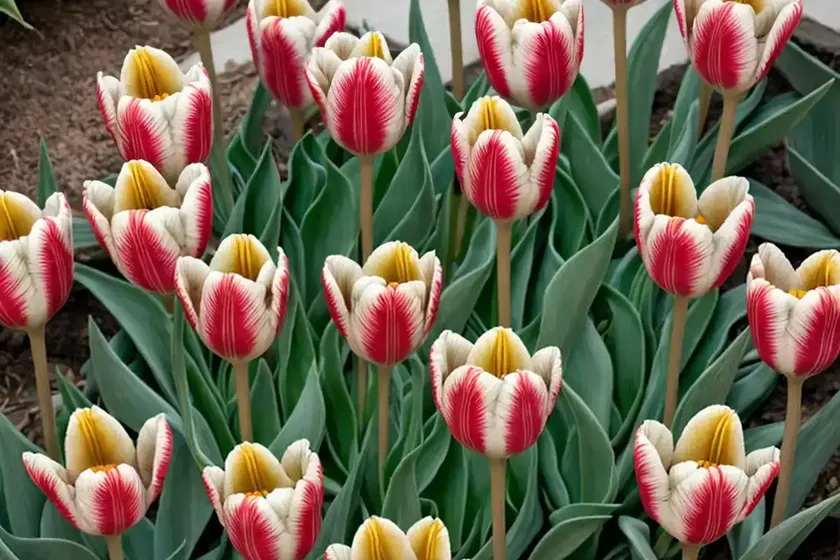
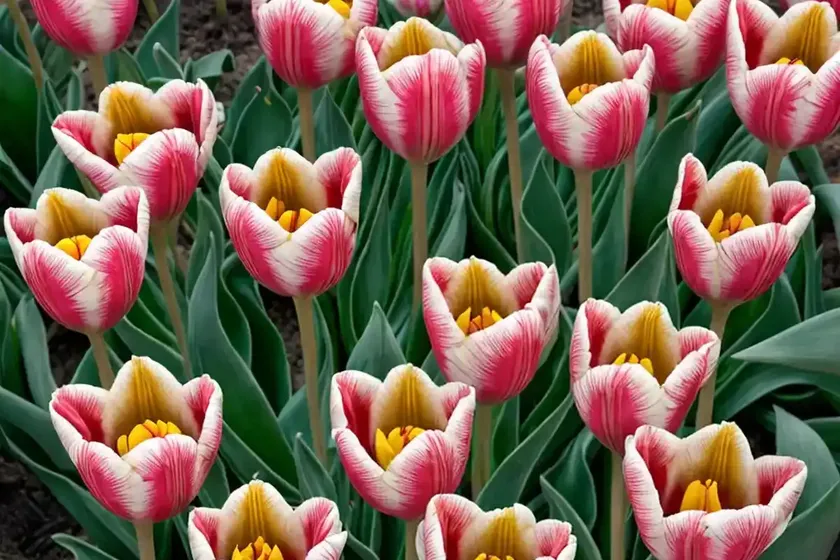
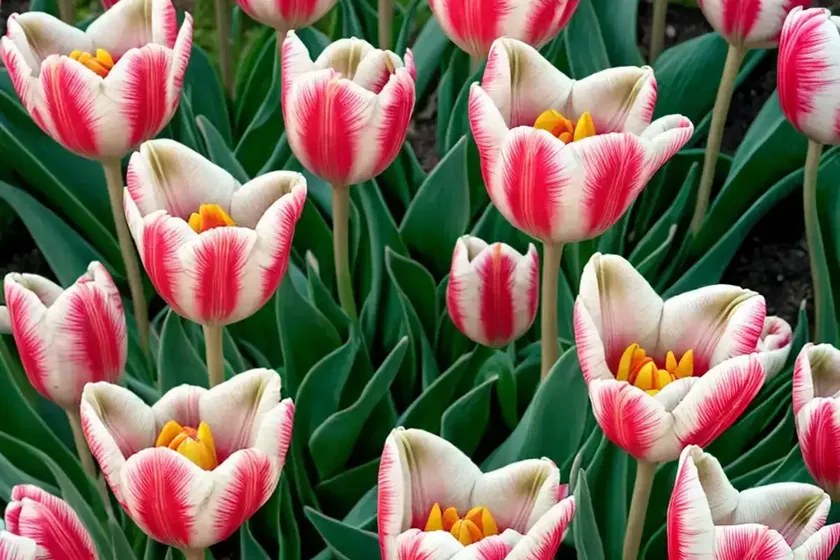
Tulips are timeless favorites in the gardening world, known for their vibrant and diverse blooms. Among the many tulip varieties, Tulipa clusiana ‘Peppermint Stick’ stands out for its unique appearance and ease of care. As a plant scientist, I am excited to delve into the world of these charming botanical tulips, exploring their characteristics, cultivation, and maintenance. In this comprehensive guide, I will cover everything from planting and propagation to common pests and diseases, equipping you with the knowledge to cultivate and enjoy the beauty of Tulipa clusiana ‘Peppermint Stick’ in your own garden.
What is Tulipa clusiana ‘Peppermint Stick’?
Tulipa clusiana, commonly known as the botanic tulip, is a species of tulip native to Afghanistan, Kazakhstan, Pakistan, and Uzbekistan. ‘Peppermint Stick’ is a particular cultivar renowned for its exquisite flowers that feature distinct red and white stripes, resembling a peppermint candy. This botanical tulip is a perennial bulbous plant that belongs to the Liliaceae family.
Key Takeaways – Tulipa clusiana ‘Peppermint Stick’ (Botanical Tulip)
Before delving into the specific care and cultivation of Tulipa clusiana ‘Peppermint Stick’, let’s outline some key takeaways:
- Botanical Name: Tulipa clusiana ‘Peppermint Stick’
- Common Name: Botanical Tulip
- Family: Liliaceae
- Plant Type: Perennial Bulbous Plant
- Notable Feature: Distinct red and white striped flowers resembling peppermint candy
Now, let’s delve into the essential aspects of cultivating and caring for ‘Peppermint Stick’ botanical tulips.
Culture
Cultivating Tulipa clusiana ‘Peppermint Stick’ is a rewarding experience, provided that the right cultural practices are observed. This section will explore the key cultural aspects, including planting, watering, sunlight requirements, soil preferences, and pruning.
Uses
The botanical tulip, ‘Peppermint Stick’, serves various purposes in the garden landscape. It can be incorporated into traditional flower beds, rock gardens, and container plantings, adding a delightful pop of color and charm. Moreover, these tulips can be used in cut flower arrangements, showcasing their unique beauty indoors.
Water
When it comes to watering ‘Peppermint Stick’ tulips, it is crucial to maintain a balanced approach. Adequate moisture is essential during the growing season, particularly in spring when the plants are actively growing and flowering. However, excessive waterlogging should be avoided, as it can lead to bulb rot and other moisture-related issues.
Sunlight
Botanical tulips generally thrive in full sun to partial shade conditions. Tulipa clusiana ‘Peppermint Stick’ is no exception, benefiting from at least 6-8 hours of direct sunlight per day. When planted in regions with hot summers, providing some afternoon shade can prevent the flowers from wilting prematurely.
Fertilizer
Appropriate fertilization can significantly impact the vigor and blooming of ‘Peppermint Stick’ tulips. A balanced, slow-release fertilizer with a higher potassium content can be applied in late winter or early spring to support robust growth and vibrant blooms. It’s essential to follow the manufacturer’s recommendations and avoid over-fertilization, which can lead to excessive foliage growth at the expense of flower production.
Soil
Well-draining, fertile soil is the key to successful cultivation of Tulipa clusiana ‘Peppermint Stick’. Loamy or sandy soils with good aeration help prevent waterlogging and promote healthy root development. The addition of organic matter, such as compost or well-rotted manure, can improve soil structure and fertility, creating an ideal growing environment for botanical tulips.
Pruning
After the flowering period, it is prudent to deadhead the spent blooms of ‘Peppermint Stick’ tulips. This practice prevents the plants from expending energy on seed production and encourages the bulb to store nutrients for the following season. However, it’s important to allow the foliage to wither and yellow naturally before removing it, as the leaves play a crucial role in the bulb’s rejuvenation process.
Propagation
The propagation of Tulipa clusiana ‘Peppermint Stick’ can be achieved through various methods, including seed sowing and bulb offsets. Both approaches offer gardeners the opportunity to expand their botanical tulip collection and share the beauty of ‘Peppermint Stick’ with others.
Seed Propagation
Growing ‘Peppermint Stick’ tulips from seeds is a rewarding but time-consuming process. The seeds should be sown in well-prepared seed trays or pots containing a well-draining seed starting mix. It’s important to keep the soil consistently moist and provide sufficient warmth for germination. As the seedlings develop, they can be transplanted into individual containers or nursery beds until they reach bulb-forming size.
Bulb Offsets
The offset bulbs produced by mature ‘Peppermint Stick’ tulips can be carefully separated and replanted to propagate new plants. This method allows for the rapid expansion of the botanical tulip population, ensuring a continuous display of vibrant blooms in the garden.
Container Popularity
Tulipa clusiana ‘Peppermint Stick’ is a popular choice for container gardening due to its compact size and enchanting flowers. When planted in containers, these botanical tulips can be showcased on porches, patios, or balconies, creating charming focal points and bringing a touch of elegance to outdoor spaces.
Container Planting Tips
When planting ‘Peppermint Stick’ tulips in containers, it’s essential to choose well-draining, high-quality potting mix specifically formulated for bulbs. The containers should have drainage holes to prevent water accumulation, and they can be placed in sunny or partially shaded locations based on the plant’s sunlight requirements. Regular watering and occasional fertilization are crucial for sustaining healthy growth and abundant blooms.
Common Diseases
While ‘Peppermint Stick’ tulips are relatively resilient, they may be susceptible to certain diseases that can impact their overall health and vigor. Understanding the common diseases and their diagnosis is essential for implementing effective control measures.
Disease Diagnosis
The diagnosis of diseases in ‘Peppermint Stick’ tulips involves careful observation of the plants and their symptoms. Some common diseases that may affect botanical tulips include:
- Botrytis Blight: Characterized by gray mold on foliage and flowers, particularly in wet and humid conditions.
- Fusarium Bulb Rot: Leads to soft, rotting bulbs with dark discoloration.
- Tulip Fire: Caused by the fungus Botrytis tulipae, resulting in distorted and discolored foliage.
Preventative measures, such as good air circulation, proper watering practices, and vigilant monitoring, can help reduce the risk of disease outbreaks.
Common Pests
Pests can pose a threat to the health and vitality of ‘Peppermint Stick’ tulips, requiring proactive management to minimize damage and ensure optimal growth.
Botanist’s Tips
As a plant scientist, I recommend the following tips for successful cultivation of Tulipa clusiana ‘Peppermint Stick’:
- Plant the bulbs at the recommended depth and spacing, ensuring proper establishment and growth.
- Regularly monitor the plants for signs of pests and diseases, intervening promptly to prevent widespread infestations or outbreaks.
- Incorporate companion plants that complement the botanical tulips and enhance the overall aesthetic appeal of the garden.
- Stay updated on best practices for soil management, watering, and fertilization to provide an ideal growing environment for ‘Peppermint Stick’ tulips.
Fun Facts
- The species name “clusiana” honors Carolus Clusius, a renowned botanist who played a significant role in introducing tulips to Western Europe during the 16th century.
- ‘Peppermint Stick’ tulips are known for their naturalizing capability, gradually spreading and establishing charming clusters of blooms over time.
- The unique coloration of ‘Peppermint Stick’ flowers makes them a standout choice for landscape and garden designs focused on vibrant color contrasts.
Links to External Resources
For additional information on Tulipa clusiana ‘Peppermint Stick’ and botanical tulips, you may find the following resources helpful:
- The Royal Horticultural Society (RHS) – A trusted source for gardening advice and plant information.
- The American Horticultural Society (AHS) – Offers educational resources and publications on horticulture and gardening.
- The North American Lily Society (NALS) – Provides comprehensive insights into lilies and related bulbous plants, including tulips.
In conclusion, Tulipa clusiana ‘Peppermint Stick’ holds a special place in the world of botanical tulips, captivating garden enthusiasts with its distinctive beauty and adaptability. By understanding its specific care requirements and integrating it into well-designed landscapes, you can enjoy a stunning display of ‘Peppermint Stick’ flowers season after season. Whether grown in flower beds, containers, or naturalized settings, these botanical tulips bring timeless elegance and charm to any garden. As you embark on your journey of cultivating ‘Peppermint Stick’ tulips, may this guide serve as a valuable resource, empowering you to create a flourishing and enchanting botanical tulip showcase in your own outdoor oasis.


