Tulipa Pulchella ‘Persian Pearl’ (Botanical Tulip)
Tulipa pulchella ‘Persian Pearl’, also known as the botanical tulip, is a stunning and vibrant flower that can add unparalleled beauty to any garden. This.
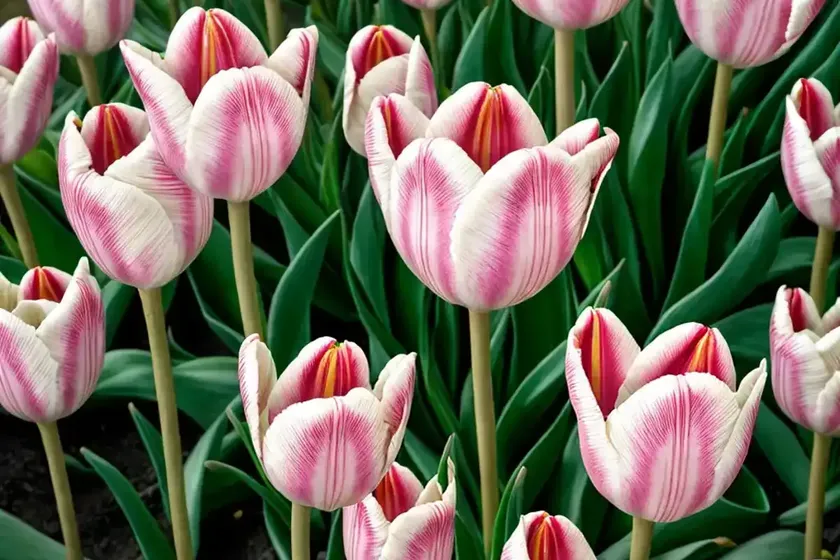
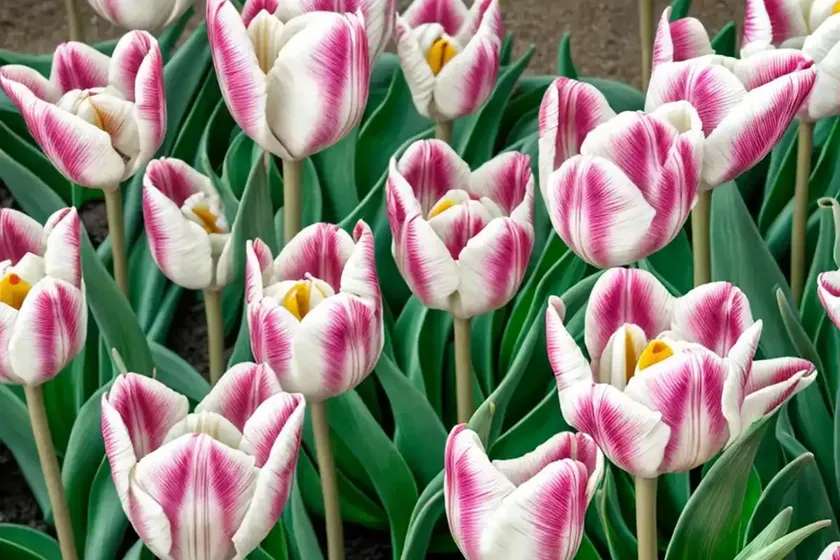
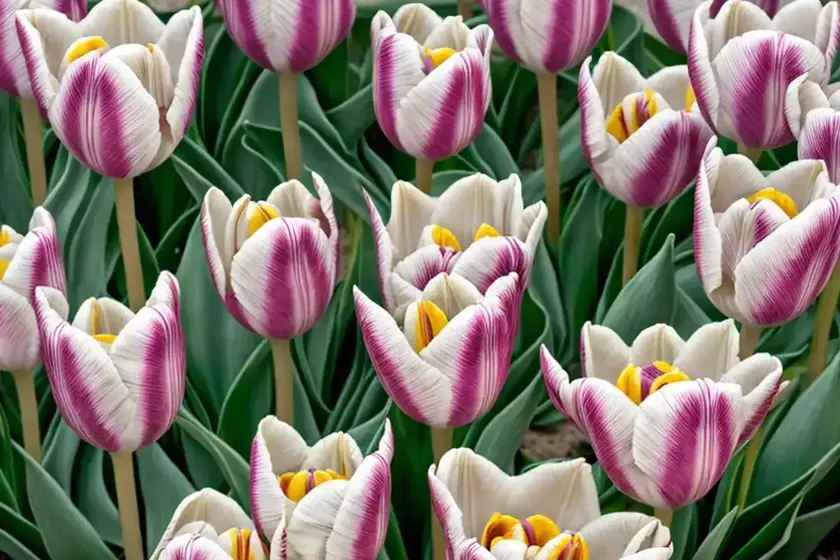
Tulipa pulchella ‘Persian Pearl’, also known as the botanical tulip, is a stunning and vibrant flower that can add unparalleled beauty to any garden. This article aims to provide comprehensive insights into the characteristics, cultivation, maintenance, and significance of this exquisite species. Whether you are a seasoned horticulturist or an enthusiastic beginner, the following guide will equip you with the knowledge and skills to nurture and appreciate the charm of the Persian Pearl tulip.
What is Tulipa pulchella ‘Persian Pearl’?
The Tulipa pulchella ‘Persian Pearl’ is a botanical tulip variety renowned for its enchanting appearance and captivating presence. This delicate flower is native to the Middle East, particularly Iran and Turkey, where it thrives in the wild, displaying its beauty in its natural habitat. Its botanical name, Tulipa pulchella, reflects its exceptional elegance, with “pulchella” meaning beautiful in Latin. The ‘Persian Pearl’ serves as a tribute to the flower’s origin and the magnificence reminiscent of the pearls found in the Persian Gulf.
This botanical tulip is a member of the Liliaceae family, characterized by its vibrant and alluring flowers that range in color from soft lilac to deep purple, often accompanied by contrasting silvery or creamy-white margins. The blooms of the ‘Persian Pearl’ exhibit a unique cup-like shape, adding an exceptional allure to the overall aesthetic.
Key Takeaways
Tulipa pulchella ‘Persian Pearl’ (Botanical Tulip)
- Common Name: Persian Pearl tulip
- Botanical Name: Tulipa pulchella
- Classification: Perennial plant
- Native Habitat: Middle East, particularly Iran and Turkey
- Characteristics: Showcases vibrant lilac to deep purple cup-shaped flowers with silvery or creamy-white margins
- Preferred Environment: Well-drained soil and ample sunlight
Now, let’s delve into the specific aspects of cultivating and caring for the Persian Pearl tulip to ensure its optimal growth and stunning visual impact in your garden.
Culture
The culture of the Tulipa pulchella ‘Persian Pearl’ encompasses various factors that contribute to its thriving growth and continued bloom cycle. Understanding the cultural requirements of this botanical tulip is essential for successfully nurturing and enjoying its beauty. From soil preferences to watering needs, each aspect plays a crucial role in the overall well-being of the plant.
Uses
The ‘Persian Pearl’ tulip presents a plethora of uses, ranging from ornamental garden displays to indoor arrangements. Its alluring blooms can be showcased in various settings, adding a touch of elegance and natural beauty to any space. Whether utilized in landscaping projects, floral arrangements, or as potted plants, this botanical tulip never fails to captivate admirers with its enchanting display of colors and graceful appearance.
Water
Proper watering is essential for the optimum growth and vitality of the Tulipa pulchella ‘Persian Pearl’. While this botanical tulip requires a sufficient amount of moisture, it is crucial to ensure that the soil is well-drained to prevent waterlogging, which can lead to root rot and other detrimental conditions. Maintaining a balance between hydration and soil drainage is key to promoting healthy growth and vibrant blooms.
Sunlight
Like many tulip varieties, the ‘Persian Pearl’ thrives in environments with ample sunlight. It is recommended to plant this botanical tulip in locations that receive full to partial sunlight, allowing the plant to harness the energy it needs for photosynthesis and overall development. Adequate exposure to sunlight contributes to the formation of robust stems and vibrant, long-lasting flowers.
Fertilizer
Fertilizing the Tulipa pulchella ‘Persian Pearl’ is integral to its nutritional requirements and blooming potential. The application of a balanced, all-purpose fertilizer in the early spring, when the plant begins to emerge from dormancy, can significantly enhance its growth and flowering capabilities. A fertilizer with a formulation such as 10-10-10 or similar balanced ratios can provide the necessary nutrients for the ‘Persian Pearl’ to flourish.
Soil
The soil preferences of the Tulipa pulchella ‘Persian Pearl’ are centered around well-draining soil with a rich organic composition. A loamy or sandy soil structure is conducive to its growth, promoting healthy root development and preventing water accumulation around the bulbs. Prior to planting, it is advisable to amend the soil with organic matter to enhance its fertility and drainage, establishing an ideal environment for the botanical tulip.
Pruning
Pruning the ‘Persian Pearl’ tulip involves the removal of spent blooms and withering foliage to maintain the plant’s aesthetics and redirect its energy for future growth. Once the flowers have faded and the foliage begins to yellow and deteriorate, gently trim the stems to ground level. This practice prevents the formation of seeds and allows the plant to focus on storing nutrients in the bulbs for the following season.
Propagation
The propagation of Tulipa pulchella ‘Persian Pearl’ can be achieved through various methods, including bulb division and seed propagation. Dividing the bulbs during the dormant phase and replanting them in suitable locations can lead to the establishment of new ‘Persian Pearl’ clusters. Likewise, collecting and sowing the seeds produced by the plant can yield new seedlings, offering opportunities to expand the presence of this botanical tulip in the garden.
Container Popularity
As a species recognized for its ornamental beauty, the ‘Persian Pearl’ tulip has gained popularity as a container plant, gracing outdoor and indoor spaces with its vibrant colors and elegant demeanor. Utilizing containers allows for greater flexibility in showcasing this botanical tulip, enabling gardening enthusiasts to create captivating displays on patios, balconies, and other confined areas where traditional gardening may be limited.
Common Diseases
Understanding the potential diseases that may affect the Tulipa pulchella ‘Persian Pearl’ is crucial in implementing preventive measures and promoting its overall health. While this botanical tulip exhibits resilience, certain diseases and disorders can impact its growth and flowering if not managed effectively. Recognizing the symptoms and addressing these issues promptly is essential for maintaining a thriving population of ‘Persian Pearl’ tulips.
Disease Diagnosis
Diagnosing diseases in the ‘Persian Pearl’ tulip involves observing the plant for signs of common ailments such as:
- Botrytis Blight: Characterized by brown spots and mold on the flowers and foliage, often exacerbated by excessive moisture.
- Tulip Fire: Caused by the fungus Botrytis tulipae, leading to distorted and discolored foliage along with stunted or deformed flowers.
- Bulb Rot: Manifests as soft, discolored areas on the bulbs, often resulting from excessive moisture and poor soil drainage.
- Tulip Breaking Virus: Results in color break patterns on the flowers, leading to distorted and variegated appearances.
Common Pests
The ‘Persian Pearl’ tulip may also face challenges from various pests that can compromise its health and vitality. Common pests that pose a threat to this botanical tulip include:
- Aphids: Small, sap-sucking insects that can cause stunted growth and distortion of the plant’s foliage and flowers.
- Thrips: Tiny, slender insects that feed on flower tissues, causing discoloration and deformed growth.
- Nematodes: Microscopic roundworms that can damage the roots, leading to wilting and overall decline in plant health.
Botanist’s Tips
As a plant scientist with a specialization in tulip species, I offer the following tips and recommendations for cultivating and caring for the Tulipa pulchella ‘Persian Pearl’:
- Ample Sunlight: Ensure that the ‘Persian Pearl’ tulips receive adequate sunlight to promote robust growth and vibrant blooms.
- Well-Draining Soil: Prioritize well-drained soil to prevent waterlogged conditions that can adversely impact the health of the botanical tulip.
- Seasonal Maintenance: Practice timely pruning and bulb division to maintain the vigor and longevity of the ‘Persian Pearl’ tulip population.
- Disease Monitoring: Regularly monitor the plants for signs of diseases and pests, taking prompt action to mitigate potential risks to their well-being.
- Appropriate Fertilization: Apply a balanced fertilizer during the growing season to support the nutritional needs of the ‘Persian Pearl’ tulips without promoting excessive foliage growth at the expense of flowering.
Fun Facts
Delving into the fascinating realm of tulip species reveals intriguing and captivating facts about the Tulipa pulchella ‘Persian Pearl’. Here are some fun facts to enhance your appreciation of this enchanting botanical tulip:
- Unlike many hybrid tulips, the ‘Persian Pearl’ is a species tulip, representing its pure and unaltered genetic lineage.
- The captivating coloration of the ‘Persian Pearl’ tulip is a result of its natural genetic makeup, reflecting the diversity and allure of botanical tulip varieties.
- In its native habitat, the presence of Tulipa pulchella lends a captivating charm to the landscape, painting rolling hills and meadows with its vibrant hues.
Links to External Resources
For further exploration and in-depth insights into the Tulipa pulchella ‘Persian Pearl’ and botanical tulips in general, the following external resources offer valuable information and guidance:
- The Royal Horticultural Society (RHS) – Botanical Tulip Cultivation Guide
- American Society for the Prevention of Cruelty to Plants (ASPCP) – Tulip Care and Maintenance
- World Tulip Council (WTC) – Botanical Tulips: A Comprehensive Guide
By leveraging the knowledge and expertise shared within these resources, gardening enthusiasts and plant aficionados can enhance their understanding and skills in cultivating and appreciating the mesmerizing beauty of Tulipa pulchella ‘Persian Pearl’ and similar botanical tulips.
In conclusion, the Tulipa pulchella ‘Persian Pearl’ stands as a testament to the natural elegance and captivating allure of botanical tulips, offering a breathtaking display of colors and forms that enrich any garden or landscape. Understanding its cultural requirements, disease management, and propagation methods is essential for creating an environment where the ‘Persian Pearl’ can flourish and captivate admirers with its timeless beauty. Whether incorporated into floral arrangements, showcased in garden borders, or admired in containers, this botanical tulip holds an enduring appeal that transcends time and trends, making it a perennial favorite among tulip enthusiasts and horticultural connoisseurs.
The allure of the ‘Persian Pearl’ tulip serves as a reminder of the remarkable diversity and enchanting qualities found within the botanical world, inviting us to revel in the splendor of nature’s creations and the timeless elegance of floral treasures such as the Tulipa pulchella ‘Persian Pearl’.


