Tulipa Praestans ‘Fusilier’ (Botanical Tulip)
Tulipa praestans ‘Fusilier,’ commonly known as Botanical Tulip, is a stunning and vibrant addition to any garden. This beautiful flowering plant belongs to.
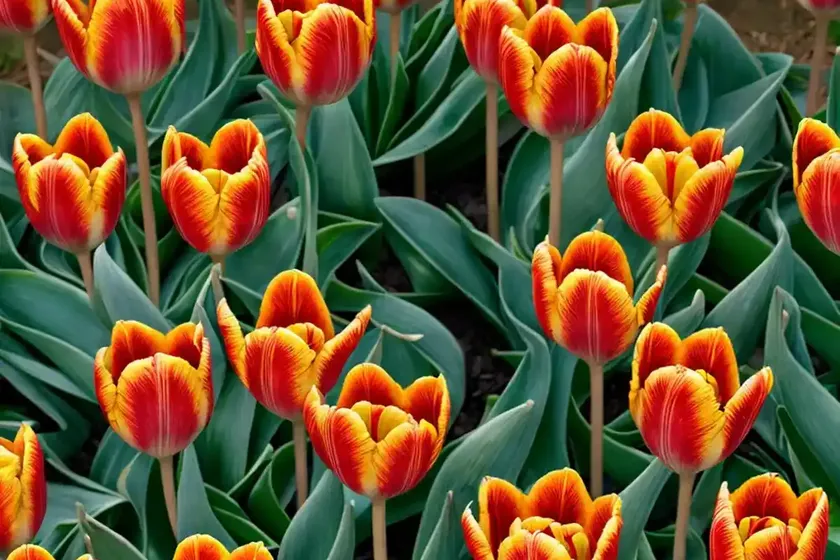


Tulipa praestans ‘Fusilier,’ commonly known as Botanical Tulip, is a stunning and vibrant addition to any garden. This beautiful flowering plant belongs to the Liliaceae family and is native to Central Asia. With its bright red and yellow flowers, the Botanical Tulip is a popular choice among gardeners and landscaping enthusiasts. In this comprehensive guide, we will explore the characteristics, care, cultivation, and landscaping potential of Tulipa praestans ‘Fusilier’, along with a detailed discussion of its uses, diseases, pests, and maintenance tips.
What is Tulipa praestans ‘Fusilier’?
Tulipa praestans ‘Fusilier’ is a species of tulip that is highly valued for its stunning display of bright flowers. This botanical tulip is known for its early spring bloom, making it a beloved addition to gardens and landscapes that are in need of a pop of color after the winter months. The vibrant red and yellow hues of its flowers make it an eye-catching choice for garden borders, rock gardens, and containers.
Key Takeaways – Tulipa praestans ‘Fusilier’
Before delving into the intricacies of caring for Tulipa praestans ‘Fusilier,’ let’s summarize a few key takeaways about this beautiful botanical tulip:
- Characteristics: Known for its vibrant red and yellow flowers, early spring bloom, and compact size.
- Cultivation: Well-suited for garden borders, rock gardens, and containers.
- Uses: Adds color and visual interest to gardens, particularly in early spring.
- Water: Requires moderate watering, avoiding waterlogged conditions.
- Sunlight: Thrives in full sun to partial shade.
- Fertilizer: Benefits from a balanced fertilizer application during the growing season.
- Soil: Prefers well-draining, fertile soil.
- Pruning: Minimal pruning requirements; deadheading can prolong flowering.
- Propagation: Propagated through offsets or seeds.
- Container Popularity: Well-suited for container gardening.
- Common Diseases: Susceptible to fungal diseases in damp conditions.
- Common Pests: Vulnerable to aphids and tulip fire.
- Fun Facts: Known for its historical significance and symbolic value.
Now, let’s dive into a detailed exploration of these key points to provide a comprehensive understanding of the care and cultivation of Tulipa praestans ‘Fusilier’.
Culture
Uses
Tulipa praestans ‘Fusilier’ is valued for its ornamental purposes, adding vibrant bursts of color to various garden settings. It is commonly used in the following ways:
- Garden Borders: The botanical tulip is often planted in garden borders to create striking visual displays, particularly in early spring. Its vibrant red and yellow flowers stand out against green foliage, making it an eye-catching choice for border plantings.
- Rock Gardens: The compact size and early bloom of Tulipa praestans ‘Fusilier’ make it well-suited for rock gardens. Its vibrant flowers add a touch of elegance and color to rocky landscapes, creating focal points within the garden.
- Container Gardens: The botanical tulip is a popular choice for container gardening, allowing individuals with limited space to enjoy its stunning display. Planted in containers, it can be easily moved to different locations, making it a versatile option for patio displays and balcony gardens.
Water
Proper watering is essential for the health and vitality of Tulipa praestans ‘Fusilier.’ While it is important to provide adequate moisture, it is equally crucial to ensure that the soil does not become waterlogged. The following guidelines can help in maintaining optimal soil moisture levels for Botanical Tulips:
- Moderate Watering: During the growing season, ensure that the tulip bulbs receive moderate and consistent moisture. Water the plants when the top inch of soil becomes dry, allowing excess water to drain freely from the soil.
- Avoid Waterlogging: It is crucial to prevent waterlogging, as excessive moisture can lead to bulb rot and other fungal diseases. Well-draining soil and proper irrigation practices can help mitigate the risk of waterlogged conditions.
Sunlight
Tulipa praestans ‘Fusilier’ thrives in locations with ample sunlight, although it can also tolerate partial shade. When selecting a planting site or positioning containers, consider the following sunlight requirements:
- Full Sun: For optimal growth and flowering, provide the botanical tulip with at least 6-8 hours of direct sunlight per day. Planting in a sunny location will encourage robust and vibrant blooms.
- Partial Shade: While Botanical Tulips prefer full sun, they can also thrive in areas with partial shade. In warmer climates, providing some afternoon shade can help protect the plants from excessive heat.
Fertilizer
Applying a balanced fertilizer can support the growth and flowering of Tulipa praestans ‘Fusilier.’ By providing essential nutrients, particularly during the growing season, you can promote healthy foliage and vibrant blooms. Consider the following fertilization practices:
- Balanced Fertilizer: Use a balanced, all-purpose fertilizer with equal NPK (nitrogen, phosphorus, and potassium) content. Apply the fertilizer in early spring when the plants begin actively growing.
- Application Frequency: Apply the fertilizer once at the beginning of the growing season. Avoid over-fertilization, as excessive nutrients can lead to lush foliage at the expense of flowers.
Soil
The choice of soil plays a crucial role in the overall health and performance of Tulipa praestans ‘Fusilier.’ Well-draining, fertile soil provides an ideal growing medium for Botanical Tulips. Consider the following soil preferences for optimal plant health:
- Well-Draining Soil: Select a planting site with well-draining soil to prevent waterlogging and root rot. If the soil is heavy or compacted, improve drainage by amending it with organic matter such as compost or well-rotted manure.
- Fertile Soil: Botanical Tulips thrive in fertile soil that is rich in organic matter. Incorporating compost or soil amendments can enhance the fertility and structure of the soil, providing an optimal environment for the growth of Tulipa praestans ‘Fusilier.’
Pruning
Pruning requirements for Tulipa praestans ‘Fusilier’ are minimal, with the primary focus being on deadheading to prolong the flowering period. By removing spent flowers, you can encourage the plant to channel its energy into producing new blooms. Here are some essential pruning tips for Botanical Tulips:
- Deadheading: As the flowers fade and begin to wilt, deadhead them by gently removing the spent blooms. Deadheading prevents the plant from directing energy into seed production, promoting the continuous emergence of fresh flowers.
- Pruning Considerations: Avoid heavy pruning or cutting back the foliage after flowering. Allow the leaves to senesce naturally, as they play a vital role in replenishing the bulbs for the next growing season.
Propagation
Tulipa praestans ‘Fusilier’ can be propagated through offsets or seeds, providing an opportunity to expand your botanical tulip collection or share the beauty of these plants with others. Let’s explore the propagation techniques for Botanical Tulips:
Offsets
Offset propagation involves separating and planting the smaller bulbs that develop alongside the parent bulb. This method allows you to propagate exact genetic replicas of the parent plant, ensuring consistency in flower color and form. Follow these steps for offset propagation:
- In late spring to early summer, carefully lift the bulbs from the soil after the foliage has withered.
- Separate the offsets from the parent bulb, ensuring that each offset has its own set of roots.
- Plant the offsets in a prepared bed or suitable containers, providing the appropriate growing conditions to support their establishment and growth.
Seeds
Propagating Tulipa praestans ‘Fusilier’ from seeds offers an opportunity to grow new plants with potential variations in flower color and characteristics. This method allows for the exploration of genetic diversity within the species. Consider the following steps for seed propagation:
- Collect seeds from mature Botanical Tulip pods once they have fully ripened and turned brown.
- Sow the seeds in a well-draining, sterile seed-starting mix, pressing them gently into the soil surface.
- Keep the soil consistently moist and provide a warm, bright environment for germination to occur.
Container Popularity
The compact size and stunning beauty of Tulipa praestans ‘Fusilier’ make it a popular choice for container gardening. Whether displayed on patios, balconies, or as part of a larger garden design, container-grown botanical tulips add a burst of color and charm to outdoor spaces. Here are some key considerations for growing Botanical Tulips in containers:
- Container Selection: Choose well-draining containers with drainage holes to prevent waterlogged conditions. The size of the container should accommodate the growth of the tulip bulbs and provide ample space for root development.
- Potting Mix: Use a high-quality, well-draining potting mix formulated for bulbs or perennials. Avoid heavy garden soil, as it can impede drainage and lead to unfavorable growing conditions.
- Placement: Position the containers in locations that receive adequate sunlight, ensuring that the tulips have access to the light they need for healthy growth and flowering.
Common Diseases
Tulipa praestans ‘Fusilier’ is susceptible to a few common diseases, particularly in conditions that favor fungal growth. By understanding these diseases and their symptoms, you can implement preventive measures and early interventions to protect the health of the plants. Let’s explore some common diseases that may affect Botanical Tulips:
Disease Diagnosis
- Gray Mold (Botrytis cinerea): Gray mold often manifests as fuzzy, gray-brown patches on the foliage and flowers. It thrives in moist conditions and can spread rapidly during periods of high humidity.
- Tulip Fire (Botrytis tulipae): Tulip fire is characterized by water-soaked lesions on the leaves and stems, often accompanied by a white, moldy growth. The affected tissues may become distorted and discolored, compromising the overall vigor of the plant.
- Bulb Rot (Fusarium and Penicillium spp.): Bulb rot can occur when the tulip bulbs are subjected to prolonged periods of excessive moisture. Infected bulbs may develop soft, discolored areas and emit a foul odor.
Common Pests
In addition to diseases, Botanical Tulips may also be vulnerable to pest infestations that can impact their growth and flowering. By monitoring the plants and implementing pest management strategies, you can mitigate the damage caused by these common pests:
- Aphids: These small, soft-bodied insects may cluster on the leaves and stems of Botanical Tulips, feeding on plant sap and excreting honeydew. Heavy aphid infestations can lead to distorted growth and reduced plant vigor.
- Tulip Bulb Mites (Rhizoglyphus spp.): Tulip bulb mites typically attack the bulbs of tulip plants, causing damage and potential decline in bulb health. Infested bulbs may exhibit signs of feeding damage and decay.
Botanist’s Tips
As a plant scientist, I would like to offer some expert tips to ensure the successful cultivation and care of Tulipa praestans ‘Fusilier’:
- Planting Depth: When planting Botanical Tulip bulbs, aim for a planting depth that is approximately 3 times the size of the bulb. This will provide the bulbs with sufficient cover while allowing the emerging shoots to reach the surface easily.
- Overwintering: In regions with cold winters, providing an insulating layer of mulch over the planted tulip bulbs can help protect them from extreme temperature fluctuations and winter damage.
- Companion Planting: Consider pairing Tulipa praestans ‘Fusilier’ with spring-flowering companions such as grape hyacinths (Muscari spp.), daffodils (Narcissus spp.), and early flowering perennials to create captivating garden displays.
Fun Facts
To add a touch of intrigue to your knowledge of Tulipa praestans ‘Fusilier,’ here are some fascinating fun facts about these beautiful botanical tulips:
- Historical Significance: Tulips have a rich history, with the genus Tulipa being native to Central Asia, Turkey, and surrounding regions. They have been cultivated for centuries and are deeply associated with cultural and artistic symbolism.
- Symbolic Meaning: In many cultures, tulips symbolize love, passion, and rebirth, making them popular choices for celebrations and special occasions. Their vibrant colors and elegant form have inspired art, literature, and cultural traditions.
- Natural Diversity: The genus Tulipa comprises a diverse range of species and cultivated varieties, showcasing a captivating array of colors, sizes, and forms. From the classic single-flowering types to the ornate parrot tulips, there is a tulip variety to suit every garden style.
Links to External Resources
For individuals seeking additional information and resources on Tulipa praestans ‘Fusilier’ and Botanical Tulips, the following external links can provide valuable insights and inspiration:
- The Royal Horticultural Society (RHS): The RHS offers comprehensive guidance on growing tulips, with detailed advice on cultivation, varieties, and care tips.
- The American Tulip Society: An organization dedicated to the appreciation and cultivation of tulips, providing resources and information on tulip species and varieties.
- University Extension Services: Various university extension services offer detailed guides on growing tulips and other spring-flowering bulbs, including specific recommendations for different growing regions.
Conclusion
In conclusion, Tulipa praestans ‘Fusilier’ (Botanical Tulip) is a captivating and versatile plant that adds a vibrant splash of color to early spring gardens. With its striking red and yellow flowers, ease of cultivation, and ornamental value, this botanical tulip is a cherished presence in many landscapes and garden settings. By following the care guidelines and cultivation tips provided in this comprehensive guide, gardeners and enthusiasts can enjoy the beauty and elegance of Tulipa praestans ‘Fusilier’ while creating stunning displays in their outdoor spaces. Whether grown in garden borders, rock gardens, or containers, the Botanical Tulip remains an enduring favorite, offering a warm and inviting welcome to the new gardening season.


