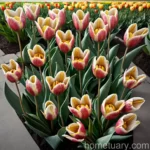
Tulipa ‘Beauty of Apeldoorn’ (Darwin Hybrid Tulip)
Tulips are one of the most beloved and widely cultivated spring flowers. They are known for their vibrant colors and breathtaking beauty, making them a favorite among gardeners and flower enthusiasts. One particularly stunning variety is the Tulipa ‘Beauty of Apeldoorn,’ a member of the Darwin Hybrid Tulip family. In this comprehensive guide, we will delve into the culture, uses, care, and maintenance of the Tulipa ‘Beauty of Apeldoorn.’
Key Takeaways – Tulipa ‘Beauty of Apeldoorn’ (Darwin Hybrid Tulip)
- Botanical Name: Tulipa ‘Beauty of Apeldoorn’
- Common Name: Darwin Hybrid Tulip
What is Tulipa ‘Beauty of Apeldoorn’ (Darwin Hybrid Tulip)?
Tulipa ‘Beauty of Apeldoorn’ is a striking variety of tulip that belongs to the Darwin Hybrid group. This particular tulip is renowned for its exceptionally large and vivid blooms, which boasts a brilliant combination of red and yellow colors. The flowers stand on tall, sturdy stems, adding elegance and grace to any garden or landscape. Like other members of the Darwin Hybrid Tulip family, ‘Beauty of Apeldoorn’ is known for its resilience and strength, making it an excellent choice for both professional gardeners and home enthusiasts.
Botanical Classification
- Family: Liliaceae
- Genus: Tulipa
- Species: Darwin Hybrid
Now, let’s explore the various aspects of growing and caring for this magnificent tulip variety.
Culture
Uses
The Tulipa ‘Beauty of Apeldoorn’ serves a multitude of purposes in gardens, landscapes, and floral arrangements. Here are some common uses of this beautiful tulip:
-
Garden Ornament: The vibrant colors and sturdy nature of ‘Beauty of Apeldoorn’ make it an excellent choice for adding visual appeal to flowerbeds, borders, and mixed plantings.
-
Cut Flower: The long, sturdy stems and large blooms of this tulip make it a popular choice for floral arrangements and bouquets. Its striking colors can brighten up any room or floral display.
-
Landscaping: This tulip variety can be used to create stunning displays in parks, public gardens, and commercial landscapes. Its vigorous growth and vibrant blooms enhance the visual appeal of any outdoor space.
Water
Proper watering is crucial for the health and vitality of Tulipa ‘Beauty of Apeldoorn.’ Here are some important points to consider:
-
Watering: Provide regular, moderate watering, especially during active growth and blooming periods. Ensure that the soil is well-drained to prevent waterlogging, which can lead to bulb and root rot.
-
Moisture Requirements: Tulips prefer moderately moist soil during their growing season. However, it is important to allow the soil to dry out slightly between watering to prevent fungal diseases and waterlogged conditions.
Sunlight
Sunlight is a key factor in the growth and blooming of Tulipa ‘Beauty of Apeldoorn.’ Here are some sunlight requirements for this tulip variety:
-
Sun Exposure: Plant the bulbs in a location that receives full to partial sunlight. Ideally, they should receive at least 6-8 hours of sunlight per day for robust growth and prolific blooming.
-
Sun Requirements: While tulips thrive in full sunlight, they can also tolerate partial shade. However, prolonged periods of shade may result in reduced flowering and weaker plant growth.
Fertilizer
Proper fertilization is essential for promoting healthy growth and vibrant blooms in Tulipa ‘Beauty of Apeldoorn.’ Consider the following points when fertilizing this tulip variety:
-
Fertilizer Type: Use a balanced, all-purpose fertilizer or a specialized bulb fertilizer to provide essential nutrients for the tulip bulbs.
-
Application Timing: Apply fertilizer in early spring when the tulips begin to emerge from the soil. Avoid excessive fertilization, as it can lead to excessive foliage growth at the expense of flower production.
Soil
The quality and composition of the soil play a significant role in the health and vigor of Tulipa ‘Beauty of Apeldoorn.’ Consider the following soil requirements for this tulip variety:
-
Soil Type: The tulip bulbs thrive in well-drained, fertile soil with a slightly acidic to neutral pH. Sandy loam or loamy soils with good drainage are ideal for promoting healthy root development and blooming.
-
Soil Preparation: Prior to planting, amend the soil with organic matter such as compost or well-rotted manure to improve its fertility and structure. Ensure that the soil is free from clumps and debris to facilitate proper bulb growth.
Pruning
Pruning is an essential aspect of tulip care, as it helps maintain the plant’s vigor and enhances its visual appeal. Here are some key points to consider when pruning Tulipa ‘Beauty of Apeldoorn’:
-
Pruning Timing: Deadhead the spent blooms to prevent the plant from directing its energy into seed production. This encourages the bulbs to store energy for the following year’s growth and blooming.
-
Foliage Removal: Allow the foliage to remain on the plant until it turns yellow and begins to wither naturally. At this point, the foliage can be gently removed to promote bulb maturation without causing damage to the plant.
Propagation
Tulipa ‘Beauty of Apeldoorn’ can be propagated through various methods, including offsets, bulb division, and seed propagation. Here are some key points to consider when propagating this tulip variety:
-
Division: Every few years, dig up the mature clumps of tulip bulbs and carefully separate the offsets or bulblets from the parent bulb. Replant the offsets in suitable locations to allow them to establish and grow into new plants.
-
Seed Propagation: While viable seeds can be collected from the mature tulip seed pods, it is important to note that seed-grown tulips may take several years to reach flowering maturity. This method is often used in breeding programs to develop new tulip varieties.
Container Popularity
Tulips, including the ‘Beauty of Apeldoorn’ variety, are popular choices for container gardening. Their vibrant blooms add a splash of color to outdoor spaces, balconies, and patios. Here are some important considerations when growing ‘Beauty of Apeldoorn’ tulips in containers:
-
Container Selection: Choose medium to large-sized containers with adequate drainage holes to ensure proper air circulation and water drainage for the tulip bulbs.
-
Soil Mix: Use a well-draining, high-quality potting mix or a specialized bulb planting mix to provide the necessary nutrients and aeration for the tulip bulbs.
-
Placement: Position the containers in a location that receives ample sunlight, ensuring that the tulips receive the required light for robust growth and blooming.
Common Diseases
Like all plants, Tulipa ‘Beauty of Apeldoorn’ is susceptible to certain diseases that can affect its growth and vitality. Here are some common diseases that may impact this tulip variety:
-
Botrytis Blight: This fungal disease, also known as gray mold, can cause grayish mold growth on the tulip foliage and flowers, leading to wilting and decay.
-
Bulb Rot: Excessive soil moisture and poor drainage can lead to bulb rot, characterized by soft, water-soaked bulbs and foul odor. Improper storage conditions can also contribute to bulb rot.
-
Tulip Fire: Caused by the fungus Botrytis tulipae, tulip fire results in brown lesions and wilting of the foliage, ultimately leading to the collapse of the plant.
Disease Diagnosis
To effectively diagnose and address potential diseases affecting Tulipa ‘Beauty of Apeldoorn,’ it is important to closely monitor the plants for signs of disease and promptly take appropriate measures. Here are some diagnostic steps:
-
Visual Inspection: Regularly inspect the foliage, stems, and flowers for any abnormal discoloration, lesions, or unusual growth.
-
Symptom Recognition: Learn to recognize the characteristic symptoms of common tulip diseases, such as mold growth, wilting, and discoloration.
-
Isolation and Treatment: If disease symptoms are observed, carefully isolate the affected plants to prevent the spread of the disease. Treat the plants with appropriate fungicides or cultural practices recommended for the specific disease.
Common Pests
Pests can pose a threat to the health and vitality of Tulipa ‘Beauty of Apeldoorn,’ necessitating vigilant monitoring and pest management strategies. Here are some common pests that may affect this tulip variety:
-
Aphids: These small, soft-bodied insects can congregate on the tulip foliage and buds, sucking sap from the plant and causing distortion and yellowing of the leaves.
-
Narcissus Bulb Fly: The larvae of the narcissus bulb fly can tunnel into the tulip bulbs, causing damage and weakening the bulbs.
-
Slugs and Snails: These mollusks can feed on the tender foliage and flowers of tulips, leaving behind characteristic slime trails and ragged foliage edges.
Botanist’s Tips
To ensure the successful growth and blooming of Tulipa ‘Beauty of Apeldoorn,’ consider these insightful tips from botanists and experienced gardeners:
-
Site Selection: Choose a well-drained, sunny location for planting the bulbs, providing the ideal growing conditions for robust tulip growth.
-
Bulb Depth: Plant the tulip bulbs at the appropriate depth, typically 6-8 inches deep, to ensure proper anchorage and insulation during winter.
-
Companion Planting: Select compatible companion plants, such as daffodils, grape hyacinths, and pansies, to create visually appealing and ecologically beneficial plant combinations.
-
Mulching: Apply a layer of organic mulch, such as pine straw or shredded bark, to conserve soil moisture and regulate soil temperature around the tulip bulbs.
Fun Facts
Here are some intriguing and fascinating facts about Tulipa ‘Beauty of Apeldoorn’ and tulips in general:
-
Symbolism: In many cultures, tulips are associated with love, passion, and elegance, making them popular choices for romantic gestures and decorative arrangements.
-
Historical Significance: Tulips have a rich historical background, with their cultivation dating back to the Ottoman Empire. They have been highly valued and sought after throughout history.
-
Economic Impact: At the height of tulip mania in the 17th century, tulip bulbs were so highly prized in the Netherlands that they sparked an economic frenzy known as “Tulipomania.”
-
Biodiversity: There are over 150 species of tulips and thousands of cultivated varieties, showcasing a diverse range of colors, shapes, and sizes.
-
Cultural Significance: Tulips are celebrated in various international festivals, including the annual Tulip Festival held in the Netherlands, where millions of tulips bloom in vibrant displays.
Links to External Resources
For further information on Tulipa ‘Beauty of Apeldoorn’ (Darwin Hybrid Tulip), tulip cultivation, and related topics, explore the following resources:
-
Royal Horticultural Society (RHS) – Tulipa ‘Beauty of Apeldoorn’
-
University of Minnesota Extension – Growing Tulips and Daffodils
By delving into these valuable resources, you can expand your knowledge of tulip cultivation, care, and the captivating world of tulip varieties.
In conclusion, Tulipa ‘Beauty of Apeldoorn’ (Darwin Hybrid Tulip) stands as a captivating and vibrant addition to any garden, landscape, or floral display. Its resilient nature, stunning blooms, and rich symbolism make it a cherished choice for both casual gardeners and horticultural enthusiasts. By understanding its cultural requirements, propagation techniques, and pest and disease management, you can nurture a thriving display of ‘Beauty of Apeldoorn’ tulips, adding a burst of color and elegance to your outdoor spaces. Delve into the enchanting world of tulips, and experience the allure and timeless beauty of Tulipa ‘Beauty of Apeldoorn.’
Happy Gardening!