Rudbeckia Laciniata ‘Hortensia’ (Cutleaf Coneflower)
Rudbeckia laciniata ‘Hortensia’, commonly known as Cutleaf Coneflower, is a stunning perennial plant that adds vibrant color and texture to gardens and.
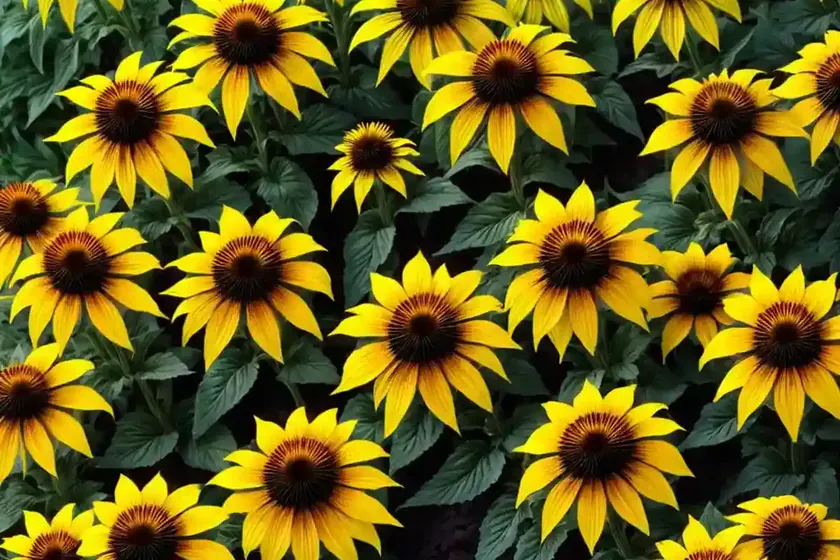
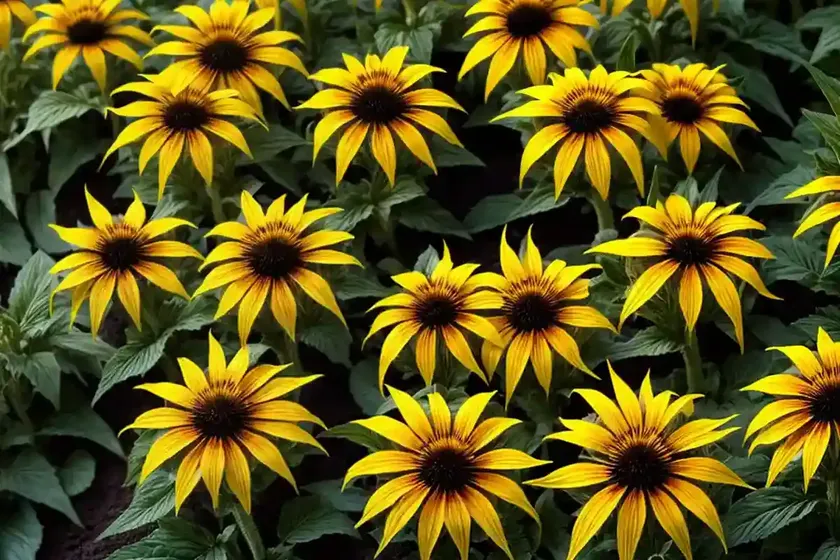
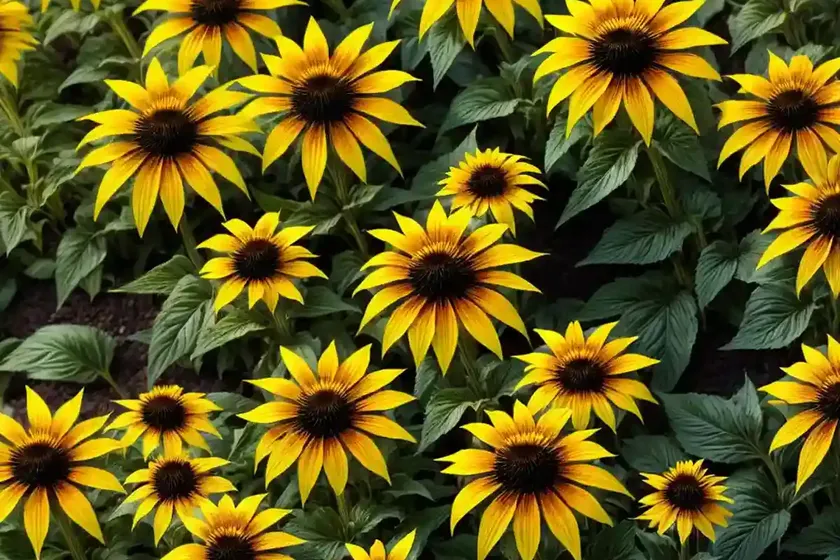
Rudbeckia laciniata ‘Hortensia’, commonly known as Cutleaf Coneflower, is a stunning perennial plant that adds vibrant color and texture to gardens and landscapes. This plant is popular for its distinctive yellow flowers with prominent green centers and deeply lobed leaves, making it a focal point in any garden setting. In this comprehensive guide, we will explore all aspects of cultivating this beautiful plant, including its cultural requirements, uses, maintenance, and common issues that may arise. Whether you are a seasoned gardener or a novice plant enthusiast, this guide will provide you with valuable insights into the care and cultivation of Rudbeckia laciniata ‘Hortensia’.
What is Rudbeckia laciniata ‘Hortensia’?
Rudbeckia laciniata ‘Hortensia’, also known as Cutleaf Coneflower, belongs to the Asteraceae family and is native to North America. This herbaceous perennial is characterized by its bushy growth habit, reaching a height of 3 to 10 feet (0.9 to 3 meters) tall. The plant features bright yellow, daisy-like flowers with drooping petals, creating an attractive display in the garden. The deeply lobed leaves add an interesting foliage texture and give the plant a bold and striking presence.
Key Takeaways – Rudbeckia laciniata ‘Hortensia’ (Cutleaf Coneflower)
Before delving into the specifics of cultivating Rudbeckia laciniata ‘Hortensia’, here are some key takeaways about this stunning plant:
- Common Name: Cutleaf Coneflower
- Botanical Name: Rudbeckia laciniata ‘Hortensia’
- Plant Type: Herbaceous perennial
- Flower Color: Bright yellow with green centers
- Foliage: Deeply lobed leaves
- Growth Habit: Bushy and upright
- Height: 3 to 10 feet (0.9 to 3 meters)
- Native Range: North America
Now, let’s explore the essential cultural requirements for successfully growing and maintaining Rudbeckia laciniata ‘Hortensia’.
Culture
Water
Rudbeckia laciniata ‘Hortensia’ generally prefers consistently moist soil, especially during the active growing season. Adequate water is essential for promoting healthy growth and vibrant flowering. However, it is crucial to ensure that the soil is well-draining to prevent waterlogged conditions, which can lead to root rot and other issues.
- Watering Frequency: Water the plant regularly, particularly during periods of low rainfall or drought. Aim to keep the soil consistently moist but not waterlogged.
- Monitoring Soil Moisture: Check the moisture levels in the soil regularly and adjust the watering frequency based on the plant’s needs and environmental conditions.
Sunlight
As a sun-loving plant, Rudbeckia laciniata ‘Hortensia’ thrives in full sun to partial shade. When provided with ample sunlight, the plant exhibits robust growth and produces an abundance of vibrant flowers. Here are some key considerations regarding sunlight requirements:
- Optimal Sun Exposure: Select a planting location that receives at least 6 to 8 hours of direct sunlight per day for the best flowering performance.
- Partial Shade Tolerance: While the plant prefers full sun, it can tolerate partial shade, especially in regions with intense heat or during the hottest part of the day.
Fertilizer
Proper fertilization can significantly enhance the growth and flowering of Rudbeckia laciniata ‘Hortensia’. By providing essential nutrients, you can promote vigorous growth and encourage abundant blooms. When selecting a fertilizer for this plant, consider a balanced, slow-release fertilizer specifically formulated for flowering perennials.
- Fertilizing Schedule: Apply fertilizer in early spring as new growth emerges and again in midsummer to support continuous blooming.
- Application Method: Spread the fertilizer evenly around the base of the plant, following the manufacturer’s recommended application rates.
Soil
Rudbeckia laciniata ‘Hortensia’ thrives in well-draining, fertile soil with a slightly acidic to neutral pH range. When preparing the planting site, it is important to address the soil quality to provide an optimal growing environment for the plant.
- Soil Texture: Choose a loamy, well-draining soil to promote healthy root development and prevent waterlogging.
- pH Range: Aim for a soil pH of 6.0 to 7.0 for ideal nutrient uptake and overall plant health.
Pruning
Pruning is an important aspect of maintaining the overall health and appearance of Rudbeckia laciniata ‘Hortensia’. Regular pruning helps control the plant’s size, shape, and promotes better air circulation, reducing the risk of disease. Here are some key guidelines for pruning this plant:
- Deadheading: Remove spent flowers regularly to encourage continuous blooming and prevent the formation of seeds, allowing the plant to allocate more energy towards producing new flowers.
- Spring Pruning: In early spring, cut back any remaining dried stems or foliage from the previous growing season to make way for new growth.
- Division and Refreshing: Over time, the plant may benefit from division to rejuvenate and prevent overcrowding. Divide the plant every 3 to 4 years to maintain vigor and promote healthy growth.
Propagation
Rudbeckia laciniata ‘Hortensia’ can be propagated through various methods, including division, seed sowing, and stem cuttings. Each propagation method offers unique advantages and allows for the expansion of your plant collection or the sharing of plants with other gardening enthusiasts. Consider the following propagation techniques for this plant:
- Division: Divide mature clumps in early spring or late summer to create new plants. Ensure that each division has a sufficient root system and healthy growth points.
- Seed Sowing: Collect seeds from mature flower heads and sow them in well-prepared seed-starting mix indoors. Provide adequate warmth and light to facilitate germination, and transplant the seedlings outdoors once they are sufficiently established.
- Stem Cuttings: Take 4- to 6-inch (10- to 15-centimeter) stem cuttings from healthy, actively growing plants. Remove the lower leaves, dip the cut ends in a rooting hormone, and plant them in a well-draining growing medium. Provide high humidity and consistent moisture to encourage root development.
Container Cultivation
Rudbeckia laciniata ‘Hortensia’ can also thrive in containers, making it a versatile addition to patios, balconies, and small gardens. When cultivating this plant in containers, it is essential to provide the right growing conditions and ensure that the container meets the plant’s spatial needs.
- Container Size: Select a spacious container with adequate drainage holes to accommodate the plant’s mature size and allow room for root development.
- Growing Medium: Use a high-quality, well-draining potting mix suitable for perennial plants. Consider adding compost or organic matter to improve soil fertility and structure.
- Watering and Maintenance: Monitor the moisture levels in the container and water the plant as needed to keep the soil evenly moist. Regularly check for signs of overcrowding and repot the plant as necessary to prevent root binding.
Popularity
Rudbeckia laciniata ‘Hortensia’ is celebrated for its appeal in garden landscapes, making it a popular choice among gardeners and landscapers. Its striking appearance, low maintenance requirements, and wildlife-attracting qualities contribute to its widespread popularity. Moreover, the plant’s adaptability to various growing conditions further enhances its appeal to gardening enthusiasts across different regions.
- Garden and Landscape Use: Incorporate Rudbeckia laciniata ‘Hortensia’ into perennial borders, cottage gardens, prairie-style plantings, and naturalized landscapes for a vibrant and dynamic display.
- Pollinator and Wildlife Attraction: The flowers of Cutleaf Coneflower are highly attractive to pollinators, including bees and butterflies, contributing to the ecological value of garden settings and natural habitats.
Common Diseases
While Rudbeckia laciniata ‘Hortensia’ is generally a resilient plant, it may still be susceptible to certain diseases under unfavorable growing conditions or in the presence of environmental stressors. Being aware of common diseases that can affect this plant is essential for timely identification and intervention.
Below are some common diseases that may impact Rudbeckia laciniata ‘Hortensia’, along with brief descriptions of their symptoms:
| Disease | Symptoms |
|---|---|
| Powdery Mildew | White, powdery patches on leaves and stems |
| Septoria Leaf Spot | Small, dark spots on foliage, leading to leaf yellowing |
| Root Rot | Wilting, yellowing foliage, and decayed, soft roots |
| Botrytis Blight | Gray mold on flowers and foliage, leading to tissue decay |
Disease Diagnosis
When observing symptoms of disease on Rudbeckia laciniata ‘Hortensia’, it is important to accurately diagnose the underlying issue to implement effective management strategies. Here are a few steps to consider when diagnosing potential diseases affecting the plant:
- Symptom Observation: Carefully examine the plant for any abnormal signs, including leaf discoloration, unusual growth patterns, or presence of mold or mildew.
- Environment Assessment: Consider environmental factors such as moisture levels, air circulation, and overall plant health to identify potential stressors contributing to disease development.
- Professional Consultation: If uncertain about the diagnosis, seek assistance from local horticultural experts or plant disease specialists to accurately identify the issue and recommend appropriate treatment options.
Common Pests
In addition to diseases, Rudbeckia laciniata ‘Hortensia’ may encounter pest infestations that can impact the plant’s health and vitality. Understanding the common pests that are known to affect this plant is essential for implementing preventive measures and prompt intervention if an infestation occurs.
Here are some of the common pests that may pose a threat to Rudbeckia laciniata ‘Hortensia’, along with brief descriptions of their characteristics:
| Pest | Description |
|---|---|
| Aphids | Small, soft-bodied insects that feed on plant sap |
| Spider Mites | Tiny arachnids that cause stippling and webbing on leaves |
| Caterpillars | Larval stage of moths and butterflies, feeding on foliage |
| Japanese Beetles | Metallic green beetles that skeletonize foliage |
To ensure the successful cultivation of Rudbeckia laciniata ‘Hortensia’, it is helpful to incorporate expert tips into your gardening practices. These practical insights, often derived from botanists and horticultural professionals, can enhance your understanding of the plant and contribute to its optimal care and maintenance. Here are some valuable botanist’s tips for cultivating this stunning plant:
- Soil Improvement: Amend the soil with organic matter, such as compost or well-rotted manure, to enhance soil structure and fertility for improved plant growth.
- Mulching Benefits: Apply a layer of organic mulch around the base of the plant to conserve soil moisture, suppress weed growth, and provide insulation to the root zone.
- Regular Monitoring: Routinely inspect the plant for signs of pests, diseases, or nutrient deficiencies, and address any issues promptly to maintain overall plant health.
- Companion Planting: Pair Rudbeckia laciniata ‘Hortensia’ with complementary species that offer aesthetic appeal, beneficial insect attraction, or soil enrichment in garden settings.
Fun Facts
As we delve into the world of Rudbeckia laciniata ‘Hortensia’, let’s explore some fascinating and lesser-known facts about this captivating plant:
- Cultural Significance: The genus Rudbeckia is named in honor of Swedish botanist Olof Rudbeck the Younger, highlighting the enduring legacy of botanical exploration and discovery.
- Medicinal Uses: Historically, certain species of Rudbeckia were utilized in traditional herbal medicine for the treatment of various ailments, showcasing the plant’s diverse cultural and historical relevance.
- Ecological Role: Cutleaf Coneflower plays a vital role in supporting pollinators and native wildlife, contributing to the ecological balance and biodiversity of natural habitats.
Now that we have unraveled the captivating world of Rudbeckia laciniata ‘Hortensia’, it’s time to explore additional resources and expert insights to further enrich our understanding of this remarkable plant.
Links to External Resources
For comprehensive information and detailed guidance on the cultivation and care of Rudbeckia laciniata ‘Hortensia’, consider exploring the following external resources:
- The American Horticultural Society Encyclopedia of Plants & Flowers
- The Royal Horticultural Society – Plant Selector
- University Extension Services – Horticulture and Gardening Guides
- Botanical Gardens and Arboretums
With the wealth of information available through these resources, you can expand your knowledge and refine your approach to cultivating Rudbeckia laciniata ‘Hortensia’.
In conclusion, Rudbeckia laciniata ‘Hortensia’ stands as an extraordinary plant that captivates and enriches garden landscapes with its vibrant blooms and distinct foliage. By understanding its cultural requirements, maintenance practices, and ecological value, you can elevate your gardening experience and create stunning displays that embody the beauty of this remarkable perennial. As you embark on your journey with Cutleaf Coneflower, may your gardens flourish with the allure and vitality of Rudbeckia laciniata ‘Hortensia’.
Remember, an exploration of the plant world opens doors to endless discovery, appreciation, and harmonious interactions with nature.
Happy gardening!
Disclaimer: This blog post is for informational purposes only and does not serve as professional gardening or horticultural advice. Always consult with local gardening experts and extension services for specific plant care recommendations and guidance.