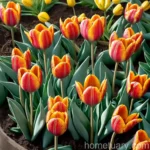
Tulipa ‘Abba’ (Double Early Tulip) – A Comprehensive Guide
In the world of garden flowers, the tulip holds a special place. Its vibrant colors and elegant bloom make it a beloved addition to gardens around the globe. Among the myriad tulip varieties, the Tulipa ‘Abba’, a double early tulip, stands out for its exceptional beauty and resilience. In this comprehensive guide, we delve into the intricate details of the Tulipa ‘Abba’, exploring its culture, uses, care requirements, and much more.
What is Tulipa ‘Abba’ (Double Early Tulip)?
The Tulipa ‘Abba’ is a member of the Liliaceae family, and it is recognized for its striking double blossoms that appear early in the spring, making it a herald of the season’s arrival. With its sturdy stems and medium-sized blooms, the ‘Abba’ tulip is an excellent choice for both garden beds and containers.
Key Takeaways
- Common Name: Abba tulips
- Scientific Name: Tulipa ‘Abba’
- Classification: Perennial tulips
- Type: Flowering bulbs
- Origin: Dutch tulips
- Uses: Ornamental plants, spring flower arrangements
- Characteristics: Double flowered, fragrant tulips
- Colors: Red, yellow, pink, white, purple, and bi-color
- Preferred Location: Full sunlight
- Planting: Early blooming flowers, spring bulb flowers
Now, let’s explore in detail the various facets of the Tulipa ‘Abba’, from its culture and usage to its propagation and common diseases.
Culture
Water
The ‘Abba’ tulip benefits from moderate watering. It is essential to water the bulbs after planting and keep the soil evenly moist during the growing season, especially during dry spells. However, it is crucial to ensure proper drainage to avoid waterlogged soil, which can lead to root rot and other potential issues. Once the blooming period concludes, gradually reduce the watering frequency to prepare the bulbs for dormancy.
Sunlight
As with most tulip varieties, the Tulipa ‘Abba’ thrives in full sunlight. When selecting a planting site, it is imperative to choose an area that receives at least 6 hours of direct sunlight daily. Adequate sunlight not only promotes robust growth and vibrant blooms but also helps in preventing issues such as damping off and fungal diseases.
Fertilizer
Prior to planting, it is advisable to incorporate a balanced, slow-release fertilizer into the soil. This provides the bulbs with essential nutrients for healthy growth and development. Additionally, a light application of fertilizer in the early spring as the foliage emerges can further support the tulips’ growth. However, it is crucial not to over-fertilize, as this can lead to excessive foliage growth at the expense of flowering.
Soil
The ‘Abba’ tulip thrives in well-drained soil with a slightly acidic to neutral pH. Loamy soil with good fertility and aeration is optimal for ensuring the bulbs establish strong roots and produce abundant blooms. When planting in containers, a high-quality potting mix with adequate drainage is essential to support the tulips’ growth and blooming.
Uses
As ornamental plants, the Tulipa ‘Abba’ adds a delightful burst of color and charm to gardens, borders, and containers. Their early blooming nature makes them an ideal choice for ushering in spring, creating stunning flower arrangements, and adding visual interest to landscapes. Additionally, their double blossoms and fragrant nature make them a sought-after choice for floral displays and cutting gardens.
Pruning
Pruning is not a typical practice for ‘Abba’ tulips. However, once the blooms fade and the foliage starts yellowing, it is essential to allow the plants to naturally wither and die back. This process enables the bulbs to store energy for the following year’s growth and flowering. Once the foliage has completely withered, it can be gently removed to maintain a tidy appearance, but it is crucial to exercise care to avoid damaging the bulbs.
Propagation
The propagation of Tulipa ‘Abba’ primarily occurs through bulb division and offsets. Over time, mature bulbs produce smaller bulbs, known as offsets, alongside the main bulb. These offsets can be carefully removed after the foliage has withered, and they are then replanted to establish new plants. It is essential to ensure that the offsets possess roots and are of a reasonable size before undertaking the division to maximize their chances of successful establishment.
Container Popularity
The ‘Abba’ tulip is favored for container gardening due to its moderate height, vibrant double blooms, and early flowering. Planted in containers, these tulips bring the freshness and beauty of spring to patios, balconies, and indoor spaces. Their suitability for containers makes them a versatile choice for gardeners with limited outdoor space, allowing them to enjoy the splendor of tulips even in confined areas.
Common Diseases
The Tulipa ‘Abba’ tulip, like other tulip varieties, may be susceptible to certain diseases, particularly fungal infections. These diseases can affect the foliage, stems, and bulbs, impacting the overall health and vigor of the plants. Common diseases that may affect the ‘Abba’ tulip include:
- Botrytis Blight (Gray Mold)
- Fusarium Bulb Rot
- Root Rots
- Tulip Fire
Disease Diagnosis
Diagnosing tulip diseases requires careful observation of the plants’ foliage and blooms. Symptoms such as discolored or wilting leaves, moldy patches on the stems or bulbs, and stunted or distorted growth can indicate the presence of diseases. Additionally, inspecting the bulbs for signs of rot or damage is crucial in diagnosing potential issues. In the presence of disease symptoms, prompt action should be taken to prevent the spread of the infection and protect the overall garden health.
Common Pests
Pests can pose a threat to the ‘Abba’ tulip’s health and vigor, making pest management an essential aspect of its care. Common pests that may affect Tulipa ‘Abba’ include aphids, thrips, and narcissus bulb flies. These pests can damage the foliage, flowers, and bulbs, impacting the tulips’ overall growth and blooming. Vigilance and timely intervention are crucial in mitigating the impact of pests and ensuring the tulips’ wellbeing.
Botanist’s Tips
To optimize the growth and blooming of Tulipa ‘Abba’, consider the following tips:
- Plant the bulbs at the appropriate depth, typically 3 times the bulb’s height, to ensure proper anchoring and insulation.
- Apply a layer of mulch over the planted bulbs to regulate soil temperature and moisture, providing an ideal environment for their growth.
- Monitor the plants for signs of diseases and pests, promptly addressing any issues to prevent their escalation.
- When planting in containers, choose a well-draining potting mix and ensure that the containers have adequate drainage holes to prevent waterlogging.
Fun Facts
- The Tulipa ‘Abba’ belongs to the tulip family, known for its diverse and vibrant array of species and cultivars.
- Double early tulips, such as the ‘Abba’, are cherished for their full, peony-like blossoms that add a touch of opulence to garden landscapes.
- Tulip festivals around the world celebrate the beauty and cultural significance of these beloved spring flowers, attracting visitors from near and far.
Links to External Resources
To further enrich your knowledge of Tulipa ‘Abba’ and indulge in a deeper exploration of gardening with tulips, here are some valuable external resources:
- American Daffodil Society – Growing Tulips
- Royal Horticultural Society – Tulip Care Tips
- University of Minnesota Extension – Planting and Care of Tulips, Daffodils, and Other Spring-Blooming Bulbs
In essence, the Tulipa ‘Abba’ (Double Early Tulip) stands as a testament to the enduring allure and beauty of tulips in garden landscapes. Its vibrant blooms, early flowering, and resilience make it a cherished addition to gardens and containers, capturing the essence of spring with its captivating presence. As you cultivate these exquisite tulips, may your gardening endeavors be graced with the splendor of ‘Abba’ and the timeless charm of tulips.
References
– “The Language of Flowers: Tulips” National Garden Bureau. 2021, www.ngb.org
– “Tulipa ‘Abba’′′Oudolf Garden Detroit”. www.oudolfgardendetroit.org
– “Growing Tulip Flowers, How to Plant, Grow and Care for Tulips” The Old Farmer’s Almanac. www.almanac.com
– “The Netherlands: Tulip Planting Season”. www.realholland.com/tulips-in-the-netherands
As a Plant Scientist, I am passionate about sharing the wonders of the natural world and the intricate details of plant species. The Tulipa ‘Abba’ (Double Early Tulip) serves as a delightful subject for exploration, offering a captivating blend of beauty and resilience that has endeared it to gardeners and enthusiasts worldwide.