Tropaeolum Minus ‘Tip Top Rose’ (Nasturtium)
Tropaeolum minus ‘Tip Top Rose’, commonly known as Nasturtium, is a beautiful flowering plant that is popular in gardens and landscapes around the world..
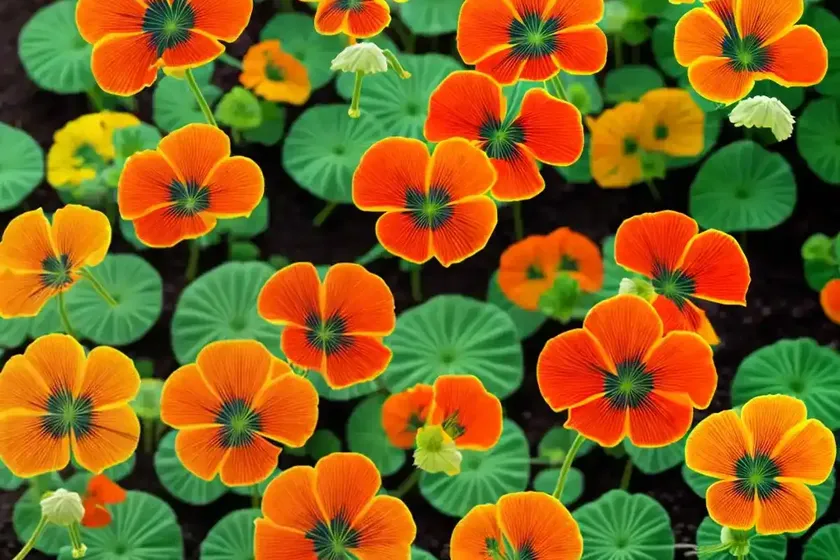
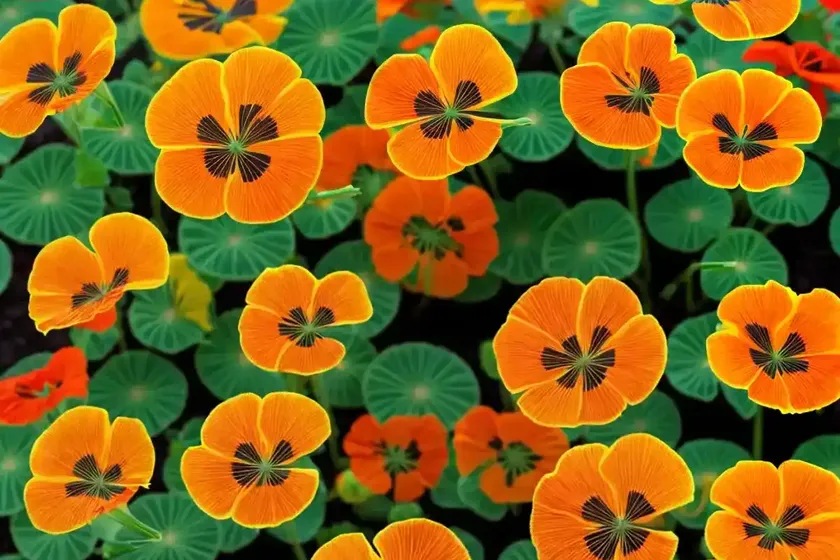
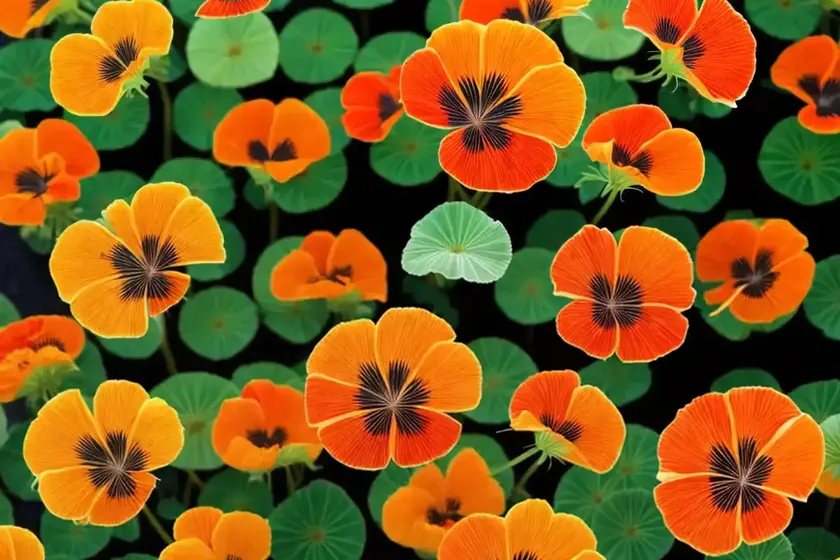
Tropaeolum minus ‘Tip Top Rose’, commonly known as Nasturtium, is a beautiful flowering plant that is popular in gardens and landscapes around the world. Its vibrant and colorful flowers, as well as its culinary uses, make it a versatile and attractive addition to any garden. In this comprehensive guide, we will explore the various aspects of Tropaeolum minus ‘Tip Top Rose’, including its cultivation, uses, care tips, and more.
What is Tropaeolum minus ‘Tip Top Rose’ (Nasturtium)?
Tropaeolum minus ‘Tip Top Rose’ is a species of flowering plant in the genus Tropaeolum, which belongs to the family Tropaeolaceae. It is native to South America, particularly the Andes region, and is known for its unique and vibrant flowers. The plant is characterized by its round, shield-shaped leaves and brightly colored, trumpet-shaped flowers, which come in various shades of red, orange, and yellow.
Nasturtiums are prized for their ornamental value and are often cultivated for their attractive blooms, which can be found in gardens, parks, and landscapes. Additionally, the plant is valued for its culinary uses, as both the flowers and leaves are edible and impart a peppery flavor to dishes.
Key Takeaways – Tropaeolum minus ‘Tip Top Rose’ (Nasturtium)
Before delving deeper into the cultivation and care of Tropaeolum minus ‘Tip Top Rose’, let’s overview the key takeaways of this fascinating plant:
- Scientific Name: Tropaeolum minus ‘Tip Top Rose’
- Common Name: Nasturtium
- Family: Tropaeolaceae
- Native Region: South America, particularly the Andes region
- Characteristics: Round, shield-shaped leaves and brightly colored, trumpet-shaped flowers in shades of red, orange, and yellow
- Uses: Ornamental flowering plant, culinary uses
Now that we have established the basic characteristics of Tropaeolum minus ‘Tip Top Rose’, let’s explore the various aspects of its cultivation, care, and uses.
Cultivation of Tropaeolum minus ‘Tip Top Rose’
Cultivating Tropaeolum minus ‘Tip Top Rose’ requires attention to several key factors, including water, sunlight, fertilizer, soil, and pruning. Proper care and maintenance are essential to ensure the plant thrives and produces an abundance of colorful blooms.
Water
Tropaeolum minus ‘Tip Top Rose’ generally prefers moderately moist soil. However, it is important to avoid overwatering, as excessive moisture can lead to root rot and other issues. When watering your Nasturtium, it is best to allow the soil to dry slightly between waterings to prevent waterlogged conditions.
Sunlight
As a sun-loving plant, Tropaeolum minus ‘Tip Top Rose’ thrives in full sunlight. Providing the plant with at least 6-8 hours of direct sunlight each day is ideal for promoting healthy growth and abundant flowering. In locations with extremely hot afternoon sun, some partial shade during the hottest part of the day can be beneficial.
Fertilizer
When it comes to fertilizing Nasturtium, a balanced, all-purpose fertilizer can be applied during the growing season to encourage robust growth and prolific blooming. It is important to follow the specific recommendations on the fertilizer label and avoid over-fertilization, which can lead to excessive foliage growth at the expense of flowers.
Soil
Tropaeolum minus ‘Tip Top Rose’ thrives in well-draining, moderately fertile soil. Loamy or sandy soils with good drainage are particularly well-suited for this plant. Amending the soil with organic matter, such as compost, can help improve its texture and fertility, creating an optimal environment for Nasturtium to flourish.
Pruning
While Nasturtiums generally require minimal pruning, regularly deadheading spent flowers can promote prolonged blooming and prevent the plant from setting seed prematurely. Additionally, removing any yellowing or damaged foliage can help maintain the plant’s overall health and appearance.
Propagation
Tropaeolum minus ‘Tip Top Rose’ can be propagated through seeds, making it a relatively straightforward process. The seeds can be sown directly into the garden soil or into containers, and they typically germinate within a couple of weeks under favorable conditions. It is important to provide adequate moisture and warmth to support successful germination and seedling establishment.
Container Popularity
In addition to being grown in garden beds, Tropaeolum minus ‘Tip Top Rose’ is also popularly cultivated in containers and hanging baskets. Its cascading growth habit and vibrant flowers make it an excellent choice for adding color and visual interest to outdoor spaces, such as patios, balconies, and porches.
Container Common Diseases
When cultivating Tropaeolum minus ‘Tip Top Rose’ in containers, it is important to be aware of potential diseases that can affect the plant. Common container diseases that may impact Nasturtiums include:
- Powdery Mildew: This fungal disease appears as a white powdery substance on the leaves and stems, often causing them to become distorted and discolored.
- Fungal Rots: Excessive moisture in container soil can lead to fungal rots, which can cause root damage and overall decline in plant health.
- Bacterial Leaf Spot: Characterized by dark, water-soaked spots on the leaves, bacterial leaf spot can affect the aesthetic appeal and vigor of the plant.
Disease Diagnosis
In cases where Tropaeolum minus ‘Tip Top Rose’ exhibits symptoms of disease, it is important to accurately diagnose the underlying issue to implement appropriate management strategies. Proper diagnosis may involve observing the characteristic symptoms, inspecting the plant for signs of pests or pathogens, and seeking guidance from gardening professionals or diagnostic laboratories.
Common Pests
Nasturtiums are relatively resistant to pests, but they may occasionally be targeted by common garden pests such as aphids, caterpillars, and slugs. Vigilant monitoring and prompt intervention can help prevent pest infestations from causing significant damage to the plant.
Botanist’s Tips
As a plant scientist, I often encounter questions about Tropaeolum minus ‘Tip Top Rose’ and other flowering plants. Here are some expert tips to help you successfully grow and enjoy this beautiful species:
- Tip 1: Regular deadheading of spent flowers can prolong blooming and maintain a tidy appearance.
- Tip 2: Avoid over-fertilizing Nasturtium, as this can lead to excessive foliage growth at the expense of flowers.
- Tip 3: When growing Nasturtium in containers, ensure proper drainage to prevent waterlogging and associated issues.
Fun Facts
Discover some intriguing and delightful facts about Tropaeolum minus ‘Tip Top Rose’ (Nasturtium):
- Fact 1: Nasturtium flowers are not only visually appealing but also edible, adding a peppery kick to salads and other dishes.
- Fact 2: The vibrant blooms of Tropaeolum minus ‘Tip Top Rose’ can attract pollinators such as bees and butterflies to the garden.
- Fact 3: In addition to their ornamental and culinary uses, Nasturtiums have been employed in traditional medicine for their potential medicinal properties.
Links to External Resources
Explore further insights about Tropaeolum minus ‘Tip Top Rose’ (Nasturtium) and enhance your knowledge with these valuable external resources:
- Royal Horticultural Society – Tropaeolum
- Gardening Know How – Growing Nasturtiums
- University of Florida – Nasturtium Diseases
Now that we have covered various aspects of Tropaeolum minus ‘Tip Top Rose’, from its cultivation and care to its culinary and ornamental uses, it is evident that this plant holds both aesthetic and practical appeal. Whether adorning garden beds or serving as a flavorful addition to culinary creations, Nasturtiums are truly remarkable and versatile plants. I hope this guide serves as a valuable resource for all plant enthusiasts and gardening aficionados seeking to embrace the beauty and benefits of Tropaeolum minus ‘Tip Top Rose’ (Nasturtium).


