Trumpet Pitchers (Sarracenia)
Plants have always held a fascination for humans, with their varied forms, adaptation techniques, and diverse ecosystems. One such captivating plant is the.
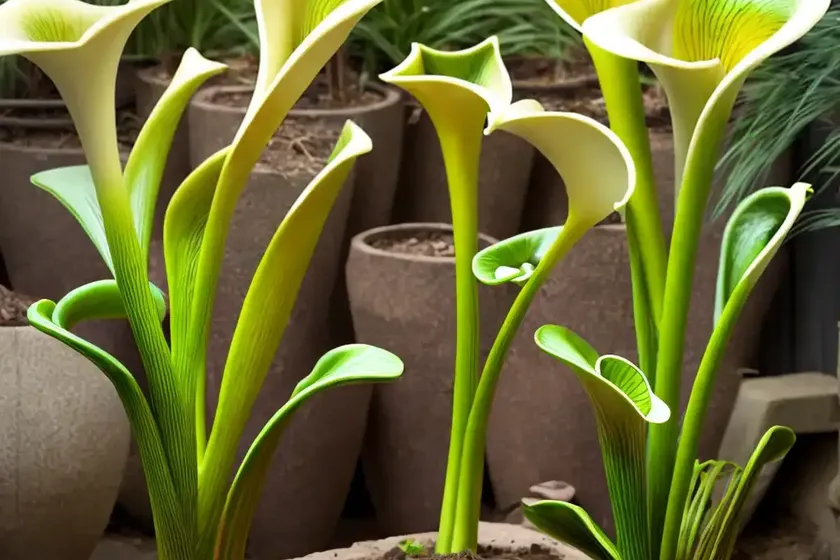
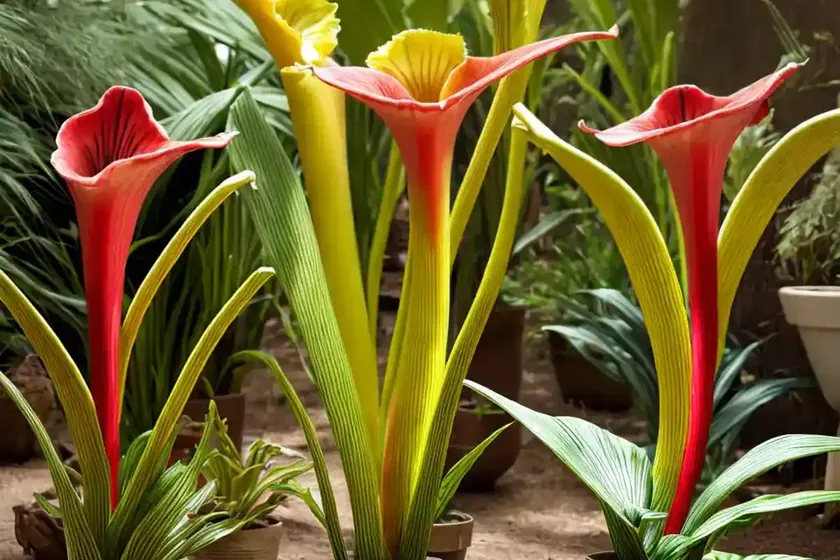
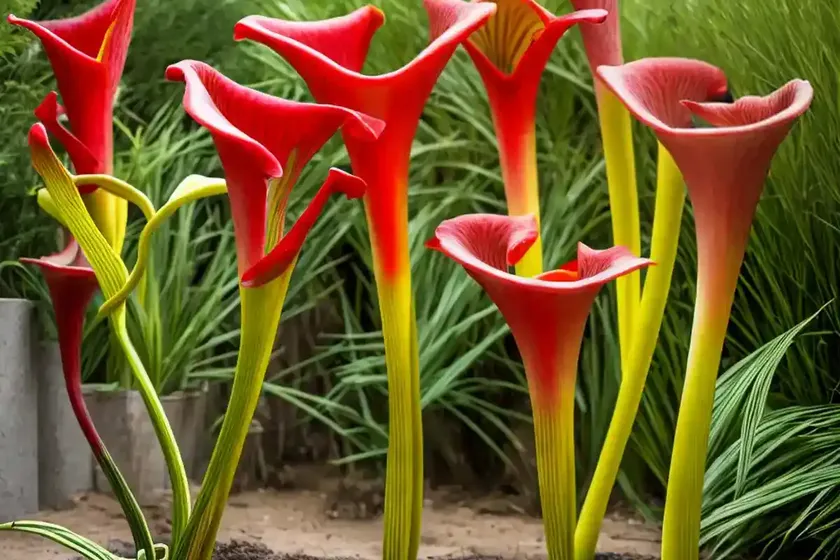
Plants have always held a fascination for humans, with their varied forms, adaptation techniques, and diverse ecosystems. One such captivating plant is the trumpet pitcher, scientifically known as Sarracenia. This genus of carnivorous plants belongs to the family Sarraceniaceae and is native to North America. Trumpet pitchers are not only a beautiful addition to any plant collection, but they also possess remarkable natural adaptations that make them a unique and intriguing species to study. In this extensive guide, we will delve into the world of trumpet pitchers, exploring their cultivation, habitat, feeding habits, and much more.
What is a Plant: Trumpet Pitchers (Sarracenia)?
Before we venture further into the specific details of the trumpet pitcher plants, let’s clarify the broader concept of what a plant is. Plants are multicellular organisms belonging to the kingdom Plantae. They are essential for life on Earth, as they are the primary producers, responsible for converting sunlight into energy through the process of photosynthesis. Plants vary greatly in size, shape, and habitat, ranging from tiny mosses to towering trees, and from aquatic plants to desert succulents.
Key Takeaways – Trumpet Pitchers (Sarracenia)
Let’s begin our exploration of the trumpet pitcher plants by highlighting some key takeaways about this captivating species.
-
Sarracenia purpurea: Also known as the purple pitcher plant, Sarracenia purpurea is one of the most widespread pitcher plant species in North America.
-
Trumpet pitcher plants: Trumpet pitchers, a nickname for plants within the Sarracenia genus, are carnivorous plants that attract, trap, and digest insects to supplement their nutrient intake.
-
Carnivorous plants: Trumpet pitchers are categorized as carnivorous plants, which means they have evolved unique mechanisms to capture and digest prey, primarily insects.
-
Pitcher plant varieties: Within the Sarracenia genus, there are several distinct pitcher plant varieties, each with its own characteristics and adaptations.
-
Sarracenia flava: This species of trumpet pitcher is recognized for its strikingly yellow pitchers and is commonly found in the southeastern United States.
-
Sarracenia leucophylla: Known for its intricately patterned pitchers, Sarracenia leucophylla is a visually stunning member of the Sarracenia genus.
-
Sarracenia alata: With its distinctive winged pitchers, Sarracenia alata is a unique and visually appealing species within the genus.
-
Sarracenia psittacina: This species is characterized by its hooded pitchers, resembling the head of a parrot, hence its name.
-
Trumpet pitcher plant care: Successful cultivation of trumpet pitchers requires careful attention to factors such as water, sunlight, soil, and fertilizer, which we will explore in detail.
These key takeaways provide an initial glimpse into the captivating world of trumpet pitchers, setting the stage for a comprehensive exploration of their cultivation and natural history.
Culture
Understanding the cultural requirements of trumpet pitchers is essential for their successful growth and development. Cultivating these unique plants involves thoughtful consideration of their environmental needs, habitat preferences, and feeding habits. Let’s delve into the cultural aspects of growing trumpet pitchers to gain insight into creating an optimal environment for these captivating carnivorous plants.
Uses
The unique characteristics and captivating appearance of trumpet pitchers make them a sought-after choice for plant enthusiasts and collectors. While they serve as an intriguing addition to botanical displays, their primary use lies in their role as insectivorous plants. Through their specialized pitchers, trumpet pitchers capture and digest insects to supplement their nutrient intake, showcasing the fascinating adaptations that have evolved in these plants.
Water
The water requirements of trumpet pitchers are crucial for their overall health and vitality. As plants that naturally inhabit boggy areas and wetlands, they have a preference for consistently moist conditions. When cultivating trumpet pitchers, providing an environment that mimics their native habitat is essential. This includes maintaining a consistently moist growing medium, with care taken to avoid both waterlogging and drought conditions.
Sunlight
Sunlight is a vital component of trumpet pitcher plant care. These plants thrive in bright, indirect light, making them an excellent choice for cultivation in greenhouse environments or sunny windowsills. Providing adequate light ensures vigorous growth and robust pitcher development, contributing to the overall visual appeal of these plants.
Fertilizer
The unique feeding habits of trumpet pitchers distinguish them from most other plant species when it comes to fertilizer requirements. These carnivorous plants derive essential nutrients from the insects they capture and digest, negating the need for traditional fertilization. As such, it is important to avoid using standard plant fertilizers on trumpet pitchers, as this can be detrimental to their specialized feeding mechanisms.
Soil
The choice of growing medium plays a significant role in the successful cultivation of trumpet pitchers. Their native habitat in boggy areas indicates a preference for nutrient-poor, acidic soils. A common growing medium for trumpet pitchers is a mixture of peat moss and perlite, providing the necessary moisture retention and acidity while preventing the risk of waterlogging.
Pruning
Pruning requirements for trumpet pitchers are minimal, primarily involving the removal of any dead or decaying pitchers to maintain plant hygiene. Regularly trimming away spent pitchers helps to encourage new growth and ensures a tidy and healthy appearance for the plant.
Propagation
Propagation of trumpet pitchers can be achieved through several methods, including division and seed propagation. Dividing existing clumps of trumpet pitchers during the growing season is a straightforward way to create new plants. Additionally, collecting and sowing trumpet pitcher seeds can yield a diverse array of genetically unique offspring, contributing to the conservation and diversity of these captivating plants.
Container
When selecting a container for cultivating trumpet pitchers, it is essential to prioritize both functionality and aesthetics. The chosen container should provide ample space for the plant’s root system to develop while also offering sufficient drainage to prevent waterlogging. Additionally, consider the visual appeal of the container, as it contributes to the overall display of these unique plants.
Popularity
The unique characteristics and intriguing nature of trumpet pitchers have contributed to their popularity among plant enthusiasts and collectors. Their distinctive appearance, coupled with their captivating feeding habits, make them a sought-after addition to botanical collections and horticultural displays. The visual intrigue of their pitchers, coupled with their fascinating adaptation as carnivorous plants, has solidified their position as a standout species within the plant kingdom.
The cultural aspects of growing trumpet pitchers are essential to understanding the specific requirements of these carnivorous plants. By carefully addressing factors such as water, sunlight, soil, and propagation, enthusiasts can create optimal conditions for cultivating healthy and robust trumpet pitchers.
Common Diseases
While trumpet pitchers are relatively resilient plants, they can be susceptible to certain diseases and environmental stressors that can impact their overall health and vitality. Recognizing and addressing common diseases is essential for maintaining the well-being of these unique plants. Let’s explore some of the potential diseases and issues that may affect trumpet pitchers, along with strategies for diagnosis and management.
Disease Diagnosis
Diagnosing diseases in trumpet pitchers requires a keen eye for detail and an understanding of common ailments that can affect these plants. Visual cues such as discoloration, wilting, and unusual growth patterns can signal potential issues. Additionally, being aware of the specific diseases that commonly impact trumpet pitchers allows for proactive monitoring and early intervention when necessary.
Common Pests
While trumpet pitchers are carnivorous plants with a natural ability to trap and digest insects, they can still be vulnerable to certain pests that can impact their overall health. Infestations of pests such as aphids, scale insects, or spider mites can present challenges for trumpet pitchers, requiring careful attention and management strategies to mitigate their impact.
Botanist’s Tips
As a plant scientist with a deep appreciation for the unique adaptations and botanical intricacies of trumpet pitchers, I have gathered several valuable tips for cultivating and caring for these captivating plants. These insights are based on years of observation, research, and hands-on experience with trumpet pitchers, and they serve as a helpful resource for enthusiasts looking to explore the world of carnivorous plants.
-
Create a Bog-Like Environment: Replicate the native habitat of trumpet pitchers by cultivating them in a bog-like environment, characterized by consistently moist, acidic soil and high humidity. This emulates the conditions in which these plants naturally thrive.
-
Avoid Standard Fertilization: Given their carnivorous nature, trumpet pitchers do not require traditional fertilization. In fact, applying standard plant fertilizers can be detrimental to their specialized feeding mechanisms. Focus on providing adequate prey for the plants to capture and derive nutrients from.
-
Monitor Watering Carefully: Keep a close eye on the moisture levels in the growing medium of trumpet pitchers, ensuring that it remains consistently moist without becoming waterlogged. Proper watering is essential for their overall health and vitality.
-
Regularly Inspect for Pests: Due to their insect-trapping nature, trumpet pitchers can sometimes attract unwanted pests. Regularly inspect the plants for signs of infestations and take proactive measures to address any pest-related issues promptly.
-
Promote Natural Feeding: Allow the trumpet pitchers to capture insects naturally, as this is an integral part of their unique feeding habits. Avoid interfering with this process, as it contributes to the plants’ well-being and natural adaptations.
-
Prune Spent Pitchers: To maintain plant hygiene and encourage new growth, routinely prune away any spent pitchers, ensuring that the plant remains tidy and healthy.
These botanist’s tips provide valuable insights into the nuanced care and cultivation of trumpet pitchers, drawing on the specialized adaptations and requirements of these captivating carnivorous plants.
Fun Facts
Delving into the realm of trumpet pitchers unveils a treasure trove of intriguing and unique characteristics that set them apart from most other plants. These fun facts shed light on the captivating nature of trumpet pitchers, offering a glimpse into their remarkable adaptations and ecological significance.
-
Pitcher Morphology: The striking shape and intricate patterns of trumpet pitcher pitchers not only serve as a visually captivating feature but also play a crucial role in luring, trapping, and digesting insects.
-
Carnivorous Adaptations: Trumpet pitchers have evolved intricate adaptations, including slippery surfaces, attractive scent emissions, and digestive enzymes, all of which contribute to their success as carnivorous plants.
-
Insect Prey: The diet of trumpet pitchers primarily consists of insects that are lured into their pitchers, where they become trapped and eventually provide essential nutrients through digestion.
-
Natural Habitat: Trumpet pitchers thrive in nutrient-poor, acidic, and boggy environments, showcasing their remarkable ability to flourish in habitats that may be challenging for many other plant species.
-
Pitcher Evolution: The evolution of pitcher plant species, including trumpet pitchers, represents a fascinating example of adaptation to specialized ecological niches and the acquisition of nutrients through carnivory.
-
Hooded Pitchers: Species such as Sarracenia psittacina are known for their hooded pitchers, which bear a resemblance to the head of a parrot, adding to the visual intrigue of these plants.
These fun facts provide an engaging glimpse into the captivating world of trumpet pitchers, celebrating their unique adaptations, ecological significance, and visual allure.
Links to External Resources
As we conclude this comprehensive guide to trumpet pitchers, it’s essential to provide access to further resources and information for enthusiasts looking to deepen their understanding of these captivating plants. The following links offer valuable insights, research findings, and visual references that contribute to the ongoing exploration of trumpet pitchers and their place within the botanical world.
These external resources serve as valuable sources of information, research findings, and visual references, offering enthusiasts the opportunity to further explore the captivating world of trumpet pitchers and carnivorous plants in general.
In conclusion, the world of trumpet pitchers, scientifically known as Sarracenia, is a realm of botanical fascination, ecological intrigue, and unique adaptations. From their captivating pitcher morphology to their specialized feeding habits, trumpet pitchers stand as a testament to the remarkable diversity and ingenuity of the plant kingdom. Through careful cultivation, appreciation of their natural history, and ongoing research, enthusiasts can continue to celebrate and study these captivating carnivorous plants, delving into the intricacies of their ecology, adaptations, and cultural significance.


