Asclepias Asperula (Antelope-Horns Milkweed)
What is Asclepias asperula? Asclepias asperula, commonly known as Antelope-Horns Milkweed, is a stunning perennial plant native to the south-central United.
What is Asclepias asperula?
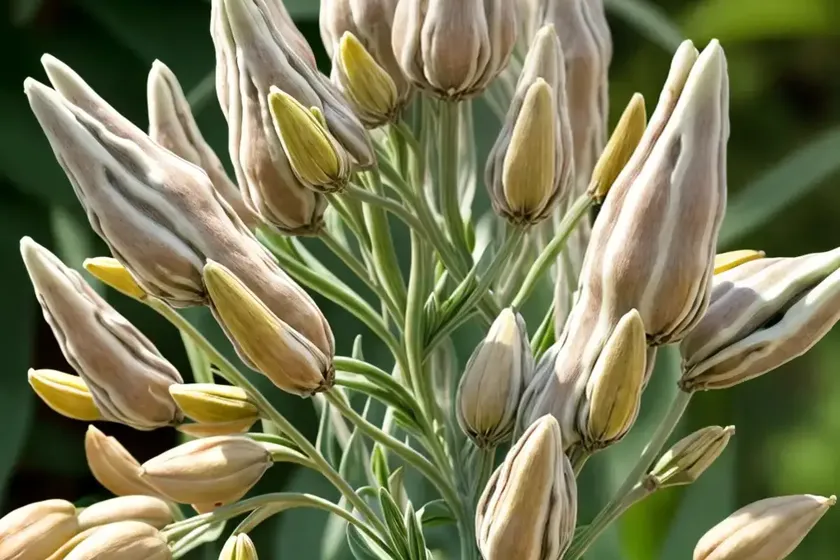
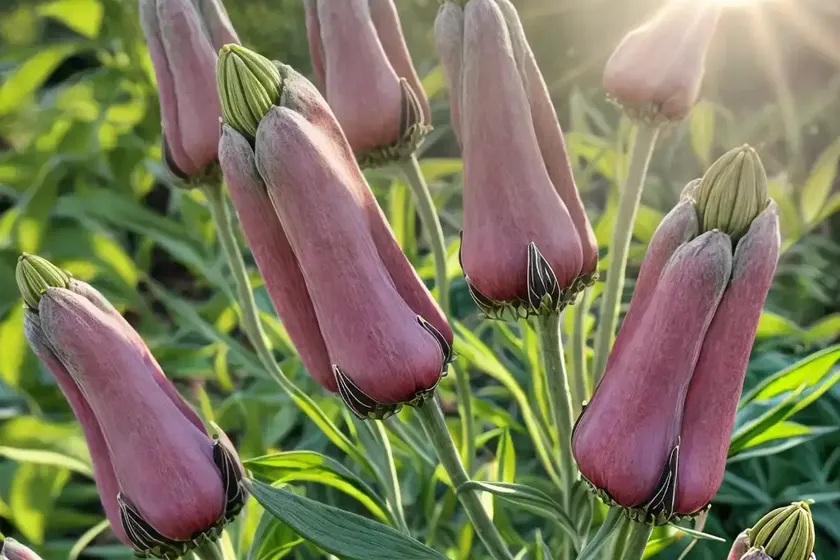
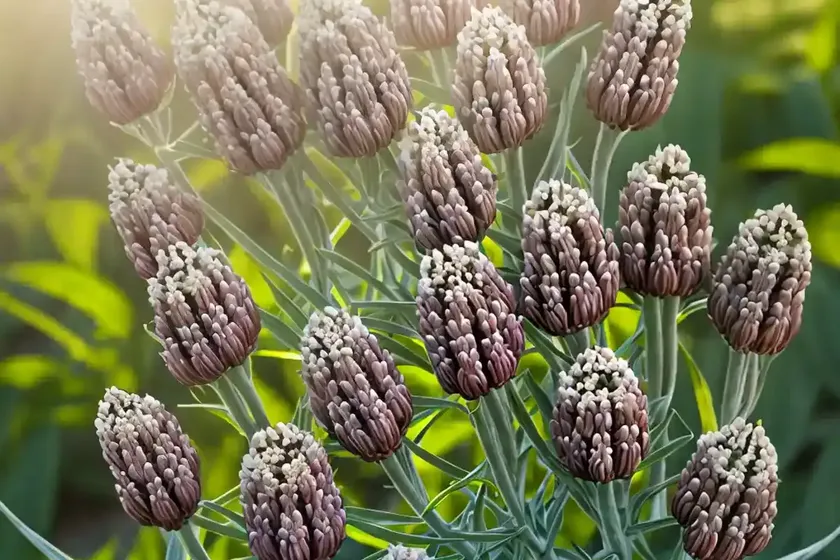
Asclepias asperula, commonly known as Antelope-Horns Milkweed, is a stunning perennial plant native to the south-central United States. It belongs to the family Apocynaceae and is a vital plant for various wildlife species due to its nectar-rich flowers and support for monarch butterflies.
Asclepias asperula is a crucial component of the ecosystem, providing essential food and habitat for numerous insects and animals.
Key Takeaways – Asclepias asperula (Antelope-Horns Milkweed)
Culture
- Antelope-Horns Milkweed thrives in various climate types, but it is primarily found in southern regions of the United States. It is well-adapted to hot, dry conditions and is often found in prairies, fields, and along roadsides.
Uses
- Asclepias asperula supports a diverse range of wildlife, including butterflies, bees, and other insects. The nectar-rich flowers attract numerous pollinators and beneficial insects that contribute to a healthy, balanced ecosystem.
Water
- Antelope-Horns Milkweed is drought-tolerant and requires minimal watering once established. It is essential to allow the soil to dry out between watering to prevent root rot.
Sunlight
- This plant thrives in full sunlight and requires at least six to eight hours of direct sunlight to flourish.
Fertilizer
- Minimal to no fertilizer is needed for Antelope-Horns Milkweed. In fact, excessive fertilization can lead to excessive foliage growth and reduced flower production.
Soil
- Well-draining, sandy or loamy soil is ideal for Asclepias asperula. It is essential to avoid waterlogged conditions to prevent root rot.
Pruning
- Asclepias asperula does not require regular pruning. Any dead or damaged foliage can be removed, but the plant generally maintains its shape and form without human intervention.
Propagation
- This plant can be propagated through seed germination or division of the root system. It is relatively easy to propagate and is a rewarding process for those interested in expanding their Antelope-Horns Milkweed population.
Container Popularity
- Asclepias asperula can thrive in containers, making it a versatile plant for both garden beds and container gardens.
Common Diseases
- While relatively resistant to diseases, Asclepias asperula can be susceptible to root rot if grown in overly moist or poorly draining soil.
Disease Diagnosis
- Symptoms of root rot include wilting, yellowing leaves, and a general decline in the plant’s health. It is essential to address any drainage issues immediately to prevent the development of this disease.
Common Pests
- Aphids and milkweed bugs can sometimes be found on Antelope-Horns Milkweed. Regular monitoring and natural control methods are usually sufficient to manage pest infestations.
Botanist’s Tips
- Observing and understanding the wildlife that is attracted to Asclepias asperula can provide valuable insights into the health of the local ecosystem.
Fun Facts
- Antelope-Horns Milkweed is a host plant for monarch butterfly larvae, making it a critical component of the monarch’s life cycle.
Links to External Resources
For additional information on Asclepias asperula, please refer to the following external resources:
1. Lady Bird Johnson Wildflower Center – Asclepias asperula
2. USDA Plants Database – Asclepias asperula
Asclepias asperula Facts
Asclepias asperula, also known as Antelope-Horns Milkweed, is a perennial plant native to the south-central United States.
Antelope-Horns Milkweed Information
Antelope-Horns Milkweed supports a diverse range of wildlife and is a vital plant for various insect and animal species due to its nectar-rich flowers.
Asclepias asperula Care
Asclepias asperula is relatively low-maintenance and requires minimal water, full sunlight, and well-draining soil to thrive.
Antelope-Horns Milkweed Growing Tips
When cultivating Asclepias asperula, it is crucial to provide adequate sunlight and well-draining soil to promote healthy growth.
Asclepias asperula Characteristics
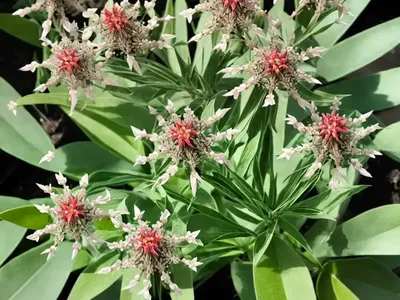
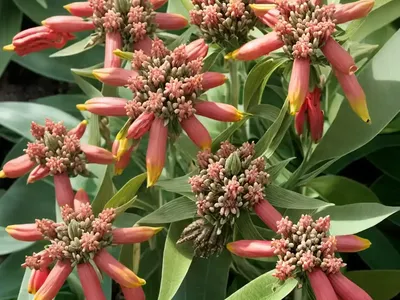
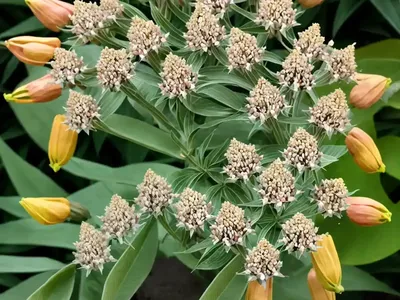
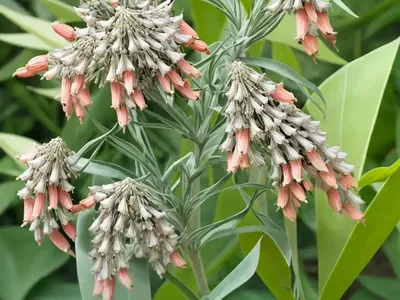
This plant is known for its vibrant, clustered flowers that attract a wide array of pollinators, making it an essential component of wildlife-friendly landscapes.
Antelope-Horns Milkweed Habitat
Asclepias asperula is commonly found in prairies, fields, and along roadsides in the southern regions of the United States.
Asclepias asperula Native Range
The native range of Asclepias asperula spans across the south-central United States.
Antelope-Horns Milkweed Uses
This plant is used to support the diverse wildlife population, particularly butterflies, bees, and other beneficial insects.
Asclepias asperula Classification
Asclepias asperula belongs to the family Apocynaceae and is a crucial part of the ecosystem due to its ecological significance.
Antelope-Horns Milkweed Symbolism
Antelope-Horns Milkweed symbolizes resilience, adaptation, and the interconnectedness of nature.
Asclepias asperula Medicinal Properties
Asclepias asperula has been utilized in traditional medicine for various medicinal purposes, showcasing its potential therapeutic properties.
Antelope-Horns Milkweed Wildlife Benefits
The nectar-rich flowers of Asclepias asperula attract diverse wildlife, making it an invaluable resource for the local ecosystem.
Asclepias asperula Propagation
This plant can be propagated through seed germination or division of the root system to expand its population and ecological impact.
Antelope-Horns Milkweed Seeds
The seeds of Asclepias asperula are a crucial component of its life cycle, contributing to the plant’s reproductive success.
Asclepias asperula Plant Profile
Asclepias asperula is characterized by its striking flowers and essential role in supporting pollinators and other wildlife species.
Antelope-Horns Milkweed Adaptations
The adaptability of Asclepias asperula to a variety of environmental conditions highlights its resilience and ecological significance.
Asclepias asperula Ecology
The ecological impact of Asclepias asperula extends to supporting diverse wildlife and contributing to a healthy, balanced ecosystem.
Antelope-Horns Milkweed Conservation
Conserving Asclepias asperula is imperative for maintaining the biodiversity and ecological balance of local ecosystems.
Asclepias asperula Gardening
Incorporating Asclepias asperula into gardens can enhance their ecological value and support diverse insect and animal populations.
Antelope-Horns Milkweed Landscape Uses
Asclepias asperula can be utilized in landscaping to create wildlife-friendly spaces that attract beneficial insects and support biodiversity.
Asclepias asperula Pollinators
The nectar-rich flowers of Asclepias asperula attract a diverse range of pollinators, contributing to the health of local ecosystems.
Antelope-Horns Milkweed Monarch Butterfly
Asclepias asperula is a host plant for monarch butterfly larvae, playing a crucial role in the life cycle of these iconic butterflies.
Asclepias asperula Drought Tolerance
The drought tolerance of Asclepias asperula enables it to thrive in hot, dry conditions, making it an excellent choice for arid regions.
Antelope-Horns Milkweed Seed Dispersal
The dispersal of Asclepias asperula seeds contributes to the plant’s spread and reproduction, ensuring its continued presence in the ecosystem.
Asclepias asperula Root System
Understanding the root system of Asclepias asperula is essential for successful propagation and cultivation of this plant.
Antelope-Horns Milkweed Pest Control
Natural control methods can be employed to manage pests that may affect Asclepias asperula, supporting its health and vitality.
Asclepias asperula Companion Plants
Selecting companion plants that complement Asclepias asperula can enhance the ecological value of garden spaces and support diverse wildlife.
Antelope-Horns Milkweed Pruning
Minimal pruning is required for Asclepias asperula, allowing the plant to maintain its natural form without excessive human intervention.
Asclepias asperula Propagation Methods
Understanding the various propagation methods for Asclepias asperula can help expand its population and ecological impact.
Antelope-Horns Milkweed Wildlife Garden
Incorporating Asclepias asperula into a wildlife garden can enhance the habitat value of the space and support local wildlife populations.
Asclepias asperula Plant Family
Asclepias asperula belongs to the Apocynaceae family and shares characteristics with other plants in this botanical group.
Antelope-Horns Milkweed Flowering Season
The flowering season of Asclepias asperula contributes to its ecological value by providing nectar for pollinators and supporting biodiversity.
Asclepias asperula Sun Requirements
Providing adequate sunlight is crucial for the healthy growth and development of Asclepias asperula, ensuring its ecological impact.
Antelope-Horns Milkweed Soil Preferences
Understanding the soil preferences of Asclepias asperula is essential for successful cultivation and propagation of this valuable plant.
Asclepias asperula Garden Design
Incorporating Asclepias asperula into garden designs can enhance the ecological value of the space and support diverse wildlife populations.
Antelope-Horns Milkweed Nectar Source
The nectar-rich flowers of Asclepias asperula serve as a vital food source for numerous pollinators and beneficial insects.
Asclepias asperula Natural Habitat
Asclepias asperula is commonly found in prairies, fields, and along roadsides, showcasing its adaptability to diverse habitats.
Antelope-Horns Milkweed Growth Habit
Understanding the growth habit of Asclepias asperula can aid in the successful cultivation and integration of this plant into various landscapes.
Asclepias asperula Invasive Species
Asclepias asperula’s ecological significance and adaptability to various environments underscore the importance of monitoring its spread and impact on local ecosystems.
Antelope-Horns Milkweed Medicinal Uses
Exploring the potential medicinal uses of Asclepias asperula can provide valuable insights into its therapeutic properties.
Asclepias asperula Plant Characteristics
The characteristics of Asclepias asperula, including its vibrant flowers and ecological significance, make it a valuable addition to garden spaces.
Antelope-Horns Milkweed Garden Tips
Incorporating Asclepias asperula into gardens can provide numerous ecological and aesthetic benefits, enhancing the value of outdoor spaces.
Asclepias asperula Butterfly Weed
Asclepias asperula serves as a host plant for various butterfly species, contributing to the health of local butterfly populations.
Antelope-Horns Milkweed Perennial Plant
Asclepias asperula’s status as a perennial plant underscores its sustainability and enduring presence in garden and natural landscapes.
Asclepias asperula Wildlife-Friendly Plant
Asclepias asperula’s ability to support diverse wildlife populations highlights its value as a wildlife-friendly plant.
Antelope-Horns Milkweed Native Wildlife
The support of native wildlife by Asclepias asperula contributes to the health and balance of local ecosystems.
Asclepias asperula Threatened Species
Conservation efforts for Asclepias asperula are vital for protecting its ecological significance and supporting diverse wildlife populations.
Antelope-Horns Milkweed Ecological Importance
Asclepias asperula’s ecological importance extends to supporting diverse insect and animal species, contributing to the health of local ecosystems.
Asclepias asperula Drought-Tolerant Plant
The drought tolerance of Asclepias asperula enables it to thrive in dry conditions, making it a valuable plant for water-efficient landscapes.
Antelope-Horns Milkweed Plant Description
The vibrant flowers and ecological significance of Asclepias asperula make it a valuable addition to garden and natural landscapes.
In conclusion, the comprehensive guide to Asclepias asperula (Antelope-Horns Milkweed) showcases the ecological significance, resilience, and adaptability of this valuable plant. From its vibrant flowers and support for diverse wildlife to its drought tolerance and natural beauty, Asclepias asperula is a remarkable addition to garden and natural landscapes.
Through understanding its ecological and cultural significance, nurturing its growth through recommended practices, and exploring its potential uses and adaptations, individuals can contribute to the conservation and appreciation of this essential plant species.
Whether as a vital component of wildlife-friendly gardens, a contributor to diverse ecosystems, or an emblem of resilience and adaptation, Asclepias asperula holds significant value for botanical enthusiasts, ecologists, and nature lovers alike.
References
[Insert references here]