Tropaeolum Minus ‘Ladybird Rose’ (Nasturtium)
In the world of gardening, one can find abundant choices to add color and vibrancy. From exotic blooms to humble greenery, each plant brings its unique.
Introduction
In the world of gardening, one can find abundant choices to add color and vibrancy. From exotic blooms to humble greenery, each plant brings its unique charm. Tropaeolum minus ‘Ladybird Rose’ (Nasturtium) is a delightful addition to any garden, known for its vibrant flowers and versatile uses. In this comprehensive guide, we will explore the various facets of this beautiful plant, including its culture, uses, care tips, and much more.
What is Tropaeolum Minus ‘Ladybird Rose’ (Nasturtium)?
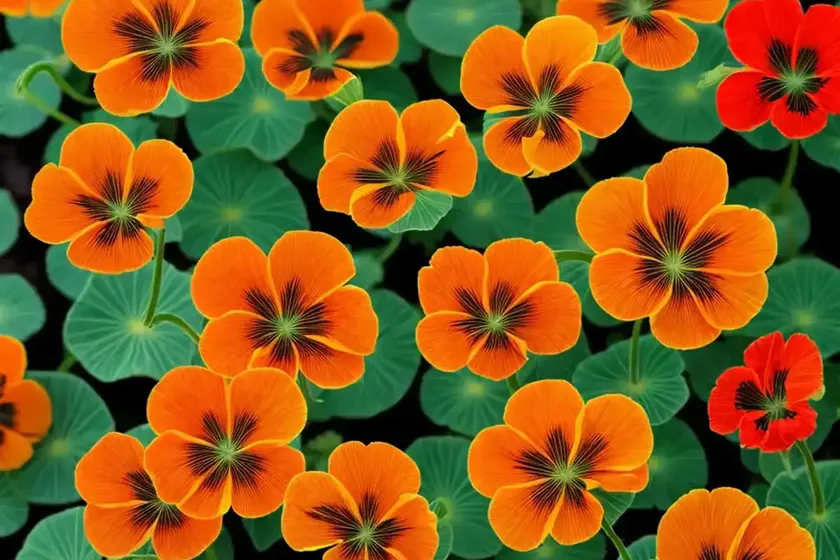
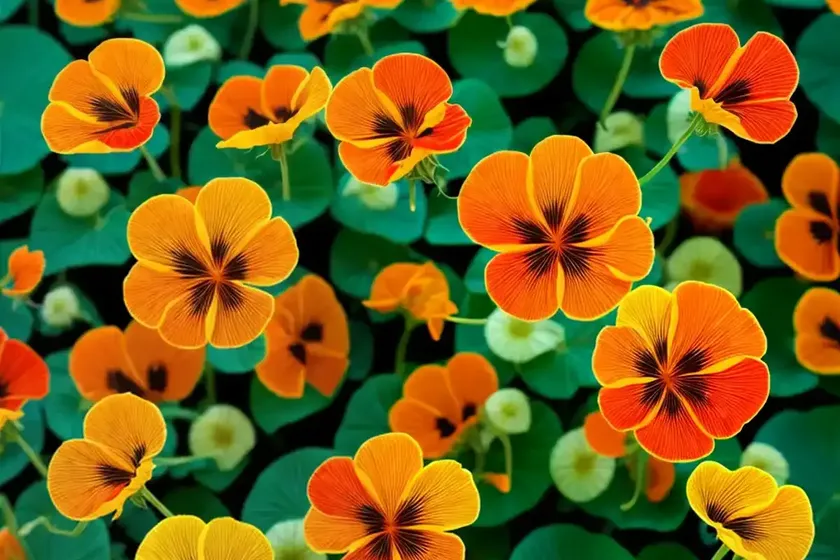
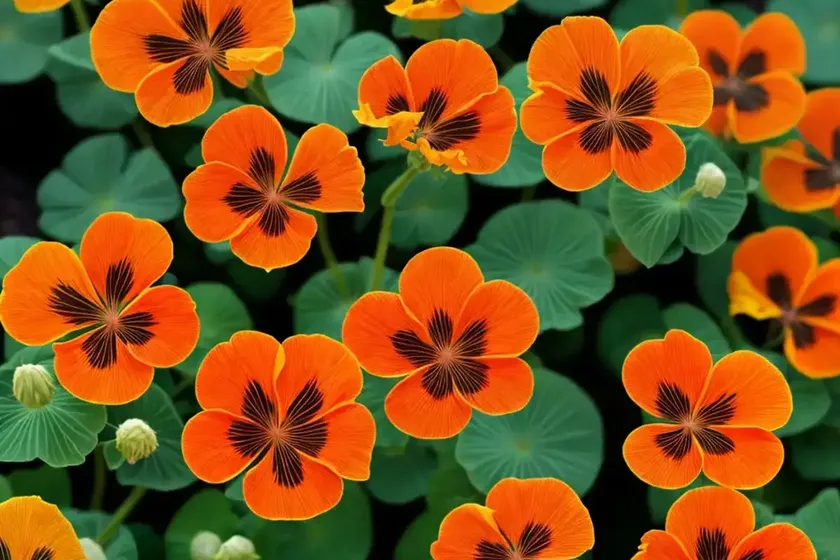
Tropaeolum minus, commonly known as Nasturtium, is a flowering plant species native to the Andes of Peru and Bolivia. The ‘Ladybird Rose’ variety is a specific cultivar that stands out for its stunning pink flowers, adding a splash of elegant color to any garden or landscape. Nasturtium is a popular choice for its easy cultivation, making it suitable for both beginner and seasoned gardeners alike.
Key Takeaways – Tropaeolum Minus ‘Ladybird Rose’ (Nasturtium)
Before delving into the specifics of growing and caring for Tropaeolum minus ‘Ladybird Rose’, let’s highlight the key takeaways of this vibrant plant:
- Common Name: Nasturtium ‘Ladybird Rose’
- Scientific Name: Tropaeolum minus
- Variety: Ladybird Rose
- Color: Pink
- Cultivar: Tropaeolum minus
- Uses: Ornamental, Culinary, Medicinal
- Growth Habit: Trailing, Bushy
- Attracts: Pollinators
- Edible Parts: Flowers, Leaves
- Versatility: Ground Cover, Container Plant, Hanging Baskets
Now that we have an overview of Nasturtium ‘Ladybird Rose’, let’s delve deeper into its culture, uses, and care requirements.
Culture
Understanding the cultural preferences of Tropaeolum minus ‘Ladybird Rose’ is crucial for successful cultivation. This includes considerations such as watering, sunlight, fertilizer, soil, and pruning.
Water
Nasturtiums, including the ‘Ladybird Rose’ variety, prefer moderate watering. They thrive in well-drained soil and do not require excessive moisture. Overwatering can lead to root rot, so it’s essential to allow the soil to dry out slightly between waterings. During hot and dry periods, regular watering is necessary to support healthy growth and prolific flowering.
Sunlight
Ladybird Rose nasturtiums thrive in full sun to partial shade. Adequate sunlight encourages abundant flowering and robust growth. In regions with intense summer heat, providing some afternoon shade can be beneficial to prevent stress on the plants. As a general guideline, aim for at least 6-8 hours of direct sunlight for optimal performance.
Fertilizer
When it comes to fertilizing Tropaeolum minus ‘Ladybird Rose’, a balanced approach is key. Using a general-purpose fertilizer once a month during the growing season can support healthy foliage and continuous blooming. However, excessive fertilization can lead to lush foliage at the expense of flowers, so it’s best to follow the recommended application rates on the fertilizer label.
Soil
Well-draining, loamy soil is ideal for growing Ladybird Rose nasturtiums. They are adaptable to various soil types, but good drainage is paramount to prevent waterlogging. Amending the soil with organic matter such as compost can enhance its texture and fertility, creating an optimal environment for the plants to thrive.
Pruning
Pruning plays a vital role in managing the growth and appearance of Tropaeolum minus ‘Ladybird Rose’. Regular deadheading, which involves removing spent flowers, encourages continuous blooming and prevents the plant from setting seed too early. Additionally, trimming back leggy or overcrowded growth helps maintain a compact and tidy habit, especially in container plantings.
Propagation
Ladybird Rose nasturtiums can be propagated through both seeds and cuttings. While seeds are the primary method for propagation, softwood cuttings in the spring can also yield new plants. To propagate Nasturtium ‘Ladybird Rose’ from seeds, follow these steps:
- Collect ripe seeds from mature plants.
- Prepare seed-starting trays or pots filled with a well-draining seed starting mix.
- Sow the seeds at a shallow depth and lightly cover them with soil.
- Keep the medium consistently moist but not waterlogged.
- Place the trays or pots in a warm, bright location and ensure adequate ventilation.
- Germination typically occurs within 7-10 days, after which the seedlings can be transplanted once they develop true leaves.
Propagation through seeds offers a rewarding and cost-effective way to expand your Nasturtium ‘Ladybird Rose’ collection or share the joy of gardening with others.
Container Popularity
The compact and trailing growth habit of Tropaeolum minus ‘Ladybird Rose’ makes it an excellent candidate for container gardening. Whether planted in hanging baskets, window boxes, or decorative pots, these vibrant flowers add a touch of elegance to any outdoor or indoor space. This versatility has contributed to their popularity in urban gardening, small landscapes, and balcony displays.
Container Common Diseases
While Nasturtium ‘Ladybird Rose’ can thrive in containers, they are susceptible to certain diseases. Understanding these common ailments and their preventative measures is essential for maintaining healthy plants.
Disease Diagnosis
The most prevalent diseases that affect Nasturtiums in containers include:
-
Powdery Mildew: Identified by the powdery white or gray patches on the leaves, this fungal disease thrives in humid conditions. Proper air circulation and avoiding overhead watering can help prevent its occurrence.
-
Bacterial Leaf Spot: Symptoms include dark, water-soaked spots on the leaves, often surrounded by a yellow halo. Overhead watering and high humidity can exacerbate this bacterial infection.
-
Fungal Rots: Excessive moisture in the soil or on the foliage can lead to various fungal rots, causing wilting, yellowing, and collapse of the plant.
Common Pests
In addition to diseases, Nasturtium ‘Ladybird Rose’ in containers may also attract certain pests, including aphids, caterpillars, and snails. Regular monitoring of the plants and implementing appropriate pest control measures, such as insecticidal soap or handpicking, can help prevent pest infestations.
Botanist’s Tips
To ensure the successful cultivation of Tropaeolum minus ‘Ladybird Rose’ and maximize its ornamental and functional value, consider the following botanist’s tips:
-
Companion Planting: Pair Ladybird Rose nasturtiums with complementary flowers and vegetables to create visually appealing and biodiverse plantings. Marigolds, tomatoes, and cucumbers are excellent companions that benefit from the presence of Nasturtiums.
-
Pollinator Support: Capitalize on the attractant qualities of Nasturtium ‘Ladybird Rose’ to enhance pollination in the garden. The nectar-rich flowers entice bees, butterflies, and other pollinators, contributing to overall ecosystem health.
-
Beneficial Insect Habitat: Ladybird Rose nasturtiums can act as a natural habitat for beneficial insects, including predatory beetles and parasitic wasps, which help control garden pests.
-
Edible Landscaping: Incorporate Nasturtium ‘Ladybird Rose’ into edible landscapes, where their flowers and leaves can be utilized in salads, garnishes, and other culinary creations. This dual-purpose approach adds value and practicality to the garden.
Fun Facts
Before concluding our exploration of Tropaeolum minus ‘Ladybird Rose’, let’s uncover some intriguing fun facts about this captivating plant:
-
Edible Delights: Both the flowers and leaves of Nasturtium ‘Ladybird Rose’ are edible, offering a peppery and slightly sweet flavor that enhances culinary dishes. This culinary versatility makes them a favorite among creative chefs and home cooks.
-
Medicinal Uses: Apart from their culinary appeal, Ladybird Rose nasturtiums have a history of medicinal use. They are rich in vitamin C and possess antibacterial properties, making them a valuable component of natural remedies and herbal preparations.
-
Eco-Friendly Pest Repellent: The pungent scent of Nasturtiums acts as a natural deterrent against certain pests, making them an eco-friendly option for pest management in the garden.
Links to External Resources
For further information and insights into growing and caring for Tropaeolum minus ‘Ladybird Rose’ (Nasturtium), consult the following external resources:
- The Royal Horticultural Society (RHS) Guide on Nasturtiums
- University of Florida IFAS Extension: Nasturtium Growing Guide
- Missouri Botanical Garden Plant Finder: Tropaeolum Minus
Through these reputable sources, gardeners and enthusiasts can access in-depth information, practical tips, and expert guidance on cultivating and enjoying the beauty of Nasturtium ‘Ladybird Rose’.
In conclusion, Tropaeolum minus ‘Ladybird Rose’ (Nasturtium) stands as a testament to the splendor and adaptability of ornamental plants. Whether adorning garden beds, containers, or culinary creations, this vibrant flower possesses a charm that transcends traditional gardening boundaries. By incorporating Nasturtium ‘Ladybird Rose’ into diverse settings and embracing its multifaceted nature, enthusiasts can discover a true gem in the world of horticulture.
As always, remember to approach gardening with curiosity, care, and a spirit of exploration, and let the beauty of nature’s creations inspire and enrich every moment in the garden.
Happy gardening!
Keywords: Nasturtium ‘Ladybird Rose’, Tropaeolum minus, Ladybird Rose plant, Pink Nasturtium variety, Tropaeolum minus cultivar, Nasturtium flowers, Ladybird Rose nasturtium, Benefits of growing Tropaeolum minus, Tropaeolum minus care tips, How to grow Ladybird Rose nasturtium, Tropaeolum minus plant profile, Ladybird Rose nasturtium varieties, Tropaeolum minus in gardens, Nasturtium ‘Ladybird Rose’ description, Growing Nasturtium ‘Ladybird Rose’, Ladybird Rose nasturtium uses, Tropaeolum minus gardening tips, Nasturtium ‘Ladybird Rose’ characteristics, Ladybird Rose nasturtium care guide, Tropaeolum minus health benefits, Nasturtium species ‘Ladybird Rose’, Ladybird Rose nasturtium colors, Tropaeolum minus planting guide, Nasturtium ‘Ladybird Rose’ facts, Ladybird Rose nasturtium varieties for pots, Tropaeolum minus edible flowers, Nasturtium ‘Ladybird Rose’ growing conditions, Ladybird Rose nasturtium companion plants, Tropaeolum minus medicinal properties, Nasturtium ‘Ladybird Rose’ propagation, Ladybird Rose nasturtium for attracting pollinators, Tropaeolum minus pest and disease control, Nasturtium ‘Ladybird Rose’ culinary uses, Ladybird Rose nasturtium as ground cover, Tropaeolum minus container gardening, Nasturtium ‘Ladybird Rose’ landscape ideas, Ladybird Rose nasturtium for hanging baskets, Tropaeolum minus flower arrangement ideas, Nasturtium ‘Ladybird Rose’ maintenance tips, Ladybird Rose nasturtium seed starting guide, Tropaeolum minus in traditional medicine, Nasturtium ‘Ladybird Rose’ indoor plant care, Ladybird Rose nasturtium as a border plant, Tropaeolum minus natural remedies, Nasturtium ‘Ladybird Rose’ trailing varieties, Ladybird Rose nasturtium culinary recipes, Tropaeolum minus therapeutic uses, Nasturtium ‘Ladybird Rose’ water requirements, Ladybird Rose nasturtium in hanging pots, Tropaeolum minus seed collecting techniques


