Trillium luteum (Wood Lily): A Dazzling Addition to Your Garden
Trillium luteum, commonly known as Wood Lily, is a captivating perennial plant cherished for its striking blooms and rich cultural history. This article will delve into the nuances of Trillium luteum, providing a comprehensive guide encompassing its cultural significance, habitat requirements, and gardening tips. Whether you are a seasoned horticulturist or an enthusiastic beginner, this article aims to equip you with the knowledge and skills to cultivate and appreciate this enchanting woodland gem.
What is Trillium luteum (Wood Lily)?
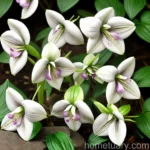
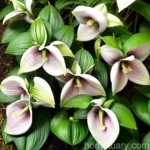
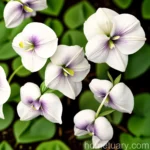
Trillium luteum is a perennial herbaceous plant native to regions of eastern North America. Belonging to the Melanthiaceae family, the Wood Lily is characterized by its trifoliate whorl of leaves and distinct, lemon-scented flowers. The plant typically thrives in rich, well-drained woodland soils, adorning the forest floor with its radiant blooms during the spring months. The Wood Lily is renowned for its cultural and medicinal significance, making it a sought-after addition to woodland gardens and naturalistic landscapes.
Plant Name: Trillium luteum (Wood Lily)
Common Names: Wood Lily, Yellow Trillium
Scientific Classification:
– Kingdom: Plantae
– Order: Liliales
– Family: Melanthiaceae
– Genus: Trillium
– Species: T. luteum
Key Takeaways – Trillium luteum (Wood Lily)
Before delving into the intricate details of Trillium luteum, let’s establish a comprehensive overview of the key takeaways associated with this captivating woodland plant.
- Plant Type: Perennial herbaceous plant
- Flower Color: Lemon-yellow
- Cultural Significance: Rich folklore and medicinal uses
- Habitat Requirements: Partial to full shade, moist, well-drained soil
- Growth Period: Blooms in spring; goes dormant in summer
- Conservation Status: Considered endangered in some regions
- Landscaping and Gardening: Favored for woodland and naturalistic garden designs
- Wildlife Support: Provides habitat and food for pollinators and other woodland fauna
With these key takeaways in mind, let’s explore the various facets of cultivating and appreciating the exquisite Trillium luteum.
Culture
Habitat and Native Range
Trillium luteum is native to the woodlands and deciduous forests of eastern North America, where it thrives in the dappled shade of mature trees. Its natural range includes regions from New York and Michigan, all the way down to Georgia and Alabama. In its native habitat, Trillium luteum is an integral component of the ecosystem, providing nectar for early-emerging pollinators and serving as a food source for woodland wildlife.
Gardening Trends and Landscape Uses
Cultivating Trillium luteum in garden settings has gained popularity in recent years, particularly among enthusiasts who appreciate native and woodland flora. The plant is often incorporated into naturalistic landscape designs, woodland gardens, and shaded rock gardens, adding a touch of ephemeral charm. Furthermore, its unique cultural and ecological attributes have contributed to its increasing presence in botanical gardens and conservation-minded landscapes.
Conservation Efforts and Endangered Status
Despite its enduring popularity among gardeners and naturalists, Trillium luteum faces challenges in the wild, with populations declining due to habitat loss and unsustainable harvesting. Efforts to conserve and protect this species often involve restoring its woodland habitat through sustainable forestry and land management practices. Many botanical gardens and conservation organizations also engage in the propagation and reintroduction of Trillium luteum to bolster wild populations and preserve its genetic diversity.
Uses
Ethnobotanical and Medicinal Uses
Trillium luteum has a rich history of ethnobotanical and medicinal significance within Native American cultures. Various tribal communities have utilized different parts of the plant for medicinal purposes, attributing properties such as astringency and emetic qualities to its roots and rhizomes. However, it is essential to note that harvesting Trillium luteum from the wild for medicinal purposes can significantly impact wild populations, potentially leading to its endangerment. As such, it is crucial to seek alternative sources for medicinal trillium species and to focus on conservation-oriented cultivation and propagation practices.
Symbolism and Folklore
In addition to its medicinal uses, Trillium luteum holds symbolic and cultural significance in various folklore traditions. Often associated with purity and renewal due to its spring-blooming nature, the Wood Lily has found its place in the folklore and traditional narratives of indigenous communities. Its striking, three-petaled blooms have been integrated into stories and rituals, signifying diverse themes such as rebirth, balance, and the interconnectedness of nature.
Water
Trillium luteum, with its native habitat in the woodland understory, naturally thrives in moist, well-drained soils. When cultivating Wood Lilies in garden settings, it is crucial to replicate these moisture conditions to ensure their optimal growth and flowering. Balancing adequate moisture without waterlogging the soil is key to cultivating healthy and vibrant Trillium luteum specimens.
Watering Guidelines
-
Established Plants: During the growing season, provide regular watering to maintain evenly moist soil. Avoid prolonged dry spells, particularly in summer, as adequate moisture is essential for the plant’s development.
-
Newly Planted Specimens: Adequate watering is crucial during the establishment phase. Ensure a consistent moisture level, and consider mulching around newly planted Wood Lilies to retain soil moisture and suppress weed growth.
-
Seasonal Considerations: Adjust watering frequency based on seasonal weather patterns. During the plant’s dormancy in summer, reduce watering to prevent waterlogged soil, and resume regular watering as the plant prepares for its spring emergence and bloom cycle.
Sunlight
Trillium luteum, being a woodland species, thrives in partially shaded to shaded environments. In its natural habitat, the dappled light filtering through the canopy of deciduous trees provides the ideal lighting conditions for the plant’s growth and development. When incorporating Trillium luteum into garden settings, it is essential to replicate these shade-providing conditions to ensure optimal performance and vibrant blooms.
Sunlight Requirements
-
Partial Shade: Position Wood Lily specimens in locations that receive dappled sunlight or moderate shade. Avoid exposing the plants to direct, intense sunlight, particularly during the height of summer, as this can lead to sunscald and heat stress.
-
Ideal Garden Locations: Woodland gardens, shaded rock gardens, and areas beneath deciduous trees provide ideal conditions for Trillium luteum. These environments mimic the natural habitat of the plant, supporting healthy growth and prolific blooming.
-
Adaptable to Different Light Levels: While partial shade is preferred, Trillium luteum can tolerate varying light levels, making it suitable for different shaded garden settings. However, it is crucial to monitor the plant’s response and adjust its location if signs of stress, such as leaf scorch, become apparent.
Fertilizer
Trillium luteum, like many woodland plants, has evolved to thrive in nutrient-rich forest soils. When cultivating Wood Lilies in garden settings, it is essential to mimic these fertile conditions to support the plant’s growth and flowering. However, due to its sensitivity to excessive nutrients, particularly nitrogen, a cautious and balanced approach to fertilization is crucial to prevent any adverse effects on the plant’s health.
Fertilization Guidelines
-
Organic Matter Enrichment: Incorporate organic matter such as well-aged compost, leaf mold, or peat moss into the soil prior to planting Trillium luteum. This mimics the natural accumulation of organic debris on the forest floor, providing essential nutrients and enhancing soil structure.
-
Avoid Excessive Nitrogen: Wood Lilies are sensitive to excessive nitrogen, which can lead to lush foliage growth at the expense of flowering. Choose a balanced, low-nitrogen fertilizer or utilize natural, slow-release organic fertilizers to provide essential nutrients without overstimulating plant growth.
-
Annual Application: Apply a light, balanced fertilizer in early spring as the plant begins its growth cycle. Ensure that the fertilizer is evenly distributed and incorporated into the soil to support the plant’s nutrient requirements throughout the growing season.
Soil
The soil composition and structure play a pivotal role in the successful cultivation of Trillium luteum. Understanding the plant’s preference for moist, well-drained woodland soils and replicating these conditions in garden settings is essential for promoting healthy growth and profuse flowering. By focusing on soil preparation and maintenance, gardeners can create an environment that closely mirrors the natural woodland habitat of the Wood Lily.
Soil Requirements
-
Moisture-Retentive Soil: Trillium luteum thrives in soils with high organic content and good moisture retention. Well-drained, loamy soils enriched with organic matter provide an optimal growing medium for Wood Lilies, supporting their growth and development.
-
pH Considerations: Wood Lilies favor slightly acidic to neutral soil conditions, with a pH range typically between 5.5 to 7.0. Conducting a soil pH test and amending the soil as necessary ensures that the plant’s nutrient uptake and overall health are supported.
-
Mulching Benefits: Applying a layer of organic mulch around Trillium luteum specimens helps retain soil moisture, regulate soil temperature, and suppress weed growth. Organic mulches, such as leaf litter, wood chips, or pine straw, also contribute to the gradual enrichment of the soil as they decompose.
Pruning
As a perennial woodland plant, Trillium luteum requires minimal pruning, particularly when cultivated in naturalistic or woodland garden settings. The distinct, trifoliate leaves and graceful, lemon-yellow blooms define the plant’s aesthetic appeal, and the focus is primarily on preserving its natural form and supporting its ecological role in the garden environment. However, there are certain considerations and practices that can benefit the overall health and vitality of the Wood Lily.
Pruning Practices
-
Deadheading Blooms: Once the flowering period has concluded, removing spent blooms and stalks can help redirect the plant’s energy back into its rhizomes, promoting strong growth and future flowering.
-
Leaf Maintenance: Avoid removing or cutting back the foliage of Trillium luteum while the plant is still green and actively photosynthesizing. The leaves play a vital role in the plant’s energy production and storage, and premature removal can impact its overall vigor.
-
Minimal Intervention: Embrace the natural growth habit of the Wood Lily and minimize unnecessary pruning interventions. The plant’s distinctive foliage and blooms contribute to its woodland charm, and allowing it to follow its natural growth cycle adds to its allure.
Propagation
The propagation of Trillium luteum involves a nuanced understanding of the plant’s reproductive biology and growth habits. While the natural propagation of Wood Lilies primarily occurs through the dispersal of seeds and the gradual expansion of rhizomatous colonies, gardeners and horticulturists can employ specific techniques to propagate and establish new plantings, contributing to the conservation and wider availability of this captivating species.
Propagation Methods
-
Seed Propagation: Collecting and sowing fresh Trillium luteum seeds can be a rewarding propagation method, albeit one that requires patience and strategic care. Harvesting seeds from mature plants and providing a cold stratification period can simulate the natural germination process, leading to the successful establishment of new seedlings.
-
Rhizome Division: Dividing established Trillium luteum rhizomes offers an effective means of propagating the plant and expanding its presence in garden settings. Carefully dividing healthy rhizomes, ensuring each division has sufficient roots and growth points, can lead to the successful establishment of new plants.
-
Propagation Challenges: Trillium luteum propagation can be challenging due to its slow growth rate and sensitivity to disturbance. Patience, attention to detail, and a deep understanding of the plant’s growth requirements are crucial for successful propagation outcomes.
Container Popularity
Trillium luteum’s captivating blooms and cultural significance have elevated its popularity as a container plant, particularly among gardeners seeking to bring a touch of woodland charm to patios, balconies, and shaded outdoor spaces. Cultivating the Wood Lily in containers allows for greater control over its growing conditions and offers opportunities for appreciating its ephemeral beauty up close.
Container Gardening Considerations
-
Selecting Appropriate Containers: Choose spacious, well-draining containers that accommodate the plant’s rhizomatous growth habit. Terra cotta pots, wooden planters, or decorative containers with adequate drainage holes are well-suited for cultivating Trillium luteum.
-
Soil and Moisture Management: Utilize a high-quality, well-draining potting mix enriched with organic matter to mimic the woodland soil conditions favored by Trillium luteum. Consistent moisture management is essential in container settings, as the soil can dry out more rapidly than in garden beds.
-
Shaded Placement: Position containers in shaded or partially shaded locations to provide the ideal lighting conditions for Wood Lilies. Protect the plants from exposure to intense sunlight and ensure adequate air circulation around the containers.
-
Overwintering Precautions: In regions with harsh winter conditions, consider providing additional insulation for containers to protect the plants’ rhizomes from freezing temperatures. Mulching around the containers and situating them in sheltered locations can aid in overwintering success.
Common Diseases
While Trillium luteum exhibits resilience in its native woodland habitats, it is susceptible to certain diseases and environmental stressors when cultivated in garden settings. Being aware of common diseases and preventative measures can aid in maintaining the plant’s health and vitality.
Fungal Diseases
-
Powdery Mildew: This fungal disease manifests as a powdery white coating on the foliage of Trillium luteum, particularly during periods of high humidity and poor air circulation. Providing adequate spacing between plants, ensuring good air circulation, and avoiding overhead watering can mitigate the risk of powdery mildew.
-
Leaf Spot: Fungal leaf spot diseases can affect the foliage of Wood Lilies, leading to the development of dark spots and lesions. Implementing a good sanitation routine, removing and disposing of affected leaves, and promoting overall plant vigor through proper cultural practices can help manage leaf spot diseases.
Bacterial and Viral Pathogens
-
Bacterial Leaf Blight: This bacterial disease can cause dark, necrotic lesions on the leaves of Trillium luteum, compromising the overall aesthetic and health of the plant. Implementing proper watering practices, avoiding excessive foliage moisture, and maintaining garden hygiene can minimize the risk of bacterial leaf blight.
-
Viral Diseases: While viral pathogens are less common in Trillium luteum, maintaining plant health through optimal growing conditions and routine monitoring can help in preventing potential viral infections. Implementing strict sanitation practices and avoiding the introduction of infected plant material are crucial preventative measures.
Disease Diagnosis
Diagnosing diseases in Trillium luteum involves keen observation, awareness of common disease symptoms, and the implementation of integrated pest and disease management strategies. By monitoring the plant’s overall health and promptly addressing any signs of disease, gardeners can actively contribute to the long-term vitality and resilience of Wood Lilies.
Visual Symptoms
-
Foliage Abnormalities: Irregular leaf discoloration, spots, lesions, or deformities may indicate the presence of fungal or bacterial diseases. Regularly inspecting the foliage for any unusual patterns and changes can aid in early disease detection.
-
Flower Discoloration: Observed changes in the color, texture, or overall appearance of Trillium luteum blooms warrant close inspection for potential disease-related symptoms. Quick action and proper diagnosis can prevent the spread of diseases to other plant parts.
-
Stunted Growth and Decline: Any signs of stunted growth, wilting, or overall decline in the vigor of Trillium luteum should prompt immediate investigation to ascertain potential disease or environmental stress factors.
Diagnostic Approaches
-
Consulting Local Experts: Seeking guidance from local horticultural extension services, botanical gardens, or knowledgeable plant enthusiasts can aid in disease diagnosis and management. Local expertise can offer insights into region-specific disease pressures and suitable management strategies.
-
Laboratory Testing: In cases where definitive disease diagnosis is challenging, submitting samples to specialized plant pathology laboratories can provide detailed insights into potential disease pathogens and treatment recommendations.
-
Integrated Management: Integrating disease-resistant cultivars, proper cultural practices, and preventative measures forms a holistic approach to disease management for Trillium luteum and can minimize the reliance on chemical interventions.
Common Pests
Trillium luteum, despite its robust nature in native woodlands, can attract certain pests that may impact its overall health and aesthetic appeal. By familiarizing oneself with common pests and implementing proactive pest management practices, gardeners can safeguard the integrity of Wood Lilies and maintain their ornamental value.
Pest Identification
-
Deer and Rodent Damage: In woodland and naturalistic settings, Trillium luteum may be vulnerable to browsing damage by deer and small mammals. Implementing protective measures such as fencing or natural repellents can mitigate potential damage caused by foraging wildlife.
-
Slug and Snail Feeding: These mollusks can feed on the foliage and tender shoots of Trillium luteum, particularly in moist, shaded environments. Employing natural pest control methods, such as copper barriers and beer traps, can help in managing slug and snail populations.
-
Aphid Infestations: Aphids, particularly in periods of new growth, can colonize Trillium luteum and impact its overall health. Monitoring for aphid populations and implementing targeted insecticidal soaps or horticultural oils can effectively manage aphid infestations without compromising plant health.
-
Integrated Pest Management: By emphasizing practices such as encouraging natural predators, maintaining garden hygiene, and monitoring pest populations, gardeners can significantly reduce the reliance on chemical pesticides and foster a balanced ecosystem within their garden environment.
Botanist’s Tips
As a plant with a rich ecological and cultural significance, Trillium luteum benefits from the application of specific botanist’s tips that promote its overall health, preserve its genetic diversity, and contribute to its conservation in garden and naturalistic settings.
Conservation-Oriented Care
-
Selecting Ethically Sourced Plants: When acquiring Trillium luteum specimens for cultivation, prioritize nurseries or sources that employ ethical and sustainable propagation methods. Supporting nurseries engaged in responsible plant sourcing contributes to the conservation of wild populations.
-
Propagation Advocacy: Participate in or support local initiatives focused on the propagation and reintroduction of native Trillium luteum populations. Engaging in seed collection, rhizome division, or nursery-based propagation activities can contribute to the preservation of genetic diversity and the conservation of the species.
-
Educational Outreach: Engage in educational outreach activities that raise awareness about the ecological and cultural significance of Trillium luteum. By sharing knowledge about the plant’s conservation needs and value in naturalistic landscapes, enthusiasts can advocate for its preservation and sustainable cultivation.
Sustainable Gardening Practices
-
Naturalistic Planting: Embrace naturalistic planting designs that integrate Trillium luteum within the context of its native woodland habitats. By creating gardens that mimic natural ecosystems, gardeners can foster the continued adaptation and resilience of the species.
-
Native Plant Communities: Incorporate Tr