Trillium chloropetalum (Giant Wake Robin): A Complete Guide
Trillium chloropetalum, commonly known as the Giant Wake Robin, is a striking flowering plant native to the western United States. This unique plant is cherished for its large, eye-catching flowers and its elegant presence in woodland gardens. In this comprehensive guide, we will delve into the various aspects of Trillium chloropetalum, exploring its culture, uses, care requirements, propagation, and much more.
Key Takeaways – Trillium chloropetalum (Giant Wake Robin)
Trillium chloropetalum is a captivating plant with distinct characteristics and a rich cultural and ecological significance. Here are the key takeaways about this remarkable species:
- Scientific Name: Trillium chloropetalum
- Common Name: Giant Wake Robin
- Family: Melanthiaceae
- Native Habitat: Western United States, particularly California and Oregon
- Habitat: Woodlands, slopes, and shaded areas
- Blooming Season: Spring to early summer
- Conservation Status: Not listed as endangered or threatened
- Growth Habit: Herbaceous perennial with whorled leaves and solitary, showy flowers
In the following sections, we will explore the culture, uses, care requirements, propagation, common diseases, pests, and fascinating facts about Trillium chloropetalum.
What is Trillium chloropetalum (Giant Wake Robin)?
Trillium chloropetalum, commonly known as Giant Wake Robin or Wake Robin flower, is a herbaceous perennial plant belonging to the Melanthiaceae family. This captivating species is characterized by its large, showy flowers and distinctive whorled leaves. The name “Wake Robin” is derived from the resemblance of its blooms to the European Robin (Erithacus rubecula).
Characteristics of Trillium chloropetalum (Giant Wake Robin)
-
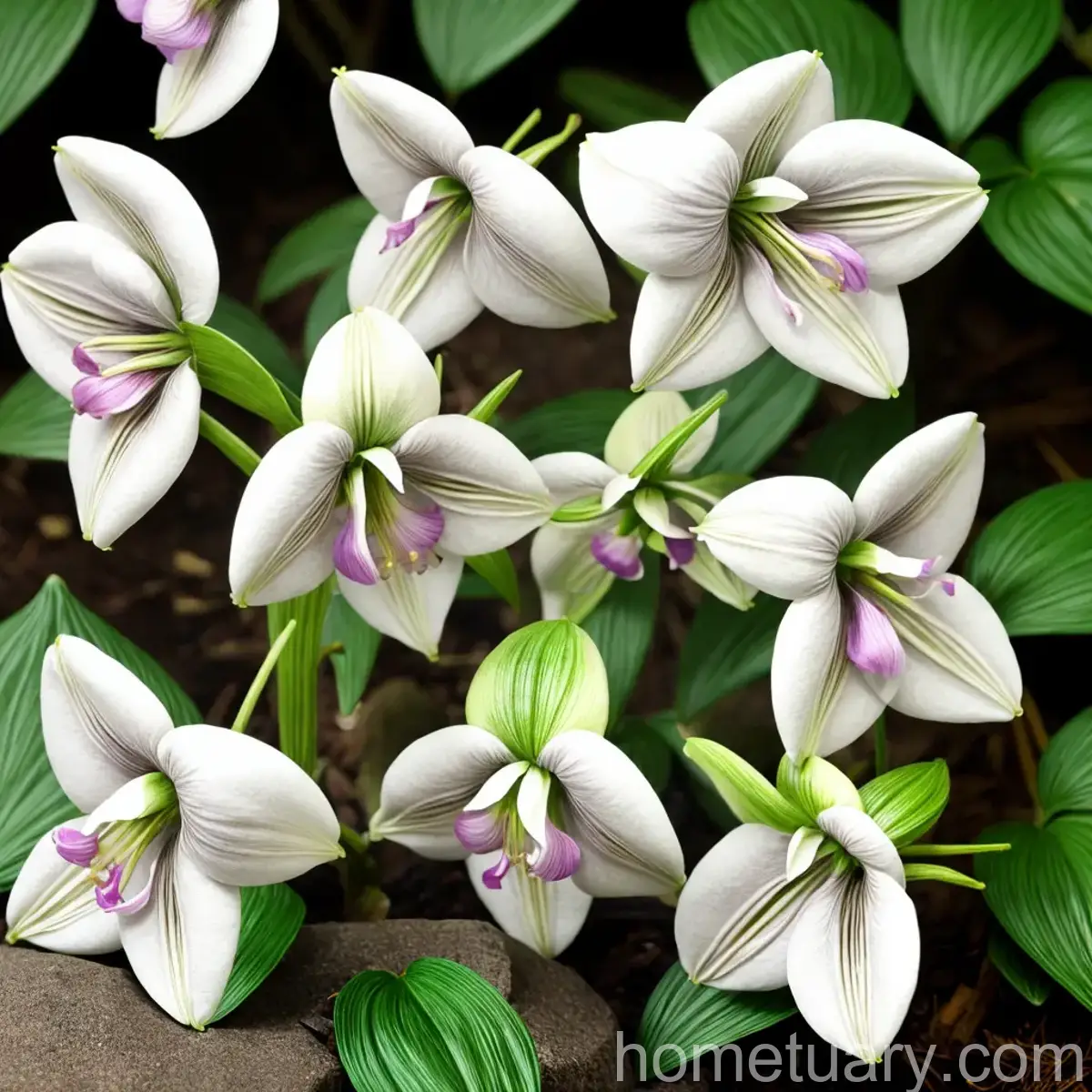
Flowers: The Giant Wake Robin produces solitary flowers with three large, petal-like sepals that can range in color from deep maroon to pink or white. The flowers are often held above the foliage, making them highly visible and adding to the plant’s ornamental value.
-
Leaves: The plant features whorled leaves typically in groups of three, which emerge from the stem just below the flower. The leaves are broad and showcase a mottled pattern that adds visual interest even when the plant is not in bloom.
-
Habitat: Trillium chloropetalum naturally thrives in woodland habitats, often found on shaded slopes or in the understory of forests. Its preferred habitat includes moist, well-drained soil and partial to full shade.
-
Cultural Significance: Trillium chloropetalum has a rich cultural history and has been traditionally used by indigenous communities for various purposes, including medicinal and ceremonial uses.
This introduction sets the stage for a detailed exploration of the various aspects of Trillium chloropetalum, including its culture, uses, care requirements, and ecological significance.
Culture of Trillium chloropetalum (Giant Wake Robin)
Understanding the cultural requirements of Trillium chloropetalum is essential for successfully cultivating and enjoying this captivating plant. From its preferred growing conditions to its historical and traditional uses, the cultural context of the Giant Wake Robin provides valuable insights into its significance as a garden plant and its broader ecological role.
Uses
- Garden Ornament: Trillium chloropetalum is highly prized as an ornamental plant, valued for its large, showy flowers and striking foliage. It adds a touch of woodland elegance to shaded gardens and naturalistic landscapes.
- Traditional and Medicinal Uses: Historically, indigenous communities have utilized various parts of Trillium chloropetalum for medicinal purposes. While these traditional uses should be approached with caution and respect for indigenous knowledge, they underscore the cultural and ethnobotanical significance of the plant.
- Wildlife Habitat: In its native woodlands, Trillium chloropetalum serves as valuable habitat for native wildlife, including insects, small mammals, and birds. Its presence contributes to the ecological diversity of woodland ecosystems.
Water
Trillium chloropetalum thrives in moist, well-drained soil and benefits from regular watering, especially during dry periods. When cultivating this plant, it is crucial to ensure that the soil remains consistently moist, mimicking its natural woodland habitat.
Sunlight
The Giant Wake Robin flourishes in partial to full shade, making it well-suited for woodland gardens and shaded landscapes. When selecting a planting location, it is important to prioritize areas with dappled light or filtered shade to provide the ideal growing environment for Trillium chloropetalum.
Fertilizer
Given its preference for organic, humus-rich soil, Trillium chloropetalum generally does not require heavy fertilization. In fact, excessive fertilization can be detrimental to the plant. Instead, incorporating organic matter into the soil at the time of planting can provide the necessary nutrients for healthy growth.
Soil
The preferred soil for Trillium chloropetalum is rich in organic matter and well-drained. Woodland soils with a high content of leaf litter and decaying vegetation provide the ideal substrate for this species. When growing Trillium chloropetalum, it is important to mimic these natural soil conditions to promote its overall health and vigor.
Pruning and Propagation of Trillium chloropetalum (Giant Wake Robin)
Pruning and propagation are essential aspects of plant care and cultivation, shaping the growth and reproduction of Trillium chloropetalum. By understanding the best practices for pruning and propagation, plant enthusiasts can effectively manage their Trillium chloropetalum specimens and even propagate new plants to expand their collection or share with others.
Pruning
Pruning Trillium chloropetalum should be done sparingly, primarily to remove old or diseased foliage and to promote air circulation around the plant. As the plant’s leaves naturally senesce after flowering, it is important to allow them to wither and yellow before gently removing them. Beyond basic maintenance, minimal pruning is necessary for this woodland species.
Propagation
Trillium chloropetalum can be propagated through several methods, including seed propagation and division. Here’s a brief overview of each propagation method:
- Seed Propagation: By collecting ripe seeds from mature plants and sowing them in a suitable growing medium, plant enthusiasts can successfully propagate new Trillium chloropetalum specimens. Due to the slow and often unpredictable germination of Trillium seeds, patience is required when employing this propagation method.
- Division: Dividing established clumps of Trillium chloropetalum can also yield new plants. This method involves carefully separating the rhizomes, ensuring that each division retains sufficient roots and growing points to establish itself as a new individual.
Common Diseases and Pests of Trillium chloropetalum (Giant Wake Robin)
Understanding and identifying common diseases and pests that affect Trillium chloropetalum is crucial for maintaining the health and vitality of this captivating plant. By being proactive in disease prevention and pest management, plant enthusiasts can safeguard their Trillium chloropetalum specimens and promote their long-term well-being.
Common Diseases
- Fungal Diseases: Trillium chloropetalum is susceptible to certain fungal diseases, particularly those that thrive in moist, shaded environments. To prevent fungal infections, it is important to ensure proper air circulation and to avoid over-watering the plant.
- Bacterial Diseases: While less common, bacterial diseases can affect Trillium chloropetalum under certain conditions. Symptoms may include leaf spots or wilting. Employing good cultural practices, such as avoiding overhead watering and providing proper spacing between plants, can help mitigate the risk of bacterial infections.
Disease Diagnosis
Diagnosing diseases in Trillium chloropetalum involves careful observation of the plant’s symptoms, including leaf discoloration, wilting, or unusual growth patterns. When faced with suspected diseases, it is advisable to consult with a plant pathologist or extension specialist to accurately identify the issue and receive guidance on appropriate management strategies.
Common Pests
- Slugs and Snails: These mollusks can pose a threat to Trillium chloropetalum, especially in moist, shaded environments. Employing natural pest control methods or protective barriers can help manage slug and snail populations and protect the plant.
- Deer and Rodents: In areas with high deer or rodent populations, Trillium chloropetalum may be susceptible to browsing and damage. Implementing deer-resistant and rodent-deterrent strategies can help safeguard the plant from these threats.
Botanist’s Tips for Growing Trillium chloropetalum (Giant Wake Robin)
As a plant enthusiast or gardener, incorporating botanist’s tips into the cultivation of Trillium chloropetalum can enhance the overall success and enjoyment of growing this captivating species. From selecting the ideal planting site to nurturing healthy growth, these expert tips offer valuable insights for cultivating Trillium chloropetalum with confidence and proficiency.
Botanist’s Tips
- Site Selection: When choosing a planting site for Trillium chloropetalum, prioritize shaded areas with well-drained, humus-rich soil. Mimicking its natural woodland habitat is key to promoting the plant’s vigor and longevity.
- Mulching: Applying a layer of organic mulch around Trillium chloropetalum can help retain soil moisture, suppress weeds, and provide an additional source of organic matter as it decomposes.
- Naturalizing: In suitable woodland settings, consider naturalizing Trillium chloropetalum by planting it in drifts or clusters. This approach mirrors its native habitat and adds a naturalistic charm to the landscape.
- Companion Planting: Pairing Trillium chloropetalum with compatible shade-loving plants, such as ferns, hostas, and hellebores, can create visually appealing woodland plantings and enhance the overall garden aesthetic.
Fun Facts about Trillium chloropetalum (Giant Wake Robin)
Uncovering the fun and intriguing aspects of Trillium chloropetalum adds depth to the appreciation of this captivating species. From folklore and symbolism to its unique adaptations, exploring the fun facts about Trillium chloropetalum enriches the overall experience of learning about and cultivating this remarkable plant.
Fun Facts
- Folklore: Trillium chloropetalum has been historically associated with folklore and traditional beliefs. In some cultures, the plant is believed to possess medicinal or mystical properties, adding to its allure and cultural significance.
- Symbolism: In various contexts, Trillium chloropetalum has been associated with diverse symbolic meanings, including representations of purity, balance, and the arrival of spring. These symbolic associations contribute to the plant’s enduring appeal as a garden favorite.
- Adaptations: Trillium chloropetalum exhibits unique adaptations to its woodland habitat, including its reliance on myrmecochory, a dispersal mechanism involving ant interactions, to promote the distribution of its seeds.
Links to External Resources
For further exploration and in-depth information about Trillium chloropetalum, the following external resources offer valuable insights and perspectives on this captivating plant species:
- California Native Plant Society: The California Native Plant Society provides comprehensive information about native plants, including Trillium chloropetalum, and promotes their conservation and appreciation.
- Lady Bird Johnson Wildflower Center: The Lady Bird Johnson Wildflower Center offers a wealth of resources about native plants, their habitats, and cultivation requirements, including detailed profiles of Trillium species.
- Royal Horticultural Society: The Royal Horticultural Society features extensive plant profiles and gardening advice, providing valuable insights into the cultivation and care of Trillium chloropetalum in various garden settings.
Conclusion
Trillium chloropetalum, the Giant Wake Robin, stands as a remarkable and cherished plant species within the rich tapestry of native flora in the western United States. From its captivating blooms to its ecological significance and cultural heritage, this woodland gem continues to inspire and captivate plant enthusiasts, horticulturists, and nature lovers alike. By delving into the various facets of Trillium chloropetalum, from its cultural uses to its botanical characteristics, we gain a deeper appreciation for the vital role it plays in both garden settings and natural ecosystems. As we continue to cultivate and conserve this captivating species, let us celebrate its enduring beauty and the invaluable contributions it makes to our shared botanical heritage.