Plant Scientist Blog: All About Sedum Dasyphyllum (Corsican Stonecrop)
In today’s post, we will deep dive into the fascinating world of Sedum dasyphyllum, commonly known as Corsican Stonecrop. Whether you are a seasoned gardener looking to expand your succulent collection or a newcomer to the world of plants, this article will provide you with valuable insights into the cultivation, care, and uses of this distinctive and versatile species.
What is Sedum Dasyphyllum (Corsican Stonecrop)?
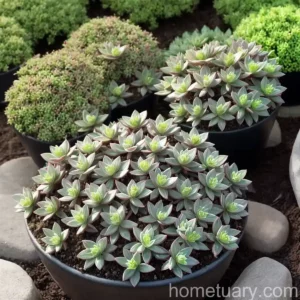
Sedum dasyphyllum, a member of the Crassulaceae family, is a small, perennial succulent native to Corsica, Sardinia, and mainland Europe. It is characterized by its dense, moss-like foliage and delicate, star-shaped flowers that adorn its trailing stems. This charming succulent is well-loved for its ability to thrive in various environments, making it an excellent choice for both indoor and outdoor settings.
Now, let’s explore the key takeaways related to Sedum dasyphyllum, including its culture, uses, care requirements, propagation techniques, and more.
Key Takeaways – Sedum Dasyphyllum (Corsican Stonecrop)
Culture
Sedum dasyphyllum (Corsican Stonecrop) is a versatile and low-maintenance plant that offers numerous cultivation opportunities. Its adaptability makes it an excellent choice for various gardening and landscaping applications, from ground cover in rock gardens to accentuating floral arrangements. Its unique charm and resilience make it a valuable addition to any plant enthusiast’s collection.
Uses
The uses of Sedum dasyphyllum extend far beyond its ornamental value. Its resilience and adaptability have made it a popular choice for erosion control, landscape edging, and as a versatile groundcover in a range of environments. Furthermore, its foliage and flowers make it an attractive addition to floral arrangements and landscaping designs.
Water
Sedum dasyphyllum is characterized by its drought-tolerant nature, thriving in arid conditions with minimal water requirements. Its succulent leaves allow it to store water efficiently, making it suitable for water-wise gardening practices.
Sunlight
As a sun-loving plant, Sedum dasyphyllum thrives in bright, indirect light or full sunlight. When provided with ample sunlight, it displays vibrant foliage coloration and healthy growth, making it an ideal addition to sunny outdoor spaces.
Fertilizer
When it comes to fertilization, Sedum dasyphyllum’s needs are minimal. A well-draining soil mix supplemented with a balanced fertilizer during the growing season is typically sufficient to support its growth and development.
Soil
Sedum dasyphyllum prefers well-draining soil with a slightly acidic to neutral pH. It excels in various soil types, including sandy, gravely, or rocky substrates. Additionally, it showcases exceptional adaptability to poor soil conditions, making it an excellent choice for challenging landscapes.
Pruning
Pruning requirements for Sedum dasyphyllum are minimal, primarily focused on the removal of dead or damaged foliage to maintain its aesthetic appeal and promote healthy growth.
Propagation
Propagation of Sedum dasyphyllum can be achieved through various methods, including stem and leaf cuttings, division, and offsets. Its ease of propagation makes it a favorite among gardening enthusiasts seeking to expand their succulent collections or share the plant with others.
Container Popularity
The compact nature of Sedum dasyphyllum makes it an ideal candidate for container gardening. Its trailing growth habit and resilience to environmental stressors make it a versatile and attractive addition to both indoor and outdoor container gardens.
Common Diseases
Sedum dasyphyllum is relatively resilient to diseases, with proper care and maintenance serving as effective preventive measures. However, it is essential to monitor for signs of rot or fungal infections, particularly in overly moist conditions.
Disease Diagnosis
Diagnosing potential diseases in Sedum dasyphyllum primarily involves observing changes in foliage and overall plant health. Prompt action, such as adjusting watering practices or addressing soil drainage issues, is crucial in preventing the spread of diseases.
Common Pests
While generally resistant to pest infestations, Sedum dasyphyllum may occasionally attract aphids, mealybugs, or scale insects. Regular monitoring and the use of organic pest control methods can help mitigate potential pest challenges.
Botanist’s Tips
- When cultivating Sedum dasyphyllum, ensure that it is provided with well-draining soil and adequate sunlight to support healthy growth and vibrant foliage coloration.
- Consider incorporating Sedum dasyphyllum into rock gardens, alpine plantings, or xeriscapes to showcase its resilience and visual appeal in diverse landscape designs.
- Sedum dasyphyllum’s adaptability to various growing conditions makes it an excellent choice for both novice and experienced gardeners seeking an attractive and low-maintenance plant.
Fun Facts
- Sedum dasyphyllum is well-suited for outdoor and indoor cultivation, thriving in containers, hanging baskets, and as a charming addition to terrariums.
- The plant’s ability to attract pollinators, such as butterflies and bees, adds ecological value to garden spaces, contributing to biodiversity and supporting local ecosystems.
- Corsican Stonecrop’s trailing growth habit and unique foliage make it a captivating addition to vertical gardening and innovative landscape designs.
Now that we have explored the key takeaways related to Sedum dasyphyllum, let’s further delve into its characteristics, optimal care strategies, and its role in garden design and beyond.
Characteristics of Sedum Dasyphyllum
Sedum dasyphyllum exhibits a range of distinctive characteristics that contribute to its appeal and suitability for various growing environments. Understanding these traits is essential for providing the best care and optimizing its potential in both outdoor and indoor settings.
-
Growth Habits: Sedum dasyphyllum is a low-growing, spreading succulent with trailing stems that can reach lengths of up to 12 inches. Its mat-forming growth habit and dense foliage make it an excellent ground cover choice for enhancing landscape aesthetics.
-
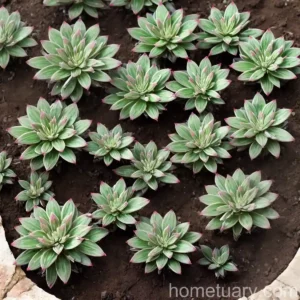
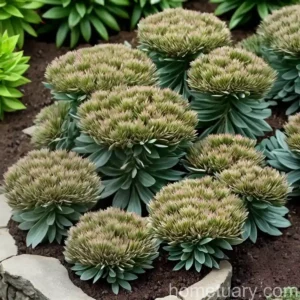
Foliage: The plant’s small, rounded leaves are fleshy, pale green in color, and closely packed along its cascading stems, resulting in a dense, moss-like appearance. During periods of optimal sunlight and environmental conditions, the foliage may develop blushes of red or purple, adding visual interest to the plant.
-
Flowers: Sedum dasyphyllum produces dainty, star-shaped flowers in shades of white, yellow, or pink, depending on the variety. The blooms emerge in clusters atop slender stems, creating a charming contrast against the plant’s verdant foliage.
-
Adaptability: The adaptability of Sedum dasyphyllum to various light and soil conditions enables it to thrive in diverse landscapes, from arid rock gardens to ornamental containers. Its resilience to drought and environmental stressors further enhances its suitability for low-maintenance gardening.
-
Hardiness Zones: Sedum dasyphyllum is well-suited to hardiness zones 5 to 9, withstanding a range of temperatures and climatic conditions, further extending its potential for widespread cultivation.
Now, armed with a deeper understanding of its characteristics, let’s explore the optimal care strategies for nurturing and enjoying the full potential of Sedum dasyphyllum in various garden settings and beyond.
Optimal Care Strategies for Sedum Dasyphyllum
Cultivating Sedum dasyphyllum involves implementing key care strategies that cater to its specific needs and foster its optimal growth and resilience. Whether you are considering introducing this charming succulent to your indoor collection or seeking to enhance your outdoor landscape, these care tips will set the stage for success.
Planting Tips:
When planting Sedum dasyphyllum, consider the following tips to ensure its successful establishment and long-term health:
- Select a well-draining potting mix or soil that replicates its natural habitat, such as sandy or gravelly substrates, to promote healthy root development and prevent waterlogging.
- Provide ample space for the plant to spread and thrive, as its trailing growth habit necessitates room for expansion, particularly in ground cover applications.
Sunlight Requirements:
Sedum dasyphyllum thrives in bright, indirect light or full sunlight, making it a suitable choice for sun-drenched garden spaces, south-facing windowsills, or outdoor landscapes. When placed in optimal light conditions, the plant’s foliage colors and overall vigor are enhanced, contributing to its visual appeal.
Watering Needs:
Due to its succulent nature, Sedum dasyphyllum exhibits low water requirements and is tolerant of drought conditions. When watering, it is crucial to allow the soil to dry out between waterings to prevent root rot and ensure the plant’s vitality.
Hardiness Zones:
Understanding the plant’s hardiness zones (5 to 9) is essential for selecting the most suitable growing environment and ensuring its long-term survival in outdoor settings.
Soil Preferences:
Sedum dasyphyllum thrives in well-draining soil with a pH range of slightly acidic to neutral. Amending soil with additional perlite or coarse sand can further enhance drainage, catering to the plant’s preferences and promoting healthy root development.
Pruning Techniques:
Minimal pruning is generally required for Sedum dasyphyllum, with focus placed on removing dead or damaged foliage and spent flowers to maintain its compact and tidy appearance. Pruning can also encourage new growth and enhance overall plant aesthetics.
Winter Care:
During the winter months, it is essential to protect Sedum dasyphyllum from excessive moisture and frost, particularly in cooler climates. Ensure that the plant is positioned in a sheltered location and monitor its condition to mitigate potential cold-related stress.
Now that we have explored optimal care strategies for Sedum dasyphyllum, let’s continue our journey by uncovering the plant’s role in garden design, landscape uses, propagation techniques, and its enticing appeal in container gardening.
Sedum Dasyphyllum in Garden Design and Beyond
Landscape Uses:
Sedum dasyphyllum’s resilience, vibrant foliage, and cascading growth habit make it a valuable asset in various landscape applications, including:
-
Rock Gardens: The plant’s adaptability to dry, rocky substrates and its low-growing, spreading nature make it an ideal choice for rock gardens, adding textural interest and visual appeal to these specialized landscapes.
-
Alpine Gardens: In alpine or mountainous settings, Sedum dasyphyllum contributes to the authenticity of these environments, showcasing its hardiness and capacity to thrive in challenging conditions.
-
Xeriscapes: As water-wise landscaping becomes increasingly prevalent, the drought tolerance and ornamental value of Sedum dasyphyllum position it as a key player in xeriscape designs, promoting sustainable gardening practices.
-
Erosion Control: With its spreading growth habit and ability to establish in challenging environments, Sedum dasyphyllum serves as an effective means of controlling soil erosion on slopes and embankments.
Propagation:
Exploring various propagation techniques for Sedum dasyphyllum presents opportunities to expand its presence in garden settings and share its charm with others. Key propagation methods include:
-
Stem Cuttings: By carefully selecting healthy stem cuttings and providing them with suitable growing conditions, gardeners can propagate new plants with relative ease, making it a simple and effective method to increase the plant’s numbers.
-
Leaf Cuttings: Utilizing healthy leaves to propagate new plants allows for the expansion of Sedum dasyphyllum collections while offering an engaging and accessible propagation method for gardening enthusiasts.
-
Division and Offsets: By dividing established clumps or utilizing offsets produced by the plant, propagation efforts can yield additional specimens for inclusion in various garden designs and projects.
Container Gardening:
Sedum dasyphyllum’s compact growth habit and resilience to environmental stressors make it an excellent candidate for container gardening. Incorporating the plant into containers and hanging baskets provides opportunities for creativity and experimentation, allowing for its integration into diverse indoor and outdoor settings.
Garden Design:
In the realm of garden design, Sedum dasyphyllum offers a range of possibilities, including:
-
Visual Appeal: The charming, moss-like appearance of Sedum dasyphyllum and its ability to trail over container edges or cascade down rock features adds visual interest and texture to garden compositions.
-
Landscape Edging: In both formal and informal garden settings, Sedum dasyphyllum can serve as an attractive and functional border plant, delineating garden beds and pathways with its appealing foliage.
-
Vertical Gardening: With its trailing growth habit and adaptability to hanging baskets, Sedum dasyphyllum lends itself to vertical gardening designs, adding lushness and vibrancy to vertical spaces.
Wildlife Attraction:
The ecological value of Sedum dasyphyllum extends beyond its ornamental appeal, drawing the attention of beneficial pollinators and contributing to local biodiversity. The plant’s flowers provide nectar sources for bees and butterflies, playing a vital role in supporting pollinator populations.
Versatile Landscape Plant:
Ultimately, Sedum dasyphyllum’s versatile nature positions it as a multifaceted landscape plant, capable of enhancing a wide range of environmental settings and contributing to the functionality and aesthetics of diverse garden designs.
Now that we’ve explored the plant’s role in garden design, propagation, and container gardening, let’s turn our attention to its potential susceptibility to pests and diseases, along with essential tips for addressing and preventing potential challenges.
Pests and Diseases: Mitigating Potential Challenges
Common Pests:
While generally resistant to pest infestations, Sedum dasyphyllum may encounter occasional challenges, including:
-
Aphids: Monitoring the plant for signs of aphid infestations, such as clustered pests on new growth, and utilizing organic control methods can help manage potential issues.
-
Mealybugs: Addressing mealybug presence through targeted interventions and regular inspection can prevent these pests from impacting the plant’s overall health and appearance.
-
Scale Insects: Potential scale insect infestations can be mitigated through proactive measures, such as physical removal and the introduction of beneficial insects for biological control.
Disease Prevention:
Preventing diseases in Sedum dasyphyllum primarily involves implementing proactive measures and attentive care practices:
-
Well-Draining Soil: Ensuring that the plant is situated in well-draining soil reduces the risk of root rot and fungal infections, safeguarding its overall health.
-
Adequate Air Circulation: Providing sufficient air circulation around the plant minimizes the likelihood of moisture-related diseases and promotes optimal growing conditions.
-
Moderate Watering: Adhering to a balanced watering regimen that allows the soil to dry out between waterings aids in preventing waterlogged conditions that can lead to disease development.
Winter Care and Stress Tolerance:
During winter months, it is crucial to monitor Sedum dasyphyllum’s condition and implement protective measures to safeguard it from cold-related stress. Sheltering the plant from excessive moisture and ensuring its continued resilience are key factors in supporting its health during the colder seasons.
Drought Tolerance:
The plant’s inherent drought tolerance equips it with resilience in arid conditions, contributing to its overall hardiness and suitability for water-wise gardening and xeriscape designs.
Low-Maintenance Plant:
Sedum dasyphyllum’s minimal care requirements and low-maintenance nature position it as an attractive option for gardeners seeking resilient and visually appealing additions to their outdoor and indoor landscapes. Its capacity to thrive with minimal intervention adds to its appeal for gardening enthusiasts of all levels.
Now that we’ve explored strategies for mitigating potential pest and disease challenges, let’s delve into the diverse ecological and practical benefits offered by Sedum dasyphyllum, extending from its wildlife attraction to its multifaceted uses in various settings.
Sedum Dasyphyllum: Ecological and Practical Benefits
Companion Plants:
When selecting companion plants to complement Sedum dasyphyllum, consider species that share similar water and light requirements while offering visual harmony and combined ecological benefits. Suitable companion plants may include drought-tolerant herbs, compact flowering perennials, or additional succulent varieties, creating captivating and sustainable plant pairings.
Medicinal and Edible Uses:
While primarily valued for ornamental purposes, Sedum dasyphyllum’s potential medicinal and edible uses add additional layers of interest to this versatile plant. Exploration of its traditional uses and contemporary applications may unveil its potential in herbal medicine or culinary endeavors, contributing to its multifaceted appeal.
Wildlife Attraction:
Sedum dasyphyllum’s ability to attract pollinators, such as bees and butterflies, enriches garden ecosystems and supports local biodiversity and ecological balance. Its role in providing nectar sources and contributing to pollinator-friendly habitats elevates its ecological significance in garden settings.
Visual Appeal and Aesthetic Value:
The captivating foliage and trailing growth habit of Sedum dasyphyllum contribute to its visual appeal, adding textures, colors, and dynamic forms to diverse garden compositions. Its ornamental qualities enhance the overall aesthetic value of garden spaces, showcasing its versatility and decorative potential.
Natural Habitat and Wildlife Support:
As a species native to Corsica, Sardinia, and mainland Europe, Sedum dasyphyllum holds ecological value by preserving and promoting plant diversity within its natural habitats. Thoughtful cultivation and appreciation of its origins help support the conservation of its native species and their associated wildlife.
Water-Wise Gardening:
In the context of water-wise gardening, Sedum dasyphyllum’s drought tolerance and minimal water requirements contribute to sustainable gardening practices, aligning with efforts to conserve water and promote environmental stewardship in garden settings.
Pollinator-Friendly Practices:
By cultivating Sedum dasyphyllum and supporting its role in attracting pollinators, gardeners play a part in creating pollinator-friendly environments, advancing efforts to bolster beneficial insect populations and contribute to broader ecological health.
Now that we have explored the diverse ecological and practical benefits offered by Sedum dasyphyllum, let’s conclude our journey by offering additional resources and further exploration opportunities for those captivated by the enchanting world of Corsican Stonecrop.
Additional Resources and Further Exploration
Plant Name: Sedum Dasyphyllum (Corsican Stonecrop)
For those eager to continue their exploration of Sedum dasyphyllum and its captivating world, the following additional resources and external links offer valuable insights, inspiration, and practical guidance:
-
Botanical Databases: Delve into comprehensive botanical databases and plant directories to access detailed information on Sedum dasyphyllum, including its taxonomy, distribution, and cultivation recommendations.
-
Gardening Forums and Communities: Engage with fellow plant enthusiasts and gardening communities to share experiences, seek advice, and discover innovative approaches to cultivating and enjoying Sedum dasyphyllum.
-
Specialized Workshops and Events: Participate in workshops, seminars, and local events focused on succulent cultivation, gardening practices, and eco-friendly landscaping to expand your knowledge and connect with like-minded individuals.
-
Horticultural Publications and Journals: Explore horticultural publications and scientific journals to access in-depth articles, research findings, and expert perspectives on succulent plants and their ecological, horticultural, and aesthetic significance.
Online Nurseries and Specialty Suppliers:
Seek out reputable online nurseries and specialty suppliers offering a diverse selection of succulents, including Sedum dasyphyllum, to acquire high-quality specimens and expand your succulent collection.
Local Botanical Gardens and Arboreta:
Visit local botanical gardens and arboreta to encounter Sedum dasyphyllum and a rich array of plant species, gaining inspiration and firsthand insights into their cultivation, ecology, and design applications.
Horticultural Courses and Certifications:
Consider enrolling in horticultural courses, certifications, or workshops focused on succulent cultivation, landscape design