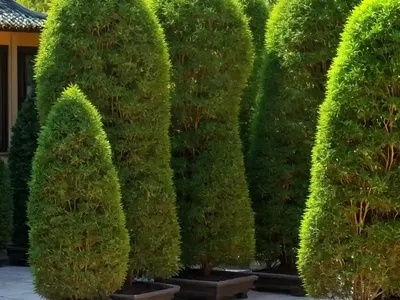
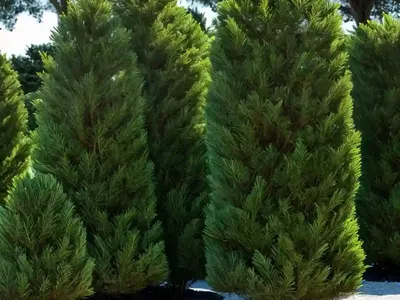
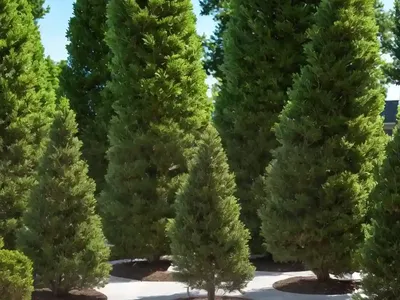
Thuja Occidentalis (American Arborvitae)
Plants are an integral part of our lives. They not only add aesthetic value to our surroundings but also provide a plethora of benefits such as clean air.
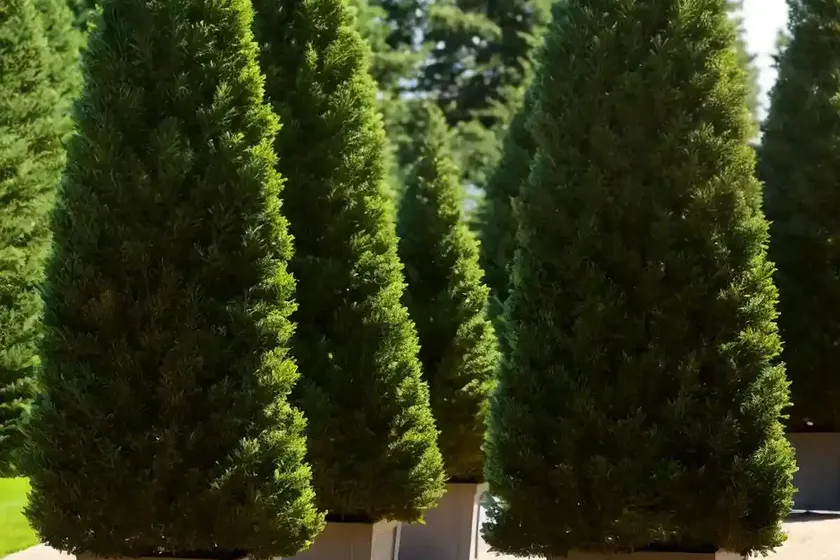
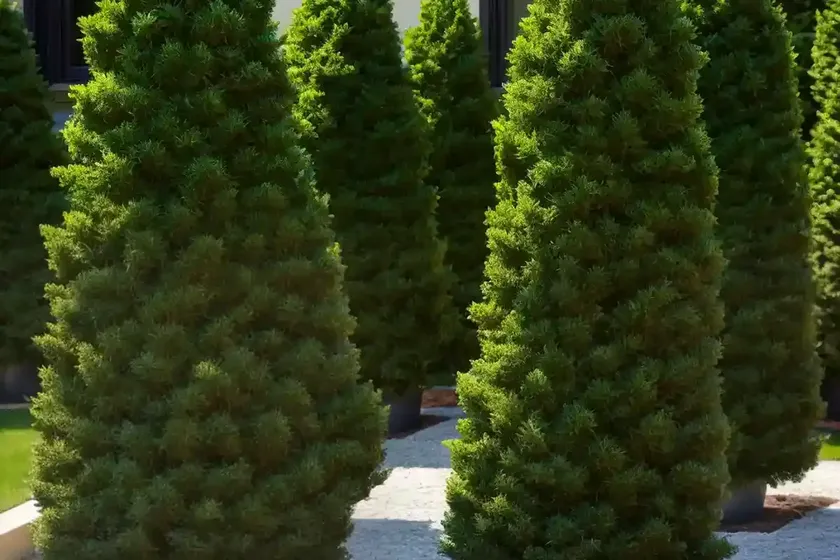
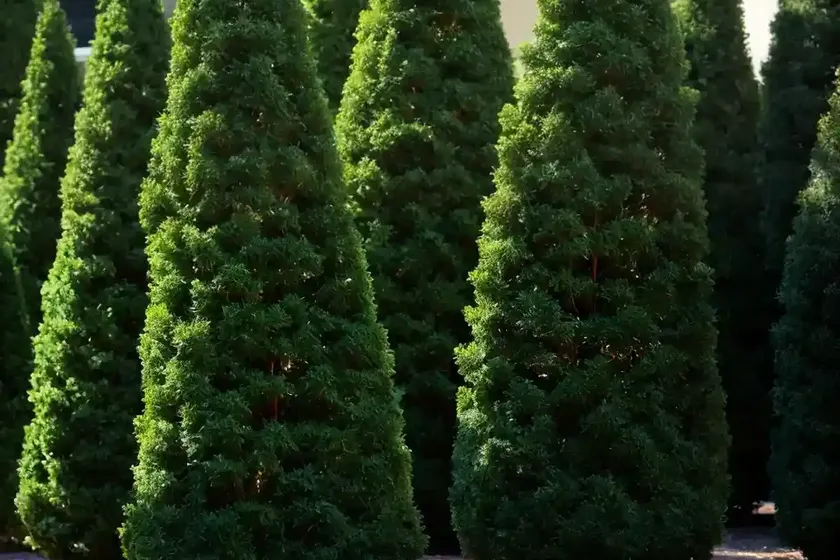
Plants are an integral part of our lives. They not only add aesthetic value to our surroundings but also provide a plethora of benefits such as clean air, food, and medicinal properties. One such plant that has gained immense popularity for its beauty, versatility, and numerous benefits is Thuja occidentalis, commonly known as American Arborvitae. In this comprehensive guide, we will delve into the characteristics, cultivation, uses, maintenance, and much more about this remarkable plant.
What is Thuja occidentalis (American Arborvitae)?
Thuja occidentalis is a species of evergreen coniferous tree belonging to the Cupressaceae family. It is native to North America and is commonly found in eastern Canada and the northeastern United States. The name “Arborvitae” is derived from the Latin words “arbor” and “vitae” which mean “tree of life,” reflecting the historical medicinal uses of the plant by Native American tribes.
American Arborvitae Characteristics
Before we explore the cultivation and uses of American Arborvitae, let’s take a closer look at its key characteristics:
- Scientific Name: Thuja occidentalis
- Family: Cupressaceae
- Common Names: American Arborvitae, Eastern Arborvitae, White Cedar
- Height: Can reach up to 40-60 feet tall with a spread of 10-15 feet
- Foliage: Scale-like, glossy, and aromatic
- Fruit: Small cones, often hidden within the foliage, turning brown when mature
- Growth Rate: Moderate
Now that we have an overview of its characteristics, let’s delve into the key takeaways, culture, uses, and maintenance of Thuja occidentalis.
Key Takeaways – Thuja occidentalis (American Arborvitae)
Culture
- Hardiness Zone: American Arborvitae is adaptable to a wide range of hardiness zones, typically thriving in zones 2 to 7.
- Growth Rate: It is known for its moderate growth rate, making it an excellent choice for landscaping and ornamental purposes.
- Water Requirements: It requires regular watering, especially during its establishment phase, and is moderately drought-tolerant once established.
Uses
- Landscaping: American Arborvitae is a popular choice for hedges, privacy screens, and windbreaks due to its dense foliage and evergreen nature.
- Medicinal Purposes: Historically, various parts of the plant have been used in traditional medicine for their purported healing properties.
- Aromatic Qualities: The foliage emits a pleasant aroma, making it a desirable feature in gardens and landscapes.
Water
- Watering Frequency: It requires regular watering, especially during dry periods, to ensure adequate moisture for healthy growth.
- Establishment Phase: Newly planted American Arborvitae should be watered deeply and consistently to facilitate root establishment.
Sunlight
- Sun Exposure: American Arborvitae thrives in full sunlight to partial shade, making it adaptable to various light conditions.
- Shade Tolerance: While it prefers full sunlight, it exhibits a degree of tolerance to partial shade.
Fertilizer
- Fertilization Requirements: Periodic fertilization with a balanced fertilizer is beneficial for promoting healthy growth and foliage density.
- Timing: Fertilize in early spring before new growth emerges to provide essential nutrients for the upcoming growing season.
Soil
- Soil Type: Well-draining, loamy soil is ideal for American Arborvitae, though it is adaptable to a range of soil types.
- pH Level: It thrives in slightly acidic to neutral soil pH, typically in the range of 6.0-7.5.
Pruning
- Pruning Frequency: Regular pruning is beneficial to shape the plant, remove dead or damaged foliage, and control its size.
- Timing: Prune in late winter or early spring before the onset of new growth for optimal results.
Propagation
- Propagation Methods: American Arborvitae can be propagated from seeds, cuttings, or layering, with each method having its own set of advantages and considerations.
- Timing: Propagation is typically carried out in the spring when the plant is actively growing.
Container Popularity
- Container Gardening: Due to its compact growth habit, American Arborvitae is well-suited for container gardening, adding greenery to patios, balconies, and small outdoor spaces.
- Versatility: It can be grown in various container sizes, making it an adaptable choice for urban and small-space gardening.
Container Common Diseases
- Disease Resistance: American Arborvitae exhibits resistance to several common diseases such as leaf spot and blight, making it relatively low-maintenance in container settings.
- Monitoring: Regularly inspect the foliage and overall health of container-grown Arborvitae to identify and address any potential disease issues.
Disease Diagnosis
- Common Diseases: While relatively resistant, American Arborvitae can be susceptible to certain diseases such as cedar leaf blight and canker, requiring prompt identification and management.
Common Pests
- Pest Resilience: It is generally resistant to common pests, though occasional infestations by spider mites, bagworms, or aphids may occur.
- Vigilance: Regular monitoring and prompt action are essential to mitigate potential pest damage.
Botanist’s Tips
- Companion Plants: Pair American Arborvitae with complementary plants such as junipers, boxwoods, or flowering shrubs to create visually appealing and diverse landscapes.
- Seasonal Considerations: Consider the seasonal changes and growth patterns of the plant when planning its placement and care.
Fun Facts
- Wildlife Habitat: American Arborvitae provides shelter and nesting sites for various bird species and small mammals, contributing to local biodiversity.
- Folklore and Symbolism: In various cultures, Thuja occidentalis has been associated with symbolism, folklore, and traditional practices, adding cultural significance to its presence.
Links to External Resources
To further enrich your knowledge and understanding of American Arborvitae, consider exploring the following external resources:
- The American Arborvitae Society
- Botanical Illustrations of Thuja occidentalis
- Landscaping Ideas with American Arborvitae
In the next sections, we will delve deeper into the features, uses, and cultivation of Thuja occidentalis to provide a comprehensive guide for enthusiasts and horticulturalists alike. Whether you are interested in its ornamental value, medicinal properties, or environmental benefits, this guide aims to illuminate the diverse aspects of American Arborvitae. Let’s continue our journey into the world of this remarkable evergreen species.
As we embark on this horticultural exploration, we will venture into the multifaceted realm of American Arborvitae, uncovering its potential for landscaping, environmental enhancements, and therapeutic applications. Stay tuned as we delve into the cultivation practices, landscape design ideas, and the intrinsic allure of Thuja occidentalis.