Tricyrtis Hirta ‘Tojen’ (Toad Lily)
Tricyrtis hirta ‘Tojen’, commonly known as the Toad Lily, is a charming and unique perennial plant that belongs to the family Colchicaceae. This exquisite.
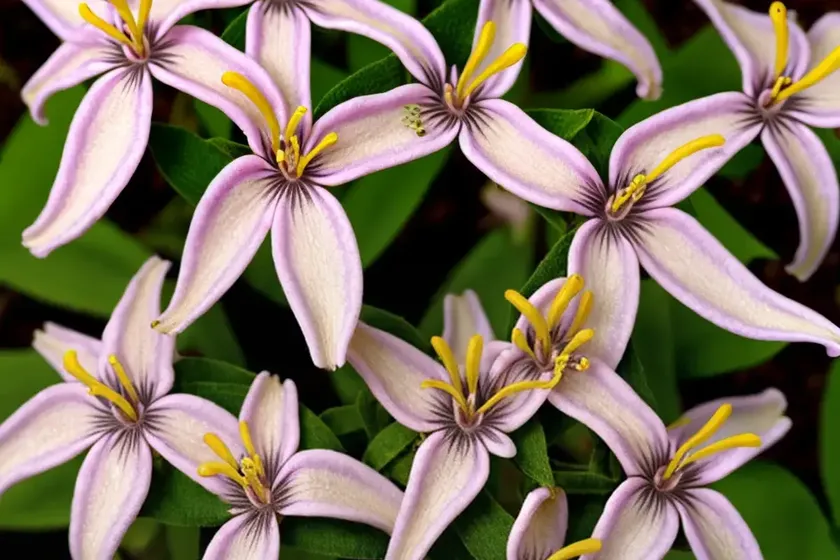
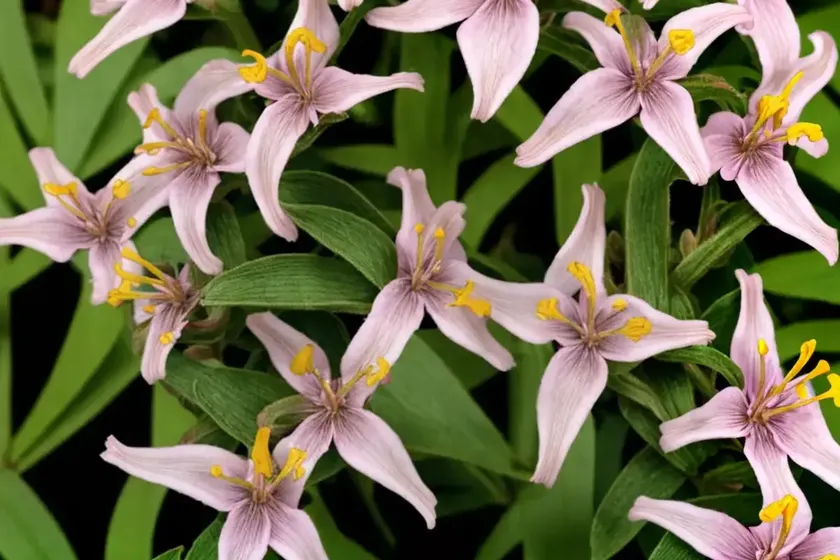
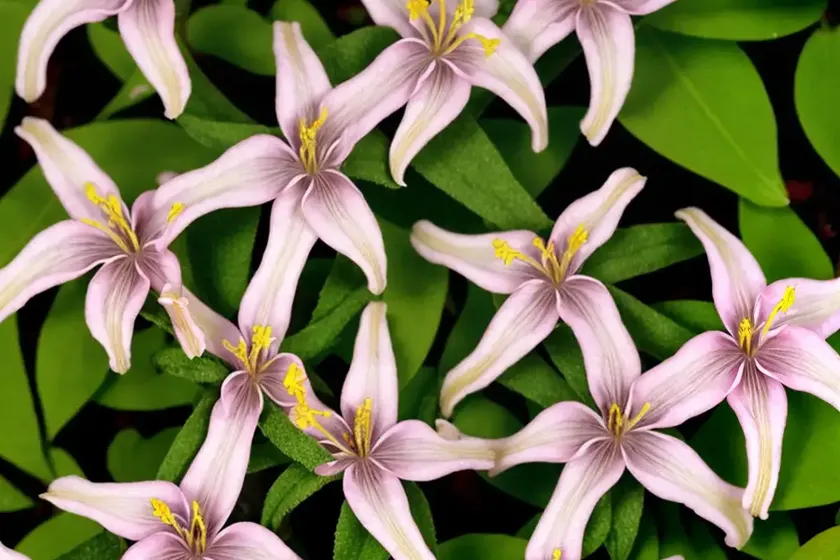
Tricyrtis hirta ‘Tojen’, commonly known as the Toad Lily, is a charming and unique perennial plant that belongs to the family Colchicaceae. This exquisite plant is native to East Asia, specifically Japan, and has gained immense popularity among gardeners for its enchanting, orchid-like flowers that bloom in late summer to early fall. In this comprehensive guide, we will explore the captivating characteristics of the Tricyrtis hirta ‘Tojen’ and delve into its cultural requirements, uses, propagation methods, common diseases, and so much more.
What is Tricyrtis hirta ‘Tojen’ (Toad Lily)?
Tricyrtis hirta ‘Tojen’ is a stunning cultivar of the Tricyrtis hirta species, commonly known as the Toad Lily. The genus name “Tricyrtis” is derived from the Greek words “tri,” meaning three, and “kyrtos,” meaning humped, referring to the three prominent bulges present in the flower. The specific epithet “hirta” refers to the hairy texture of the plant.
The ‘Tojen’ variety of Tricyrtis hirta is highly prized for its striking, orchid-like blooms that feature intricate patterns and speckles, adding a touch of elegance to shady garden areas. Its unique, speckled flowers, borne on arching stems, make it a delightful addition to woodland gardens, shaded borders, and as a focal point in containers.
The Toad Lily plant is acclaimed for its exceptional attributes, including its shade tolerance, low maintenance requirements, and attractiveness to pollinators. Its intriguing flowers, which are often compared to the appearance of an orchid, make it a distinctive and sought-after plant for garden enthusiasts and landscape designers.
Key Takeaways – Tricyrtis hirta ‘Tojen’ (Toad Lily)
Before delving into the specific cultural requirements and uses of the Tricyrtis hirta ‘Tojen’, let’s take a look at the key takeaways of this fascinating plant.
- Botanical Name: Tricyrtis hirta ‘Tojen’
- Common Name: Toad Lily
- Type: Herbaceous perennial
- Native Habitat: East Asia, especially Japan
- Bloom Time: Late summer to early fall
- Growth Habit: Clump-forming, arching stems
- Foliage: Broad, ovate, and prominently veined
- Flower Color: White, speckled with purple, pink, or burgundy
- Special Features: Shade tolerance, orchid-like flowers
- Uses: Woodland gardens, shaded borders, containers
- Attracts: Pollinators and wildlife
- Hardiness: USDA Zones 4-9
Now, let’s explore the cultural requirements, uses, and maintenance of the captivating Tricyrtis hirta ‘Tojen’.
Culture
Water
Tricyrtis hirta ‘Tojen’ thrives in consistently moist, well-draining soil. It is essential to keep the soil consistently moist, especially during the active growing season and blooming period. However, it is crucial to avoid waterlogged conditions that can lead to root rot and other fungal diseases. Regular watering, especially during dry spells, is essential for the optimal growth and flowering of the Toad Lily.
Sunlight
One of the most remarkable features of the Tricyrtis hirta ‘Tojen’ is its exceptional shade tolerance. This makes it an ideal choice for shaded or partially shaded garden areas that receive dappled sunlight or filtered light throughout the day. While it can tolerate some morning sun, it generally prefers to be shielded from the intense afternoon sun, which can scorch its delicate foliage.
Fertilizer
To encourage healthy growth and prolific flowering, it is recommended to feed Tricyrtis hirta ‘Tojen’ with a balanced, slow-release fertilizer in early spring as new growth emerges. Additionally, a light application of a well-balanced, organic fertilizer during the growing season can provide the necessary nutrients for the plant to thrive. It is important to follow the manufacturer’s instructions regarding the application rate and frequency to avoid over-fertilization.
Soil
The Toad Lily prefers rich, organic soil that is slightly acidic to neutral. A well-amended, loamy soil that retains moisture while allowing excess water to drain away is ideal for this shade-loving plant. Incorporating organic matter such as compost or well-rotted leaf mulch into the planting area can improve soil structure and fertility, creating an optimal growing environment for Tricyrtis hirta ‘Tojen’.
Pruning
Minimal pruning is required for Tricyrtis hirta ‘Tojen’. However, it is beneficial to remove any spent flower stems to promote continuous blooming and prevent self-seeding, especially if the plant is grown in a controlled garden setting. Additionally, removing dead or yellowing foliage can improve the overall appearance of the plant and reduce the risk of pest and disease issues.
Propagation
The Toad Lily can be propagated through division or by collecting and sowing its seeds. Division is best carried out in early spring or fall when the plant is not in active bloom. Carefully dig up the clump and divide it into smaller sections, ensuring that each division has several healthy shoots and a portion of the root system. Replant the divisions in prepared soil and water them thoroughly to promote establishment.
Alternatively, collecting and sowing Tricyrtis hirta ‘Tojen’ seeds can be a rewarding way to propagate this captivating plant. Harvest the mature seeds from the spent flower heads and sow them in a well-prepared seed-starting mix. Keep the soil consistently moist and provide bright, indirect light for the germinating seeds. Once the seedlings have developed several sets of true leaves, they can be transplanted into individual containers or directly into the garden.
Container Popularity
Due to its compact growth habit and remarkable shade tolerance, Tricyrtis hirta ‘Tojen’ is an excellent choice for container gardening. Its unique, orchid-like flowers add a touch of elegance to shady patios, balconies, and outdoor seating areas. When selecting a container for the Toad Lily, choose a spacious pot with adequate drainage holes to prevent waterlogging. A well-draining, high-quality potting mix formulated for shade-loving plants can provide the necessary support for healthy growth and blooming.
Common Diseases
While Tricyrtis hirta ‘Tojen’ is generally resilient, it may occasionally encounter certain fungal diseases and leaf spot issues, especially in humid or overly moist conditions. Common diseases that can affect the Toad Lily include:
- Powdery Mildew: A fungal disease that presents as white, powdery patches on the foliage, leading to decreased plant vigor and aesthetics.
- Leaf Spot: This bacterial or fungal disease causes dark, water-soaked spots on the leaves, which can expand and lead to leaf yellowing and premature defoliation if left untreated.
Disease Diagnosis
Diagnosing plant diseases accurately is crucial for implementing effective control measures and protecting the health of Tricyrtis hirta ‘Tojen’. When inspecting the plant for signs of diseases, it is essential to look for the following symptoms and conduct a thorough assessment of the growing conditions and cultural practices:
- Foliage Discoloration: Noticeable changes in leaf color, including yellowing, browning, or dark spots, can indicate the presence of a disease.
- Fuzzy Growth: If powdery white or gray patches are visible on the foliage, especially in humid conditions, it may point to powdery mildew infestation.
- Leaf Lesions: Dark, irregular lesions on the leaves accompanied by surrounding yellowing or browning can signify the presence of leaf spot.
Once the symptoms are identified, it is advisable to seek professional advice or consult with a plant pathologist to determine the most suitable course of action for disease management.
Common Pests
Tricyrtis hirta ‘Tojen’ is relatively resistant to most pest infestations. However, it may occasionally encounter pests such as slugs, snails, and spider mites, especially in damp or humid environments. Vigilant monitoring and prompt intervention can help prevent pest populations from causing significant damage to the plant.
- Slugs and Snails: These mollusks can feed on the tender foliage and flowers of the Toad Lily, leaving behind irregular holes and damage. Employing physical barriers or using pet-safe slug bait can help manage these pests effectively.
- Spider Mites: In hot, dry conditions, spider mites may infest the Toad Lily, causing stippled, discolored foliage and reducing overall plant vigor. Regularly rinsing the foliage with a gentle spray of water can help deter these tiny pests.
Botanist’s Tips
As a Plant Scientist, I have witnessed the enchanting allure of Tricyrtis hirta ‘Tojen’ in various garden settings. Here are some valuable tips for cultivating and appreciating this captivating plant:
-
Adequate Moisture: Maintaining consistent soil moisture is essential for the optimal growth and flowering of Tricyrtis hirta ‘Tojen’. Consider mulching around the plant to retain moisture and suppress weed growth.
-
Shade Preference: Embrace the shade-loving nature of the Toad Lily by incorporating it into shaded gardens, woodland settings, and under the dappled canopy of trees. Its unique flowers will shine in the filtered light.
-
Pollinator Friendly: Be mindful of the pollinator attraction of Tricyrtis hirta ‘Tojen’ and observe the visiting bees, butterflies, and other beneficial insects that are drawn to its nectar-rich blooms. Creating pollinator-friendly habitats contributes to the overall health of the ecosystem.
-
Combination Plantings: Pair Tricyrtis hirta ‘Tojen’ with companion plants that share similar cultural requirements, such as hostas, ferns, and heucheras. The contrasting foliage and textures can create visually appealing combinations in shaded landscapes.
Fun Facts
Uncover the intriguing aspects of Tricyrtis hirta ‘Tojen’ with these captivating fun facts:
- The common name “Toad Lily” is derived from the resemblance of the flowers’ pattern to the skin of a toad, especially when viewed up close.
- In its native habitat in Japan, the Toad Lily is often found growing along streams and in moist woodland areas, showcasing its preference for consistently moist soil conditions.
- Some gardeners have noted that the unique speckled flowers of Tricyrtis hirta ‘Tojen’ can vary in color intensity and patterning, adding an element of surprise to each bloom.
Links to External Resources
To delve deeper into the world of Tricyrtis hirta ‘Tojen’ and expand your knowledge of this captivating plant, consider exploring the following external resources:
- The Royal Horticultural Society (RHS) – Tricyrtis hirta ‘Tojen’
- Missouri Botanical Garden – Toad Lilies: Tricyrtis spp.
Conclusion
In conclusion, the Tricyrtis hirta ‘Tojen’ (Toad Lily) is a captivating and resilient shade-loving plant that can elevate the beauty of any garden with its intricate, orchid-like flowers and distinctive foliage. With its remarkable adaptability to shaded environments, low maintenance requirements, and polllinator-friendly qualities, the Toad Lily has earned its place as a cherished perennial in gardens, woodland settings, and container displays. By understanding its cultural needs, propagation methods, and potential challenges, gardeners can cultivate and appreciate the enchanting allure of Tricyrtis hirta ‘Tojen’ while contributing to the biodiversity of their outdoor spaces.
Whether you are seeking a striking focal point for your shaded garden, a unique addition to your woodland landscape, or a captivating plant for container gardening, consider the Toad Lily for its exceptional charm and ornamental qualities. Embrace the allure of Tricyrtis hirta ‘Tojen’ and immerse yourself in the enchanting world of shade-loving perennials.
Disclaimer: The information provided in this blog post is for educational and informational purposes only. It does not intend to serve as professional horticultural or medical advice. All individuals engaging in the cultivation and use of plants should exercise caution and seek guidance from qualified professionals, especially regarding potential medicinal uses and interactions with other plants or medications.


