Tilia X Europaea (European Linden)
The European Linden tree, scientifically known as Tilia x europaea, is a remarkable species that has captured the admiration of plant enthusiasts.
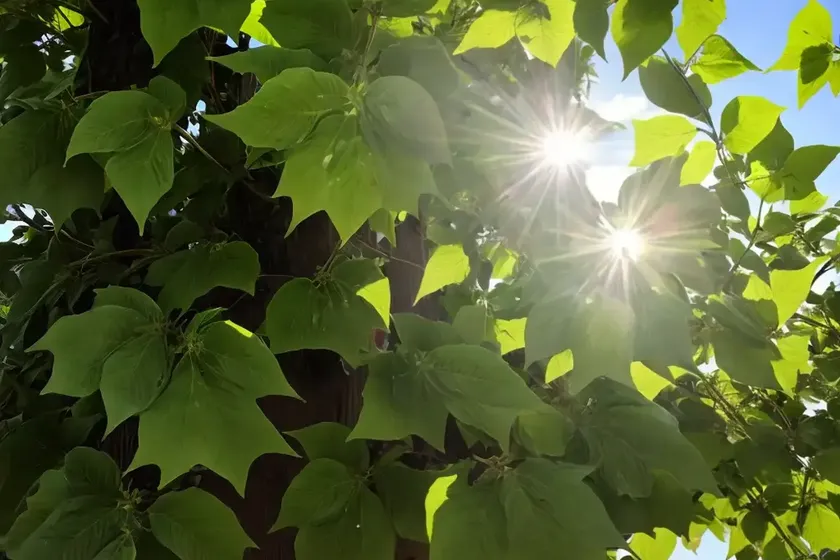

The European Linden tree, scientifically known as Tilia x europaea, is a remarkable species that has captured the admiration of plant enthusiasts, landscapers, and scientists alike. With its beautiful foliage, impressive stature, and a multitude of uses, this tree holds a special place in gardens, ecosystems, and folklore across Europe and beyond.
In this comprehensive guide, we will delve into the captivating world of Tilia x europaea, exploring its cultural significance, horticultural uses, maintenance requirements, common pests and diseases, and more. Whether you are a seasoned gardener, a landscape designer, or simply an admirer of trees, there is much to discover about this iconic species.
What is the European Linden Tree (Tilia x europaea)?
Tilia x europaea, commonly known as the European Linden or European Lime tree, belongs to the Tiliaceae family. This deciduous tree species is a natural hybrid of different Tilia species, contributing to its diverse characteristics. Delving into the taxonomy, the genus Tilia encompasses around 30 species, with Tilia cordata and Tilia platyphyllos often considered the primary parental species of Tilia x europaea.
The European Linden tree is celebrated for its elegance and resilience, typically reaching heights of 50 to 70 feet (15 to 21 meters) at maturity. Its attractive heart-shaped leaves, fragrant flowers, and the small, nut-like fruits it produces, known as nutlets, all contribute to its ornamental appeal.
Key Takeaways – Tilia x europaea (European Linden)
Let’s take a closer look at the various dimensions of Tilia x europaea, encompassing its culture, uses, water and sunlight requirements, fertilizer needs, soil preferences, pruning techniques, propagation methods, and more.
Culture
- Scientific Name: Tilia x europaea
- Common Names: European Linden, European Lime tree
- Family: Tiliaceae
- Genus: Tilia
- Hybrid Origin: Natural hybrid of Tilia species, particularly Tilia cordata and Tilia platyphyllos
Uses
- Cultural Significance: Deeply embedded in European folklore and traditions
- Landscaping: Popular choice for avenues, parks, and urban landscapes
- Medicinal Properties: Utilized in herbal medicine for its soothing properties
- Wildlife Support: Provides nectar for pollinators and supports diverse insect life
Water
- Watering Needs: Moderate water requirements; regular watering, particularly during periods of drought
Sunlight
- Light Requirements: Prefers full sun to partial shade; tolerant of varying light conditions
Fertilizer
- Fertilization: Responds well to balanced, slow-release fertilizers; regular applications during the growing season
Soil
- Soil Preferences: Well-drained, loamy soil with a neutral to slightly alkaline pH; adaptable to different soil types
Pruning
- Pruning Techniques: Prune in late winter or early spring to shape the canopy and remove dead or damaged branches
- Coppicing: Responds well to coppicing, a traditional method of woodland management
Propagation
- Propagation Methods: Can be propagated from seeds, hardwood cuttings, or root cuttings
- Germination: May germinate readily or require stratification for successful seedling establishment
Container Popularity
- Container Planting: Suitable for large containers when young; requires ample space for root development
Container Common Diseases
- Disease Susceptibility: Resistant to most common diseases; occasionally affected by leaf spot and powdery mildew
Common Pests
- Pest Resilience: Generally resistant to pests; potential infestations by aphids and scale insects
Botanist’s Tips
- Species Variation: Explore different European Linden varieties for unique leaf shapes and growth habits
- Eco-friendly Choice: Valuable for its ecological benefits, including air purification and support for biodiversity
Fun Facts
- Symbolism: Revered as a symbol of love, unity, and protection in European folklore
- Honey Production: The fragrant flowers produce abundant nectar, leading to high-quality linden honey
Links to External Resources
- Royal Horticultural Society – Tilia x europaea
- Missouri Botanical Garden – European Linden
- USDA Forest Service – Tilia europaea
Now that we have gained an overview of the European Linden, let’s delve deeper into each aspect to understand its significance and requirements comprehensively.
European Linden: Culture and Significance
The European Linden holds a revered position in European culture, folklore, and traditions, where it is often regarded as a symbol of love, unity, and protection. Its graceful form, fragrant blossoms, and enduring nature have inspired poets, artists, and storytellers for centuries. Let’s explore the multifaceted cultural significance of this iconic tree.
Symbolism in European Folklore
The European Linden tree is steeped in folklore and mythology across various European cultures. It is often associated with love and fidelity, making it a common choice for wedding ceremonies and romantic settings. In many traditions, the shade of the Linden is considered a symbol of protection and sanctuary, leading to its frequent presence in village squares and communal gathering places.
Medicinal and Culinary Uses
Beyond its ornamental and cultural significance, the European Linden also offers practical uses. The flowers and leaves are used in herbal medicine for their calming and soothing properties, often prepared as teas or tinctures. Additionally, the fragrant flowers serve as a valuable source of nectar for honey production, resulting in the prized linden honey known for its distinct flavor and potential health benefits.
Wildlife Support
In addition to its cultural and human-centric uses, the European Linden plays a crucial role in supporting biodiversity. The abundance of nectar in its flowers attracts various pollinators, including bees, butterflies, and hoverflies, contributing to the health of local ecosystems. Furthermore, the dense foliage provides shelter for birds and small mammals, enhancing its ecological value.
Growing Conditions and Care for Tilia x europaea
Understanding the specific requirements of the European Linden tree is essential for its successful cultivation and upkeep, whether in a residential garden, urban landscape, or natural setting. From its water and sunlight needs to soil preferences and maintenance practices, let’s navigate through the factors influencing the healthy growth of Tilia x europaea.
Water and Sunlight Needs
Establishing an appropriate watering regimen is crucial for the health and vigor of the European Linden. While exhibiting moderate water requirements, it is essential to provide regular watering, particularly during dry spells, to support its growth and mitigate stress. When it comes to sunlight, the tree thrives in full sun to partial shade, displaying versatility in adapting to a range of light conditions.
Soil Preferences
Tilia x europaea prefers well-drained, loamy soil with a neutral to slightly alkaline pH. While it exhibits adaptability to different soil types, avoiding excessively waterlogged or compacted soil is essential to prevent root suffocation and related issues. Amending the soil with organic matter can enhance its fertility and structure, promoting optimal growth.
Fertilization Practices
Incorporating a balanced, slow-release fertilizer into the soil can support the European Linden’s nutritional needs. Regular applications of fertilizer, particularly during the growing season, contribute to robust growth, foliage development, and the production of vibrant flowers. Care should be taken to avoid excessive nitrogen, which could lead to imbalanced growth or increased susceptibility to pests.
Pruning and Shaping
Pruning plays a vital role in maintaining the form and health of Tilia x europaea. Conducting pruning activities in late winter or early spring allows for the shaping of the canopy, removal of dead or damaged branches, and the promotion of air circulation within the tree’s structure. Additionally, the European Linden responds well to coppicing, an age-old method of woodland management that involves cutting the tree down to ground level to stimulate vigorous regrowth.
Pollination and Flowering Season
Known for its fragrant and visually striking flowers, the European Linden typically blooms in late spring or early summer. The flowers serve as a magnet for pollinators, including bees, contributing to the tree’s ecological significance. Observing the timing and intensity of flowering provides insights into the tree’s health and the potential for abundant seed production.
Pest and Disease Management
The European Linden generally exhibits resilience to common pests and diseases, a testament to its robust nature. However, vigilance is crucial to monitor for potential infestations by aphids and scale insects, particularly during periods of stress or environmental imbalances. Additionally, occasional occurrences of leaf spot and powdery mildew may require prompt intervention to maintain the tree’s vitality.
Propagation and Landscape Applications of Tilia x europaea
Expanding the presence of Tilia x europaea in diverse landscapes involves understanding its propagation methods, adaptability to container planting, and the numerous roles it can fulfill in urban and natural environments. Let’s explore the propagation techniques, container popularity, and the landscape uses of the European Linden tree.
Propagation from Seeds and Cuttings
Tilia x europaea can be propagated through various methods, including seeds, hardwood cuttings, or root cuttings. While certain variations within the species may exhibit different germination requirements, the propagation process offers an opportunity to expand the diversity of European Linden trees and perpetuate specific traits or characteristics.
Container Planting and Management
In its early stages, the European Linden is amenable to container planting, necessitating adequate space for root development and stability. This attribute makes it a viable option for urban landscapes, courtyards, and commercial settings, where the tree’s ornamental and ecological benefits can be realized within a confined space. Careful attention to watering, fertilization, and root health is essential for thriving container-grown specimens.
Landscape Uses and Design Tips
Tilia x europaea is a versatile species with a broad range of landscape applications. Its regal stature, attractive foliage, and fragrant flowers make it an appealing choice for avenues, parks, and institutional grounds. Incorporating the European Linden into landscape designs offers opportunities for shade provision, aesthetic enhancement, and ecological stewardship, contributing to the overall appeal and functionality of the outdoor environment.
Conservation and Ecological Significance of Tilia x europaea
The European Linden tree holds ecological value beyond its ornamental and cultural appeal. Its role in supporting biodiversity, contributing to urban forestry initiatives, and serving as a source of inspiration for conservation efforts underscores its significance in environmental stewardship. Let’s explore the conservation status, wildlife support, and broader environmental impact of Tilia x europaea.
Wildlife Habitat and Biodiversity Support
The European Linden serves as a hub for diverse wildlife, providing shelter, forage, and nesting sites for numerous species. Its nectar-rich flowers attract pollinators, with bees playing a particularly significant role in the tree’s reproductive cycle and honey production. In urban and suburban landscapes, the presence of European Linden trees contributes to the resilience and health of local ecosystems, fostering a balanced ecology.
Urban Planting and Environmental Impact
In urban settings, the integration of Tilia x europaea into green spaces, boulevards, and public gardens can yield multiple benefits. Its shade tolerance, air-purifying capacity, and visual appeal add to the aesthetic and functional aspects of urban forestry. Furthermore, the European Linden’s ability to thrive in diverse soil and light conditions makes it a practical choice for enhancing urban greenery and mitigating environmental stressors.
Conservation Status and Management
While the European Linden is not currently regarded as endangered, its historical and cultural significance has led to conservation efforts aimed at preserving mature specimens, restoring degraded habitats, and promoting the understanding of its ecological role. By highlighting the value of Tilia x europaea in ecosystem resilience, wildlife support, and community well-being, conservation initiatives can contribute to its sustained presence across diverse landscapes.
Conclusion: Celebrating the Legacy of Tilia x europaea
The European Linden, with its rich cultural heritage, ornamental allure, and ecological contributions, stands as a testament to the enduring harmony between humanity and the natural world. By recognizing its diverse uses, cultural symbolism, and ecological value, we honor the legacy of Tilia x europaea and reaffirm its place in our collective landscape.
As we navigate the intricate tapestry of Europe’s arboreal heritage, the elegant silhouette of the European Linden continues to inspire awe and admiration, weaving together centuries of storytelling, horticultural craftsmanship, and ecological interconnectedness. From the bustling city squares adorned with its majestic presence to the tranquil woodlands graced by its sheltering boughs, Tilia x europaea beckons us to embrace its timeless legacy and cultivate a deeper appreciation for the profound beauty of nature’s offerings.
In planting and nurturing the European Linden, we sow the seeds of tradition, connectivity, and sustainable stewardship, fostering a legacy that resonates beyond the confines of individual lifetimes. As we stand in the shade of Tilia x europaea and witness the dance of light through its heart-shaped leaves, we are reminded of the enduring bond between humanity and the natural world—a bond rooted in reverence, reciprocity, and the timeless rhythm of life.
Revel in the elegance of Tilia x europaea, and discover the artistry of nature reflected in every branch, every bloom, and every whispered tale from ages past. Embrace the legacy of the European Linden, and let its timeless wisdom and enduring grace unfold before you, inviting you to join in the symphony of life’s boundless wonders.
For further reading on Tilia x europaea and related topics, feel free to explore the following resources:
- Royal Horticultural Society – Tilia x europaea
- Missouri Botanical Garden – European Linden
- USDA Forest Service – Tilia europaea
Remember, every encounter with Tilia x europaea is an invitation to immerse yourself in the legacy of natural beauty, cultural resonance, and ecological harmony. May your journey among the European Linden’s boughs be filled with wonder, understanding, and the enduring embrace of nature’s timeless embrace.


