Tilia Platyphyllos (Large-Leaved Linden)
Plants have always fascinated humans with their diverse forms and unique characteristics. Among the vast variety of plant species, the Large-Leaved Linden.
Plants have always fascinated humans with their diverse forms and unique characteristics. Among the vast variety of plant species, the Large-Leaved Linden (Tilia platyphyllos) stands out with its exceptional attributes and multiple uses. In this comprehensive guide, we will delve into the world of Tilia platyphyllos, exploring its cultural significance, ecological role, and practical applications in landscaping and herbal medicine.
What is Tilia platyphyllos (Large-Leaved Linden)?
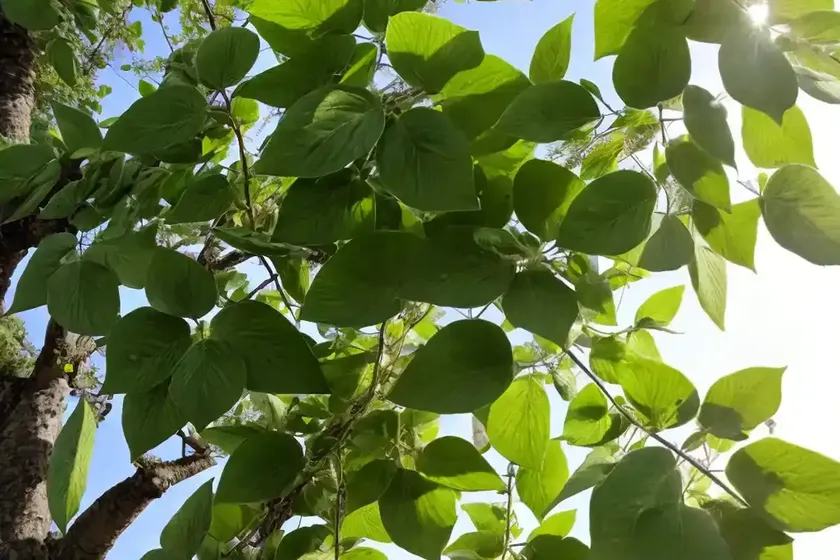
Tilia platyphyllos, commonly known as Large-Leaved Linden, is a deciduous tree belonging to the Tiliaceae family. It is native to Europe and is recognized for its large, heart-shaped leaves and fragrant, yellowish flowers that bloom in late spring and early summer. The tree is also valued for its strong, lightweight timber and is often cultivated for ornamental and practical purposes.
Key Takeaways – Tilia platyphyllos (Large-Leaved Linden)
Before delving into the specific details about the Large-Leaved Linden, let’s have a quick overview of its key takeaways:
- Scientific Name: Tilia platyphyllos
- Family: Tiliaceae
- Common Name: Large-Leaved Linden
- Native Habitat: Europe
- Deciduous Tree: Known for its large, heart-shaped leaves
- Flowering Time: Late spring and early summer
- Fragrant Flowers: Yellowish in color
- Uses: Ornamental tree, timber production, herbal medicine
- Cultural Symbolism: Historically associated with various folklore and traditional beliefs
- Wildlife Habitat: Provides food and shelter for various species
Now that we have a brief understanding of what Tilia platyphyllos is, let’s delve deeper into its characteristics, cultural significance, cultivation tips, and more.
Large-Leaved Linden Care
Proper care is essential for the healthy growth and development of Large-Leaved Linden. By understanding its specific requirements related to water, sunlight, soil, and other factors, gardeners and enthusiasts can ensure that the tree thrives in different environments.
Water
Tilia platyphyllos exhibits moderate water needs. While it can tolerate short periods of drought, it thrives best in moist, well-drained soil. After planting, regular watering is crucial to establish a strong root system. Once matured, the tree can withstand occasional dry spells, but it should be monitored during prolonged periods of drought.
Sunlight
Large-Leaved Linden prefers full sun to partial shade, making it adaptable to a range of light conditions. However, to encourage robust growth and prolific flowering, providing ample sunlight is recommended. In shaded areas, the tree’s growth may be slower, and the flowering potential may be reduced.
Fertilizer
A balanced fertilizer application in the early spring can support the growth and overall health of Large-Leaved Linden. A slow-release, granular fertilizer specifically formulated for trees can be applied around the base of the tree, following the instructions provided by the manufacturer. Over-fertilization should be avoided, as it can lead to excessive foliage growth at the expense of flower production.
Soil
The ideal soil for Tilia platyphyllos is well-drained and nutrient-rich. It can thrive in various soil types, including loamy and clay soils, as long as proper drainage is ensured. Soil pH within the slightly acidic to slightly alkaline range is suitable for the tree. Regular mulching around the base of the tree can help retain soil moisture and improve overall soil quality.
Pruning
Pruning is essential to maintain the shape and structure of Large-Leaved Linden and to remove any dead, damaged, or diseased branches. Pruning should be conducted during the dormant season to minimize stress on the tree. Light pruning can also be performed after the flowering period to enhance the overall appearance and promote healthy growth.
Propagation of Large-Leaved Linden
Large-Leaved Linden can be propagated through various methods, including seed germination, hardwood cuttings, and air layering. Each propagation technique has its specific requirements and may yield varying success rates. Here’s a brief overview of each propagation method:
-
Seed Germination: Large-Leaved Linden seeds can be collected from mature fruits and stratified before sowing. Germination usually occurs in the following spring, and the young seedlings can be transplanted to their permanent location once they are mature enough.
-
Hardwood Cuttings: Selecting healthy, dormant hardwood cuttings from the parent tree and treating them with a rooting hormone can lead to successful propagation. The cuttings are typically planted in a well-draining medium and kept under controlled conditions to encourage root development.
-
Air Layering: This method involves creating a wound on a healthy branch, applying a rooting hormone, and then wrapping the area with a moist medium to promote root formation. Once roots have developed, the newly rooted section can be separated from the parent tree and transplanted.
Each propagation method requires attention to detail, proper timing, and suitable environmental conditions to achieve favorable results.
Large-Leaved Linden in Containers
While Large-Leaved Linden is often cultivated in open landscapes, it can also thrive in containers under the right conditions. When grown in containers, the tree’s care requirements are slightly different, and certain aspects need to be taken into account to ensure its well-being.
Popularity in Containers
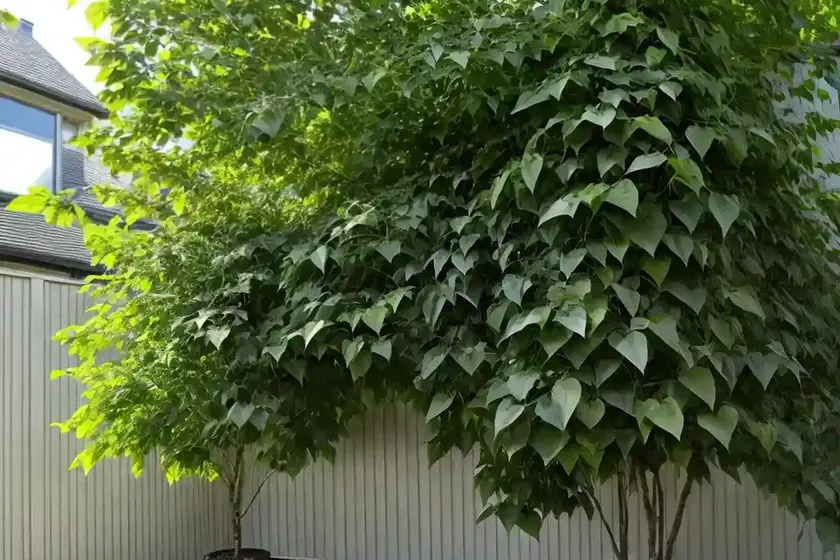
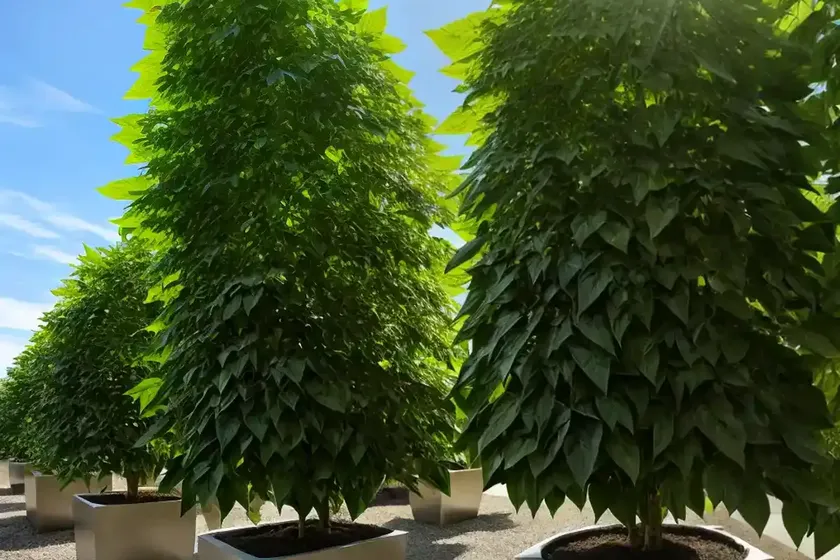
Large-Leaved Linden is a popular choice for container gardening due to its manageable size, attractive foliage, and fragrant flowers. It can serve as a beautiful addition to patios, balconies, and urban landscapes, providing shade and ornamental value in a confined space.
Common Diseases in Container-Grown Large-Leaved Linden
Container-grown Large-Leaved Linden may be susceptible to certain diseases, often related to overwatering, poor drainage, or inadequate air circulation. Some common diseases that can affect container-grown Large-Leaved Linden include:
- Anthracnose: A fungal disease that can cause leaf spots and premature defoliation in humid conditions.
- Powdery Mildew: Another fungal infection that results in a powdery white coating on the leaves, often occurring in warm, dry environments with high humidity levels.
- Root Rot: Excessive moisture and poor drainage can lead to root rot, causing the tree to exhibit wilted foliage and overall decline.
To prevent these diseases, proper watering, adequate air circulation, and well-draining soil are essential. Regular monitoring for signs of disease and prompt intervention can help maintain the health of container-grown Large-Leaved Linden.
Disease Diagnosis and Management
When symptoms of disease appear on container-grown Large-Leaved Linden, a careful diagnosis is essential to identify the specific pathogen responsible. This may involve observing the characteristics of the symptoms, conducting laboratory tests if necessary, and seeking professional guidance.
Management of diseases in container-grown Large-Leaved Linden often involves cultural practices, such as adjusting watering habits, enhancing air circulation, and maintaining proper hygiene around the tree. In some cases, fungicidal treatments may be recommended, following the instructions provided by the product label.
Common Pests
While container-grown Large-Leaved Linden is generally less prone to pest infestations compared to trees in open landscapes, certain pests can still pose a threat to its health. Common pests that may affect container-grown Large-Leaved Linden include:
- Aphids: Small, sap-sucking insects that can cluster on the undersides of leaves, causing distortion and discoloration.
- Scale Insects: These insects often appear as small, waxy bumps on the stems and leaves, leading to yellowing and weakened growth.
- Spider Mites: These tiny arachnids can cause stippling and webbing on the foliage, affecting the tree’s overall vigor.
Regular monitoring and early intervention are essential to manage pest infestations in container-grown Large-Leaved Linden. Natural predators, such as ladybugs and lacewings, can help control aphid populations, while horticultural oils or insecticidal soaps may be used to combat scale insects and spider mites.
Botanist’s Tips for Large-Leaved Linden Care
As a plant scientist deeply familiar with the characteristics and requirements of Large-Leaved Linden, here are some expert tips for successful care and cultivation:
-
Site Selection: When choosing a location for planting Large-Leaved Linden, consider its mature size and ensure that it has ample space to grow without interference from nearby structures or other trees. Select a spot with well-drained soil and adequate sunlight for optimal performance.
-
Mulching: Apply a layer of organic mulch around the base of the tree, extending it to the drip line. Mulch helps retain soil moisture, regulate soil temperature, and suppress weed growth, promoting overall tree health.
-
Pruning: Regular pruning is important for maintaining a balanced canopy, removing dead or diseased branches, and shaping the tree as desired. Always use sterilized pruning tools to minimize the risk of spreading diseases.
-
Pollinator Support: Large-Leaved Linden is a valuable source of nectar for bees and other pollinators. Maintaining a diverse and pollinator-friendly landscape can enhance the tree’s reproductive success and promote biodiversity.
-
Watering: While Large-Leaved Linden can tolerate short dry spells, consistent and adequate watering, especially during periods of drought, can support its overall vitality and flowering potential.
By implementing these tips and staying attentive to the tree’s needs, gardeners can cultivate healthy and vibrant Large-Leaved Linden specimens in various settings.
Fun Facts about Large-Leaved Linden
In addition to its practical uses and ecological significance, Large-Leaved Linden boasts a range of fascinating and intriguing attributes. Here are some fun facts about this remarkable tree:
-
Historical Significance: Large-Leaved Linden has been historically revered and symbolically linked to various cultural traditions and folklore, often associated with themes of protection, wisdom, and renewal.
-
Honey Production: The fragrant flowers of Large-Leaved Linden are sought after by beekeepers, as they yield a high-quality, aromatic honey with distinct floral notes.
-
Medicinal Properties: Throughout history, various parts of the Large-Leaved Linden tree, including its flowers and inner bark, have been utilized in traditional herbal medicine for their potential soothing and calming effects.
-
Ornamental Value: The elegant form, lush foliage, and pleasant fragrance of Large-Leaved Linden make it a sought-after ornamental tree in parks, gardens, and urban landscapes.
-
Wildlife Support: Large-Leaved Linden serves as a valuable resource for wildlife, providing food, shelter, and nesting sites for a variety of bird and insect species.
These fun facts highlight the multifaceted nature of Large-Leaved Linden, showcasing its cultural, ecological, and practical importance.
Links to External Resources
To further enrich your knowledge and understanding of Large-Leaved Linden (Tilia platyphyllos), I recommend exploring the following external resources:
- Royal Horticultural Society – Tilia platyphyllos
- USDA Forest Service – Large-Leaved Linden Factsheet
- Missouri Botanical Garden – Tilia platyphyllos Information
- The Woodland Trust – Large-Leaved Lime (Tilia platyphyllos)
- Plants for a Future – Tilia platyphyllos Utilization
These resources provide valuable insights into the taxonomy, ecology, horticultural aspects, and cultural significance of Large-Leaved Linden, offering a comprehensive perspective on this extraordinary tree.
In conclusion, Large-Leaved Linden (Tilia platyphyllos) enthralls enthusiasts, botanists, and nature lovers with its captivating beauty, ecological importance, and diverse applications. Whether it graces forested landscapes or urban environments, this magnificent tree continues to inspire wonder and appreciation, embodying the profound connections between humans and the natural world. Understanding its characteristics, care requirements, and cultural significance enhances our ability to celebrate and steward the precious legacy of Large-Leaved Linden for generations to come.
As a plant scientist and advocate for biodiversity conservation, I am dedicated to sharing knowledge about the remarkable flora that enriches our lives and ecosystems. If you have any questions or would like to explore other plant species, feel free to reach out. Happy gardening and exploration of the botanical wonders around us!
Disclaimer: The information presented in this guide is based on current botanical knowledge and traditional practices. For specific cultivation and utilization advice, it is recommended to consult local experts and horticultural resources.


