Tibouchina Granulosa (Purple Glory Tree)
Tibouchina granulosa, also known as the Purple Glory Tree, is a stunning tropical tree that is renowned for its vibrant purple flowers and lush foliage..
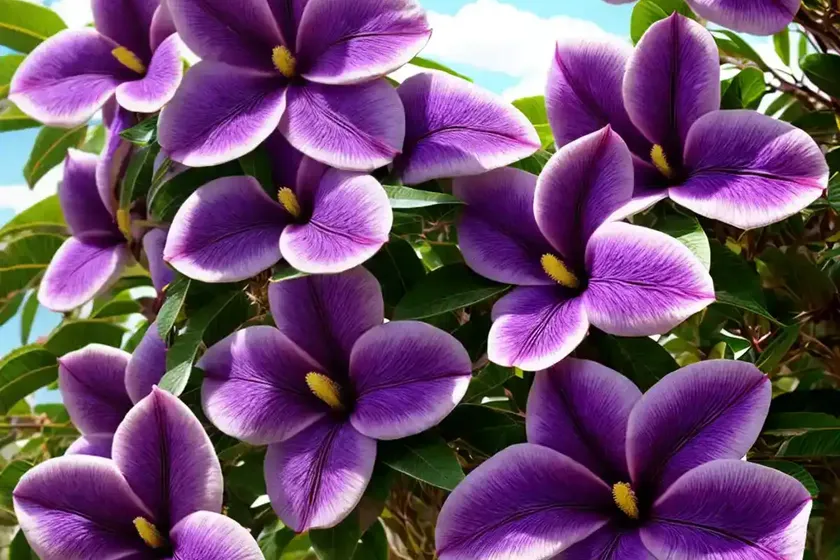
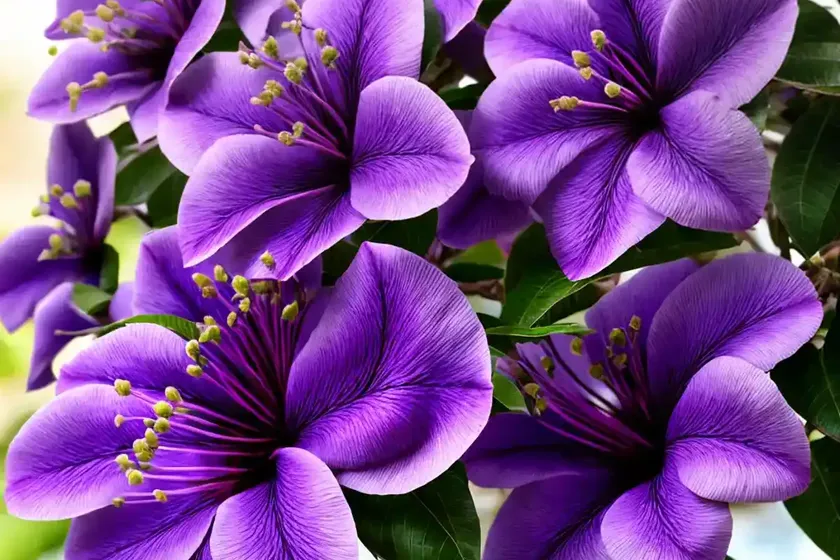
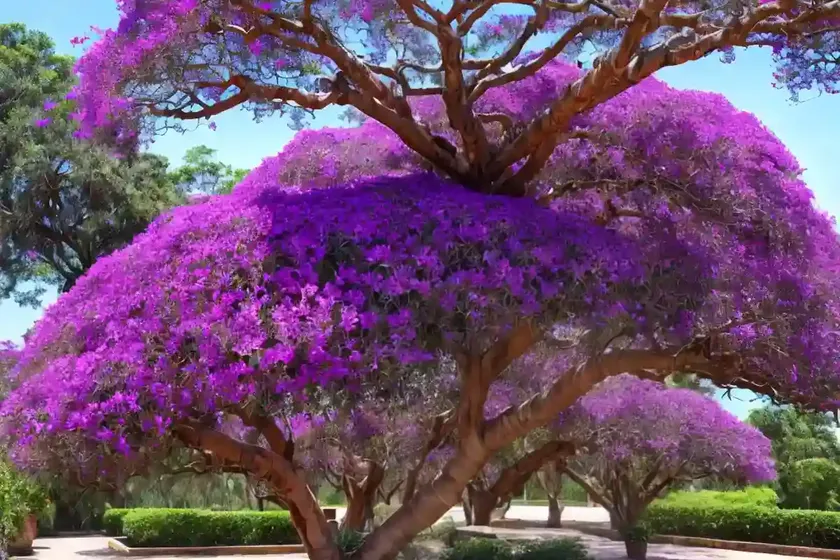
Tibouchina granulosa, also known as the Purple Glory Tree, is a stunning tropical tree that is renowned for its vibrant purple flowers and lush foliage. This species belongs to the Melastomataceae family and is native to Brazil. Its striking appearance, along with its adaptability to different growing conditions, makes it a popular choice among gardeners and landscaping enthusiasts.
In this comprehensive guide, we will delve into the various aspects of caring for Tibouchina granulosa, including its cultural requirements, uses, watering and sunlight needs, fertilizer application, soil preferences, pruning techniques, propagation methods, and common pests and diseases. Additionally, we will explore some interesting facts about this captivating tree, as well as its medicinal and edible uses. Let’s embark on an enlightening journey to discover the wonders of the Purple Glory Tree.
What is Tibouchina granulosa (Purple Glory Tree)?
Tibouchina granulosa, commonly referred to as the Purple Glory Tree, is a species of small to medium-sized flowering tree that is native to the Atlantic rainforest of Brazil. It is characterized by its dense, evergreen foliage and striking, velvety, purple flowers, which bloom profusely, creating a mesmerizing display of color.
The Purple Glory Tree typically reaches a height of 10 to 15 feet, although under optimum conditions, it can grow even taller. The plant’s leaves are elliptical or ovate, and its velvety, deep purple flowers are borne in clusters, creating a breathtaking spectacle when in full bloom.
Apart from its ornamental value, Tibouchina granulosa is also known for its ecological significance, as it provides a vital food source for various pollinators and wildlife, thereby contributing to the biodiversity of its native habitat.
Key Takeaways – Tibouchina granulosa (Purple Glory Tree)
Before delving into the intricacies of caring for the Purple Glory Tree, let’s take a moment to highlight the essential aspects of its cultivation and maintenance.
Culture
- Origin: Brazil
- Family: Melastomataceae
- Common Names: Purple Glory Tree, Glory Bush, Lasiandra, Princess Flower
- Growth Habit: Small to medium-sized tree
- Foliage: Evergreen
- Flower Color: Deep purple
Uses
- Ornamental tree for gardens, parks, and landscapes
- Attracts butterflies and hummingbirds
- Provides food and shelter for wildlife
Water
- Moderate watering needs
- Requires well-draining soil
- Avoid waterlogging
Sunlight
- Thrives in full sun to partial shade
- Prefers bright, filtered light
Fertilizer
- Balanced fertilizer during the growing season
- Apply in early spring and midsummer
- Avoid excessive nitrogen
Soil
- Well-draining, acidic to slightly acidic soil
- Rich in organic matter
- Avoid compacted or waterlogged soil
Pruning
- Light pruning to maintain shape
- Remove dead or diseased branches
- Avoid heavy pruning during the blooming season
Propagation
- Softwood cuttings in spring or summer
- Air layering
- Seed propagation
Container Popularity
- Suitable for container gardening
- Thrives in large pots with adequate drainage
- Requires repotting every 2-3 years
Common Diseases
- Fungal diseases such as powdery mildew and leaf spot
- Proper air circulation and cultural practices can help prevent diseases
Disease Diagnosis
- Monitor for signs of wilting, leaf discoloration, or unusual growth
- Consult a plant professional for accurate diagnosis
Common Pests
- Aphids, scale insects, and spider mites
- Regular inspection and control measures can help manage pests
Botanist’s Tips
- Provide a warm, sheltered location in cooler climates
- Mulch around the base to maintain soil moisture
- Monitor for nutrient deficiencies and adjust fertilizer as needed
Fun Facts
- The Purple Glory Tree is the official flower of the Brazilian city of Maringá.
- Tibouchina granulosa is also known for its cultural importance in traditional Brazilian folklore.
Now that we have gained a comprehensive overview of the Purple Glory Tree, let’s dive into each aspect of its care and cultivation in further detail.
Watering Needs of Purple Glory Trees
Proper watering is crucial for maintaining the health and vitality of Tibouchina granulosa. While this species exhibits some tolerance to dry conditions, consistent moisture is essential, especially during periods of active growth and flowering.
Watering Guidelines
- Frequency: Water the Purple Glory Tree regularly, ensuring that the top inch of soil remains slightly moist. Adjust the frequency based on environmental conditions and soil moisture levels.
- Avoid Waterlogging: Prevent waterlogging by ensuring adequate drainage, particularly in heavy or clay soils. Excessively wet conditions can lead to root rot and other detrimental effects.
Signs of Water Stress
- Wilting: Drooping or wilting leaves may indicate insufficient water availability.
- Leaf Curling: Overly dry soil can cause the leaves to curl and appear desiccated.
- Blossom Drop: Inadequate water supply may lead to premature shedding of flowers.
Watering Method
- Deep Watering: Apply water directly to the root zone, allowing it to penetrate the soil deeply. Shallow watering may result in surface root development, making the tree more susceptible to drought.
Soil Moisture Assessment
- Finger Test: Check the soil moisture by inserting your finger into the soil. If the top inch feels dry, it may be time to water the plant.
- Moisture Meter: Utilize a soil moisture meter to monitor the moisture levels consistently, ensuring that the soil remains adequately moist without becoming waterlogged.
Irrigation Considerations
- Drought Tolerance: Tibouchina granulosa exhibits moderate drought tolerance once established, but supplemental watering is beneficial during extended dry periods.
- Rainfall: Adjust watering frequency during rainy seasons to prevent water accumulation in the root zone.
Sunlight Requirements for Tibouchina granulosa
Proper sunlight exposure plays a pivotal role in the growth, flowering, and overall well-being of Tibouchina granulosa. Understanding the sunlight preferences of the Purple Glory Tree is essential for optimizing its performance in different environmental settings.
Sunlight Preferences
- Full Sun to Partial Shade: The Purple Glory Tree thrives in locations with ample sunlight, ideally receiving full sun for a significant portion of the day. However, it can also tolerate partial shade, particularly in regions with intense afternoon sun.
Light Conditions
- Ideal Exposure: Provide the Purple Glory Tree with direct sunlight for 6-8 hours daily to promote robust flowering and lush foliage.
- Filtered Light: In hotter climates or during periods of extreme heat, situating the plant in filtered light can help prevent leaf scorch and heat stress.
Sunlight Intensity
- Morning Sun: Morning sunlight is generally gentler and beneficial for photosynthesis, fostering healthy growth and flower production.
- Afternoon Shade: Shield the plant from intense afternoon sun, especially in hotter regions, to prevent leaf burn and moisture loss.
Light Availability
- Outdoor Placement: Choose a sunny location in the garden or landscape, ensuring that the Purple Glory Tree receives sufficient sunlight throughout the day.
- Indoor Considerations: When grown indoors, position the plant near a bright window or under supplemental grow lights to mimic natural sunlight conditions.
Sun-Related Considerations
- Seasonal Adjustment: Monitor the sunlight exposure during different seasons, ensuring that the plant receives adequate light, especially during the blooming period.
- Artificial Lighting: In regions with limited sunlight, consider using artificial grow lights to supplement the light requirements of Tibouchina granulosa.
Fertilizing Purple Glory Trees
Proper fertilization is essential for promoting healthy growth, abundant flowering, and overall vigor in Tibouchina granulosa. By providing the right balance of nutrients, gardeners can ensure that the Purple Glory Tree thrives and maintains its ornamental appeal.
Applications
- Balanced Fertilizer: Apply a balanced, slow-release fertilizer to provide a steady supply of essential nutrients without causing excessive vegetative growth.
- Timing: Fertilize Purple Glory Trees in early spring as new growth emerges and again in midsummer to sustain flowering and overall vitality.
Fertilizer Formulation
- NPK Ratio: Look for a fertilizer with a balanced NPK ratio, such as 10-10-10 or 20-20-20, to provide a well-rounded blend of nitrogen, phosphorus, and potassium, along with essential micronutrients.
Dosage and Frequency
- Moderate Application: Use a moderate amount of fertilizer to avoid excessive vegetative growth, which can compromise flowering and overall plant health.
- Avoid Excess Nitrogen: Limit the use of high-nitrogen fertilizers to prevent excessive foliage at the expense of flowers.
Application Technique
- Root Zone Feeding: Apply the fertilizer around the drip line of the tree, ensuring that it reaches the root system effectively.
- Incorporate Slow-Release Formulations: Consider using slow-release fertilizer pellets or granules to provide a continuous nutrient supply over an extended period.
Supplemental Nutrients
- Magnesium and Micronutrients: If leaf yellowing or nutrient deficiencies are observed, consider supplementing with a balanced micronutrient fertilizer or foliar spray.
Soil Nutrient Testing
- Soil Analysis: Periodically conduct a soil test to assess the nutrient status and pH levels, enabling informed adjustments to the fertilizer regimen.
- Professional Consultation: Seek the advice of a horticulturist or agricultural extension service for tailored fertilizer recommendations based on the specific soil conditions.
Best Soil for Tibouchina granulosa
The selection of appropriate soil is vital for ensuring the healthy growth and development of Tibouchina granulosa. By meeting the soil preferences of the Purple Glory Tree, gardeners can create an optimal growing environment that promotes robust flowering and overall vitality.
Soil Composition
- Well-Draining Soil: Choose a soil mix that offers excellent drainage, preventing waterlogging and ensuring aeration of the root system.
- Acidic pH: Tibouchina granulosa thrives in slightly acidic to acidic soil with a pH range of 5.5 to 6.5, providing an ideal medium for nutrient uptake.
Soil Amendments
- Organic Matter: Incorporate organic amendments such as compost, peat moss, or well-rotted manure to improve soil structure and fertility.
- Permeability: Enhance the soil’s permeability by adding coarse materials like perlite or coarse sand, particularly in heavy clay soils.
Soil Textures
- Loamy Soil: Opt for a well-balanced, loamy soil that combines sufficient drainage with moisture retention, promoting optimal root development and nutrient uptake.
- Potting Mix: When growing Tibouchina granulosa in containers, use a high-quality potting mix specifically formulated for woody ornamentals, ensuring adequate aeration and moisture retention.
Soil Preparation
- Amendment Incorporation: Thoroughly mix the organic amendments and soil conditioners into the planting area or container medium before introducing the Purple Glory Tree.
- Soil Testing: Conduct a soil test to assess the pH and nutrient levels, allowing for targeted adjustments prior to planting.
Soil Management
- Mulching: Apply a layer of organic mulch around the base of the tree to conserve soil moisture, suppress weed growth, and maintain a stable root zone temperature.
- Water Retention: Mulching also helps regulate soil moisture, reducing the frequency of irrigation while promoting overall plant health.
Pruning Techniques for Tibouchina granulosa
Pruning is an essential aspect of Tibouchina granulosa maintenance, contributing to the tree’s overall appearance, health, and flowering performance. Proper pruning practices can help maintain an attractive form, promote robust blooms, and eliminate diseased or damaged growth.
Pruning Objectives
- Shape and Form: Use pruning to shape the Purple Glory Tree, maintaining a balanced and aesthetically pleasing structure. Remove excessive or leggy growth to create a more compact silhouette.
Pruning Timing
- Post-Blooming Pruning: Perform light pruning immediately after the blooming period to control size and shape without sacrificing the next season’s flowers.
- Minimize Flower Removal: Avoid heavy pruning during the flowering season to preserve the existing blossoms and encourage new flower bud development.
Pruning Methods
- Selective Trimming: Carefully remove unwanted branches, focusing on crossing or rubbing limbs, deadwood, and overcrowded growth to improve air circulation and light penetration.
- Thinning Cuts: Thin out excessive growth to alleviate congestion within the canopy, ensuring a well-ventilated and open framework.
Pruning Tools
- Clean, Sharp Tools: Use sharp pruning shears or loppers to make clean cuts, minimizing the risk of bark damage and promoting rapid wound healing.
- Disinfection: Disinfect the pruning tools between cuts, particularly when working on diseased or pest-infested branches, to prevent the spread of pathogens.
Pruning Guidelines
- Conservative Approach: Adopt a conservative approach to pruning, particularly when removing live foliage, to maintain the tree’s energy reserves and minimize stress.
- Corrective Pruning: Address structural flaws and irregular growth patterns through selective pruning, promoting a well-balanced and visually appealing form.
Professional Assistance
- Arborist Consultation: For extensive or complex pruning requirements, consider seeking the expertise of a certified arborist or horticultural professional to ensure precise and beneficial pruning practices.
Propagating Tibouchina granulosa
The propagation of Tibouchina granulosa, whether for expanding the plant collection or replenishing aging specimens, can be accomplished through several methods, including softwood cuttings, air layering, and seed propagation. Each technique offers distinct advantages and considerations, enabling gardeners to propagate the Purple Glory Tree successfully.
Softwood Cuttings
- Seasonal Timing: Take softwood cuttings in spring or early summer when the plant’s growth is vigorous, ensuring optimal rooting conditions.
- Preparation: Select healthy, non-flowering stems and cut 4-6 inch sections, removing the lower leaves and applying a rooting hormone before planting.
Air Layering
- Technique Overview: Air layering involves creating a partial stem girdle and enclosing it with a moist medium, promoting the formation of roots at the wounded area.
- Procedure Advantage: Air layering allows for the propagation of larger, more mature branches, generating robust rooted plants.
Seed Propagation
- Seed Harvesting: Collect ripe seeds from the Purple Glory Tree’s fruit capsules and remove any pulp or debris adhering to the seeds.
- Germination Process: Sow the seeds in a well-draining, sterile growing medium and maintain consistent moisture and warmth to facilitate germination.
Propagation Considerations
- Rooting Medium: Utilize a well-draining, sterile propagation medium, such as perlite and peat moss, to encourage root development and prevent disease issues.
- Humidity Management: Maintain a humid environment around the propagules by covering the cuttings or air-layered sections with a clear, vented enclosure.
Success Factors
- Nutrient Support: Provide gentle fertilization to the propagated specimens, supporting their initial growth and establishment in new containers or planting areas.
- Localized Moisture: Ensure adequate soil moisture for the newly propagated plants while avoiding waterlogging, which can impede root development.
Monitoring Progress
- Rooting Assessment: Monitor the progress of the propagated cuttings or air-layered sections, looking for signs of active root growth and overall resilience.
- Transplant Readiness: Once the new plants have established a robust root system, consider transplanting them into larger containers or prepared outdoor sites.
Common Pests of Purple Glory Trees
Despite its resilience, Tibouchina granulosa is susceptible to infestations from various pests, including aphids, scale insects, and spider mites. Regular monitoring and prompt intervention are essential for managing pest pressures and protecting the health of the Purple Glory Tree.
Pest Identification
- Aphids: These small, soft-bodied insects congregate on tender plant parts, sucking sap and excreting honeydew, which can lead to sooty mold development.
- Scale Insects: Scale insects attach themselves to the stems and leaves, draining plant fluids and causing yellowing, wilting, and overall decline.
- Spider Mites: These tiny arachnids infest the undersides of leaves, spinning fine webbing and puncturing plant tissues, resulting in stippled, discolored foliage.
Inspection Techniques
- Visual Inspection: Regularly examine the foliage, stems, and overall plant surface for signs of pest activity, including colonies, webs, honeydew, and leaf damage.
- Magnification: Use a hand lens or magnifying glass to inspect the undersides of leaves and detect minute pests like spider mites and young scale insects.
Pest Management
- Cultural Controls: Maintain plant vigor through proper watering, fertilization, and overall health practices, reducing the plant’s susceptibility to pest infestations.
- Natural Predators: Encourage beneficial insects such as ladybugs, lacewings, and predatory mites, which help control aphids, scales, and spider mites.
Integrated Pest Management (IPM)
- Monitored Intervention: Implement targeted pest control measures based on pest population thresholds and the specific life cycle of the infesting organisms.
- Least-toxic Methods: Utilize organic, least-toxic insecticidal soaps, horticultural oils, and neem-based products to manage pest populations while minimizing environmental impact.
Pest Control Timeline
- Early Detection: Act swiftly upon identifying pest infestations, addressing them before the populations reach damaging levels and compromise the plant’s health.
- Consistent Monitoring: Continue monitoring the Purple Glory Tree for signs of pests, ensuring that intervention measures are effective and sustainable over time.
Professional Assistance
- Diagnostic Consultation: If persistent pest issues are encountered, seek professional assistance from a licensed pest management professional or agricultural extension service for accurate diagnosis and tailored treatment recommendations.
Disease Prevention in Tibouchina granulosa
While Tibouchina granulosa is relatively resistant to diseases, it can occasionally be affected by fungal issues such as powdery mildew and leaf spot. By implementing preventative measures and maintaining optimal growing conditions, gardeners can minimize the risk of disease development and protect the health of the Purple Glory Tree.
Cultural Practices
- Sanitation: Keep the planting area or container surroundings free of fallen leaves, plant debris, and other organic matter that can harbor disease pathogens.
- Air Circulation: Ensure adequate space between plants to promote air circulation, reducing humidity levels and minimizing the risk of fungal diseases.
Water Management
- Avoid Overhead Watering: Minimize water splashing on the foliage, which can contribute to the spread of fungal spores and facilitate disease establishment.
- Moderate Irrigation: Maintain consistent, moderate soil moisture to prevent water stress while avoiding excessive dampness that can encourage fungal growth.
Disease-Resistant Cultivars
- Varietal Selection: When available, consider planting disease-resistant cultivars of Tibouchina granulosa, offering improved resilience to common fungal pathogens.
- Genetic Resistance: Some varieties exhibit inherent resistance to specific diseases, reducing the need for intensive disease management.
Fungicidal Measures
- Preventive Treatments: Apply organic fung


