Glory Bush (Tibouchina Heteromalla)
The glory bush, scientifically known as Tibouchina heteromalla, is a stunning evergreen shrub that belongs to the Melastomataceae family. Native to Brazil.
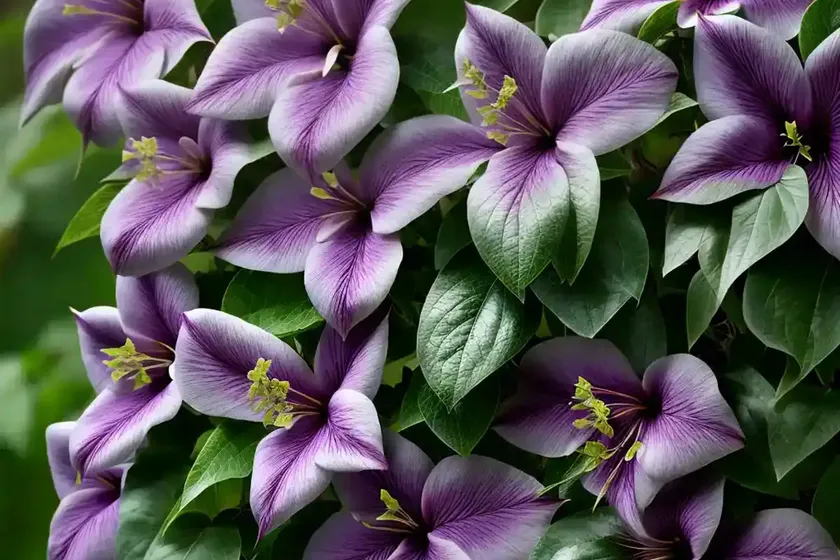
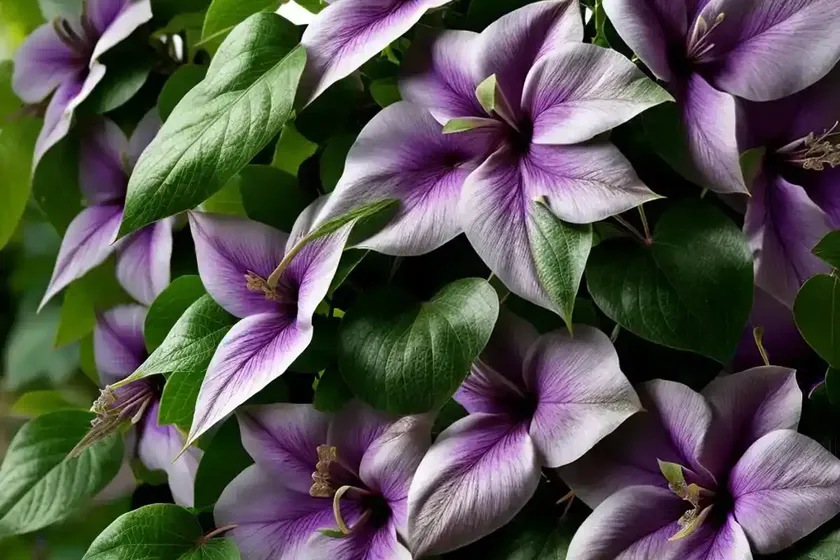
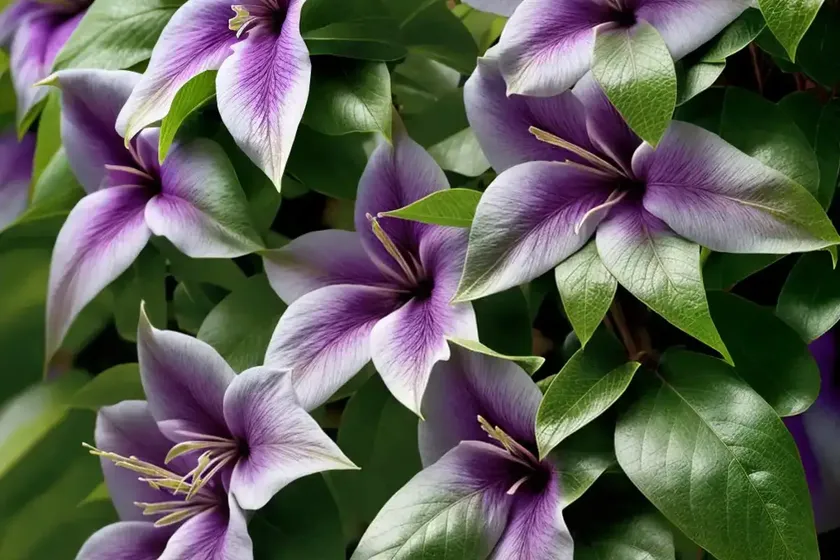
The glory bush, scientifically known as Tibouchina heteromalla, is a stunning evergreen shrub that belongs to the Melastomataceae family. Native to Brazil, this plant has gained immense popularity not only for its vibrant and showy flowers but also for its lush foliage. In this comprehensive guide, we will explore the various aspects of cultivating and caring for this magnificent plant, including its cultural needs, usage, water requirements, sunlight preferences, fertilization, soil conditions, pruning techniques, propagation methods, container gardening, common diseases, and pests, enriched with botanist’s tips, fun facts, and links to external resources.
What is Glory Bush (Tibouchina heteromalla)?
Tibouchina heteromalla, commonly known as glory bush or princess-flower, is an enchanting evergreen shrub characterized by its large, velvety, deep green leaves and striking purple blossoms. The species is part of the Tibouchina genus, comprising around 350 species of trees, shrubs, and herbs that are predominantly found in the neotropics and subtropics. In its natural habitat, this plant can reach impressive heights of up to 10 meters, creating a resplendent canopy of foliage and flowers.
The glory bush is renowned for its unique and visually captivating flowers, which often dominate the landscape with their large, star-shaped, violet blooms. These flowers exhibit a combination of regal elegance and vibrancy, making the glory bush a sought-after ornamental plant in gardens, parks, and landscapes.
Key Takeaways – Glory Bush (Tibouchina heteromalla)
Before delving into the specifics of nurturing the glory bush, let’s understand the key takeaways associated with this botanical wonder:
- Scientific Name: Tibouchina heteromalla
- Common Names: Glory bush, princess-flower
- Plant Type: Evergreen shrub
- Native Range: Brazil
- Prominent Features: Large, velvety green leaves, vibrant violet flowers
- Cultural Uses: Ornamental plant in gardens, landscapes, and tropical/subtropical regions
Now that we have an overview of the glory bush, let’s explore the cultivation and care requirements that will allow you to create a flourishing and visually captivating display in your own garden or landscape.
Glory Bush Care and Cultivation
Cultivating the glory bush entails understanding its specific cultural requirements to ensure optimal growth, flowering, and overall health. From water and sunlight needs to soil conditions and pruning techniques, each aspect plays a crucial role in fostering a thriving glory bush. Let’s delve into each of these components in detail.
Water
When it comes to watering the glory bush, maintaining a delicate balance is essential. While it appreciates a consistent moisture level, it is crucial to avoid overwatering, which can lead to root rot and other related issues. Here are the recommended watering guidelines for the glory bush:
- Optimal Watering: Ensure that the soil is consistently moist, but not waterlogged. A well-draining soil mix is beneficial in regulating the moisture levels effectively.
- Watering Frequency: During the growing season, water the glory bush regularly, particularly during dry spells. Allow the top few inches of soil to dry out before watering again to prevent waterlogging.
- Winter Watering: Reduce watering in the winter months, as the plant’s growth slows down during this period. Only water when the soil begins to dry out, and if there is minimal natural precipitation.
Sunlight
The glory bush thrives in bright, indirect light or partial shade, making it an excellent choice for gardens with diverse light conditions. However, it is essential to shield the plant from harsh midday sun, as excessive sun exposure can lead to leaf scorching. Here are the sunlight requirements for nurturing a healthy glory bush:
- Sunlight Exposure: Ideally, provide the glory bush with dappled sunlight or partial shade.
- Morning Sun: Morning sunlight is particularly beneficial for the plant, as it promotes healthy growth and flowering without the risk of leaf damage.
- Shade Protection: Protect the plant from intense afternoon sun, especially in warmer regions, to prevent sunburn and stress.
Fertilizer
Proper fertilization can significantly enhance the growth and blooming potential of the glory bush. Choosing the right type and application frequency of fertilizer is crucial to promote vigorous growth and abundant flowering. Here are the recommended fertilizer practices for the glory bush:
- Fertilizer Type: Utilize a balanced, slow-release fertilizer formulated for flowering shrubs. Look for a formulation with a higher potassium content to encourage prolific blooms.
- Application Timing: Apply fertilizer in the spring and again in mid-summer to provide essential nutrients during the plant’s active growth phases.
- Even Distribution: Ensure even distribution of the fertilizer around the base of the plant, and water it in thoroughly to facilitate absorption.
Soil
Creating an optimal soil environment for the glory bush is pivotal in ensuring its long-term health and vibrancy. Well-draining, nutrient-rich soil with a slightly acidic to neutral pH level is most conducive to the plant’s growth and development. Here are the key considerations for soil cultivation:
- Soil Type: Use a well-draining, loamy soil mix enriched with organic matter to provide essential nutrients and maintain moisture levels.
- pH Level: Aim for a slightly acidic to neutral pH range of 5.5 to 6.5 for the soil, as this supports efficient nutrient uptake and overall plant health.
- Mulching: Apply a layer of organic mulch around the base of the glory bush to regulate soil moisture and temperature while also providing a steady supply of nutrients as the mulch decomposes.
Pruning
Pruning is an integral aspect of glory bush care, as it helps maintain the plant’s shape, encourages bushier growth, and promotes prolific flowering. By following the appropriate pruning techniques, you can optimize the plant’s aesthetic appeal and overall vigor. Consider the following tips for pruning the glory bush:
- Timing: Prune the plant in late winter or early spring before the onset of new growth. This allows the plant to recover and initiate fresh growth with the arrival of the growing season.
- Pruning Method: Utilize clean, sharp pruning shears to remove dead, damaged, or overgrown branches. Additionally, selectively prune to shape the plant and promote a compact, bushy form.
- Flower Removal: After the flowering season, prune the spent blooms to encourage the development of new flowering shoots and maintain a neat appearance.
Propagation
Propagating the glory bush allows you to multiply your plant collection and share the beauty of this botanical gem with others. By employing appropriate propagation methods, such as stem cuttings or seed germination, you can effectively propagate the glory bush. Here’s an overview of the propagation techniques:
- Stem Cuttings: Select healthy, non-flowering stem cuttings and propagate them in a well-draining potting mix. Maintain consistent moisture and provide indirect light until the cuttings develop roots.
- Seed Germination: Collect seeds from mature glory bush flowers and plant them in a seed-starting mix. Provide adequate warmth and moisture for germination, and transplant the seedlings once they have developed a robust root system.
Container Popularity
The glory bush’s elegant foliage and vibrant blooms make it an attractive candidate for container gardening. Its compact growth habit and ornamental appeal lend themselves well to being showcased in containers, allowing for versatile placement in gardens, patios, and balconies. The following features make the glory bush popular for container cultivation:
- Size Adaptability: The glory bush’s moderate size makes it suitable for growing in containers of varying sizes, catering to both small and large outdoor spaces.
- Aesthetic Value: The striking foliage and colorful flowers of the glory bush serve as captivating focal points in container displays, adding visual interest to the surroundings.
- Seasonal Mobility: As a container plant, the glory bush can be moved to different locations based on seasonal sunlight and temperature preferences, ensuring its optimal growth conditions.
Common Diseases
Despite being relatively resilient, the glory bush is susceptible to certain diseases, particularly when exposed to unfavorable growing conditions. Understanding the common diseases and their diagnosis is pivotal in implementing preventive measures and timely interventions. Here are some of the prevalent diseases affecting the glory bush:
- Leaf Spot: Identified by the appearance of dark, water-soaked spots on the leaves, typically caused by fungal pathogens under damp, humid conditions.
- Powdery Mildew: Manifests as a powdery white substance on the foliage, often due to high humidity levels and poor air circulation.
- Root Rot: Resulting from waterlogging or excessively moist soil, leading to the decay of the plant’s root system and subsequent wilting and decline.
Disease Diagnosis
Diagnosing diseases in the glory bush involves closely observing the plant’s visual symptoms and identifying potential causal factors. By recognizing the signs of common diseases and understanding their underlying triggers, prompt and targeted treatments can be initiated. When diagnosing diseases in the glory bush, consider the following aspects:
- Symptom Assessment: Evaluate the appearance of the foliage, stems, and overall plant health to pinpoint any abnormal characteristics or discoloration.
- Environmental Factors: Assess the prevailing environmental conditions, such as humidity levels, sunlight exposure, and soil moisture, to identify potential disease-contributing factors.
- Pathogen Identification: If possible, inspect the affected plant parts under a magnifying lens to identify the presence of pathogens, including fungi, bacteria, or pests.
Common Pests
Pests can pose a threat to the glory bush, potentially causing damage to the foliage, flowers, and overall plant vigor. Implementing preventative measures and targeted pest control strategies is essential in safeguarding the glory bush from infestations. Here are some of the common pests that may affect the glory bush:
- Aphids: Small, soft-bodied insects that feed on the plant’s sap, leading to stunted growth and distorted leaves.
- Scale Insects: Characterized by their protective waxy covering, scale insects can cause weakening of the plant and leave behind sticky honeydew residue.
- Spider Mites: These tiny arachnids can inflict damage by piercing the plant’s cells and sucking out the contents, leading to yellowing and stippling of the leaves.
Now that we’ve covered the essentials of disease diagnosis and the common pests that can affect the glory bush, let’s delve into the botanist’s tips and fun facts associated with this splendid plant.
Botanist’s Tips
As a plant scientist with a deep appreciation for the natural world, I offer the following tips to cultivate and care for the glory bush, based on years of research and hands-on experience:
- Mulch Maintenance: Regularly replenish the organic mulch around the glory bush, ensuring that it remains at an adequate depth for optimal soil moisture retention and nutrient supplementation.
- Seasonal Pruning: Conduct seasonal pruning to remove any dead or diseased branches, promoting a healthier growth pattern and encouraging abundant flowering in the following season.
- Pest Vigilance: Routinely inspect the foliage for signs of pest infestations, such as stippling, deformed leaves, or the presence of honeydew, and promptly address any pest-related issues.
Fun Facts
Uncover the fascinating world of the glory bush with these intriguing and delightful fun facts:
- The genus name Tibouchina is derived from the native Tupi-Guarani word “tibouch,” denoting the navel, in reference to the shape of the floral tube.
- The vibrant purple flowers of the glory bush are not only visually captivating but also attract a variety of pollinators, including butterflies and hummingbirds.
- In its native habitat in Brazil, the leaves of the glory bush have been traditionally used for their medicinal properties, demonstrating the plant’s cultural significance beyond its ornamental value.
With these insights into the glory bush’s cultivation, care, and unique attributes, you are well-equipped to embark on a rewarding journey of nurturing this captivating plant. To further enrich your understanding of the glory bush, I have curated a list of external resources that offer valuable information and insights into the plant’s diverse aspects.
Links to External Resources
- Tibouchina heteromalla: A Beautiful and Versatile Plant for Your Garden
- Princess Flower, Glory Bush (Tibouchina heteromalla)
- Tibouchina heteromalla Care
- Tibouchina heteromalla (Glory bush)
- Tibouchina Plant Care
By exploring these resources, you can gain further insights, tips, and inspiration that will elevate your journey in cultivating and appreciating the beauty of the glory bush.
In conclusion, the glory bush, with its captivating blossoms and luscious foliage, stands as a botanical marvel that enchants the beholder and enriches the natural landscape. Through attentive care, thoughtful cultivation, and an appreciation for its inherent splendor, the glory bush can grace gardens, landscapes, and container displays with its regal presence and vibrant allure.
With the knowledge, insights, and resources provided, you are poised to cultivate a flourishing and visually stunning presence of the glory bush, and in doing so, partake in the timeless celebration of nature’s bountiful creations.
Happy gardening, and may the splendor of the glory bush enrich your botanical pursuits with its majestic allure and vibrant blooms.
This blog post was authored by a passionate plant scientist dedicated to promoting the cultivation and appreciation of botanical wonders such as the glory bush (Tibouchina heteromalla).


