Thymus X Citriodorus (Lemon Thyme)
Thymus x citriodorus, commonly known as Lemon Thyme, is an aromatic and versatile herb that offers a delightful lemony fragrance and flavor. It is a hybrid.
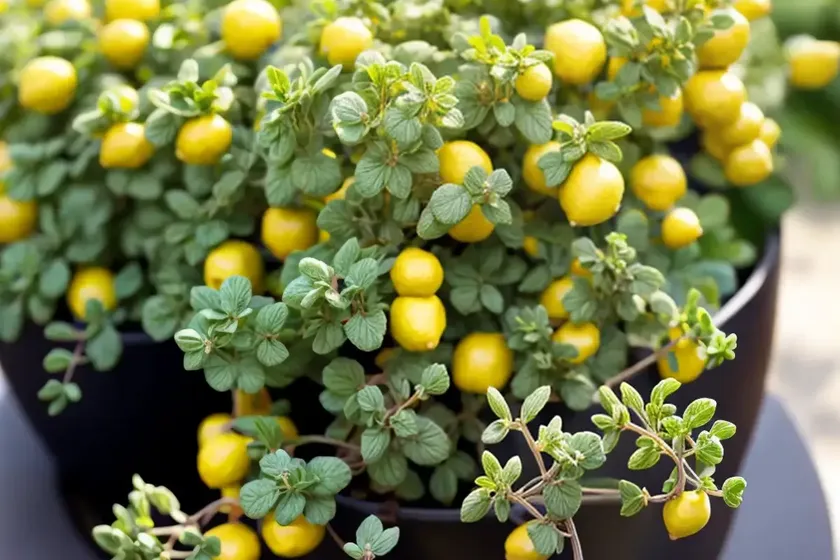
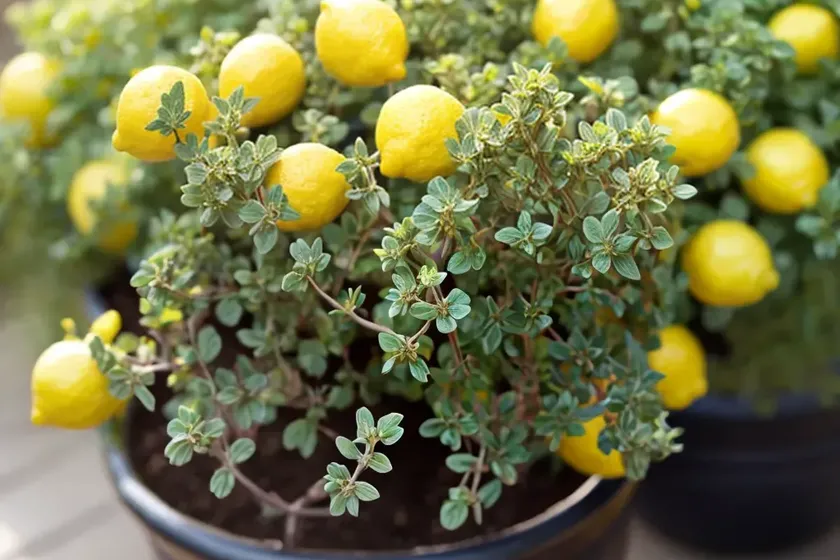
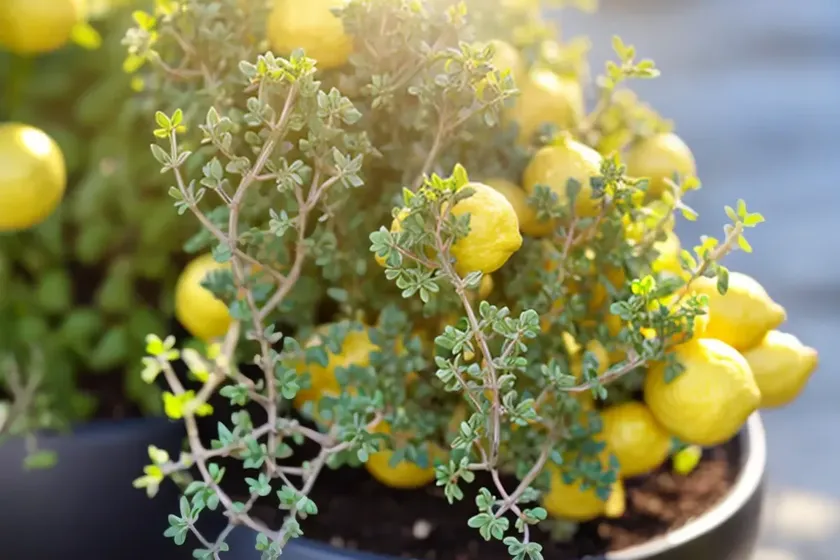
Thymus x citriodorus, commonly known as Lemon Thyme, is an aromatic and versatile herb that offers a delightful lemony fragrance and flavor. It is a hybrid of two Thymus species, Thymus pulegioides (mother of thyme) and Thymus vulgaris (common thyme), and is valued for its culinary, medicinal, and ornamental properties. In this comprehensive guide, we will delve into the various facets of Lemon Thyme, including its culture, uses, care requirements, propagation methods, popular varieties, common diseases and pests, and much more.
What is Thymus x Citriodorus (Lemon Thyme)?
Lemon Thyme, scientifically known as Thymus x citriodorus, is a perennial herb that belongs to the Lamiaceae family, which includes many aromatic plants such as basil, mint, and rosemary. It is characterized by its small, oval-shaped leaves that exude a pleasant lemon fragrance when brushed or crushed. Lemon Thyme is native to southern Europe, particularly the Mediterranean region, and has been cultivated and cherished for centuries due to its diverse uses.
Key Takeaways – Thymus x Citriodorus (Lemon Thyme)
Before delving into the specific aspects of Lemon Thyme, let’s explore the key takeaways of this versatile herb:
- Lemon Thyme, scientifically known as Thymus x citriodorus, is a hybrid of Thymus pulegioides and Thymus vulgaris, and is cherished for its lemony fragrance and flavor.
- It is an aromatic perennial herb that belongs to the Lamiaceae family, native to southern Europe, and is well-regarded for its culinary, medicinal, and ornamental properties.
- Lemon Thyme is commonly used in cooking, herbal medicine, aromatherapy, and landscaping, and is appreciated for its ability to attract pollinators such as bees and butterflies.
- When it comes to care, Lemon Thyme thrives in well-drained soil, requires ample sunlight, and is relatively drought-tolerant once established. It can be propagated through division, cuttings, or seeds.
Now, let’s delve deeper into the various aspects of Lemon Thyme, ranging from its culture and uses to care requirements, common diseases and pests, and more.
Culture
Uses
Culinary Uses of Lemon Thyme
Lemon Thyme is an incredibly versatile herb that adds a delightful citrusy twist to a wide array of culinary creations. Here are some popular culinary uses of Lemon Thyme:
- Flavoring: Lemon Thyme’s fresh or dried leaves are used to infuse dishes with a subtle lemony aroma and flavor. It is a popular ingredient in marinades, dressings, sauces, and seafood dishes.
- Herb Blends: It is often included in herb blends alongside other aromatic herbs such as rosemary, oregano, and sage, adding complexity to the flavor profiles of various recipes.
- Teas and Infusions: The leaves of Lemon Thyme can be steeped in hot water to create a refreshing and aromatic herbal tea with a hint of citrus.
Medicinal Uses of Lemon Thyme
Beyond its culinary uses, Lemon Thyme boasts a range of medicinal properties and has been traditionally employed to address various health concerns. Here are some of its medicinal uses:
- Digestive Aid: Lemon Thyme is believed to aid in digestion and is often used to prepare herbal remedies for indigestion and bloating.
- Antibacterial and Antifungal Properties: It is recognized for its potential antibacterial and antifungal properties, which have been harnessed in traditional medicine for treating infections.
- Aromatherapy: The essential oil derived from Lemon Thyme is used in aromatherapy for its uplifting and invigorating qualities, often incorporated into massage oils and diffuser blends.
Ornamental and Landscaping Uses of Lemon Thyme
In addition to its culinary and medicinal benefits, Lemon Thyme is widely utilized for ornamental and landscaping purposes:
- Ground Cover: Due to its low-growing and spreading nature, Lemon Thyme is employed as a fragrant and visually appealing ground cover in garden beds, rock gardens, and along pathways.
- Pollinator Attractor: The small, delicate flowers of Lemon Thyme, which bloom in hues of white to pale pink, serve as a valuable nectar source for pollinators such as bees and butterflies, supporting biodiversity in gardens and landscapes.
Water
When it comes to watering Lemon Thyme, it’s essential to strike a balance to ensure healthy growth. Here are some key tips for watering Lemon Thyme:
- Well-Drained Soil: Lemon Thyme thrives in well-drained, slightly dry soil, so it’s crucial to avoid waterlogged conditions. Ensure that the soil is well-draining to prevent water from pooling around the roots, which can lead to root rot and other issues.
- Moderate Watering: During the growing season, water Lemon Thyme when the top inch of the soil feels dry to the touch. Allow the soil to partially dry out between waterings, and avoid overwatering, which can be detrimental to the plant’s health.
- Reduced Watering in Winter: In the dormant winter months, scale back on watering, as the plant’s growth slows down. Allow the soil to dry out more thoroughly between waterings, but be mindful not to let it become completely parched.
Sunlight
Proper sunlight is crucial for the healthy growth and development of Lemon Thyme. Here’s what you need to know about providing adequate sunlight for Lemon Thyme:
- Full Sun: Lemon Thyme thrives in full sunlight, requiring a minimum of 6-8 hours of direct sunlight daily to flourish. When grown in a sunny location, the plant produces an abundance of aromatic foliage and flowers.
- Partially Shaded Areas: While Lemon Thyme prefers full sun, it can tolerate some light partial shade, especially in regions with scorching summer temperatures. However, prolonged shade can result in leggy growth and diminished flavor intensity.
Fertilizer
Proper fertilization can provide the necessary nutrients for Lemon Thyme to thrive. Here are some guidelines for fertilizing Lemon Thyme:
- Minimal Fertilization: Lemon Thyme generally thrives in nutrient-poor soil and is not a heavy feeder, so minimal fertilization is required. Excessive fertilization can lead to vigorous but less-flavorful growth.
- Organic Matter: Prior to planting, incorporating organic matter such as compost or aged manure into the soil can enhance its fertility, ensuring a steady supply of nutrients for the plant.
- Balanced Fertilizer: If the soil is particularly poor, a balanced, slow-release fertilizer with an NPK ratio of around 10-10-10 can be applied sparingly in the spring to support healthy growth. However, avoid high-nitrogen fertilizers, as they can promote excessive leafy growth at the expense of flavor.
Soil
The right soil conditions are essential for the optimal growth and vigor of Lemon Thyme. Here’s what you need to know about the soil requirements for Lemon Thyme:
- Well-Drained Soil: Lemon Thyme thrives in loose, well-drained soil with a slightly acidic to neutral pH ranging from 6.0 to 7.0. Soil that retains excess moisture can lead to root rot and other issues.
- Sandy or Loamy Soil: Sandy or loamy soil that provides good drainage is well-suited for Lemon Thyme. Amending heavy clay soil with organic matter can improve its drainage and texture, creating a more hospitable environment for the plant.
- Container Growth: When growing Lemon Thyme in containers, ensure that the potting mix is well-draining and lightweight. A mix formulated for herbs or succulents works well, or you can create a custom blend using peat, perlite, and coarse sand.
Pruning
Proper pruning can help maintain the compact shape of Lemon Thyme and promote robust growth. Here are some key pruning tips for Lemon Thyme:
- Regular Pinching: Throughout the growing season, pinch back the growing tips of Lemon Thyme to promote bushier growth and prevent the plant from becoming leggy. Regular pinching encourages the production of new shoots and foliage, leading to a denser and more attractive appearance.
- Deadheading: Removing spent flowers promptly not only tidies up the plant’s appearance but also encourages the development of new flower buds, extending the flowering period and attracting pollinators.
- Renewal Pruning: Every few years, consider rejuvenating older, woody Lemon Thyme plants by pruning them back more aggressively to stimulate new growth from the base. This helps maintain the plant’s vitality and vigor.
Propagation
Lemon Thyme can be propagated through various methods, providing opportunities to expand your plantings or share it with others. Here are some common propagation techniques for Lemon Thyme:
- Division: Established Lemon Thyme plants can be divided in the early spring, as new growth emerges. Gently lift the plant from the soil, and carefully separate the clumps into individual sections, each with its own set of roots.
- Cuttings: Stem cuttings taken from healthy, non-flowering shoots in the spring or early summer can be rooted to produce new Lemon Thyme plants. Dip the cut end in rooting hormone, place it in a well-draining rooting medium, and provide the appropriate warmth and moisture for successful rooting.
- Seeds: Lemon Thyme can be grown from seeds, although this method requires more time and patience. Sow the seeds in a seed-starting mix indoors, and provide the necessary warmth, light, and moisture for germination.
Container Popularity
Lemon Thyme is well-suited for container growth, offering a delightful and fragrant addition to outdoor and indoor spaces. Here are some reasons for its popularity as a container plant:
- Compact Growth: Lemon Thyme maintains a relatively compact growth habit, making it an excellent candidate for container cultivation. Its cascading habit also lends itself well to trailing over the edges of containers.
- Aromatic Appeal: Placing a container of Lemon Thyme on patios, decks, or windowsills allows for easy access to its aromatic foliage, providing a sensory treat whenever the leaves are brushed or crushed.
- Versatile Uses: Container-grown Lemon Thyme can be positioned near kitchen doors or outdoor dining areas, making it convenient to harvest fresh leaves for culinary use.
Common Diseases
While Lemon Thyme is generally resilient, certain diseases can affect its health if proper care and precautions are not taken. Here are some common diseases that may impact Lemon Thyme:
- Powdery Mildew: In humid or poorly ventilated conditions, Lemon Thyme may be susceptible to powdery mildew, a fungal disease that appears as white or gray powdery patches on the foliage. To minimize the risk, ensure good air circulation and avoid overhead watering.
- Root Rot: Excessive moisture or poorly drained soil can lead to root rot, causing the plant’s roots to decay and negatively impacting its health. To prevent root rot, grow Lemon Thyme in well-drained soil and water it sparingly, allowing the soil to partially dry out between waterings.
Disease Diagnosis
Diagnosing and addressing diseases promptly is crucial to safeguard the health and vitality of Lemon Thyme. Here are some key tips for diagnosing and managing diseases in Lemon Thyme:
- Vigilant Monitoring: Regularly inspect your Lemon Thyme plant for any signs of disease, including unusual discoloration, spots, or distortion of foliage. Prompt detection allows for early intervention, preventing the spread of diseases.
- Cultural Practices: Proper cultural practices, such as ensuring well-drained soil, adequate sunlight, and proper spacing between plants in the garden, can minimize the risk of disease occurrence.
- Targeted Treatments: If a disease is identified, employ targeted treatments such as organic fungicides or adjusting watering practices to address the issue. Consider removing severely affected plants to prevent the spread of diseases to neighboring specimens.
Common Pests
Lemon Thyme is relatively resistant to pests, but certain insect pests may occasionally pose a threat to its well-being. Here are some common pests that may affect Lemon Thyme:
- Aphids: These small, soft-bodied insects may gather on the tender shoots and new growth of Lemon Thyme, sucking sap from the plant and potentially causing deformities or transmitting viral diseases. They can often be dislodged with a strong spray of water or managed using natural predators.
- Spider Mites: Spider mites are tiny arachnids that may infest Lemon Thyme, causing stippling and yellowing of the foliage. Regularly misting the plant, maintaining adequate humidity, and employing predatory mites can help suppress spider mite populations.
Botanist’s Tips
To ensure the flourishing growth of Lemon Thyme, here are some valuable tips based on botanical knowledge and insights:
- Biodiversity Support: Cultivating Lemon Thyme in gardens and landscapes can contribute to supporting biodiversity, particularly by providing a nectar source for bees, butterflies, and other beneficial insects. Embrace the presence of pollinators in the garden, as they play a crucial role in ecosystem health.
- Companion Planting: Consider companion planting with other herbs, such as lavender, sage, and oregano, to create herbaceous ensembles that not only enhance the aesthetic appeal of the garden but also contribute to natural pest management and promote overall garden health.
Fun Facts
Lemon Thyme harbors a range of interesting and noteworthy attributes, some of which include:
- Historical Significance: Lemon Thyme has a rich history, with references to its culinary and medicinal uses dating back to ancient times. It has been an esteemed herb throughout the ages.
- Insect-Repelling Properties: Lemon Thyme is valued not only for its pleasant fragrance but also for its reputed insect-repelling properties, making it a valuable addition to outdoor spaces.
- Versatile Culinary Herb: As a prized culinary herb, Lemon Thyme is cherished for its ability to elevate the flavor profiles of dishes, ranging from soups and stews to marinades and beverages.
Links to External Resources
For further exploration of Lemon Thyme and related topics, here are some valuable external resources:
- Lemon Thyme: A Versatile Culinary Herb
- Growing Thyme
- Medicinal and Aromatic Plants – Lemon Thyme
- Lemon Thyme: The Fragrant and Decorative Ground Cover
In conclusion, Thymus x citriodorus, or Lemon Thyme, offers a myriad of benefits to herb enthusiasts, gardeners, cooks, and herbalists. With its delightful citrusy aroma, culinary versatility, and potential health benefits, Lemon Thyme continues to capture the interest and appreciation of individuals across various spheres. By understanding its culture, uses, care requirements, and other facets, enthusiasts can unlock the full potential of this remarkable herb and harness its benefits to enrich their culinary, medicinal, and horticultural endeavors. Whether gracing a sunny garden bed, trailing from a container, or lending its aromatic allure to a flavorful dish, Lemon Thyme holds a steadfast place in the realm of herbs, valued for its enduring charm and remarkable contributions.


