Thalictrum thalictroides (Rue Anemone): A Fascinating and Versatile Woodland Plant
Thalictrum thalictroides, commonly known as Rue Anemone, is a delicate and charming herbaceous perennial that belongs to the buttercup family, Ranunculaceae. This native plant of North America is admired for its dainty, cup-shaped flowers and lacy foliage. The genus Thalictrum comprises over 100 species, with Thalictrum thalictroides being a standout due to its unique attributes and ecological significance. In this comprehensive guide, we will explore the diverse facets of Rue Anemone, including its cultural significance, ecological role, medicinal uses, and practical tips for its cultivation and maintenance.
What is Thalictrum thalictroides (Rue Anemone)?
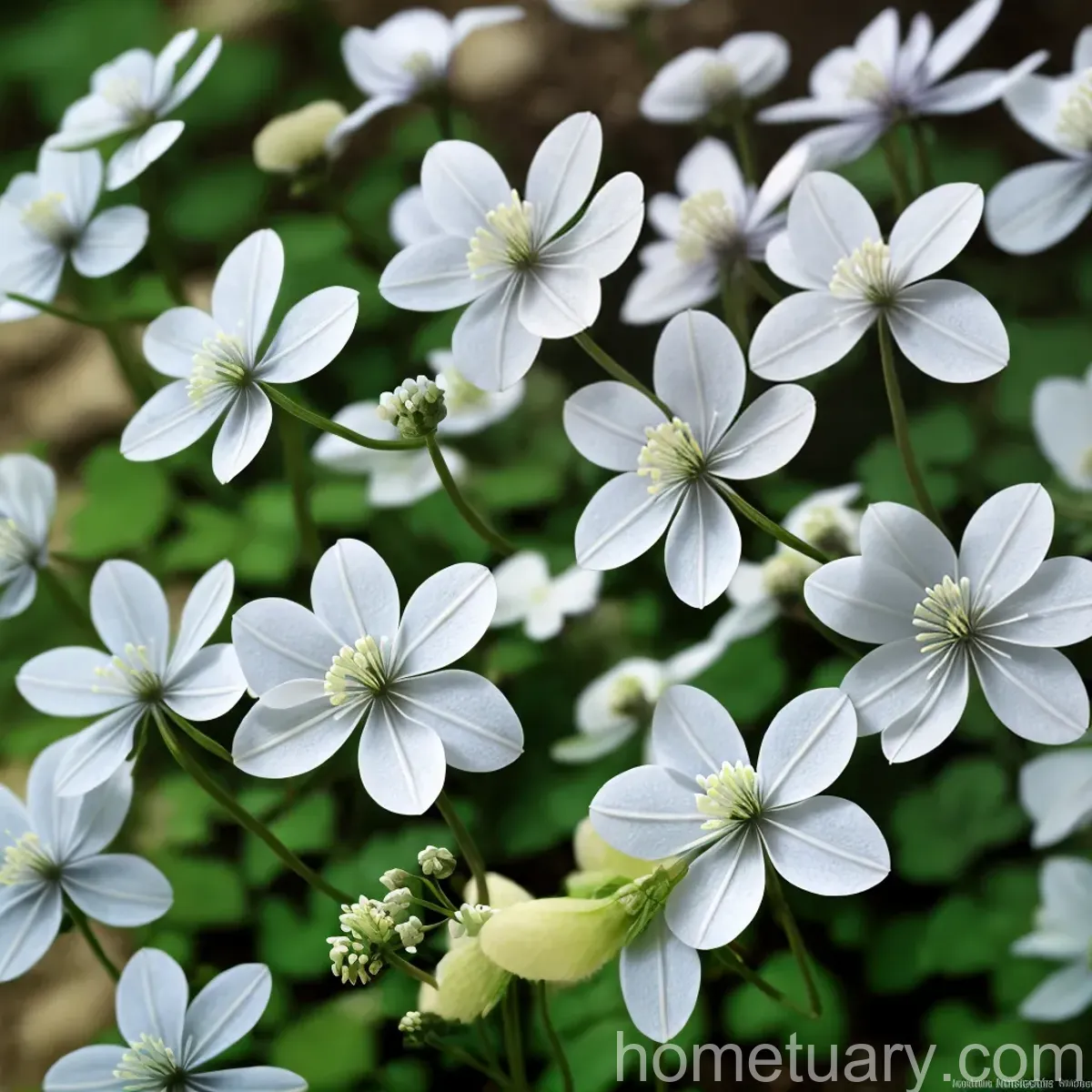
Thalictrum thalictroides, also known as Rue Anemone, is a perennial flowering plant that thrives in the wooded areas of eastern North America. This delicate plant features finely dissected, fern-like leaves and solitary, white to pink, star-shaped flowers that bloom in early spring. Rue Anemone is a valuable addition to woodland gardens, providing an enchanting display of blooms and attracting pollinators, enhancing the biodiversity of its natural habitats.
Key Characteristics and Attributes of Thalictrum thalictroides
- Common Name: Rue Anemone
- Family: Ranunculaceae
- Type: Herbaceous perennial
- Height: 6-12 inches
- Blooms: Early spring
- Flower Color: White, Pink
- Foliage: Deeply lobed, finely divided
- Sunlight: Partial to full shade
- Soil: Moist, well-drained
- USDA Hardiness Zones: 3-8
Key Takeaways – Thalictrum thalictroides (Rue Anemone)
Before delving into the specifics of Rue Anemone’s growing conditions and care requirements, let’s summarize the key takeaways about this enchanting woodland plant.
-
Native Plant: Thalictrum thalictroides is a native plant of North America, specifically thriving in the eastern woodlands.
-
Spring Blooms: Rue Anemone enchants with its delicate, star-shaped flowers that adorn woodland floors in the early spring, heralding the arrival of the growing season.
-
Woodland Adaptation: As a shade-loving plant, Rue Anemone adapts well to the dappled light and cooler conditions prevalent in woodland settings.
-
Perennial Beauty: This herbaceous perennial graces gardens and naturalized areas with its delicate foliage and ethereal blooms year after year.
-
Pollinator Magnet: Thalictrum thalictroides acts as a magnet for early-season pollinators, fostering biodiversity and ecological balance in woodland ecosystems.
Now, let’s explore the intricate details of Rue Anemone’s culture, uses, and the art of cultivating this unique woodland gem.
Culture
Uses of Thalictrum thalictroides
Thalictrum thalictroides, or Rue Anemone, holds various cultural and practical uses, making it an invaluable addition to woodland landscapes and gardens.
-
Ornamental Beauty: Rue Anemone adds a touch of elegance and charm to woodland gardens, naturalized areas, and shaded borders with its delicate flowers and attractive foliage.
-
Wildlife Habitat: As a native plant, Rue Anemone contributes to the ecological fabric by providing food and habitat for native insects, including early-season pollinators.
-
Medicinal Significance: Traditionally, certain Native American tribes utilized Rue Anemone for its medicinal properties, utilizing different parts of the plant for various remedies.
Water
Watering Guidelines for Rue Anemone
-
Moisture Requirements: Rue Anemone thrives in moist, well-drained soil and prefers consistent moisture, especially during the growing season.
-
Irrigation Practices: Mulching around Rue Anemone plants helps conserve soil moisture and minimizes the need for frequent watering. Ensure that the soil doesn’t dry out completely, especially during prolonged dry spells.
Sunlight
Sun Exposure and Requirements for Rue Anemone
-
Shade Tolerance: Rue Anemone is well-adapted to shaded environments, thriving in partial to full shade. It is ideally suited for woodland gardens and shaded borders.
-
Light Conditions: While partial shade is preferred, Rue Anemone can tolerate brief periods of dappled sunlight, especially in the morning or late afternoon.
Fertilizer
Fertilization Practices for Rue Anemone
-
Minimal Fertilization: Rue Anemone generally thrives in nutrient-rich woodland soils and doesn’t require heavy feeding. However, a light application of balanced fertilizer in early spring can support healthy growth and blooming.
-
Organic Amendments: Incorporating well-rotted compost or leaf mould into the soil around Rue Anemone plants in the fall can enhance soil fertility and contribute to long-term plant health.
Soil
Soil Composition for Rue Anemone
-
Preferred Soil Type: Rue Anemone prefers humus-rich, well-drained soils with a slightly acidic to neutral pH range.
-
Soil Texture: The ideal soil texture for Rue Anemone is loamy or sandy loam, offering good drainage and aeration.
-
Soil Amendments: Incorporating organic matter, such as compost or peat moss, into the planting site can enhance soil structure and fertility.
Pruning
Pruning and Maintenance of Rue Anemone
-
Minimal Pruning Needs: Rue Anemone typically requires minimal pruning, primarily for the removal of spent flowers or dead foliage.
-
Post-Blooming Care: After the flowering period, removing the faded blooms and any damaged or withered foliage can promote a tidy appearance and encourage a flush of new growth.
Propagation
Propagation Methods for Rue Anemone
-
Seed Propagation: Rue Anemone can be propagated from seeds, which should be sown in a prepared seedbed or containers in the fall or early spring.
-
Division: Dividing established Rue Anemone clumps in early spring or autumn is an effective method of propagation, yielding new plants with minimal effort.
Container Popularity
Container Gardening with Rue Anemone
-
Container Considerations: Rue Anemone can thrive in containers provided the growing conditions mirror its woodland preferences, such as partial to full shade and consistently moist, well-drained soil.
-
Container Companions: Pairing Rue Anemone with shade-loving companions, such as ferns, hostas, and other woodland perennials, can create captivating container displays.
Common Diseases
Disease Diagnosis and Management for Rue Anemone
-
Powdery Mildew: Rue Anemone may be susceptible to powdery mildew, especially in humid or poorly ventilated conditions. To prevent this, ensure good air circulation and avoid overhead watering.
-
Root Rot: Excessive soil moisture can lead to root rot in Rue Anemone plants. Planting in well-drained soil and avoiding waterlogged conditions can mitigate this risk.
Common Pests
Pest Control for Rue Anemone
-
Aphids: Aphids may occasionally infest Rue Anemone, targeting the tender new growth. Insecticidal soaps or horticultural oils can help manage aphid infestations effectively.
-
Slugs and Snails: These common garden pests may feed on the foliage and flowers of Rue Anemone. Implementing slug and snail control measures, such as barriers or organic baits, can safeguard the plants.
Botanist’s Tips for Thalictrum thalictroides (Rue Anemone)
As a plant scientist and enthusiast, I offer the following expert tips for the successful cultivation and appreciation of Rue Anemone.
-
Woodland Mimicry: When incorporating Rue Anemone in garden settings, mimic its native woodland habitat by creating a cool, shaded environment and enriching the soil with organic matter.
-
Naturalistic Planting: To showcase Rue Anemone’s ethereal beauty, consider naturalistic planting schemes that evoke woodland landscapes, incorporating companion plants and creating a harmonious ecosystem.
-
Wildlife Enhancement: Embrace Rue Anemone as a tool for enhancing wildlife habitat in gardens, attracting early-season pollinators and encouraging biodiversity in urban and suburban landscapes.
Fun Facts about Rue Anemone
Discover some intriguing and delightful facts about Thalictrum thalictroides (Rue Anemone) that showcase its unique appeal and ecological significance.
-
Spring Ephemeral: Rue Anemone is considered a spring ephemeral, a woodland plant that emerges, blooms, and sets seed early in the growing season before going dormant until the following year.
-
Medicinal Traditions: Various indigenous tribes historically used parts of Rue Anemone for medicinal purposes, harnessing its potential as a natural remedy for certain ailments.
-
Symbolic Significance: In folklore and plant symbolism, Rue Anemone is associated with meanings of anticipation, renewal, and the fleeting beauty of spring.
As we delve deeper into the realm of Thalictrum thalictroides, it becomes evident that Rue Anemone possesses a captivating blend of ornamental appeal, cultural significance, and ecological importance. Whether it graces the wild woodlands or takes center stage in cultivated gardens, Rue Anemone stands as a shining example of the diverse and enchanting world of woodland plants.
Join me on this fascinating journey as we explore the unique attributes, growing requirements, and wider implications of incorporating Thalictrum thalictroides in our gardens and landscapes.