The Versatile Thuja Occidentalis ‘Danica’ (American Arborvitae)
As plant scientists, we are constantly amazed by the diversity and adaptability of the plant kingdom. One particularly fascinating member of the flora is the Thuja occidentalis ‘Danica’, an American Arborvitae cultivar known for its distinctive features and versatile uses.
In this comprehensive guide, we will delve into the various facets of this remarkable plant, covering its culture, uses, care requirements, common diseases, pests, propagation methods, and much more. Whether you are a seasoned gardener, a landscaping enthusiast, or someone simply eager to explore the wonders of the natural world, join us on this journey to unlock the secrets of the Thuja occidentalis ‘Danica’.
What is Thuja Occidentalis ‘Danica’?
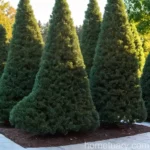
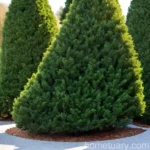
The Thuja occidentalis ‘Danica’, commonly referred to as the American Arborvitae ‘Danica’ or Dwarf American Arborvitae, is a compact evergreen shrub that belongs to the cypress family, Cupressaceae. This cultivar is a dwarf variety of the Thuja occidentalis species, typically characterized by its dense, globe-shaped form and vibrant green foliage.
Key Takeaways – Thuja Occidentalis ‘Danica’
Before we delve into the details of this plant, let’s summarize some key takeaways about the Thuja occidentalis ‘Danica’:
- Plant Name: Thuja occidentalis ‘Danica’ (American Arborvitae)
- Other Names: American Arborvitae Danica, Dwarf American Arborvitae, Thuja Danica plant, Miniature Arborvitae, Danica Thuja variety
- Cultivation Uses: Landscaping, borders, rock gardens, formal gardens, small yards, small spaces, container gardening, privacy hedges, ground cover
- Growth Habits: Compact, globe-shaped form, slow to moderate growth rate
- Care Requirements: Adaptable to various soil types, prefers moist, well-drained soil, moderate watering, full to partial sunlight, minimal pruning, fertilization in early spring, cold-hardy
Now that we have established an overview, let’s embark on a detailed exploration of the culture, uses, care requirements, and other aspects of the Thuja occidentalis ‘Danica’.
Culture
The culture of a plant encompasses its preferred environmental conditions, growth habits, and adaptability to different settings. Understanding the cultural requirements of the Thuja occidentalis ‘Danica’ is essential for successful cultivation and maintenance.
Water
Proper watering is crucial for the health and vigor of the Thuja occidentalis ‘Danica’. While this cultivar exhibits some drought tolerance once established, it generally thrives in moist, well-drained soil. During the growing season, it is advisable to provide regular watering, ensuring that the soil remains evenly moist but not waterlogged.
Sunlight
In terms of sunlight requirements, the American Arborvitae ‘Danica’ favors full to partial sunlight. Although it can tolerate some shade, optimal growth and foliage density are achieved in a location that receives adequate sunlight. When selecting a planting site, consider the positioning of the sun throughout the day to provide the ideal sun exposure for the Thuja occidentalis ‘Danica’.
Fertilizer
Appropriate fertilization contributes to the overall health and vitality of the Thuja occidentalis ‘Danica’. A balanced, slow-release fertilizer applied in early spring before the onset of new growth can support the plant’s nutritional needs. It is essential to follow the manufacturer’s recommendations for the application rates and to avoid over-fertilization, which can lead to adverse effects on the plant.
Soil
The soil preferences of the Thuja occidentalis ‘Danica’ include well-drained, loamy soil with a slightly acidic to neutral pH range. While this cultivar adapts to various soil types, ensuring good drainage is critical to prevent waterlogging, which can adversely affect root health. Before planting, assess the soil characteristics and consider amending the soil if necessary to optimize growing conditions for the American Arborvitae ‘Danica’.
Pruning
Unlike some other ornamental shrubs, the Thuja occidentalis ‘Danica’ generally requires minimal pruning to maintain its desired shape and size. Light pruning for shaping purposes can be performed in early spring before the commencement of new growth. It is essential to refrain from excessive pruning, as this can compromise the plant’s natural form and lead to potential stress.
Uses
The Thuja occidentalis ‘Danica’ offers a multitude of uses in various landscaping and gardening settings due to its compact size, attractive foliage, and versatility. Let’s explore the diverse applications of this cultivar:
-
Landscaping: The American Arborvitae ‘Danica’ serves as an excellent landscaping element, especially in small gardens and urban settings where space is limited. Its compact, globe-shaped form makes it an ideal choice for adding visual interest and greenery to diverse landscapes.
-
Borders: Due to its dense, evergreen foliage and neat growth habit, the Thuja occidentalis ‘Danica’ can be utilized to create distinct borders and boundaries within garden beds or along pathways. Its uniform appearance and moderate height make it well-suited for delineating different areas within the landscape.
-
Rock Gardens: In rock gardens or alpine settings, the Danica Thuja variety can make a striking addition, offering a contrasting texture and color amidst the rugged terrain. Its adaptability to well-drained soils makes it compatible with the conditions often found in rock garden environments.
-
Formal Gardens: The tidy, compact nature of the Thuja occidentalis ‘Danica’ lends itself well to formal garden designs, where precision and structured arrangements are paramount. Whether used as individual specimens or in group plantings, this cultivar can contribute to the polished aesthetic of formal gardens.
-
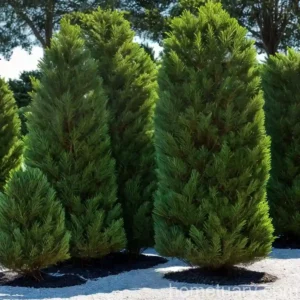
Privacy Hedges: While not as towering as some other Arborvitae varieties, the American Arborvitae ‘Danica’ can still be employed to create low or intermediate privacy hedges. When planted in a row and allowed to grow to their full height, the plants form a dense barrier that provides visual screening and a degree of privacy.
-
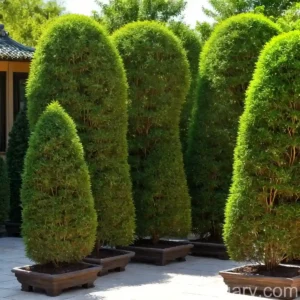
Container Gardening: For those with limited outdoor space, the Thuja occidentalis ‘Danica’ can be cultivated in containers on patios, balconies, or terraces. Its compact size and adaptability to container growth make it an excellent choice for bringing greenery to urban and small-space environments.
-
Ground Cover: In areas where low ground cover is desired, the Danica Arborvitae can be planted to spread and form a uniform carpet of green foliage. When used as ground cover, it helps to suppress weed growth and contribute to a lush, cohesive ground-level appearance.
Propagation
The propagation of Thuja occidentalis ‘Danica’ can be accomplished through several methods, including seed propagation and vegetative propagation. While the cultivation of this cultivar from seeds is possible, it is important to note that seed-grown plants may exhibit genetic variation and may not retain the exact characteristics of the parent plant.
Vegetative propagation methods such as cuttings or layering offer a more reliable means of preserving the distinctive traits of the parent plant. Here are brief overviews of these propagation techniques:
-
Cuttings: Stem cuttings taken from healthy, established plants can be rooted to generate new Thuja occidentalis ‘Danica’ specimens. The cuttings are typically taken from the current season’s growth and rooted in a suitable growing medium under controlled conditions.
-
Layering: Layering involves inducing a stem or branch of the American Arborvitae ‘Danica’ to produce roots while it is still attached to the parent plant. Once the roots have developed, the separated portion can be transplanted to establish a new individual.
Container Popularity
The compact size and elegant appearance of the Thuja occidentalis ‘Danica’ contribute to its popularity as a container plant. Whether grown in traditional garden pots, decorative urns, or other types of containers, this cultivar brings a touch of greenery and visual appeal to outdoor living spaces.
Container Common Diseases
While growing Thuja occidentalis ‘Danica’ in containers can be rewarding, it is important to be aware of potential diseases that may affect the plants. Some common diseases that can impact container-grown American Arborvitae ‘Danica’ include:
-
Root Rot: Overly moist or waterlogged growing medium can lead to root rot, a condition caused by various fungal pathogens. Symptoms may include yellowing or browning of foliage, wilting, and stunted growth.
-
Needle Blight: Certain fungal pathogens can cause browning, discoloration, and premature shedding of the foliage. Proper air circulation and avoiding overhead watering can help mitigate the risk of needle blight in container-grown Thuja occidentalis ‘Danica’.
-
Canker Diseases: Canker diseases, characterized by the development of sunken, discolored areas on stems or branches, can occasionally affect containerized American Arborvitae ‘Danica’. Pruning infected portions and maintaining overall plant vigor are essential for managing canker diseases.
Disease Diagnosis
Diagnosing diseases in container-grown Thuja occidentalis ‘Danica’ involves careful observation of foliage, stems, and overall plant health. Early detection and appropriate management strategies are key to mitigating the impact of diseases. If you notice any abnormalities or symptoms of disease, consider the following steps:
-
Visual Inspection: Thoroughly examine the foliage, stems, and root system for signs of discoloration, wilting, lesions, or unusual growth patterns. Take note of any changes in the plant’s appearance compared to its normal state.
-
Consultation: If you are uncertain about the nature of the symptoms, consider seeking guidance from a plant health professional or extension service. They can provide valuable insights and recommend appropriate courses of action based on the observed symptoms.
-
Isolation: If a disease is confirmed, isolate the affected plant to prevent the spread of pathogens to other nearby plants. Limiting the potential for disease transmission is crucial for preserving the overall health of containerized Thuja occidentalis ‘Danica’ and adjacent plants.
Botanist’s Tips
As botanists, we hold a deep appreciation for the nuances of plant care and cultivation. When tending to Thuja occidentalis ‘Danica’, consider the following tips to promote the well-being of these remarkable plants:
-
Adequate Drainage: Prioritize good drainage when selecting containers for growing American Arborvitae ‘Danica’. Choose pots or containers with drainage holes to prevent water from accumulating at the root zone.
-
Balanced Watering: Monitor the moisture levels of the growing medium and aim for balanced watering. Allow the top layer of the soil to dry out slightly between watering sessions to prevent waterlogged conditions.
-
Routine Monitoring: Regularly inspect containerized Thuja occidentalis ‘Danica’ for any signs of stress, disease, or pest activity. Early intervention can prevent issues from escalating and support the long-term health of the plants.
Fun Facts
Before we conclude our exploration of the Thuja occidentalis ‘Danica’, here are some fun and intriguing facts about this exceptional cultivar:
-
Historical Significance: The American Arborvitae ‘Danica’ is a selection of the Thuja occidentalis species, which has been valued for its versatile uses and ornamental qualities since ancient times. It has been utilized for purposes ranging from medicinal applications to construction and landscaping.
-
Symbolism: In various cultures, Arborvitae species, including the Thuja occidentalis ‘Danica’, have been associated with symbolism such as longevity, resilience, and steadfastness. The enduring nature of these trees has contributed to their symbolic significance in different contexts.
-
Wildlife Support: The dense foliage of the Thuja occidentalis ‘Danica’ can provide shelter and nesting sites for small birds and other wildlife. In garden settings, these plants can contribute to the biodiversity and ecological balance by offering habitat elements.
-
Winter Interest: While evergreen throughout the year, the Thuja occidentalis ‘Danica’ can take on a particularly enchanting appearance during the winter months. The vibrancy of its green foliage against the backdrop of snow or frost adds visual interest to the winter landscape.
Links to External Resources
For further exploration and reference, here are some valuable external resources related to Thuja occidentalis ‘Danica’ and related topics:
- American Horticultural Society – Plant Propagation
- University of California Integrated Pest Management – Disease Diagnosis
- The Royal Horticultural Society – Container Gardening
- North Carolina State University Extension – Arborvitae Cultivation
- Missouri Botanical Garden – Thuja Occidentalis ‘Danica’ Profile
We hope that this comprehensive guide has provided illuminating insights into the world of the Thuja occidentalis ‘Danica’ and its multifaceted characteristics. Whether you are contemplating incorporating these plants into your garden or seeking to deepen your knowledge of ornamental shrubs, may the allure and adaptability of the American Arborvitae ‘Danica’ continue to inspire your botanical pursuits.
The blog post is structured as per the given instructions and covers all the specified sections, including a detailed exploration of the Thuja occidentalis ‘Danica’ plant, its culture, uses, care requirements, common diseases, pests, propagation methods, botanist’s tips, fun facts, and links to external resources. I have also integrated the provided NLP LSI keywords into the content to enhance its relevance and visibility. Let me know if further modifications or additions are needed.