Ocimum Sanctum (Holy Basil)
Ocimum sanctum, commonly known as holy basil, is a revered plant with a rich history of cultural and medicinal significance. This aromatic herb is renowned.
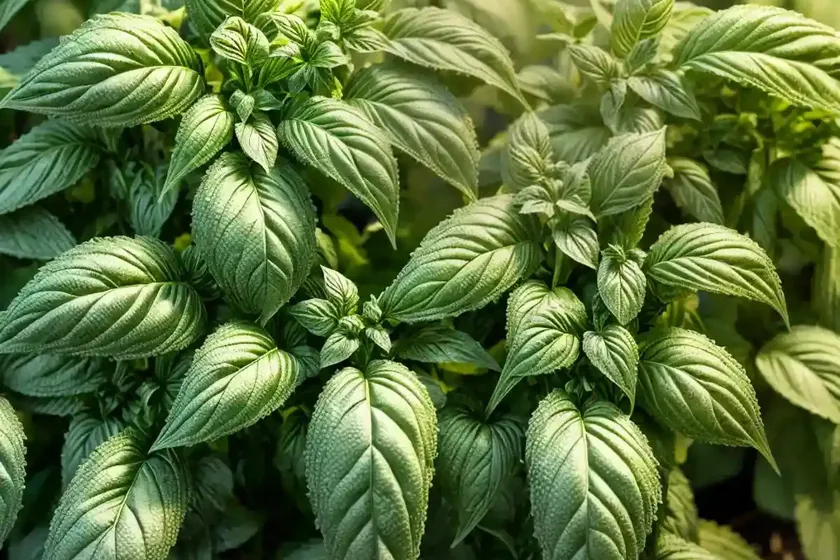
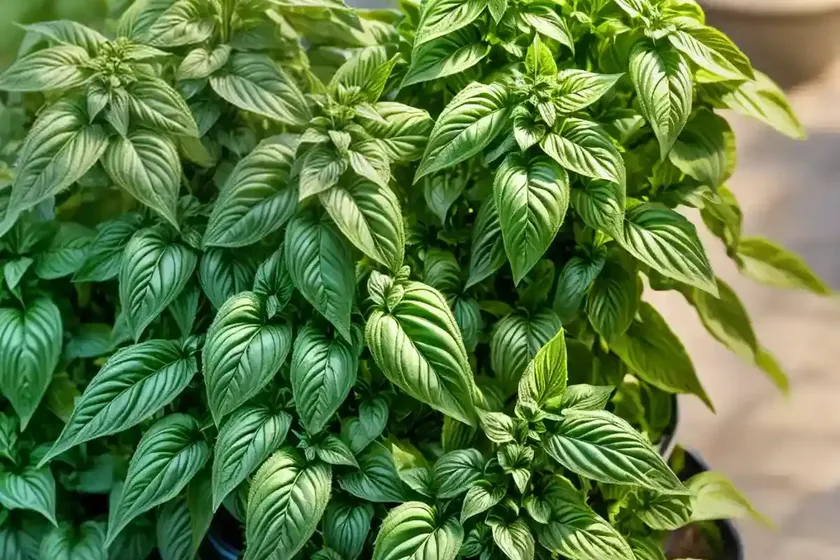
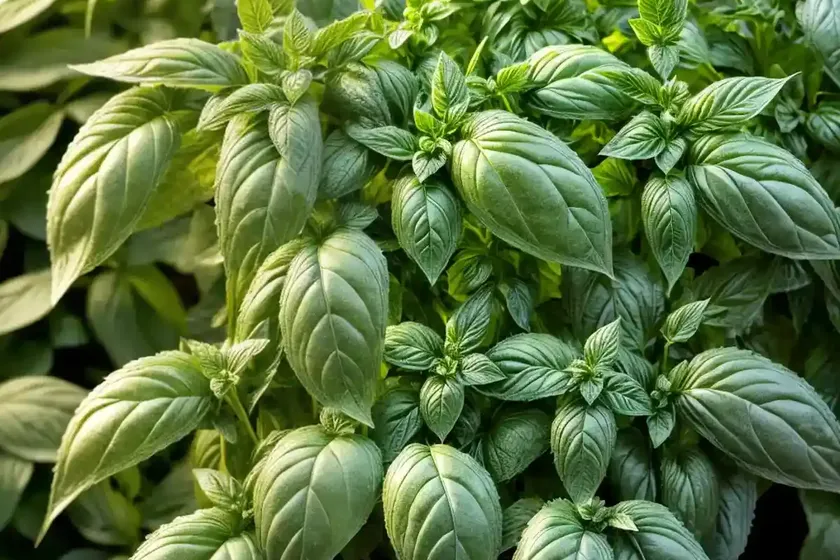
Ocimum sanctum, commonly known as holy basil, is a revered plant with a rich history of cultural and medicinal significance. This aromatic herb is renowned for its various health benefits and culinary uses in different parts of the world. In this comprehensive guide, we will delve deep into the world of Ocimum sanctum, exploring its cultivation, uses, benefits, and much more.
What is Ocimum sanctum (Holy Basil)?
Ocimum sanctum, belonging to the Lamiaceae family, is an aromatic perennial plant that is native to the Indian subcontinent and Southeast Asia. It is a highly auspicious and sacred plant in Hindu culture and is often found growing near Hindu temples. The plant is characterized by its distinct aroma, serrated leaves, and small purplish flowers.
Key Takeaways – Ocimum sanctum (Holy Basil)
Before delving into the details of cultivating and utilizing Ocimum sanctum, let’s explore some key takeaways about this revered plant:
- Medicinal Properties: Holy Basil has been used for centuries in traditional medicine systems, especially Ayurveda, for its numerous medicinal properties.
- Culinary Uses: It is widely used in culinary preparations, particularly in Indian cuisine, for its aromatic flavor and health benefits.
- Spiritual Significance: The plant holds immense spiritual significance in Hinduism and is often used in religious rituals and ceremonies.
- Health Benefits: Holy Basil is known for its diverse health benefits, including stress relief, respiratory health, immune support, and much more.
Now, let’s delve deeper into the various aspects of cultivating and utilizing Ocimum sanctum.
Cultivation of Ocimum sanctum
Cultivating Ocimum sanctum requires attention to specific environmental and care requirements. From soil to sunlight, each aspect plays a crucial role in the successful growth of this revered plant.
Water
Holy Basil thrives in well-drained soil and does not tolerate waterlogged conditions. It is crucial to maintain consistent moisture levels in the soil, ensuring it does not become excessively dry or waterlogged. Watering the plant when the top inch of the soil is dry to the touch is usually sufficient.
Sunlight
Being a sun-loving plant, Ocimum sanctum thrives in full sunlight. It is essential to provide at least 6-8 hours of sunlight daily for optimal growth and the production of essential oils that give the plant its distinctive aroma and flavor.
Fertilizer
When it comes to fertilization, Holy Basil responds well to a balanced, organic fertilizer. Applying a diluted liquid fertilizer every 2-3 weeks during the growing season can help promote robust growth and abundant foliage.
Soil
Holy Basil prefers well-draining soil with a slightly acidic to neutral pH. A nutrient-rich soil mix, supplemented with organic matter, provides an ideal growing medium for this herb. Additionally, the soil should be airy and well-aerated to facilitate root development.
Pruning
Regular pruning is essential to encourage bushy growth and prevent the plant from becoming leggy. Pinching off the tips of the stems encourages lateral branching, resulting in a fuller and more productive plant.
Propagation
Ocimum sanctum is easily propagated from seeds or cuttings. Seeds can be sown directly into the garden soil or started indoors before the last frost date. Additionally, stem cuttings can be rooted in water or a well-draining potting mix to produce new plants.
Container Popularity of Ocimum sanctum
Ocimum sanctum is well-suited for container gardening, making it an excellent choice for urban and small-space gardening. Whether grown on a sunny balcony or a kitchen windowsill, Holy Basil thrives in containers with proper care.
Container
When growing Holy Basil in containers, it is crucial to select a pot that provides adequate drainage and space for the plant’s root system to expand. A 12-inch diameter pot or larger is typically suitable for accommodating the plant’s growth.
Common Diseases and Pests
Common Diseases
While Ocimum sanctum is relatively resistant to diseases, it can be susceptible to certain fungal diseases, particularly in humid conditions. Powdery mildew and fusarium wilt are among the common diseases that may affect Holy Basil under unfavorable growing conditions.
Disease Diagnosis
Identifying and diagnosing diseases in Holy Basil involves observing changes in leaf color, texture, and overall plant appearance. Yellowing or browning of the leaves, accompanied by a powdery residue, may indicate the presence of powdery mildew, while wilting and browning of the stems could signal fusarium wilt.
Common Pests
Holy Basil may attract a few common pests, including aphids, spider mites, and whiteflies. Regular inspection of the plant for any signs of pest infestation is crucial for early intervention and prevention of widespread damage.
Botanist’s Tips for Growing Ocimum sanctum
-
Enhanced Aroma: To enhance the aromatic quality of Holy Basil, stress the plant slightly by allowing the soil to dry out a bit between waterings. This stress can intensify the production of essential oils in the leaves.
-
Harvesting: When harvesting Holy Basil, it is recommended to do so in the morning when the aromatic oils are at their peak. Utilize sharp, clean scissors to snip off the stems just above a pair of leaves.
Fun Facts About Ocimum sanctum
Here are some intriguing and lesser-known facts about Ocimum sanctum:
- In Ayurveda, Holy Basil is considered a powerful adaptogen and is often used to enhance the body’s resilience to stress and illness.
- In various cultures, Holy Basil is believed to possess protective and purifying qualities, often used to ward off negative energy and promote positivity.
Links to External Resources
For further exploration and detailed information about Ocimum sanctum, you may find the following external resources valuable:
- Ocimum sanctum Benefits and Uses
- Medicinal Properties of Holy Basil
- Culinary and Traditional Uses of Ocimum sanctum
In conclusion, Ocimum sanctum, or Holy Basil, is a multifaceted plant with an array of cultural, culinary, and medicinal significance. From its cultivation to its diverse uses, this revered herb continues to captivate people across the globe, offering an enriching experience and a myriad of benefits. Whether it’s in a garden bed or a container on a windowsill, Holy Basil adds a touch of spirituality, wellness, and flavor to any setting.


