Texas Sage (Leucophyllum Frutescens): A Comprehensive Guide
Texas Sage, scientifically known as Leucophyllum frutescens, is a stunning and versatile plant that has gained popularity in landscaping and gardening due to its drought tolerance and low-maintenance characteristics. This article will provide a comprehensive guide to the care, cultivation, characteristics, and uses of Texas Sage, including essential tips for nurturing this ornamental shrub.
What is Texas Sage (Leucophyllum Frutescens)?
Texas Sage, also referred to as Texas Ranger or Barometer Bush, is a species of flowering shrub in the figwort family, Scrophulariaceae. This evergreen perennial is native to the southwestern United States and northern Mexico, where it thrives in arid and semi-arid regions, showcasing its adaptability to harsh environmental conditions.
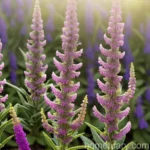
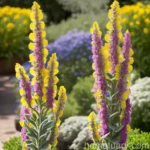
The plant is renowned for its silvery-gray foliage, which provides a stunning contrast to the vibrant violet, lavender, or white blooms it produces, especially after periods of rainfall. With its resilience and ability to thrive in challenging climates, Texas Sage has become a popular choice for xeriscaping and water-conserving landscapes.
Key Takeaways – Texas Sage (Leucophyllum Frutescens)
Before delving into the detailed aspects of Texas Sage care and cultivation, it is beneficial to understand the key takeaways associated with this remarkable plant. The following points summarize the essential characteristics and considerations when cultivating Texas Sage:
- Water Conservation: Texas Sage is an excellent choice for water-conserving landscapes and gardens due to its exceptional drought tolerance.
- Sunlight Requirements: Thrives in full sun exposure and is intolerant to shade, making it a perfect addition to sunny garden spots.
- Low-Maintenance: Known for its minimal care requirements and ability to withstand neglect, ideal for both experienced and novice gardeners.
- Attractive Foliage: The silvery-gray leaves of Texas Sage provide an aesthetic appeal and contrasting backdrop to its vibrant flowers.
- Native Habitat: Originates from arid and semi-arid regions, proving its adaptability to dry and challenging environmental conditions.
- Wildlife Attraction: The flowers of Texas Sage attract pollinators, contributing to its significance in supporting local ecosystems.
Now that the fundamental attributes of Texas Sage have been outlined, let’s proceed to explore the detailed care and cultivation practices that are crucial for nurturing this resilient and captivating plant.
Culture
Cultivating Texas Sage involves understanding its specific cultural requirements to ensure optimal growth and blooming. Several factors, such as water, sunlight, soil, and pruning, influence the overall well-being of the plant.
Water
The water needs of Texas Sage are significantly low once the plant is established. During the initial establishment period, it is essential to provide moderate watering to promote root development. Once the plant has settled, it is highly resilient to drought conditions, making it an ideal choice for water-efficient landscapes.
Texas Sage is particularly sensitive to overwatering, which can lead to root rot and other detrimental conditions. As a xeriscape plant, it thrives in dry conditions and prefers well-draining soil to facilitate moisture regulation. Therefore, it is crucial to allow the soil to dry out between watering sessions, especially in regions with higher precipitation levels.
For gardeners located in regions prone to heavy rainfall, it is advisable to plant Texas Sage in raised beds or incorporate amendments into the soil to improve drainage and prevent waterlogging.
Sunlight
One of the defining characteristics of Texas Sage is its affinity for sunlight. The plant thrives in full sun exposure and exhibits minimal tolerance for shade. When selecting a planting location for Texas Sage, it is crucial to prioritize areas with abundant sunlight to support its photosynthetic processes and promote healthy growth.
Insufficient sunlight exposure can lead to leggy growth and a reduction in flowering, diminishing the ornamental appeal of the plant. Thus, it is vital to position Texas Sage in open and sunny garden spots, ensuring that it receives at least six to eight hours of direct sunlight daily.
The plant’s affinity for sunlight allows it to flourish in hot and arid climates, making it an excellent choice for landscapes in regions with intense solar exposure.
Fertilizer
Texas Sage is known for its adaptability to nutrient-poor soils and, therefore, does not require frequent or intensive fertilization. Excessive fertilization can lead to excessive vegetative growth and may diminish the plant’s ornamental qualities.
As a precautionary measure, a well-balanced fertilizer with a low nitrogen content can be applied during the plant’s active growing season in spring to support its overall health and vigor. However, it is crucial to refrain from over-feeding the plant to prevent adverse effects on its natural growth habit and flowering patterns.
Soil
The soil requirements of Texas Sage align with its preference for well-draining and arid conditions. It thrives in sandy or gravelly soils with excellent drainage capabilities, allowing excess moisture to percolate easily and prevent root suffocation.
The adaptability of Texas Sage to poor soils and challenging environmental conditions makes it an exceptional choice for xeriscaping and water-efficient landscapes. When planting Texas Sage, it is advisable to incorporate organic matter or amendments into the soil to enhance its drainage properties and prevent the occurrence of waterlogged conditions.
Pruning
Pruning is an essential aspect of Texas Sage maintenance, contributing to its aesthetic appeal, rejuvenation, and overall health. The goal of pruning is to shape the plant, promote flowering, and remove dead or diseased branches. As a low-maintenance plant, Texas Sage responds well to infrequent and selective pruning.
Pruning sessions should typically be conducted after the plant’s flowering period to avoid disrupting the upcoming blooming season. It is advisable to use sharp and sterile pruning tools to prevent the transmission of diseases and ensure clean cuts that facilitate rapid healing.
By selectively trimming the plant’s branches and removing spent flowers, gardeners can encourage a compact growth habit and facilitate ample air circulation within the canopy, reducing the risk of disease development.
Propagation
Propagation of Texas Sage can be achieved through various methods, including seed propagation, softwood cuttings, and semi-hardwood cuttings. Each propagation technique offers distinct advantages and may be suitable for different gardening preferences and conditions.
Seed Propagation
Propagation of Texas Sage from seeds is a straightforward method that offers gardeners the opportunity to grow new plants from collected seeds. The process involves harvesting mature seeds from the plant’s capsules and sowing them in well-draining potting mix.
The seeds should be sown at a shallow depth and covered lightly with soil. Maintaining a consistent level of moisture and warmth is essential for encouraging seed germination. Once the seedlings have developed several sets of true leaves, they can be transplanted into individual containers or directly into the garden, depending on the gardener’s preference.
Seed propagation allows for the introduction of genetic diversity and the potential for developing unique cultivars of Texas Sage.
Softwood Cuttings
Softwood cuttings are taken from the tender, actively growing stems of Texas Sage and are typically harvested during the plant’s active growth periods. The cuttings should exhibit healthy foliage and a sufficient length to facilitate successful rooting.
Upon harvesting the cuttings, they should be immediately placed in a rooting hormone to stimulate root development and prevent fungal infections. Subsequently, the cuttings can be inserted into a well-draining rooting medium and placed in a warm and humid environment to encourage the emergence of roots.
Softwood cuttings provide a rapid and reliable method of propagating Texas Sage while preserving the desired characteristics of the parent plant.
Semi-Hardwood Cuttings
Semi-hardwood cuttings are obtained from the slightly matured and hardened stems of Texas Sage, primarily harvested during late summer or early fall. The semi-hardwood cuttings possess the ideal balance between lignification and succulence, promoting successful root formation and subsequent establishment.
Similar to softwood cuttings, the semi-hardwood cuttings should be treated with a rooting hormone to enhance their capacity for root development. Following this, they can be placed in a well-draining rooting medium and maintained in a warm and humid environment to promote root emergence.
The utilization of semi-hardwood cuttings provides an effective means of reproducing Texas Sage while ensuring the propagation of desirable genetic traits and characteristics.
Container Popularity
Texas Sage has gained significant popularity as a container plant due to its compact growth habit, ornamental qualities, and adaptability to confined spaces. Cultivating Texas Sage in containers offers a myriad of advantages, including the flexibility to relocate the plant, the ability to create captivating patio and balcony displays, and the capacity to facilitate optimal soil conditions for the plant’s growth.
When selecting a container for Texas Sage, it is imperative to prioritize ones with ample drainage holes to prevent waterlogging and facilitate proper moisture regulation. Additionally, the container should be sufficiently spacious to accommodate the plant’s root system and provide room for its growth and development.
Container-grown Texas Sage requires regular monitoring of soil moisture levels and may necessitate more frequent watering compared to plants cultivated in the ground. Therefore, it is essential to maintain a balance between adequate moisture provision and the prevention of waterlogged conditions to ensure the successful cultivation of Texas Sage in containers.
Common Diseases
Texas Sage is relatively resistant to diseases and pests, owing to its robust constitution and adaptability to challenging environmental conditions. However, certain environmental factors and cultural practices may predispose the plant to specific ailments, including fungal infections and physiological disorders.
Disease Diagnosis
Diagnosing diseases in Texas Sage involves recognizing the symptoms associated with common fungal infections and environmental stressors. Symptoms such as leaf spot, powdery mildew, and root rot may manifest under unfavorable conditions, indicating the presence of potential diseases that require prompt intervention.
Upon identifying symptoms of disease, it is crucial to implement appropriate management practices, such as adjusting irrigation practices, improving air circulation, and applying suitable fungicidal treatments to mitigate the progression of the infection and restore the plant’s health.
Common Pests
Texas Sage is relatively resilient to pest infestations, particularly due to its drought tolerance and aromatic foliage, which deters many adversaries. However, certain pests may pose a threat to the plant’s well-being, necessitating vigilant monitoring and preventive measures to ensure its protection.
The following pests are known to potentially affect Texas Sage:
-
Spider Mites: These minuscule pests may target the undersides of the plant’s leaves, leading to the development of stippling and webbing. Regularly inspecting the foliage and employing natural predators or horticultural oils can mitigate spider mite infestations.
-
Whiteflies: Whiteflies are small, winged insects that may gather in large numbers on the undersides of the plant’s leaves, causing leaf yellowing and reduced vigor. Control measures, such as introducing natural predators or applying insecticidal treatments, can effectively manage whitefly populations.
-
Aphids: Aphids are sap-sucking insects that can weaken the plant and excrete honeydew, leading to the development of sooty mold. Regularly monitoring the plant and employing insecticidal measures when necessary can prevent detrimental aphid infestations.
By promptly addressing pest infestations and implementing appropriate control measures, gardeners can safeguard the health and vitality of Texas Sage, ensuring its continued ornamental appeal and resilience.
Botanist’s Tips
For individuals seeking to cultivate Texas Sage and maximize its ornamental potential, adhering to the following botanist’s tips is crucial for successful propagation and maintenance:
-
Selective Pruning: Employ selective pruning to shape the plant, remove spent flowers, and promote compact growth, enhancing the plant’s aesthetic appeal and longevity.
-
Monitoring Soil Moisture: Regularly monitor soil moisture levels to prevent waterlogging and maintain appropriate moisture conditions, especially for container-grown Texas Sage.
-
Planting Considerations: When planting Texas Sage in the ground, prioritize areas with excellent drainage and ample sunlight to facilitate optimal growth and flowering.
-
Disease Prevention: Implement preventative measures, such as improving air circulation and avoiding overhead irrigation, to minimize the risk of fungal diseases and physiological disorders.
-
Pest Management: Adopt integrated pest management approaches, incorporating natural predators and selective insecticidal treatments to control pest populations effectively.
By incorporating these botanist’s tips into the cultivation and maintenance of Texas Sage, individuals can ensure the successful growth and development of this resilient and visually striking plant.
Fun Facts
As a plant with unique characteristics and cultural significance, Texas Sage is accompanied by several intriguing and noteworthy fun facts that showcase its distinctiveness:
-
Rain-Triggered Blooms: Texas Sage is renowned for its propensity to produce prolific blooms following periods of rainfall, resulting in an impressive display of vibrant flowers that captivate both gardeners and onlookers.
-
Aromatic Foliage: The silvery-gray foliage of Texas Sage emits a pleasant and distinctive fragrance, contributing to its appeal as a sensory-enhancing plant in garden landscapes and outdoor spaces.
-
Pollinator Attraction: The flowers of Texas Sage attract a diverse array of pollinators, including butterflies, bees, and hummingbirds, supporting local ecosystems and enhancing biodiversity in garden environments.
-
Cultural Significance: Texas Sage holds cultural significance in arid regions, where it serves as a symbol of resilience, adaptability, and natural beauty, reflecting the enduring qualities of the landscapes it inhabits.
-
Drought Tolerance: Texas Sage’s exceptional drought tolerance and water-conserving qualities position it as a model plant for xeriscaping initiatives and sustainable gardening practices.
Links to External Resources
To further expand your knowledge and expertise in cultivating and nurturing Texas Sage, the following links to external resources provide valuable insights, tips, and additional perspectives on the plant:
- University of Florida IFAS Extension – Texas Sage for the Landscape
- Texas A&M AgriLife Extension – Texas Sage: Durable in the Landscape
- Arizona Municipal Water Users Association – Plant of the Month: Texas Sage
We hope that this comprehensive guide has equipped you with the knowledge and insights necessary to cultivate and appreciate the remarkable qualities of Texas Sage (Leucophyllum frutescens). By embracing its adaptability, resilience, and ornamental appeal, you can integrate this captivating plant into your landscape, contributing to the sustainability and visual allure of your outdoor spaces.
Remember to embrace the unique characteristics of Texas Sage and celebrate its capacity to thrive in challenging environmental conditions, embodying the enduring beauty of arid landscapes and xeriscape gardens. Happy gardening!