Plant Scientist’s Guide to Verbascum Pyramidatum
In this comprehensive guide, we will explore everything you need to know about verbascum pyramidatum. From its cultural requirements to its medicinal uses, landscaping potential, and common diseases and pests, this article is your ultimate resource for understanding, cultivating, and enjoying this remarkable plant.
What is Verbascum pyramidatum?
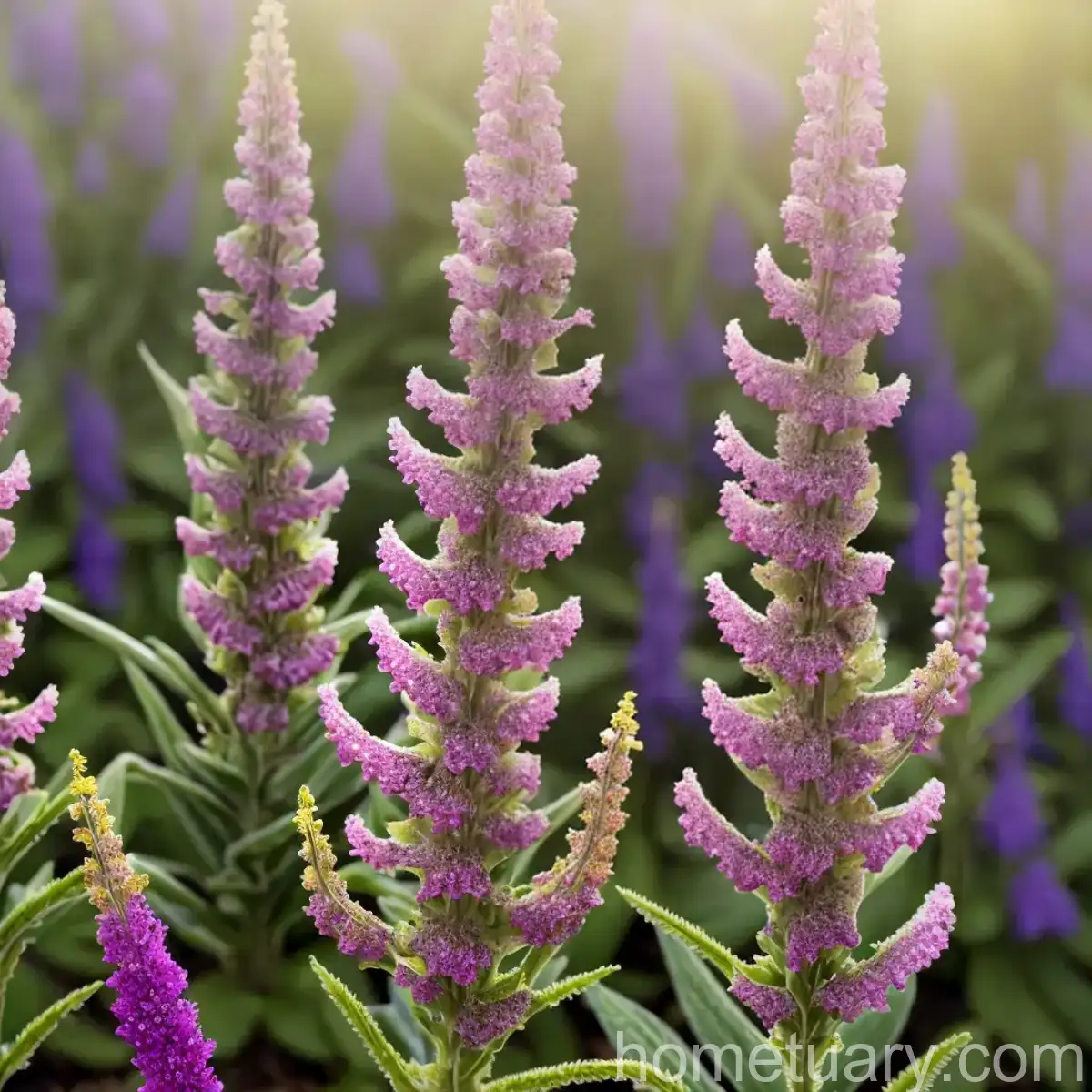
Verbascum pyramidatum, commonly known as the Pyramidal Mullein, is an herbaceous perennial plant belonging to the Scrophulariaceae family. This striking plant is native to the Caucasus region and is characterized by its towering, spire-like inflorescence adorned with numerous small, sulfur-yellow flowers.
The verbascum pyramidatum plant features densely clustered, lance-shaped leaves and can reach a height of 5 to 7 feet (1.5 to 2 meters). Its impressive floral display, coupled with its low maintenance requirements, makes it a desirable addition to gardens, landscapes, and natural habitats.
Key Takeaways – Verbascum pyramidatum
Before delving into the specifics of caring for verbascum pyramidatum, let’s summarize the key takeaways that will be covered in detail throughout this guide:
- Culture: Understanding the ideal growing conditions for verbascum pyramidatum.
- Uses: Exploring the diverse applications of this plant, from medicinal to ornamental.
- Water: Learning about the plant’s water requirements for optimal growth and health.
- Sunlight: Determining the best sun exposure for verbascum pyramidatum.
- Fertilizer: Identifying the appropriate fertilization regimen for this plant.
- Soil: Understanding the preferred soil conditions to support healthy growth.
- Pruning: Tips on when and how to prune verbascum pyramidatum for vigor and aesthetics.
- Propagation: Exploring methods for propagating this plant to expand your collection or share with others.
- Container Popularity: Assessing the suitability of verbascum pyramidatum for container gardening.
- Common Diseases: Recognizing and managing potential diseases that may affect this plant.
- Common Pests: Identifying and addressing common pests that may target verbascum pyramidatum.
- Botanist’s Tips: Expert insights and tricks for successfully cultivating and enjoying this plant.
- Fun Facts: Uncovering intriguing and lesser-known facts about verbascum pyramidatum.
- Links to External Resources: Providing additional reading and reference materials for further exploration.
Culture
Uses
-
Medicinal: Verbascum pyramidatum has been historically used for its medicinal properties, particularly in herbal remedies and traditional medicine. It is valued for its purported benefits in treating respiratory ailments and inflammation.
-
Ornamental: With its impressive floral display and striking form, verbascum pyramidatum is favored as an ornamental plant, adding vertical interest to gardens and landscapes and attracting pollinators like bees and butterflies.
Water
Verbascum pyramidatum thrives in well-drained soil and prefers moderate water levels. It is important to avoid overwatering, especially in heavy or waterlogged soils, as this can lead to root rot and other issues. During periods of drought, supplemental watering may be necessary to support healthy growth and flowering.
Sunlight
This plant flourishes in full sun to partial shade, with at least 6 hours of direct sunlight per day being ideal for robust growth and prolific flowering. Adequate sunlight helps in promoting strong, upright growth and vibrant blooms.
Fertilizer
When growing verbascum pyramidatum, it is advisable to incorporate a balanced, slow-release fertilizer into the soil during planting. Additionally, a light application of a general-purpose fertilizer in early spring can provide the necessary nutrients for vigorous growth and abundant flowering.
Soil
Verbascum pyramidatum thrives in well-drained, loamy soil with a slightly alkaline to neutral pH. It is important to avoid waterlogged or overly compacted soils, as they can impede root development and lead to issues such as root rot. Amending the soil with organic matter, such as compost, can improve its structure and fertility.
Pruning
Pruning is an important aspect of caring for verbascum pyramidatum. To maintain the plant’s vigor and appearance, it is recommended to prune spent flower spikes and remove any damaged or diseased foliage. Additionally, deadheading can prolong the blooming period and encourage the production of new flowering spikes.
Propagation
Seed Propagation
Verbascum pyramidatum can be propagated from seeds, which are typically sown indoors in early spring or directly in the garden after the last frost date. Sow the seeds on the soil surface and lightly press them into the soil, as they require light for germination. Once established, the seedlings can be transplanted to their permanent growing locations.
Root Division
Another method of propagating verbascum pyramidatum involves division. This can be done in early spring or fall by carefully dividing the plant’s root mass and replanting the divisions in suitable growing sites. Proper care and adequate moisture following division can support the establishment of the divided segments.
Container Popularity
While verbascum pyramidatum is often grown in garden beds and naturalized settings, it also thrives in containers, making it a versatile option for both large and small outdoor spaces. When choosing a container, ensure that it has drainage holes to prevent waterlogging. Additionally, selecting a well-draining potting mix and providing appropriate sunlight can support the plant’s growth and floral display.
Common Diseases
Disease Diagnosis
Verbascum pyramidatum is generally resistant to most diseases, but it can be susceptible to issues such as powdery mildew in conditions of high humidity and poor air circulation. Regular monitoring of the plant for any signs of disease, such as discolored or distorted foliage, can aid in early diagnosis and prompt intervention.
Common Pests
Verbascum pyramidatum is relatively resistant to pest infestations, but it may occasionally attract moths, caterpillars, and aphids. Keeping the growing area clean and free of debris can help deter potential pests. If pest problems arise, consider employing natural predators or implementing targeted interventions to manage the infestations effectively.
Botanist’s Tips
- When planting verbascum pyramidatum, consider its mature height and spread to allow ample space for growth and the development of its impressive floral spikes.
- Light pruning and deadheading can promote a neat and tidy appearance while encouraging continuous blooming throughout the growing season.
- Verbascum pyramidatum can make a stunning focal point in perennial borders and mixed planting schemes, especially when complemented by plants with contrasting colors and textures.
- While the plant’s ornamental features are captivating, it also serves as a valuable source of nectar and pollen for beneficial pollinators, contributing to the health of local ecosystems.
- Incorporate verbascum pyramidatum into xeriscape gardens and native plant landscapes, where its drought tolerance and adaptability can be fully appreciated.
Fun Facts
- The term “verbascum” is derived from the Latin word “barbascum,” meaning “bearded,” in reference to the hairy filaments present on the plant’s flowers and stems.
- In folklore and traditional medicine, verbascum species were often associated with protective and cleansing properties, and they were used in various rituals and remedies.
- Verbascum pyramidatum has a rich history of cultivation and use, with documented instances of its presence in herbal and medicinal practices dating back centuries.
- Its towering floral spikes, often reaching over 6 feet in height, make it a captivating feature in the garden, particularly when backlit by the sun or swaying gently in the breeze.
Links to External Resources
For further information on Verbascum pyramidatum, we recommend exploring the following resources:
- Royal Horticultural Society – Verbascum pyramidatum
- Missouri Botanical Garden – Verbascum pyramidatum
- Plant Heritage – Verbascum pyramidatum
In conclusion, Verbascum pyramidatum is a remarkable plant with diverse applications and a captivating presence in gardens and landscapes. By understanding its cultural requirements, uses, and potential challenges, plant enthusiasts can cultivate and appreciate this species to its fullest potential, whether in traditional medicinal practices, ornamental gardens, or naturalistic settings. We hope this guide has provided valuable insights and practical tips for successfully growing and enjoying Verbascum pyramidatum in various settings.
By incorporating this striking plant into your outdoor spaces, you can enhance biodiversity, attract beneficial wildlife, and contribute to the beauty and vitality of your garden or landscape. Whether you are drawn to its ornamental qualities, ecological value, or historical significance, Verbascum pyramidatum is a plant that truly stands out in the botanical world.
Verbascum pyramidatum is indeed a versatile and resilient addition to any garden, offering a captivating display of floriferous spires and contributing to the health of pollinators and local ecosystems. With proper care and consideration of its growing requirements, you can cultivate and enjoy the many benefits of this remarkable plant.