Wallflower (Erysimum Cheiri) – A Fragrant and Colorful Addition to Your Garden
When it comes to a versatile and visually appealing addition to any garden, the Wallflower (Erysimum Cheiri) certainly stands out. This delightful plant is renowned for its vibrant colors, fragrant blooms, and easy-to-care-for nature. Whether you are an experienced gardener or just starting, the Wallflower is a plant that offers a plethora of benefits and is a valuable addition to any landscape.
What is the Wallflower (Erysimum Cheiri)?
The Wallflower, scientifically known as Erysimum Cheiri, is a species of flowering plant in the family Brassicaceae. It is native to the Mediterranean region and is prized for its vibrant flowers and delightful fragrance. The plant derives its name from its natural habit of growing on old walls and rocky cliffs.
The Wallflower is an herbaceous perennial, with a bushy growth habit and narrow, lance-shaped leaves. It is characterized by its compact stature and a profusion of fragrant flowers, making it a lovely addition to borders, rock gardens, and containers.
Key Takeaways – Wallflower (Erysimum Cheiri)
- Wallflower plant description: A fragrant and colorful flowering plant with a bushy growth habit and narrow leaves.
- Erysimum Cheiri characteristics: Native to the Mediterranean region, the Wallflower is known for its vibrant flowers and delightful fragrance.
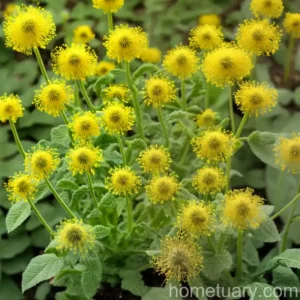
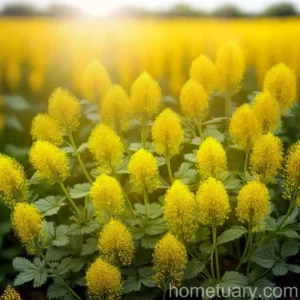
- Varieties of Wallflower (Erysimum Cheiri): The plant comes in a range of hues, including shades of yellow, orange, and purple.
- Growing Wallflower in the garden: Thrives in well-draining soil with full sun exposure, making it ideal for garden borders and rock gardens.
- Wallflower and its benefits: Attracts pollinators, adds vibrant color to the garden, and emits a delightful fragrance.
- Planting Wallflower seeds: Best sown in early spring or late summer in prepared soil.
- Wallflower care tips: Requires regular watering, deadheading, and occasional feeding for optimal growth and bloom.
- Wallflower companion plants: Pair with other sun-loving perennials and biennials for a vibrant garden display.
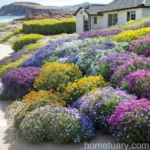
- Wallflower in landscaping: Perfect for adding color and fragrance to borders, containers, and cottage-style gardens.
- Wallflower flowering period: Typically blooms from late spring through early summer, with some varieties blooming again in the fall.
- Wallflower pruning techniques: Regular deadheading and occasional light pruning to encourage continuous blooming.
- Propagating Wallflower: Easily propagated from seeds or cuttings, making it a great plant for expanding your garden.
- Wallflower common pests and diseases: Susceptible to aphids, caterpillars, and fungal diseases, requiring vigilance for prevention and management.
- Wallflower as a cut flower: The fragrant blooms make delightful cut flowers for indoor arrangements.
- Wallflower colors and varieties: Available in a stunning array of colors, including shades of yellow, orange, red, and purple.
Now that we have an overview of the Wallflower, let’s dive deeper into its cultivation, care, and the numerous benefits it offers to gardeners.
Cultivation of the Wallflower
Uses
The Wallflower is a versatile plant that serves various purposes in the garden and beyond.
-
Ornamental Plant: With its vibrant blooms and delightful fragrance, the Wallflower is primarily grown for its ornamental value. It adds color and fragrance to borders, rock gardens, containers, and cottage-style gardens.
-
Attracting Pollinators: The nectar-rich flowers of the Wallflower are a magnet for bees, butterflies, and other beneficial pollinators, making it a valuable addition to wildlife-friendly gardens.
-
Cut Flowers: The fragrant blooms of the Wallflower make charming additions to cut flower arrangements, bringing the beauty and fragrance of the garden indoors.
-
Medicinal Uses: In traditional herbal medicine, certain species of Wallflower are believed to have medicinal properties, though it is important to consult a healthcare professional before using them for therapeutic purposes.
Water
The Wallflower thrives in well-draining soil and prefers moderate moisture levels. While it can tolerate drier conditions once established, it is essential to ensure consistent watering, especially during periods of prolonged drought.
-
Watering Frequency: Water the Wallflower thoroughly, allowing the soil to dry out slightly between waterings. Aim to provide around 1 inch of water per week, adjusting based on the specific moisture needs of your garden soil and climate.
-
Avoid Waterlogging: It is crucial to avoid waterlogging, as excessive moisture can lead to root rot and other issues. Ensure that the soil has adequate drainage to prevent water from pooling around the plant’s roots.
Sunlight
The Wallflower thrives in full sun to partial shade, with at least 6-8 hours of direct sunlight per day being ideal for robust growth and flowering.
-
Optimal Sun Exposure: Plant the Wallflower in a location that receives ample sunlight, such as south-facing borders or open garden beds. Adequate sunlight promotes strong growth and vibrant blooms.
-
Partial Shade Tolerance: While the Wallflower prefers full sun, it can tolerate partial shade, especially in hotter climates where some respite from intense sunlight can be beneficial.
Fertilizer
Providing appropriate nutrients is essential for maintaining the health and vigor of the Wallflower. While it is not overly demanding in terms of fertility, a balanced approach to fertilization can support robust growth and abundant flowering.
-
Fertilization Schedule: Apply a balanced, slow-release fertilizer in early spring as new growth begins. Alternatively, incorporate organic matter such as compost into the soil to provide essential nutrients.
-
Avoid Excessive Nitrogen: Avoid excessive use of high-nitrogen fertilizers, as this can lead to excessive foliage growth at the expense of blooms.
Soil
The Wallflower thrives in well-draining, moderately fertile soil with a slightly alkaline to neutral pH. Good soil structure and composition are key to promoting healthy growth and bloom production.
-
Soil Composition: Aim for a well-draining soil mix rich in organic matter, such as compost or well-rotted manure. This supports moisture retention without leading to waterlogged conditions.
-
Soil pH: The ideal soil pH for the Wallflower is in the range of 6.5 to 7.5. Conduct a soil test to assess the pH of your garden soil and make amendments as needed to achieve the optimal range.
Pruning
Regular pruning and deadheading are essential components of Wallflower care and maintenance. Pruning not only helps to shape the plant but also encourages continuous blooming and enhances overall vigor.
-
Deadheading: Remove spent flowers promptly to stimulate the production of new blooms and prevent the plant from diverting energy into seed production. Deadheading also improves the plant’s appearance and prolongs the flowering period.
-
Light Pruning: Perform light pruning as needed to maintain a compact, bushy growth habit. Trim back any leggy or straggly growth to encourage a tidy appearance and promote new growth from the base.
Propagation
The Wallflower can be easily propagated from seeds or cuttings, offering gardeners the opportunity to expand their plantings and share the beauty of this delightful species with others.
-
Seed Propagation: Collect mature seeds from the plant and sow them in prepared soil in early spring or late summer. Keep the soil consistently moist until germination occurs, typically within a few weeks.
-
Cutting Propagation: Take stem cuttings from healthy, non-flowering shoots and root them in a suitable propagation medium. With the right conditions, the cuttings will develop roots and can be transplanted into individual containers or garden beds.
Container Popularity
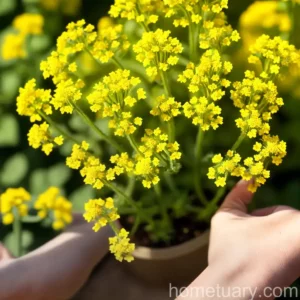
The Wallflower is well-suited to container gardening, offering a burst of color and fragrance in a compact and portable form. Whether placed on patios, balconies, or by the front door, Wallflowers in containers are a delightful addition to any outdoor space.
-
Container Selection: Choose a well-draining container with ample room for the plant’s roots to spread. Ensure that the container has drainage holes to prevent waterlogging.
-
Soil Mix: Use a quality potting mix with added organic matter to provide essential nutrients and promote healthy growth. Regularly check the soil moisture levels and water as needed to keep the plant thriving.
Now that we have covered the cultivation and care aspects of the Wallflower, let’s explore some factors that contribute to its popularity and the potential challenges gardeners may encounter.
Popularity of the Wallflower
The Wallflower’s popularity stems from a combination of its beautiful blooms, captivating fragrance, and relative ease of care. Additionally, its versatility in various garden settings, from formal borders to casual cottage gardens, makes it a beloved choice among gardeners.
Common Diseases
While the Wallflower is generally resilient, it is susceptible to certain diseases that can impact its health and vigor.
-
Fungal Diseases: Common fungal issues affecting the Wallflower include powdery mildew and downy mildew. These diseases often manifest as white or gray powdery growth on the foliage, leading to reduced photosynthesis and overall plant decline.
-
Preventative Measures: To prevent fungal diseases, ensure proper air circulation around the plants, avoid overhead watering, and promptly remove and destroy any infected plant material.
Disease Diagnosis
Early detection and prompt action are crucial when it comes to managing plant diseases. Recognizing the symptoms of common diseases can help gardeners address issues before they escalate.
-
Visual Symptoms: Look out for discolored or distorted foliage, powdery growth on the leaves, and overall decline in plant vigor. These can be indicators of potential disease issues requiring attention.
-
Consulting a Professional: If you suspect disease problems with your Wallflowers, seek guidance from a local gardening expert or extension service to accurately diagnose the issue and implement appropriate management strategies.
Common Pests
In addition to diseases, the Wallflower is also vulnerable to certain pests that can compromise its health and aesthetic appeal.
-
Aphids: These small, sap-sucking insects can congregate on the tender new growth of Wallflowers, causing distortion of leaves and a decline in plant vigor.
-
Caterpillars: Some species of caterpillars may feed on the foliage of Wallflowers, leading to visible damage and reduced plant vitality.
-
Vigilance and Control: Regularly inspect your Wallflowers for signs of pest activity and intervene promptly using appropriate control measures, such as insecticidal soaps or natural predators.
Now that we’ve explored the potential challenges, let’s shift our focus to the expertise and tips from botanists and experienced gardeners, along with some fascinating facts about the enchanting Wallflower.
Botanist’s Tips
When it comes to cultivating and caring for Wallflowers, seasoned botanists and horticulturists offer valuable tips to help gardeners achieve the best results. These insights are based on years of experience and a deep understanding of plant biology and cultivation practices.
-
Site Selection: Choose a well-draining location with ample sunlight for optimal growth and flowering. Avoid areas with poor air circulation, as this can increase the risk of disease issues.
-
Soil Preparation: Prepare the soil by incorporating organic matter to improve its structure and fertility. A well-balanced soil provides essential nutrients and promotes healthy root development.
-
Watering Practices: Water the Wallflower deeply but infrequently, allowing the soil to dry out slightly between waterings. This encourages the development of deep, resilient roots.
-
Deadheading: Regular deadheading promotes continuous blooming and prevents the plant from expending energy on seed production. It also keeps the plant looking tidy and attractive.
-
Pruning Guidelines: Practice light pruning to maintain a compact growth habit and remove any dead or damaged foliage. This encourages new growth and enhances the overall appearance of the plant.
-
Supporting Pollinators: Embrace the Wallflower as a pollinator-friendly plant by creating garden environments that attract and support beneficial insects and butterflies.
Fun Facts
- The Wallflower (Erysimum Cheiri) is renowned for its delightful fragrance, often described as a sweet, spicy, or honey-like scent.
- In traditional folklore, the Wallflower was associated with themes of fidelity and constancy, making it a popular choice for use in wedding bouquets and floral arrangements.
- Certain species of Wallflower exhibit biennial growth habits, producing foliage in the first year and blooming prolifically in the second year before setting seed and completing their life cycle.
With our foundation of knowledge about the Wallflower firmly established, it’s time to delve into the details of its cultivation, maintenance, and the numerous benefits it offers to gardeners and wildlife alike.
Links to External Resources
To further expand your understanding of the Wallflower (Erysimum Cheiri) and its cultivation, here are some valuable external resources for detailed information, expert insights, and visual inspiration:
- Royal Horticultural Society (RHS) – Wallflower (Erysimum)
- The Old Farmer’s Almanac – Wallflowers: Plant Care and Collection of Varieties
- University of California Agriculture and Natural Resources – Integrated Pest Management for Wallflowers
- North Carolina State University Extension – Growing Wallflowers in the Garden
- American Meadows – Wallflower Seed Planting Instructions
These resources offer a wealth of information, guidance, and practical tips for successfully growing and caring for Wallflowers, enriching your horticultural knowledge and enhancing your gardening experiences.
In conclusion, the Wallflower (Erysimum Cheiri) is a delightful, fragrant, and visually captivating plant that holds a special place in the hearts of gardeners and flower enthusiasts. With its vibrant colors, sweet fragrance, and versatility in various garden settings, the Wallflower is a valuable addition to any landscape, adding charm and allure to outdoor spaces.
By understanding its cultivation needs, embracing best practices for care and maintenance, and appreciating its ecological contributions, gardeners can relish the beauty and aromatic splendor of the Wallflower throughout the growing season. Whether planted as standalone specimens, paired with companion plants, or featured in cut flower arrangements, the Wallflower continues to enchant and inspire with its timeless allure.